AI 4-Koma Strip Maker: The Narrative Structure of 4-Koma
The 4-koma format relies on the 'Ki-Sho-Ten-Ketsu' narrative arc, a four-step framework that provides a rigid yet effective cadence for short-form storytelling. By anchoring your workflow to these specific stages, you can ensure that your punchline lands with maximum force.
- Ki (Introduction): Sets the scene and introduces the characters within the initial panel. * Sho (Development): Expands on the premise established in the first frame without adding redundant information. * Ten (Twist): Introduces a sudden change or unexpected element that shifts the context of the story. * Ketsu (Conclusion): Delivers the final payoff or punchline that resolves the scenario introduced in the Ki phase.
Many creators struggle by attempting to condense long-form plots into this structure, often losing the comedic rhythm that makes the format successful. Using 'Ki-Sho-Ten-Ketsu' as your pacing anchor prevents you from over-explaining the joke, which is the primary reason amateur strips fail to retain reader attention.
Efficiency Benefits for Independent Creators
This format is highly efficient for web-based distribution and social media, where short-form, punchy content drives high engagement rates. Unlike long-form chapters, 4-koma allows creators to experiment with niche humor and recurring character gags without needing complex, multi-page world-building or massive, pre-planned story arcs.
- Consistent Character Roster: Establish a core group of two or three characters to minimize the reader's cognitive load. * Recurring Situation Design: Lean on familiar settings, such as a school classroom or a workplace desk, to keep the background art stable. * Minimalist Inking Style: Focus on high-contrast lines rather than painterly detail to keep production times low and visual clarity high.
Consistent character design is the primary driver of 4-koma engagement, as it allows your audience to anticipate the dynamic between characters immediately. If your character’s proportions drift from panel one to panel four, the humor is lost because the reader spends more energy tracking visual errors than appreciating your script.
Automating Strip Creation with Mangaka
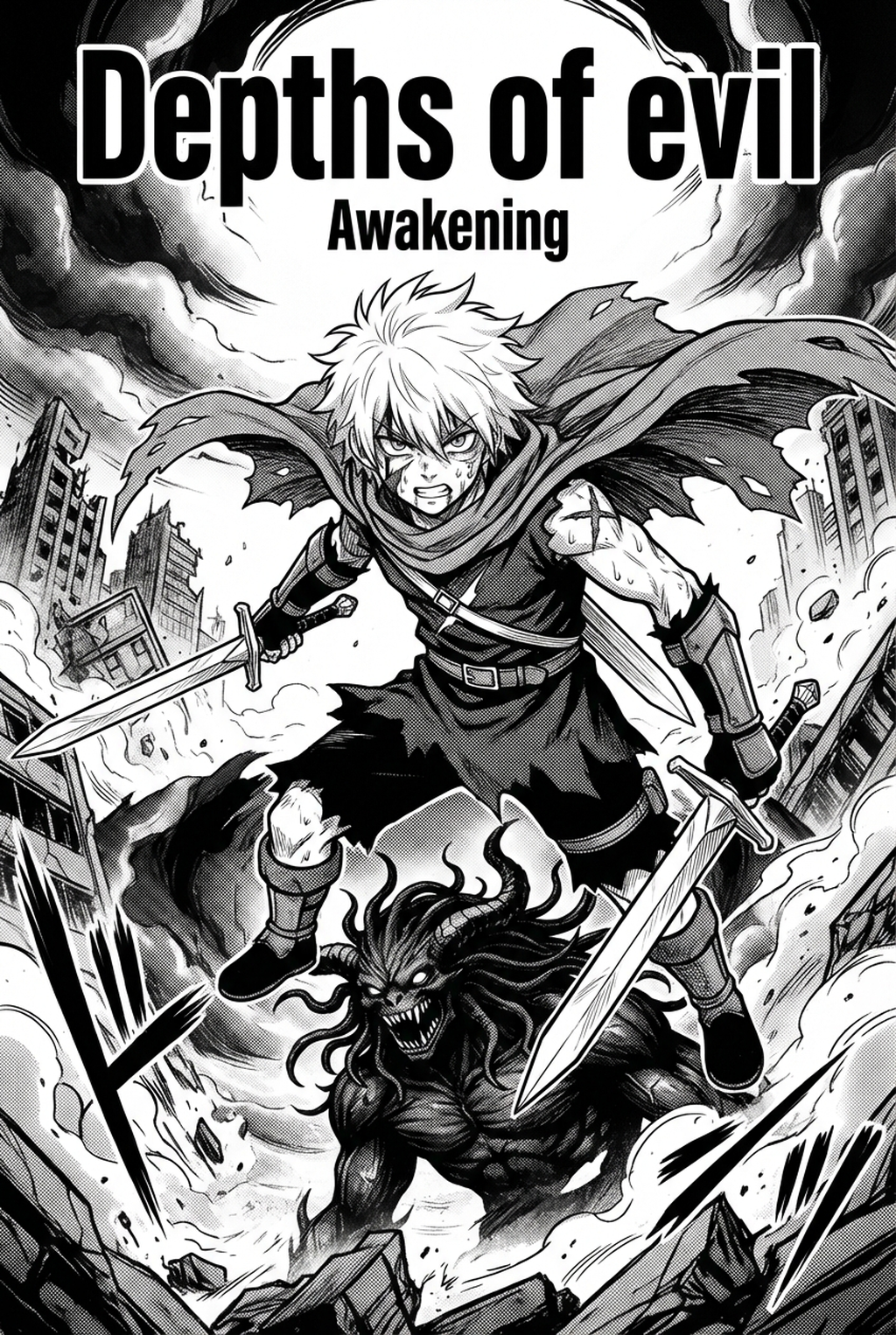
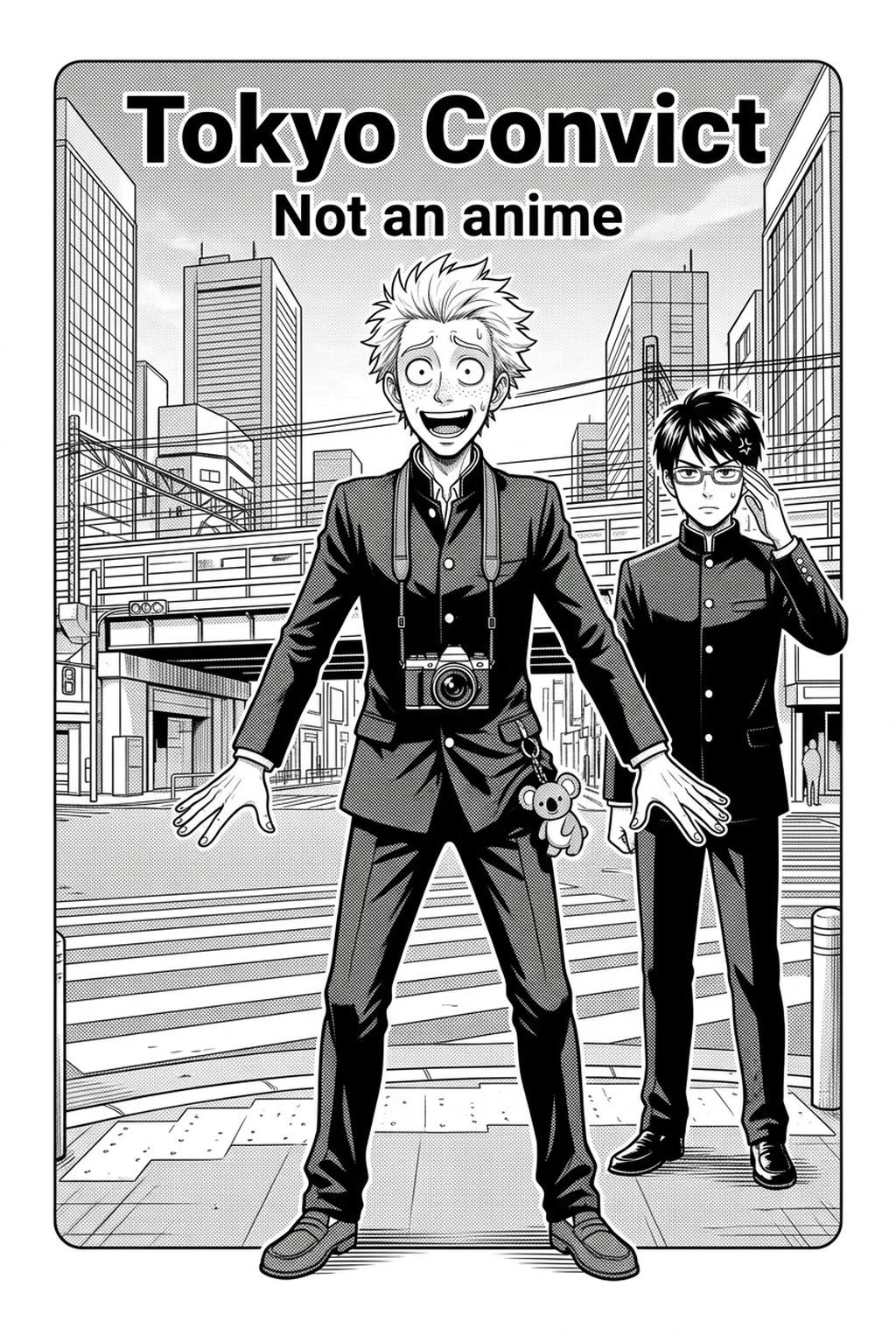
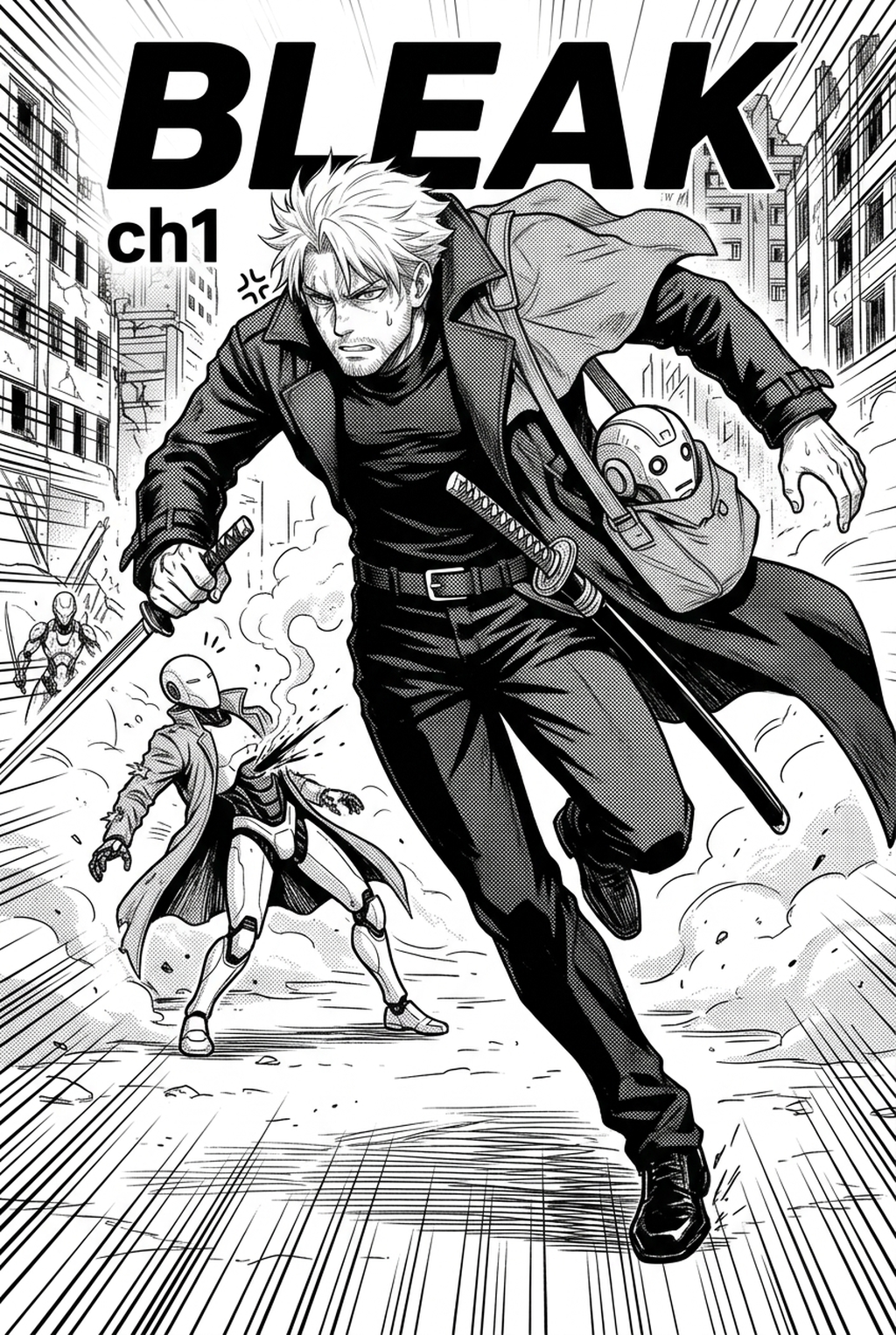
Modern creators use AI tools like Mangaka to transform a single conceptual punchline into a fully realized 4-panel strip, eliminating the manual overhead of repetitive paneling. Instead of manually sketching out every frame, you can rely on the engine to maintain character consistency while you focus on the timing of your dialogue and the impact of the final twist.
| Feature | Manual Process | Mangaka Process |
|---|---|---|
| Panel Layout | Hand-drawn guidelines | Auto-generated grid |
| Consistency | Constant manual reference | Locked character models |
| Line Art | Hours of inking | Instant clean-line export |
Using creative brief-driven AI to storyboard your initial 'Ten' panel often reveals unexpected comedic angles you might miss during manual drafting. For example, if your written punchline involves a character reacting to a surprise gift, the tool might suggest an exaggerated facial expression or a specific camera angle that maximizes the impact of the reveal. By leveraging these digital inputs, you can export high-resolution PNG files ready for web platforms in a fraction of the time required for traditional drafting.
Potential Applications in Storytelling
While often associated with gag comedy, the structure is flexible enough for diverse content types. Many creators wonder if the format is limited by its rigid four-panel boundary, but experience shows that the constraints actually foster creativity. Creative Decisions and Export Quality. This keeps the review focused on story intent, line weight, panel readability, and the export quality behind the final AI 4-Koma Strip Maker output.
- Daily Slice-of-Life: Perfect for documenting repetitive habits or observational humor. * Educational Explainers: Break down complex topics into digestible steps using the four-panel sequence. * Story-Manga Connections: Link multiple strips together to form a larger narrative, creating a 'long-form' 4-koma series.
Start with a simple character pair and a recurring situation, then use 4-koma manga with Mangaka for your initial draft. This approach allows you to iterate on your comedic timing by testing three different punchlines for the same 'Ki-Sho' setup, a task that would take hours to execute with traditional physical inking or standard digital brushes.
- Before Export. Creators should compare the generated line art with the original sketch and confirm that facial expressions, props, speed lines, and speech-bubble space still support the scene. A repeatable review pass should cover character consistency, panel readability, background clarity, and whether the final file is ready for coloring, lettering, or editor feedback. For longer projects, creators should save approved examples of line weight, face detail, clothing folds, and background density. Those references keep later chapters closer to the intended style.
- For Collaboration. Creators should mark which panels are final and which panels still need redraws. Clear status labels prevent an assistant, editor, or colorist from polishing the wrong version. For publishing, creators should review the page at the actual reading size before export. Small screens expose crowded dialogue, weak silhouettes, and line details that looked fine while zoomed in.
- For Style Control. Creators should keep a short reference board beside the draft and compare hair shapes, eye details, costume folds, and texture choices before approving the final page. For revision planning, creators should separate art fixes from story fixes. Line cleanup, panel order, dialogue clarity, and character acting each need a different review question.
- For Solo Creators. The most useful workflow is one that keeps rough ideas editable until the final pass. That reduces rework when the scene mood changes after the first read-through. Creators can use each revision decision to clarify panel readability, character consistency, and export quality before publishing or sharing.
The Bottom Line
The 4-koma format remains the gold standard for concise, impactful storytelling in the digital age. By mastering the Ki-Sho-Ten-Ketsu structure and utilizing contemporary creation tools, you can transform fleeting ideas into professional-grade manga strips with ease. Start your creative workflow today and 4-koma manga to finalize your next series.
Related articles
Fantasy Science Manga Storyboard: A Visual Narrative Guide
Manga Storyboard Guide: Planning Layouts for 2026 Impact
Mastering 4-Koma Comic Structure: A Guide to Pacing in 2026