Roles and Core Responsibilities for Artists
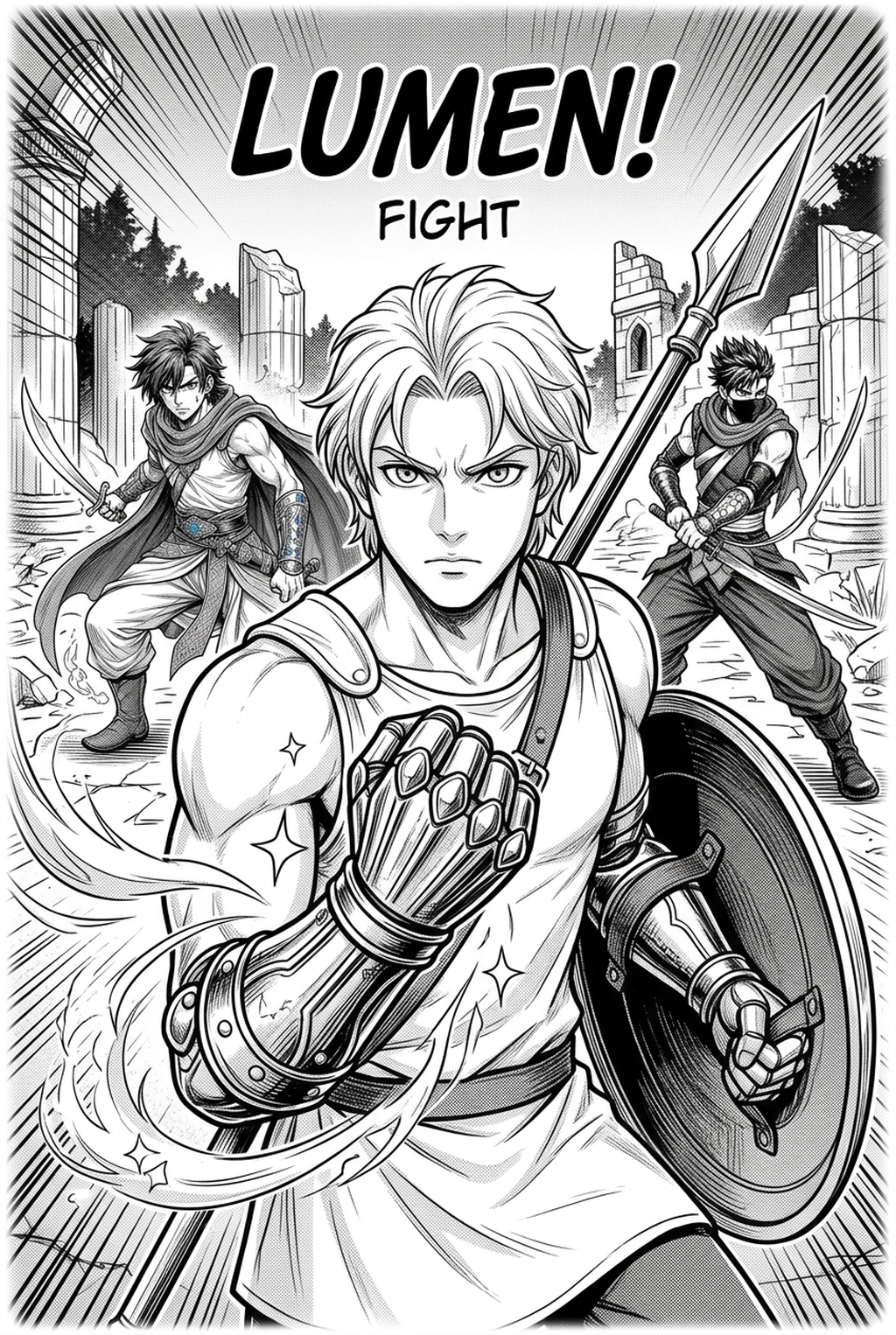
A manga colorist is a specialist tasked with applying digital color to monochrome pages, requiring a balance between technical layering and narrative mood setting. This position demands more than simply filling shapes; it requires an eye for light, shadow, and color temperature to guide the reader’s focus across the vertical scroll of a vertical comic platforms.
- Flatting: The foundational process of assigning solid, unshaded base colors to specific segments of the page. * Rendering: The application of cel-shading, soft gradients, and high-frequency highlights to create volume and depth. * Atmospheric Grading: Final adjustment of the color balance to convey specific moods, such as low-light night scenes or high-energy battle sequences.
Why Color Expertise Matters for Modern Creators
Solo creators face a critical production wall when manual coloring consumes the majority of their weekly cycle, often leading to severe artistic burnout. By shifting from manual pixel-pushing to AI-assisted workflows, you can reclaim your time for complex character design and panel pacing while maintaining the integrity of your original line art.
Modern tools solve the "line density" problem that historically caused AI algorithms to flatten or blur delicate pen strokes. By isolating the inking layer as a protected source, creators ensure that their unique aesthetic is amplified rather than erased. Furthermore, these systems maintain a "source context" that locks character colors into specific hex codes, preventing the unintentional color drift that occurs when a human team loses track of an character’s specific palette across a 20-chapter run.
How the Color Process Works with Mangaka
Mangaka functions as an automated art director that handles the heavy lifting of segmentation while keeping the creator firmly in the seat of the "review owner. The system uses advanced geometric analysis to identify character boundaries, which removes the need for tedious manual masking or complex selection tools. When you manga colorist with Mangaka using this workflow, the tool maps your existing inking density to a depth-aware model. This ensures that the shading sits correctly behind the line work, preserving your original file resolution for professional-grade exports. You are not handing off your vision to an automated process; you are leveraging it to manage the mechanical repetition of flatting so you can finalize your pages for digital publication.
Common Production Bottlenecks for Studios
Scalability struggles often force teams to prioritize speed over depth, leaving many panels feeling "flat" or poorly lit compared to the detailed inking found in the foreground. Recognizing these pain points is the first step toward implementing a more professional digital production production process.
- Layer Management Exhaustion: Teams often spend 80% of their creative bandwidth on the mundane task of flatting rather than the nuanced work of atmospheric shading. * Version Control Failure: Without a stable color source, characters often exhibit subtle shifts in tone, which disrupts immersion for long-term readers. * Environmental Lighting Deficits: Deadline pressure frequently forces artists to skip complex light-sourcing, which results in flat backgrounds that fail to complement the high-detail character art.
Getting Started with Intelligent Coloring
Artists often worry that moving to an automated system might replace their role as an inker, but the reality is that the quality of your output remains tethered to the quality of your inputs. AI requires clean, high-resolution line art to act as the primary structural anchor for all subsequent color application.
To begin integrating these tools into your workflow, you must prepare your files by ensuring closed boundaries and clear line distinction. You can then lock in specific character design sets, which guarantees that every character’s outfit and skin tone remain consistent from the first splash page to the final cliffhanger of your current arc. This setup satisfies the demand for high-quality, vibrant visuals while adhering to the technical standards of major digital platforms, which increasingly prioritize color-rich, high-resolution file delivery.
- Before Export. Creators should compare the generated line art with the original sketch and confirm that facial expressions, props, speed lines, and speech-bubble space still support the scene. A repeatable review pass should cover character consistency, panel readability, background clarity, and whether the final file is ready for coloring, lettering, or editor feedback. For longer projects, creators should save approved examples of line weight, face detail, clothing folds, and background density. Those references keep later chapters closer to the intended style.
- For Collaboration. Creators should mark which panels are final and which panels still need redraws. Clear status labels prevent an assistant, editor, or colorist from polishing the wrong version. For publishing, creators should review the page at the actual reading size before export. Small screens expose crowded dialogue, weak silhouettes, and line details that looked fine while zoomed in.
- For Style Control. Creators should keep a short reference board beside the draft and compare hair shapes, eye details, costume folds, and texture choices before approving the final page. For revision planning, creators should separate art fixes from story fixes. Line cleanup, panel order, dialogue clarity, and character acting each need a different review question.
The Bottom Line
The role of the AI AI Manga Colorist workflow workflow has moved beyond manual pixel-pushing into a more strategic phase of intelligent art direction. By integrating manga colorist into your production workflow, you can maintain your unique inking signature while scaling your output to meet the high-volume demands of today’s vertical comic platforms market.
Related articles
What Does a Manga Colorist Do? A Guide for 2026
What Does a Manga Colorist Do? A Creator’S Guide in 2026
How to Create a Professional Manga Background Fast in 2026
Professional Colorist Workflows Powered by Mangaka.app
Whether you are a solo creator coloring your own pages or an assistant managing multi-series color deadlines, modern digital production demands efficiency. Mangaka.app provides the dedicated sequential production engine built specifically for manga and webcomic creators:
- Automated Base Flats & Shadow Occlusion: Generate initial ambient shadows and flat color fills in seconds so you can focus on creative highlights and special effects.
- Dynamic Mood Grading: Adjust entire page color temperatures—from eerie twilight to vibrant high-noon action—with non-destructive color grading controls.
- Preserve 600 DPI Linework: Colorize high-resolution line art without downsampling or pixelating delicate ink hatching and crosshatching.
- Seamless Team Collaboration: Export layered PSDs or flattened web slices directly to handoff to letterers and editors.
Professional Colorist Workflows Powered by Mangaka.app
Whether you are a solo creator coloring your own pages or an assistant managing multi-series color deadlines, modern digital production demands efficiency. Mangaka.app provides the dedicated sequential production engine built specifically for manga and webcomic creators:
- Automated Base Flats & Shadow Occlusion: Generate initial ambient shadows and flat color fills in seconds so you can focus on creative highlights and special effects.
- Dynamic Mood Grading: Adjust entire page color temperatures—from eerie twilight to vibrant high-noon action—with non-destructive color grading controls.
- Preserve 600 DPI Linework: Colorize high-resolution line art without downsampling or pixelating delicate ink hatching and crosshatching.
- Seamless Team Collaboration: Export layered PSDs or flattened web slices directly to handoff to letterers and editors.
Professional Colorist Workflows Powered by Mangaka.app
Whether you are a solo creator coloring your own pages or an assistant managing multi-series color deadlines, modern digital production demands efficiency. Mangaka.app provides the dedicated sequential production engine built specifically for manga and webcomic creators:
- Automated Base Flats & Shadow Occlusion: Generate initial ambient shadows and flat color fills in seconds so you can focus on creative highlights and special effects.
- Dynamic Mood Grading: Adjust entire page color temperatures—from eerie twilight to vibrant high-noon action—with non-destructive color grading controls.
- Preserve 600 DPI Linework: Colorize high-resolution line art without downsampling or pixelating delicate ink hatching and crosshatching.
- Seamless Team Collaboration: Export layered PSDs or flattened web slices directly to handoff to letterers and editors.
Professional Colorist Workflows Powered by Mangaka.app
Whether you are a solo creator coloring your own pages or an assistant managing multi-series color deadlines, modern digital production demands efficiency. Mangaka.app provides the dedicated sequential production engine built specifically for manga and webcomic creators:
- Automated Base Flats & Shadow Occlusion: Generate initial ambient shadows and flat color fills in seconds so you can focus on creative highlights and special effects.
- Dynamic Mood Grading: Adjust entire page color temperatures—from eerie twilight to vibrant high-noon action—with non-destructive color grading controls.
- Preserve 600 DPI Linework: Colorize high-resolution line art without downsampling or pixelating delicate ink hatching and crosshatching.
- Seamless Team Collaboration: Export layered PSDs or flattened web slices directly to handoff to letterers and editors.