AI Manga Storyboard Builder: Defining the Visual Blueprint
A storyboard functions as an architectural skeleton for your manuscript, converting dialogue-heavy scripts into a sequential visual language that dictates how a reader experiences your series. It translates abstract narrative beats into concrete page layouts, locking in the placement of gutters, panel proportions, and the spatial logic required to maintain focus.
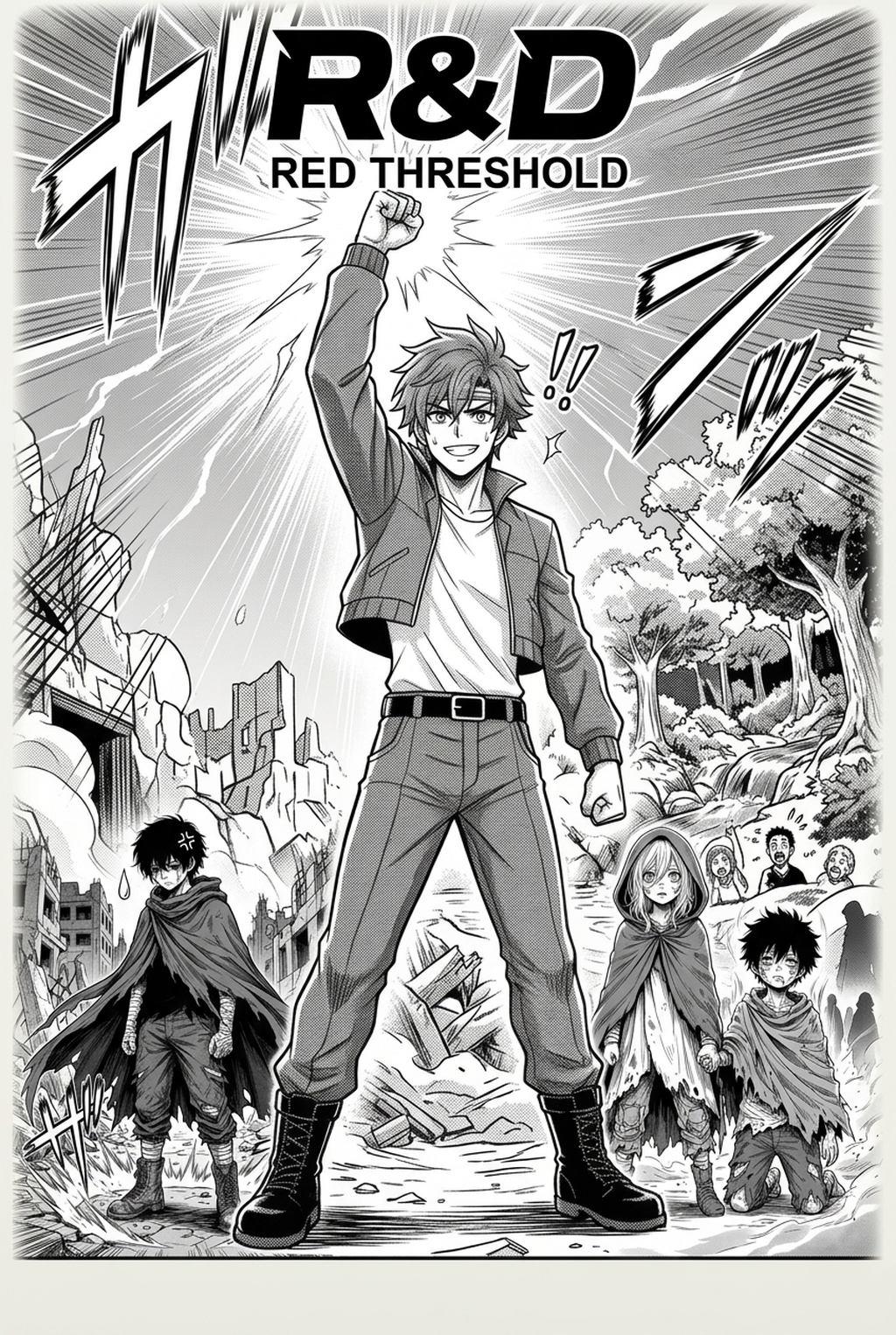
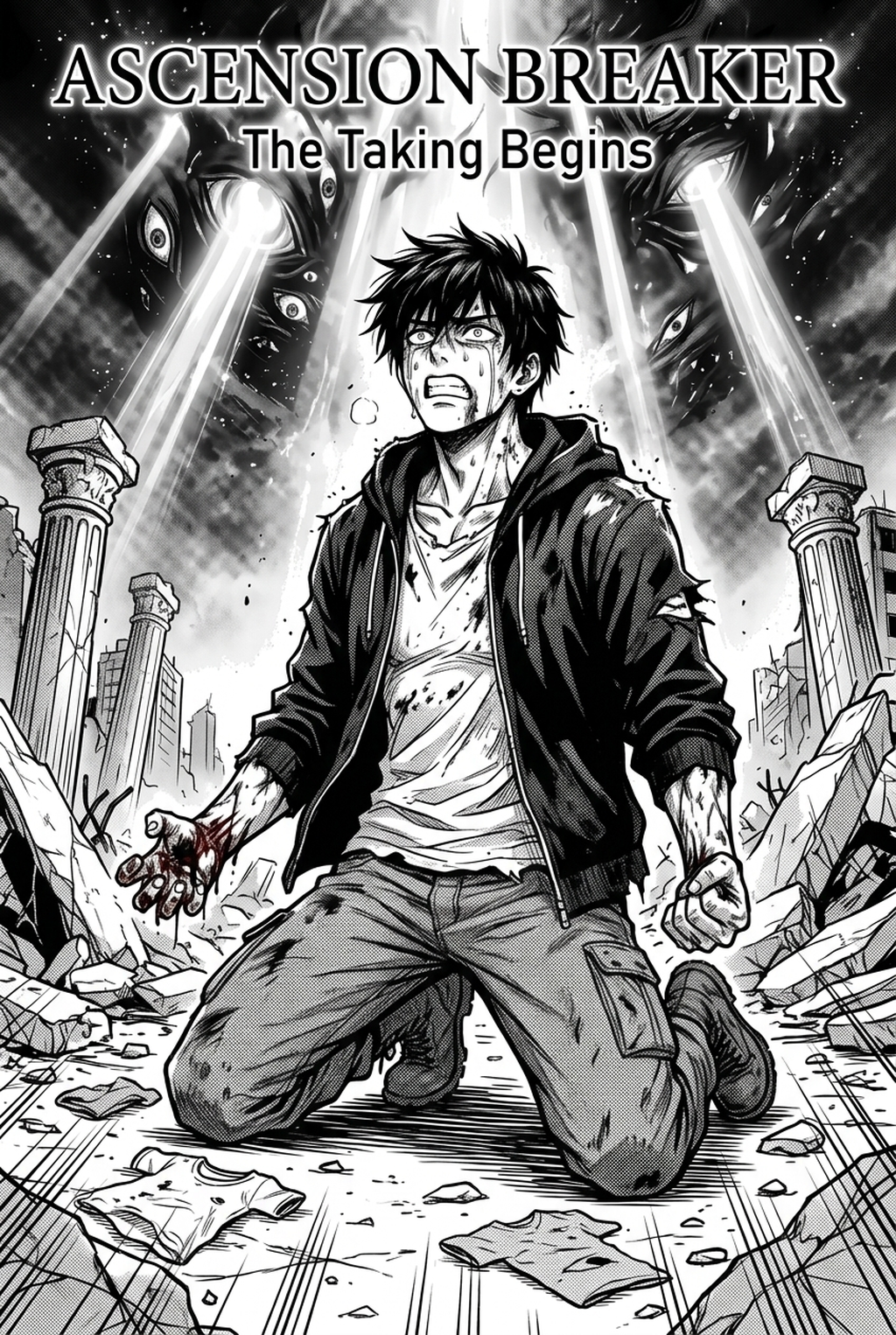
The primary goal here is to establish a consistent 'reading rhythm' that moves the eye naturally across the page. By intentionally varying panel sizes—using a massive splash page to emphasize a Shonen transformation or a series of rapid, thin panels to convey high-speed combat—you control the speed at which the audience digests the information. If you skip this phase, the transitions between scenes often feel disjointed or chaotic, leading to reader fatigue.
One common failure mode in amateur manga is the 'cluttered panel trap,' where an artist tries to cram too much perspective detail into a single frame. A properly constructed layout forces you to balance white space against dialogue-dense sections, ensuring that critical emotional beats are not buried under excessive rendering. Managing this 'visual tension map' is the only way to ensure the reader’s eye follows the path of action without missing key plot developments.
Why Narrative Structure Matters for Creators
Proper panel management acts as a safeguard against the complexities of long-form storytelling, where maintaining visual continuity across hundreds of pages is the greatest challenge. Every decision made during this phase regarding camera angles and character orientation dictates the accessibility of your work, especially for mobile users reading on vertical-scroll interfaces.
You must track eye movement across spreads to guarantee the reader does not skip important narrative context. By mapping the flow from the top-right corner to the bottom-left, you confirm that character expressions remain the focal point of the scene. If the emotional weight of a page is not immediately obvious during the layout phase, the final inked version will rarely salvage the scene.
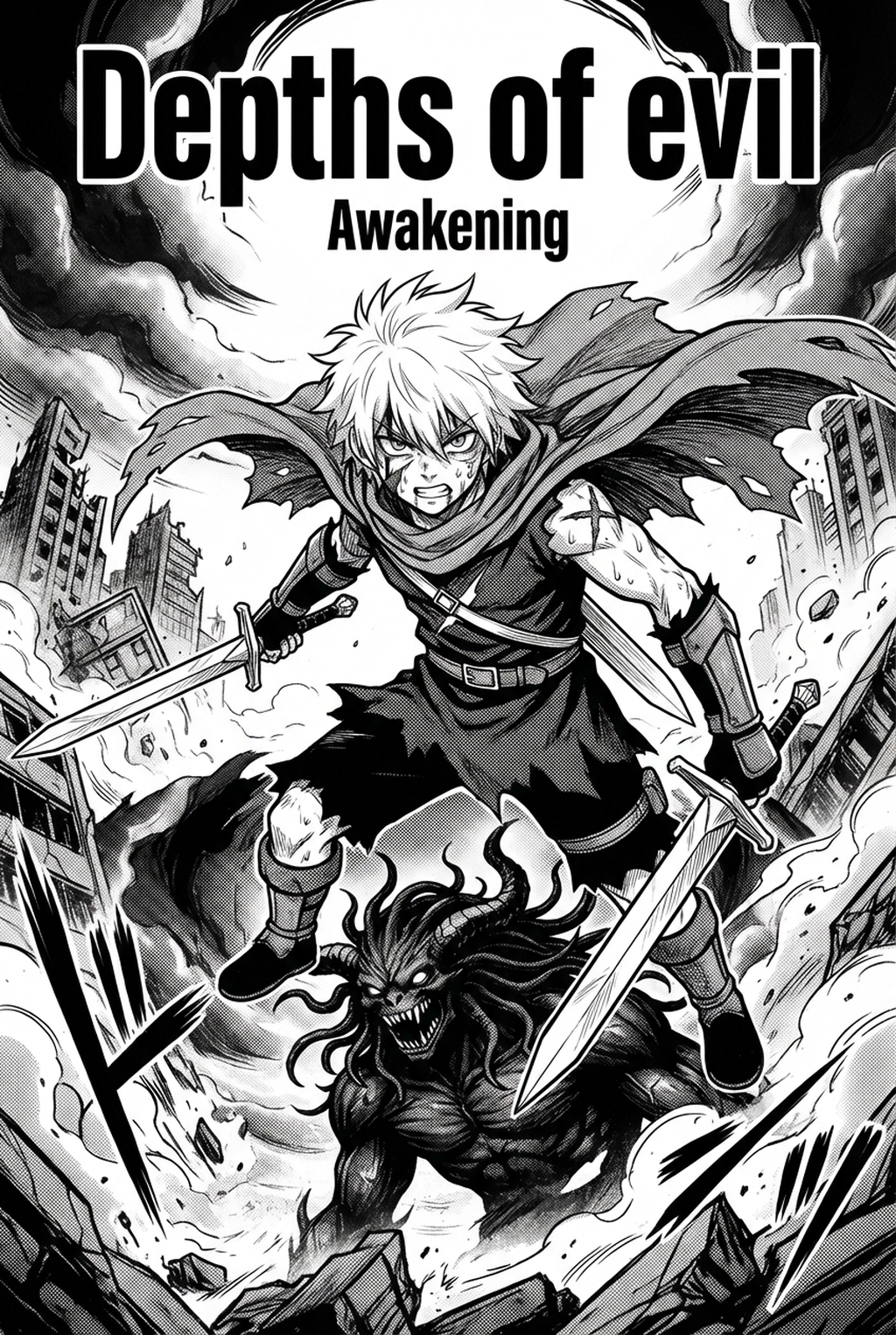
In intense combat sequences, the spatial logic of the scene must remain consistent, or the reader will lose their sense of direction. You should treat the storyboard as a rigorous check on character placement and perspective consistency. If a character is on the left in panel one but appears on the right in panel two without a clear transition, you have broken the reader's trust, and fixing this after applying expensive screen tones or color is a costly nightmare.
How Storyboard Builders Refine Your Process
Modern AI-driven builders allow creators to iterate on composition and perspective without the manual labor of sketching every single variation by hand. By using a tool like manga storyboard with Mangaka to handle the automated arrangement of panels, you can instantly test multiple camera angles for a single scene, ensuring that your narrative flow remains tight before you commit to final assets.
Instead of manually sketching dozens of iterations to find the right perspective for an epic scene, you can generate variations of your layout in seconds. This allows you to focus on the creative nuance of emotional beat timing rather than the mechanical drudgery of drafting gutters. By reviewing these variations as a sequence, you can confirm that the story maintains its internal tone and pacing requirements.
The software handles the heavy lifting of spatial logic, reducing the risk of character-proportion drift when moving between different panel sizes. When you lock in your storyboard, you are effectively creating a roadmap for your line art, which significantly minimizes the need for time-consuming redraws later in the production process. This is the difference between a project that feels like a cohesive volume and one that looks like a collection of disjointed, mismatched panels.
Use Cases for Your Narrative Sequence
Establishing a clear handoff between your raw script and the final production stage is the most effective way to maintain high output quality. Whether you are producing a weekly shonen hit or a monthly seinen release, the board serves as your master file for checking the delivery format requirements early.
- Vertical Scrolling: Prioritize horizontal breathing room and simplified gutter layouts to ensure the story translates well to mobile screens. * Print Spreads: Focus on the 'gutter bridge' between the left and right pages, ensuring no critical action is lost in the binding. * Dialogue Layouts: Confirm that speech bubbles do not obstruct faces or key movement indicators in your draft.
By treating your layout as a living document, you can invite feedback on the story direction early in the process. Reviewing a set of sequenced thumbnails prevents the common mistake of 'sunk-cost syndrome,' where an artist is too attached to a beautiful but narratively broken page to cut it.
Getting Started with Professional Tools
Creating a storyboard is a discipline of selection; you are choosing exactly which visual information to provide and what to leave for the reader's imagination. You should start by focusing on the 'delivery format'—digital or print—and define your panel constraints before touching any art assets.
A storyboard is fundamentally a set of instructions, not a display of technical drawing skill. ' If you can read your sequence as a story without seeing any high-resolution line art, your board is working as intended. Every professional creator relies on this phase to keep the plot organized. When you manage a hundred-page arc, you cannot rely on memory; you need a visual map of every emotional beat and character transformation. Using a digital builder to maintain this map allows you to scale your production without sacrificing the intricate detail your fans expect.
The Bottom Line
The storyboard is the essential bridge between a raw, text-based script and the high-fidelity pages your readers expect to see. By adopting a tool that prioritizes narrative flow and spatial consistency, you turn a labor-intensive drafting task into an efficient prototyping phase. Start building your AI AI Manga Storyboard Builder workflow Builder workflow blueprint today and ensure your series maintains its professional quality from page one to the final chapter.