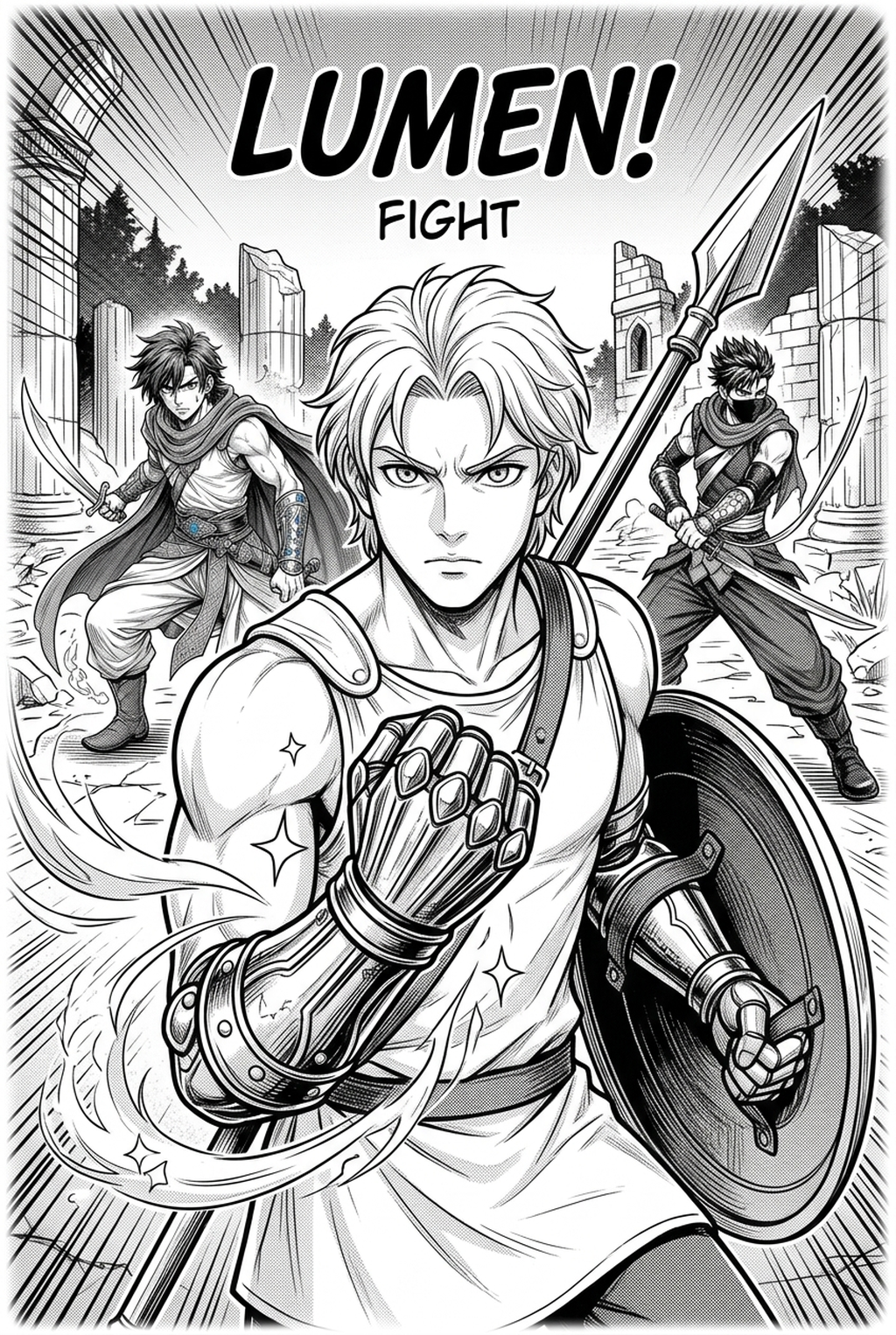
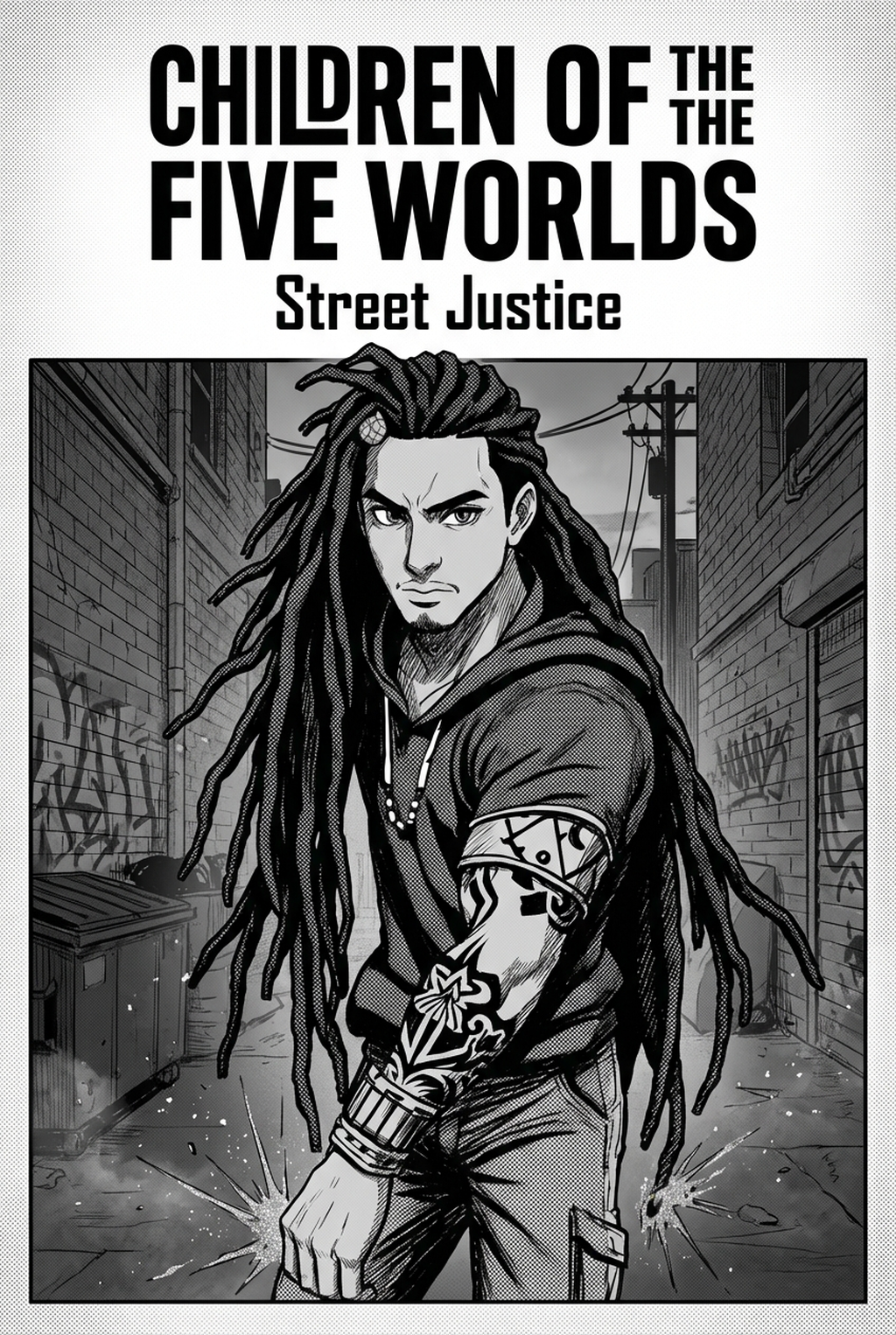
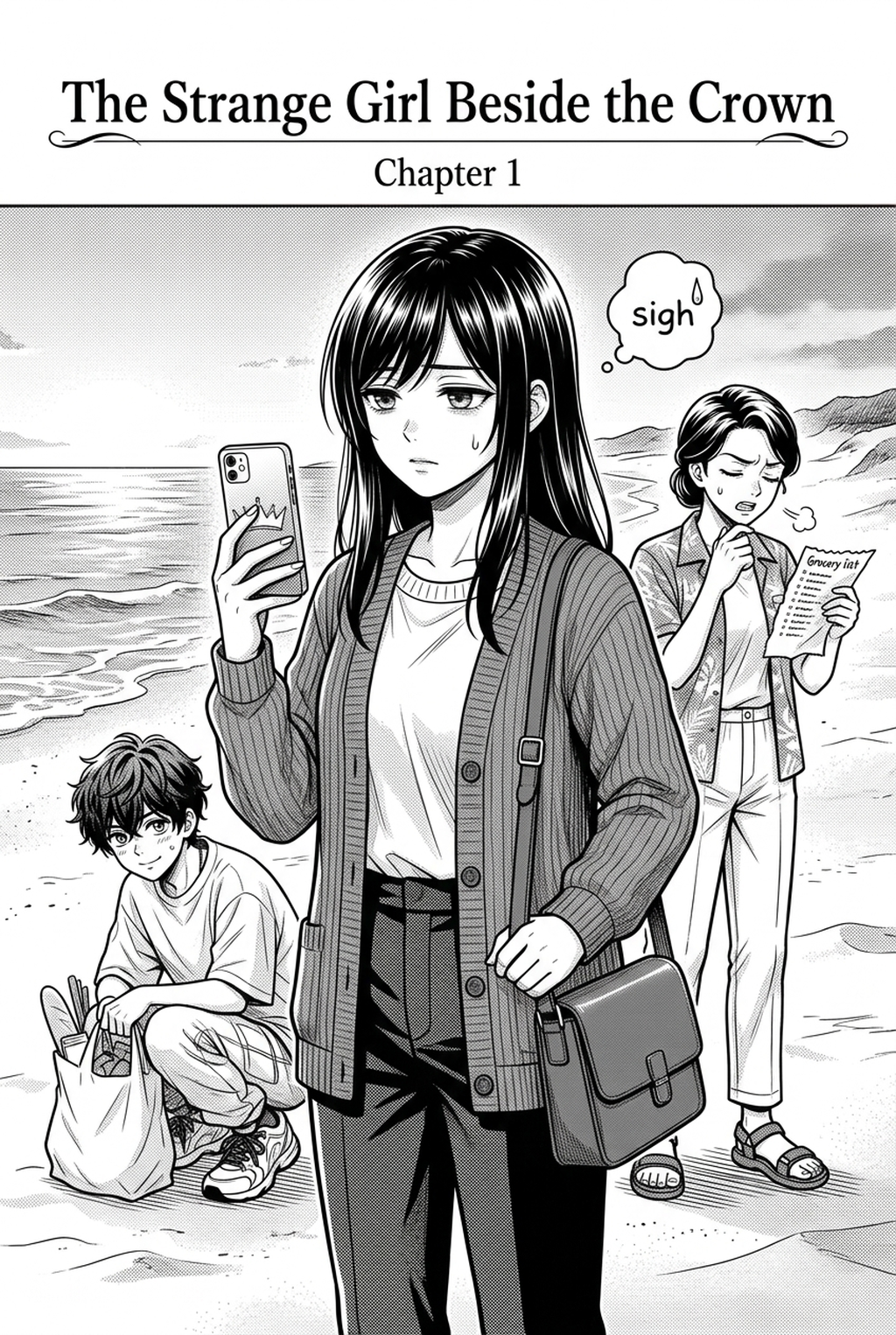
title: "Online Comic Strip Generator: Quick Comics for Social Media and Blogs" meta_description: "Build short, readable comics for feeds and blogs with a browser workflow focused on beats, layout, captions, and accessibility." slug: "online-comic-strip-generator" primary_keyword: "comic strip generator" secondary_keywords: ["comic planning", "sequential art workflow", "visual storytelling", "indie comics"] search_intent: "commercial" category: "Product Features" tags: ["manga", "comics", "storytelling", "creator workflow"] author: "Mangaka team" published: "2026-10-19" modified: "2026-10-19" lang: "en" og_image: "[PLACEHOLDER: Drive cover image URL]" ---
Online Comic Strip Generator: Quick Comics for Social Media and Blogs
By Mangaka team · Updated October 19, 2026 · Draft, not published
TL;DR - This guide explains how a comic strip generator can support a compact comic strip for a feed or blog without hiding the creative decisions that shape the result. - The workflow moves from a short brief to thumbnails, review, revision, and a channel-ready handoff. - Verify current product terms, asset licenses, exports, and storage before making a commercial promise.
Direct Answer: A comic strip generator is most useful when it turns a written idea into inspectable visual choices: beats, panels, poses, text, and transitions. It does not remove the need for editorial judgment. Use it to write, arrange, and review a short strip quickly, then review continuity, readability, accessibility, rights, and export requirements before sharing or publishing.
! Cover placeholder: Drive image for Online Comic Strip Generator: Quick Comics for Social Media and Blogs Caption: Cover image placeholder. Replace with an approved Drive asset; no image URL has been assigned.
Why this topic deserves a deliberate workflow
A short strip works because the reader understands its situation quickly. The first panel establishes a normal expectation, the middle panel changes it, and the final panel delivers a result. A generator can arrange boxes, but the creator must control the information curve.
The most useful brief names the audience, channel, format, and emotional outcome. A strip for a blog sidebar may need a wide, quiet composition. A mobile feed may favor larger lettering and a vertical stack. One idea can survive both formats if the hierarchy remains stable.
Write dialogue after deciding what the image can show. Captions should add context, not narrate every visible action. Speech should sound like a person under the scene’s pressure. Short copy leaves room for expression, gesture, and the negative space that makes a punchline breathe.
A comic strip is a small interface. The reader must know where to start, how to move, and what deserves attention. Consistent panel order, contrast, type size, and balloon tails make the experience feel effortless. Novelty is useful only when it does not damage navigation.
Do not confuse speed with automatic publishing. A quick draft still needs a text pass, a visual pass, and a channel pass. Check spelling, panel order, crop safety, contrast, and whether the strip still makes sense when viewed as a thumbnail.
Social posts are often encountered without sound and with limited attention. Put essential meaning in the image or accompanying text, and provide alternative text where the publishing surface supports it. Accessibility is not a decorative extra; it is part of comprehension.
If a strip needs a paragraph to explain the joke, revise the setup. Add a visual clue, sharpen the contrast between expectation and result, or remove a line. The goal is not to make every comic silent. The goal is to make its central turn visible.
A reusable strip template should preserve hierarchy rather than force sameness. Keep dependable zones for title, panels, dialogue, and credit, then vary the camera, rhythm, and ending. A system makes publishing easier while the story keeps the work alive.
! Illustration placeholder 1: Drive image showing the planning stage Caption: Illustration placeholder 1. Show the planning stage with fictional, rights-cleared material.
What an online comic strip generator is for
The most useful brief names the audience, channel, format, and emotional outcome. A strip for a blog sidebar may need a wide, quiet composition. A mobile feed may favor larger lettering and a vertical stack. One idea can survive both formats if the hierarchy remains stable. For this comic strip generator workflow, apply that idea to step 1: write down the decision, inspect the result, and keep the revision visible. The most useful brief names the audience, channel, format, and emotional outcome. A strip for a blog sidebar may need a wide, quiet composition. A mobile feed may favor larger lettering and a vertical stack. One idea can survive both formats if the hierarchy remains stable.
Write dialogue after deciding what the image can show. Captions should add context, not narrate every visible action. Speech should sound like a person under the scene’s pressure. Short copy leaves room for expression, gesture, and the negative space that makes a punchline breathe. For this comic strip generator workflow, apply that idea to step 1: write down the decision, inspect the result, and keep the revision visible. Write dialogue after deciding what the image can show. Captions should add context, not narrate every visible action. Speech should sound like a person under the scene’s pressure. Short copy leaves room for expression, gesture, and the negative space that makes a punchline breathe.
A comic strip is a small interface. The reader must know where to start, how to move, and what deserves attention. Consistent panel order, contrast, type size, and balloon tails make the experience feel effortless. Novelty is useful only when it does not damage navigation. For this comic strip generator workflow, apply that idea to step 1: write down the decision, inspect the result, and keep the revision visible. A comic strip is a small interface. The reader must know where to start, how to move, and what deserves attention. Consistent panel order, contrast, type size, and balloon tails make the experience feel effortless. Novelty is useful only when it does not damage navigation.
Do not confuse speed with automatic publishing. A quick draft still needs a text pass, a visual pass, and a channel pass. Check spelling, panel order, crop safety, contrast, and whether the strip still makes sense when viewed as a thumbnail. For this comic strip generator workflow, apply that idea to step 1: write down the decision, inspect the result, and keep the revision visible. Do not confuse speed with automatic publishing. A quick draft still needs a text pass, a visual pass, and a channel pass. Check spelling, panel order, crop safety, contrast, and whether the strip still makes sense when viewed as a thumbnail.
Social posts are often encountered without sound and with limited attention. Put essential meaning in the image or accompanying text, and provide alternative text where the publishing surface supports it. Accessibility is not a decorative extra; it is part of comprehension. For this comic strip generator workflow, apply that idea to step 1: write down the decision, inspect the result, and keep the revision visible. Social posts are often encountered without sound and with limited attention. Put essential meaning in the image or accompanying text, and provide alternative text where the publishing surface supports it. Accessibility is not a decorative extra; it is part of comprehension.
If a strip needs a paragraph to explain the joke, revise the setup. Add a visual clue, sharpen the contrast between expectation and result, or remove a line. The goal is not to make every comic silent. The goal is to make its central turn visible. For this comic strip generator workflow, apply that idea to step 1: write down the decision, inspect the result, and keep the revision visible. If a strip needs a paragraph to explain the joke, revise the setup. Add a visual clue, sharpen the contrast between expectation and result, or remove a line. The goal is not to make every comic silent. The goal is to make its central turn visible.
A reusable strip template should preserve hierarchy rather than force sameness. Keep dependable zones for title, panels, dialogue, and credit, then vary the camera, rhythm, and ending. A system makes publishing easier while the story keeps the work alive. For this comic strip generator workflow, apply that idea to step 1: write down the decision, inspect the result, and keep the revision visible. A reusable strip template should preserve hierarchy rather than force sameness. Keep dependable zones for title, panels, dialogue, and credit, then vary the camera, rhythm, and ending. A system makes publishing easier while the story keeps the work alive.
A short strip works because the reader understands its situation quickly. The first panel establishes a normal expectation, the middle panel changes it, and the final panel delivers a result. A generator can arrange boxes, but the creator must control the information curve. For this comic strip generator workflow, apply that idea to step 1: write down the decision, inspect the result, and keep the revision visible. A short strip works because the reader understands its situation quickly. The first panel establishes a normal expectation, the middle panel changes it, and the final panel delivers a result. A generator can arrange boxes, but the creator must control the information curve.
How short comics create a clear reading path
Write dialogue after deciding what the image can show. Captions should add context, not narrate every visible action. Speech should sound like a person under the scene’s pressure. Short copy leaves room for expression, gesture, and the negative space that makes a punchline breathe. For this comic strip generator workflow, apply that idea to step 2: write down the decision, inspect the result, and keep the revision visible. Write dialogue after deciding what the image can show. Captions should add context, not narrate every visible action. Speech should sound like a person under the scene’s pressure. Short copy leaves room for expression, gesture, and the negative space that makes a punchline breathe.
A comic strip is a small interface. The reader must know where to start, how to move, and what deserves attention. Consistent panel order, contrast, type size, and balloon tails make the experience feel effortless. Novelty is useful only when it does not damage navigation. For this comic strip generator workflow, apply that idea to step 2: write down the decision, inspect the result, and keep the revision visible. A comic strip is a small interface. The reader must know where to start, how to move, and what deserves attention. Consistent panel order, contrast, type size, and balloon tails make the experience feel effortless. Novelty is useful only when it does not damage navigation.
Do not confuse speed with automatic publishing. A quick draft still needs a text pass, a visual pass, and a channel pass. Check spelling, panel order, crop safety, contrast, and whether the strip still makes sense when viewed as a thumbnail. For this comic strip generator workflow, apply that idea to step 2: write down the decision, inspect the result, and keep the revision visible. Do not confuse speed with automatic publishing. A quick draft still needs a text pass, a visual pass, and a channel pass. Check spelling, panel order, crop safety, contrast, and whether the strip still makes sense when viewed as a thumbnail.
Social posts are often encountered without sound and with limited attention. Put essential meaning in the image or accompanying text, and provide alternative text where the publishing surface supports it. Accessibility is not a decorative extra; it is part of comprehension. For this comic strip generator workflow, apply that idea to step 2: write down the decision, inspect the result, and keep the revision visible. Social posts are often encountered without sound and with limited attention. Put essential meaning in the image or accompanying text, and provide alternative text where the publishing surface supports it. Accessibility is not a decorative extra; it is part of comprehension.
If a strip needs a paragraph to explain the joke, revise the setup. Add a visual clue, sharpen the contrast between expectation and result, or remove a line. The goal is not to make every comic silent. The goal is to make its central turn visible. For this comic strip generator workflow, apply that idea to step 2: write down the decision, inspect the result, and keep the revision visible. If a strip needs a paragraph to explain the joke, revise the setup. Add a visual clue, sharpen the contrast between expectation and result, or remove a line. The goal is not to make every comic silent. The goal is to make its central turn visible.
A reusable strip template should preserve hierarchy rather than force sameness. Keep dependable zones for title, panels, dialogue, and credit, then vary the camera, rhythm, and ending. A system makes publishing easier while the story keeps the work alive. For this comic strip generator workflow, apply that idea to step 2: write down the decision, inspect the result, and keep the revision visible. A reusable strip template should preserve hierarchy rather than force sameness. Keep dependable zones for title, panels, dialogue, and credit, then vary the camera, rhythm, and ending. A system makes publishing easier while the story keeps the work alive.
A short strip works because the reader understands its situation quickly. The first panel establishes a normal expectation, the middle panel changes it, and the final panel delivers a result. A generator can arrange boxes, but the creator must control the information curve. For this comic strip generator workflow, apply that idea to step 2: write down the decision, inspect the result, and keep the revision visible. A short strip works because the reader understands its situation quickly. The first panel establishes a normal expectation, the middle panel changes it, and the final panel delivers a result. A generator can arrange boxes, but the creator must control the information curve.
The most useful brief names the audience, channel, format, and emotional outcome. A strip for a blog sidebar may need a wide, quiet composition. A mobile feed may favor larger lettering and a vertical stack. One idea can survive both formats if the hierarchy remains stable. For this comic strip generator workflow, apply that idea to step 2: write down the decision, inspect the result, and keep the revision visible. The most useful brief names the audience, channel, format, and emotional outcome. A strip for a blog sidebar may need a wide, quiet composition. A mobile feed may favor larger lettering and a vertical stack. One idea can survive both formats if the hierarchy remains stable.
A practical checkpoint for how short comics create a clear reading path
Use a short review pass before moving on. Name what works, what is uncertain, and what needs a human decision. Mark missing product facts as [NEED: verify current product term] instead of filling them from memory. This keeps a draft useful without turning an assumption into a claim.
A numbered workflow for a publishable strip
A comic strip is a small interface. The reader must know where to start, how to move, and what deserves attention. Consistent panel order, contrast, type size, and balloon tails make the experience feel effortless. Novelty is useful only when it does not damage navigation. For this comic strip generator workflow, apply that idea to step 3: write down the decision, inspect the result, and keep the revision visible. A comic strip is a small interface. The reader must know where to start, how to move, and what deserves attention. Consistent panel order, contrast, type size, and balloon tails make the experience feel effortless. Novelty is useful only when it does not damage navigation.
Do not confuse speed with automatic publishing. A quick draft still needs a text pass, a visual pass, and a channel pass. Check spelling, panel order, crop safety, contrast, and whether the strip still makes sense when viewed as a thumbnail. For this comic strip generator workflow, apply that idea to step 3: write down the decision, inspect the result, and keep the revision visible. Do not confuse speed with automatic publishing. A quick draft still needs a text pass, a visual pass, and a channel pass. Check spelling, panel order, crop safety, contrast, and whether the strip still makes sense when viewed as a thumbnail.
Social posts are often encountered without sound and with limited attention. Put essential meaning in the image or accompanying text, and provide alternative text where the publishing surface supports it. Accessibility is not a decorative extra; it is part of comprehension. For this comic strip generator workflow, apply that idea to step 3: write down the decision, inspect the result, and keep the revision visible. Social posts are often encountered without sound and with limited attention. Put essential meaning in the image or accompanying text, and provide alternative text where the publishing surface supports it. Accessibility is not a decorative extra; it is part of comprehension.
If a strip needs a paragraph to explain the joke, revise the setup. Add a visual clue, sharpen the contrast between expectation and result, or remove a line. The goal is not to make every comic silent. The goal is to make its central turn visible. For this comic strip generator workflow, apply that idea to step 3: write down the decision, inspect the result, and keep the revision visible. If a strip needs a paragraph to explain the joke, revise the setup. Add a visual clue, sharpen the contrast between expectation and result, or remove a line. The goal is not to make every comic silent. The goal is to make its central turn visible.
A reusable strip template should preserve hierarchy rather than force sameness. Keep dependable zones for title, panels, dialogue, and credit, then vary the camera, rhythm, and ending. A system makes publishing easier while the story keeps the work alive. For this comic strip generator workflow, apply that idea to step 3: write down the decision, inspect the result, and keep the revision visible. A reusable strip template should preserve hierarchy rather than force sameness. Keep dependable zones for title, panels, dialogue, and credit, then vary the camera, rhythm, and ending. A system makes publishing easier while the story keeps the work alive.
A short strip works because the reader understands its situation quickly. The first panel establishes a normal expectation, the middle panel changes it, and the final panel delivers a result. A generator can arrange boxes, but the creator must control the information curve. For this comic strip generator workflow, apply that idea to step 3: write down the decision, inspect the result, and keep the revision visible. A short strip works because the reader understands its situation quickly. The first panel establishes a normal expectation, the middle panel changes it, and the final panel delivers a result. A generator can arrange boxes, but the creator must control the information curve.
The most useful brief names the audience, channel, format, and emotional outcome. A strip for a blog sidebar may need a wide, quiet composition. A mobile feed may favor larger lettering and a vertical stack. One idea can survive both formats if the hierarchy remains stable. For this comic strip generator workflow, apply that idea to step 3: write down the decision, inspect the result, and keep the revision visible. The most useful brief names the audience, channel, format, and emotional outcome. A strip for a blog sidebar may need a wide, quiet composition. A mobile feed may favor larger lettering and a vertical stack. One idea can survive both formats if the hierarchy remains stable.
Write dialogue after deciding what the image can show. Captions should add context, not narrate every visible action. Speech should sound like a person under the scene’s pressure. Short copy leaves room for expression, gesture, and the negative space that makes a punchline breathe. For this comic strip generator workflow, apply that idea to step 3: write down the decision, inspect the result, and keep the revision visible. Write dialogue after deciding what the image can show. Captions should add context, not narrate every visible action. Speech should sound like a person under the scene’s pressure. Short copy leaves room for expression, gesture, and the negative space that makes a punchline breathe.
Numbered workflow
- Define the intended reader, channel, and one observable outcome for the scene or page.
- Define the intended reader, channel, and one observable outcome for the scene or page.
- Define the intended reader, channel, and one observable outcome for the scene or page.
- Define the intended reader, channel, and one observable outcome for the scene or page.
- Define the intended reader, channel, and one observable outcome for the scene or page.
- Define the intended reader, channel, and one observable outcome for the scene or page.
- Define the intended reader, channel, and one observable outcome for the scene or page.
Designing for feeds, blogs, and accessibility
Do not confuse speed with automatic publishing. A quick draft still needs a text pass, a visual pass, and a channel pass. Check spelling, panel order, crop safety, contrast, and whether the strip still makes sense when viewed as a thumbnail. For this comic strip generator workflow, apply that idea to step 4: write down the decision, inspect the result, and keep the revision visible. Do not confuse speed with automatic publishing. A quick draft still needs a text pass, a visual pass, and a channel pass. Check spelling, panel order, crop safety, contrast, and whether the strip still makes sense when viewed as a thumbnail.
Social posts are often encountered without sound and with limited attention. Put essential meaning in the image or accompanying text, and provide alternative text where the publishing surface supports it. Accessibility is not a decorative extra; it is part of comprehension. For this comic strip generator workflow, apply that idea to step 4: write down the decision, inspect the result, and keep the revision visible. Social posts are often encountered without sound and with limited attention. Put essential meaning in the image or accompanying text, and provide alternative text where the publishing surface supports it. Accessibility is not a decorative extra; it is part of comprehension.
If a strip needs a paragraph to explain the joke, revise the setup. Add a visual clue, sharpen the contrast between expectation and result, or remove a line. The goal is not to make every comic silent. The goal is to make its central turn visible. For this comic strip generator workflow, apply that idea to step 4: write down the decision, inspect the result, and keep the revision visible. If a strip needs a paragraph to explain the joke, revise the setup. Add a visual clue, sharpen the contrast between expectation and result, or remove a line. The goal is not to make every comic silent. The goal is to make its central turn visible.
A reusable strip template should preserve hierarchy rather than force sameness. Keep dependable zones for title, panels, dialogue, and credit, then vary the camera, rhythm, and ending. A system makes publishing easier while the story keeps the work alive. For this comic strip generator workflow, apply that idea to step 4: write down the decision, inspect the result, and keep the revision visible. A reusable strip template should preserve hierarchy rather than force sameness. Keep dependable zones for title, panels, dialogue, and credit, then vary the camera, rhythm, and ending. A system makes publishing easier while the story keeps the work alive.
A short strip works because the reader understands its situation quickly. The first panel establishes a normal expectation, the middle panel changes it, and the final panel delivers a result. A generator can arrange boxes, but the creator must control the information curve. For this comic strip generator workflow, apply that idea to step 4: write down the decision, inspect the result, and keep the revision visible. A short strip works because the reader understands its situation quickly. The first panel establishes a normal expectation, the middle panel changes it, and the final panel delivers a result. A generator can arrange boxes, but the creator must control the information curve.
The most useful brief names the audience, channel, format, and emotional outcome. A strip for a blog sidebar may need a wide, quiet composition. A mobile feed may favor larger lettering and a vertical stack. One idea can survive both formats if the hierarchy remains stable. For this comic strip generator workflow, apply that idea to step 4: write down the decision, inspect the result, and keep the revision visible. The most useful brief names the audience, channel, format, and emotional outcome. A strip for a blog sidebar may need a wide, quiet composition. A mobile feed may favor larger lettering and a vertical stack. One idea can survive both formats if the hierarchy remains stable.
Write dialogue after deciding what the image can show. Captions should add context, not narrate every visible action. Speech should sound like a person under the scene’s pressure. Short copy leaves room for expression, gesture, and the negative space that makes a punchline breathe. For this comic strip generator workflow, apply that idea to step 4: write down the decision, inspect the result, and keep the revision visible. Write dialogue after deciding what the image can show. Captions should add context, not narrate every visible action. Speech should sound like a person under the scene’s pressure. Short copy leaves room for expression, gesture, and the negative space that makes a punchline breathe.
A comic strip is a small interface. The reader must know where to start, how to move, and what deserves attention. Consistent panel order, contrast, type size, and balloon tails make the experience feel effortless. Novelty is useful only when it does not damage navigation. For this comic strip generator workflow, apply that idea to step 4: write down the decision, inspect the result, and keep the revision visible. A comic strip is a small interface. The reader must know where to start, how to move, and what deserves attention. Consistent panel order, contrast, type size, and balloon tails make the experience feel effortless. Novelty is useful only when it does not damage navigation.
A practical checkpoint for designing for feeds, blogs, and accessibility
Use a short review pass before moving on. Name what works, what is uncertain, and what needs a human decision. Mark missing product facts as [NEED: verify current product term] instead of filling them from memory. This keeps a draft useful without turning an assumption into a claim.
Comparison table: use case and layout choice
Social posts are often encountered without sound and with limited attention. Put essential meaning in the image or accompanying text, and provide alternative text where the publishing surface supports it. Accessibility is not a decorative extra; it is part of comprehension. For this comic strip generator workflow, apply that idea to step 5: write down the decision, inspect the result, and keep the revision visible. Social posts are often encountered without sound and with limited attention. Put essential meaning in the image or accompanying text, and provide alternative text where the publishing surface supports it. Accessibility is not a decorative extra; it is part of comprehension.
If a strip needs a paragraph to explain the joke, revise the setup. Add a visual clue, sharpen the contrast between expectation and result, or remove a line. The goal is not to make every comic silent. The goal is to make its central turn visible. For this comic strip generator workflow, apply that idea to step 5: write down the decision, inspect the result, and keep the revision visible. If a strip needs a paragraph to explain the joke, revise the setup. Add a visual clue, sharpen the contrast between expectation and result, or remove a line. The goal is not to make every comic silent. The goal is to make its central turn visible.
A reusable strip template should preserve hierarchy rather than force sameness. Keep dependable zones for title, panels, dialogue, and credit, then vary the camera, rhythm, and ending. A system makes publishing easier while the story keeps the work alive. For this comic strip generator workflow, apply that idea to step 5: write down the decision, inspect the result, and keep the revision visible. A reusable strip template should preserve hierarchy rather than force sameness. Keep dependable zones for title, panels, dialogue, and credit, then vary the camera, rhythm, and ending. A system makes publishing easier while the story keeps the work alive.
A short strip works because the reader understands its situation quickly. The first panel establishes a normal expectation, the middle panel changes it, and the final panel delivers a result. A generator can arrange boxes, but the creator must control the information curve. For this comic strip generator workflow, apply that idea to step 5: write down the decision, inspect the result, and keep the revision visible. A short strip works because the reader understands its situation quickly. The first panel establishes a normal expectation, the middle panel changes it, and the final panel delivers a result. A generator can arrange boxes, but the creator must control the information curve.
The most useful brief names the audience, channel, format, and emotional outcome. A strip for a blog sidebar may need a wide, quiet composition. A mobile feed may favor larger lettering and a vertical stack. One idea can survive both formats if the hierarchy remains stable. For this comic strip generator workflow, apply that idea to step 5: write down the decision, inspect the result, and keep the revision visible. The most useful brief names the audience, channel, format, and emotional outcome. A strip for a blog sidebar may need a wide, quiet composition. A mobile feed may favor larger lettering and a vertical stack. One idea can survive both formats if the hierarchy remains stable.
Write dialogue after deciding what the image can show. Captions should add context, not narrate every visible action. Speech should sound like a person under the scene’s pressure. Short copy leaves room for expression, gesture, and the negative space that makes a punchline breathe. For this comic strip generator workflow, apply that idea to step 5: write down the decision, inspect the result, and keep the revision visible. Write dialogue after deciding what the image can show. Captions should add context, not narrate every visible action. Speech should sound like a person under the scene’s pressure. Short copy leaves room for expression, gesture, and the negative space that makes a punchline breathe.
A comic strip is a small interface. The reader must know where to start, how to move, and what deserves attention. Consistent panel order, contrast, type size, and balloon tails make the experience feel effortless. Novelty is useful only when it does not damage navigation. For this comic strip generator workflow, apply that idea to step 5: write down the decision, inspect the result, and keep the revision visible. A comic strip is a small interface. The reader must know where to start, how to move, and what deserves attention. Consistent panel order, contrast, type size, and balloon tails make the experience feel effortless. Novelty is useful only when it does not damage navigation.
Do not confuse speed with automatic publishing. A quick draft still needs a text pass, a visual pass, and a channel pass. Check spelling, panel order, crop safety, contrast, and whether the strip still makes sense when viewed as a thumbnail. For this comic strip generator workflow, apply that idea to step 5: write down the decision, inspect the result, and keep the revision visible. Do not confuse speed with automatic publishing. A quick draft still needs a text pass, a visual pass, and a channel pass. Check spelling, panel order, crop safety, contrast, and whether the strip still makes sense when viewed as a thumbnail.
Comparison table
| Approach | Strength | Trade-off | Best starting use |
|---|---|---|---|
| Manual planning | Maximum direct control | Slower iteration | A creator with an established visual method |
| Templates | Fast structure and lettering | Less flexibility | Repeated short formats |
| AI-assisted planning | Rapid variations and prompts | Requires careful human review | Exploring beats before final art |
| Hybrid workflow | Balances speed and control | Needs clear handoffs | Small teams and serialized work |
Copy, captions, and visual punchlines
If a strip needs a paragraph to explain the joke, revise the setup. Add a visual clue, sharpen the contrast between expectation and result, or remove a line. The goal is not to make every comic silent. The goal is to make its central turn visible. For this comic strip generator workflow, apply that idea to step 6: write down the decision, inspect the result, and keep the revision visible. If a strip needs a paragraph to explain the joke, revise the setup. Add a visual clue, sharpen the contrast between expectation and result, or remove a line. The goal is not to make every comic silent. The goal is to make its central turn visible.
A reusable strip template should preserve hierarchy rather than force sameness. Keep dependable zones for title, panels, dialogue, and credit, then vary the camera, rhythm, and ending. A system makes publishing easier while the story keeps the work alive. For this comic strip generator workflow, apply that idea to step 6: write down the decision, inspect the result, and keep the revision visible. A reusable strip template should preserve hierarchy rather than force sameness. Keep dependable zones for title, panels, dialogue, and credit, then vary the camera, rhythm, and ending. A system makes publishing easier while the story keeps the work alive.
A short strip works because the reader understands its situation quickly. The first panel establishes a normal expectation, the middle panel changes it, and the final panel delivers a result. A generator can arrange boxes, but the creator must control the information curve. For this comic strip generator workflow, apply that idea to step 6: write down the decision, inspect the result, and keep the revision visible. A short strip works because the reader understands its situation quickly. The first panel establishes a normal expectation, the middle panel changes it, and the final panel delivers a result. A generator can arrange boxes, but the creator must control the information curve.
The most useful brief names the audience, channel, format, and emotional outcome. A strip for a blog sidebar may need a wide, quiet composition. A mobile feed may favor larger lettering and a vertical stack. One idea can survive both formats if the hierarchy remains stable. For this comic strip generator workflow, apply that idea to step 6: write down the decision, inspect the result, and keep the revision visible. The most useful brief names the audience, channel, format, and emotional outcome. A strip for a blog sidebar may need a wide, quiet composition. A mobile feed may favor larger lettering and a vertical stack. One idea can survive both formats if the hierarchy remains stable.
Write dialogue after deciding what the image can show. Captions should add context, not narrate every visible action. Speech should sound like a person under the scene’s pressure. Short copy leaves room for expression, gesture, and the negative space that makes a punchline breathe. For this comic strip generator workflow, apply that idea to step 6: write down the decision, inspect the result, and keep the revision visible. Write dialogue after deciding what the image can show. Captions should add context, not narrate every visible action. Speech should sound like a person under the scene’s pressure. Short copy leaves room for expression, gesture, and the negative space that makes a punchline breathe.
A comic strip is a small interface. The reader must know where to start, how to move, and what deserves attention. Consistent panel order, contrast, type size, and balloon tails make the experience feel effortless. Novelty is useful only when it does not damage navigation. For this comic strip generator workflow, apply that idea to step 6: write down the decision, inspect the result, and keep the revision visible. A comic strip is a small interface. The reader must know where to start, how to move, and what deserves attention. Consistent panel order, contrast, type size, and balloon tails make the experience feel effortless. Novelty is useful only when it does not damage navigation.
Do not confuse speed with automatic publishing. A quick draft still needs a text pass, a visual pass, and a channel pass. Check spelling, panel order, crop safety, contrast, and whether the strip still makes sense when viewed as a thumbnail. For this comic strip generator workflow, apply that idea to step 6: write down the decision, inspect the result, and keep the revision visible. Do not confuse speed with automatic publishing. A quick draft still needs a text pass, a visual pass, and a channel pass. Check spelling, panel order, crop safety, contrast, and whether the strip still makes sense when viewed as a thumbnail.
Social posts are often encountered without sound and with limited attention. Put essential meaning in the image or accompanying text, and provide alternative text where the publishing surface supports it. Accessibility is not a decorative extra; it is part of comprehension. For this comic strip generator workflow, apply that idea to step 6: write down the decision, inspect the result, and keep the revision visible. Social posts are often encountered without sound and with limited attention. Put essential meaning in the image or accompanying text, and provide alternative text where the publishing surface supports it. Accessibility is not a decorative extra; it is part of comprehension.
A practical checkpoint for copy, captions, and visual punchlines
Use a short review pass before moving on. Name what works, what is uncertain, and what needs a human decision. Mark missing product facts as [NEED: verify current product term] instead of filling them from memory. This keeps a draft useful without turning an assumption into a claim.
Common mistakes and practical fixes
A reusable strip template should preserve hierarchy rather than force sameness. Keep dependable zones for title, panels, dialogue, and credit, then vary the camera, rhythm, and ending. A system makes publishing easier while the story keeps the work alive. For this comic strip generator workflow, apply that idea to step 7: write down the decision, inspect the result, and keep the revision visible. A reusable strip template should preserve hierarchy rather than force sameness. Keep dependable zones for title, panels, dialogue, and credit, then vary the camera, rhythm, and ending. A system makes publishing easier while the story keeps the work alive.
A short strip works because the reader understands its situation quickly. The first panel establishes a normal expectation, the middle panel changes it, and the final panel delivers a result. A generator can arrange boxes, but the creator must control the information curve. For this comic strip generator workflow, apply that idea to step 7: write down the decision, inspect the result, and keep the revision visible. A short strip works because the reader understands its situation quickly. The first panel establishes a normal expectation, the middle panel changes it, and the final panel delivers a result. A generator can arrange boxes, but the creator must control the information curve.
The most useful brief names the audience, channel, format, and emotional outcome. A strip for a blog sidebar may need a wide, quiet composition. A mobile feed may favor larger lettering and a vertical stack. One idea can survive both formats if the hierarchy remains stable. For this comic strip generator workflow, apply that idea to step 7: write down the decision, inspect the result, and keep the revision visible. The most useful brief names the audience, channel, format, and emotional outcome. A strip for a blog sidebar may need a wide, quiet composition. A mobile feed may favor larger lettering and a vertical stack. One idea can survive both formats if the hierarchy remains stable.
Write dialogue after deciding what the image can show. Captions should add context, not narrate every visible action. Speech should sound like a person under the scene’s pressure. Short copy leaves room for expression, gesture, and the negative space that makes a punchline breathe. For this comic strip generator workflow, apply that idea to step 7: write down the decision, inspect the result, and keep the revision visible. Write dialogue after deciding what the image can show. Captions should add context, not narrate every visible action. Speech should sound like a person under the scene’s pressure. Short copy leaves room for expression, gesture, and the negative space that makes a punchline breathe.
A comic strip is a small interface. The reader must know where to start, how to move, and what deserves attention. Consistent panel order, contrast, type size, and balloon tails make the experience feel effortless. Novelty is useful only when it does not damage navigation. For this comic strip generator workflow, apply that idea to step 7: write down the decision, inspect the result, and keep the revision visible. A comic strip is a small interface. The reader must know where to start, how to move, and what deserves attention. Consistent panel order, contrast, type size, and balloon tails make the experience feel effortless. Novelty is useful only when it does not damage navigation.
Do not confuse speed with automatic publishing. A quick draft still needs a text pass, a visual pass, and a channel pass. Check spelling, panel order, crop safety, contrast, and whether the strip still makes sense when viewed as a thumbnail. For this comic strip generator workflow, apply that idea to step 7: write down the decision, inspect the result, and keep the revision visible. Do not confuse speed with automatic publishing. A quick draft still needs a text pass, a visual pass, and a channel pass. Check spelling, panel order, crop safety, contrast, and whether the strip still makes sense when viewed as a thumbnail.
Social posts are often encountered without sound and with limited attention. Put essential meaning in the image or accompanying text, and provide alternative text where the publishing surface supports it. Accessibility is not a decorative extra; it is part of comprehension. For this comic strip generator workflow, apply that idea to step 7: write down the decision, inspect the result, and keep the revision visible. Social posts are often encountered without sound and with limited attention. Put essential meaning in the image or accompanying text, and provide alternative text where the publishing surface supports it. Accessibility is not a decorative extra; it is part of comprehension.
If a strip needs a paragraph to explain the joke, revise the setup. Add a visual clue, sharpen the contrast between expectation and result, or remove a line. The goal is not to make every comic silent. The goal is to make its central turn visible. For this comic strip generator workflow, apply that idea to step 7: write down the decision, inspect the result, and keep the revision visible. If a strip needs a paragraph to explain the joke, revise the setup. Add a visual clue, sharpen the contrast between expectation and result, or remove a line. The goal is not to make every comic silent. The goal is to make its central turn visible.
! Illustration placeholder 3: Drive image for the review stage Caption: Illustration placeholder. Replace with an approved Drive image after asset review.
Evidence block and responsible use
A short strip works because the reader understands its situation quickly. The first panel establishes a normal expectation, the middle panel changes it, and the final panel delivers a result. A generator can arrange boxes, but the creator must control the information curve. For this comic strip generator workflow, apply that idea to step 8: write down the decision, inspect the result, and keep the revision visible. A short strip works because the reader understands its situation quickly. The first panel establishes a normal expectation, the middle panel changes it, and the final panel delivers a result. A generator can arrange boxes, but the creator must control the information curve.
The most useful brief names the audience, channel, format, and emotional outcome. A strip for a blog sidebar may need a wide, quiet composition. A mobile feed may favor larger lettering and a vertical stack. One idea can survive both formats if the hierarchy remains stable. For this comic strip generator workflow, apply that idea to step 8: write down the decision, inspect the result, and keep the revision visible. The most useful brief names the audience, channel, format, and emotional outcome. A strip for a blog sidebar may need a wide, quiet composition. A mobile feed may favor larger lettering and a vertical stack. One idea can survive both formats if the hierarchy remains stable.
Write dialogue after deciding what the image can show. Captions should add context, not narrate every visible action. Speech should sound like a person under the scene’s pressure. Short copy leaves room for expression, gesture, and the negative space that makes a punchline breathe. For this comic strip generator workflow, apply that idea to step 8: write down the decision, inspect the result, and keep the revision visible. Write dialogue after deciding what the image can show. Captions should add context, not narrate every visible action. Speech should sound like a person under the scene’s pressure. Short copy leaves room for expression, gesture, and the negative space that makes a punchline breathe.
A comic strip is a small interface. The reader must know where to start, how to move, and what deserves attention. Consistent panel order, contrast, type size, and balloon tails make the experience feel effortless. Novelty is useful only when it does not damage navigation. For this comic strip generator workflow, apply that idea to step 8: write down the decision, inspect the result, and keep the revision visible. A comic strip is a small interface. The reader must know where to start, how to move, and what deserves attention. Consistent panel order, contrast, type size, and balloon tails make the experience feel effortless. Novelty is useful only when it does not damage navigation.
Do not confuse speed with automatic publishing. A quick draft still needs a text pass, a visual pass, and a channel pass. Check spelling, panel order, crop safety, contrast, and whether the strip still makes sense when viewed as a thumbnail. For this comic strip generator workflow, apply that idea to step 8: write down the decision, inspect the result, and keep the revision visible. Do not confuse speed with automatic publishing. A quick draft still needs a text pass, a visual pass, and a channel pass. Check spelling, panel order, crop safety, contrast, and whether the strip still makes sense when viewed as a thumbnail.
Social posts are often encountered without sound and with limited attention. Put essential meaning in the image or accompanying text, and provide alternative text where the publishing surface supports it. Accessibility is not a decorative extra; it is part of comprehension. For this comic strip generator workflow, apply that idea to step 8: write down the decision, inspect the result, and keep the revision visible. Social posts are often encountered without sound and with limited attention. Put essential meaning in the image or accompanying text, and provide alternative text where the publishing surface supports it. Accessibility is not a decorative extra; it is part of comprehension.
If a strip needs a paragraph to explain the joke, revise the setup. Add a visual clue, sharpen the contrast between expectation and result, or remove a line. The goal is not to make every comic silent. The goal is to make its central turn visible. For this comic strip generator workflow, apply that idea to step 8: write down the decision, inspect the result, and keep the revision visible. If a strip needs a paragraph to explain the joke, revise the setup. Add a visual clue, sharpen the contrast between expectation and result, or remove a line. The goal is not to make every comic silent. The goal is to make its central turn visible.
A reusable strip template should preserve hierarchy rather than force sameness. Keep dependable zones for title, panels, dialogue, and credit, then vary the camera, rhythm, and ending. A system makes publishing easier while the story keeps the work alive. For this comic strip generator workflow, apply that idea to step 8: write down the decision, inspect the result, and keep the revision visible. A reusable strip template should preserve hierarchy rather than force sameness. Keep dependable zones for title, panels, dialogue, and credit, then vary the camera, rhythm, and ending. A system makes publishing easier while the story keeps the work alive.
Evidence block: what is verified and what remains open
This draft is a practical editorial guide, not a product test report. The available source material confirms the requested topic and existing content references, but it does not provide a current, independently checked matrix for every plan, limit, price, export, or license named by third-party tools. Those fields remain open and should be verified before publication.
[NEED: human first-hand evidence, dated and attributed, for the product workflow described here.]
A responsible editor should record the test device, browser or app version, input assets, exact steps, output format, and observed limitations. Do not convert a planned test into a result. If the evidence is unavailable, leave the placeholder and keep the wording conditional.
! Illustration placeholder 4: Drive image for the evidence or export stage Caption: Illustration placeholder 4. Use a rights-cleared screenshot or diagram only after approval.
FAQ
What is an online comic strip generator?
It is a browser-based workflow that helps arrange sequential panels, lettering, assets, and exports for a short comic.
How long should a social comic be?
Use the fewest panels needed for setup, change, and payoff. The channel and idea matter more than a fixed panel count.
What size should I export?
Use the current requirements of the target channel and check the result on a phone-sized preview. Do not assume one ratio fits every feed.
Can I use a generator for blog illustrations?
Yes, when the strip supports the article’s idea, includes readable text, and has appropriate rights and accessibility information.
How do I write better comic dialogue?
Let images carry visible action, keep lines concise, and make each speaker’s intention distinct.
Should every strip use a punchline?
No. A reveal, observation, emotional turn, or useful explanation can also provide a satisfying ending.
<script type="application/ld+json"> { "@context": "https://schema.org", "@type": "FAQPage", "mainEntity": [ {"@type":"Question","name":"What is an online comic strip generator?","acceptedAnswer":{"@type":"Answer","text":"It is a browser-based workflow that helps arrange sequential panels, lettering, assets, and exports for a short comic."}}, {"@type":"Question","name":"How long should a social comic be?","acceptedAnswer":{"@type":"Answer","text":"Use the fewest panels needed for setup, change, and payoff. The channel and idea matter more than a fixed panel count."}}, {"@type":"Question","name":"What size should I export?","acceptedAnswer":{"@type":"Answer","text":"Use the current requirements of the target channel and check the result on a phone-sized preview. Do not assume one ratio fits every feed."}}, {"@type":"Question","name":"Can I use a generator for blog illustrations?","acceptedAnswer":{"@type":"Answer","text":"Yes, when the strip supports the article\u2019s idea, includes readable text, and has appropriate rights and accessibility information."}}, {"@type":"Question","name":"How do I write better comic dialogue?","acceptedAnswer":{"@type":"Answer","text":"Let images carry visible action, keep lines concise, and make each speaker\u2019s intention distinct."}}, {"@type":"Question","name":"Should every strip use a punchline?","acceptedAnswer":{"@type":"Answer","text":"No. A reveal, observation, emotional turn, or useful explanation can also provide a satisfying ending."}} ] } </script>
CTA: start with one small finished test
Ready to move from an idea to a reviewable page? Open the Mangaka workspace , choose one small scene, and test the workflow before committing to a full chapter. Keep the first test narrow: one brief, one visual target, one export, and one human review. Check current terms and asset permissions before commercial use.
! Illustration placeholder 5: Drive image for the CTA or final handoff Caption: Illustration placeholder 5. Replace with an approved CTA image; do not invent a Drive URL.
Related reading and references
- Mangaka workspace
- AI manga guide
- Storyboard reference
- Comic workflow reference
- Webtoon workflow reference
External references and visual placeholders:
- Visual reference
- Canvas reference
- Vertical reference
- Mobile layout reference
- Document source
- Content standard
Publication note: This is a draft only. Do not publish until the missing evidence, product facts, image assets, metadata, and final link review are complete.