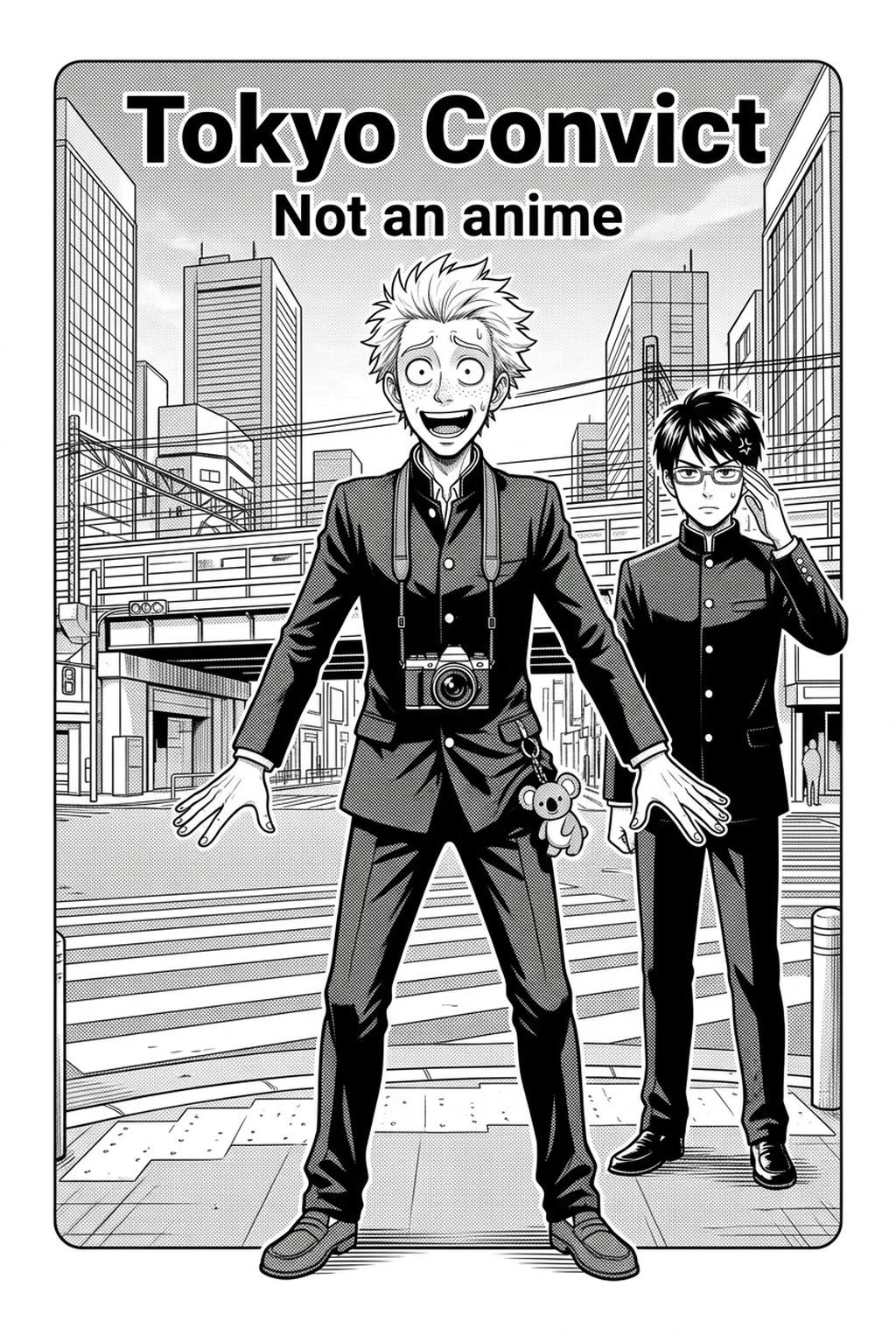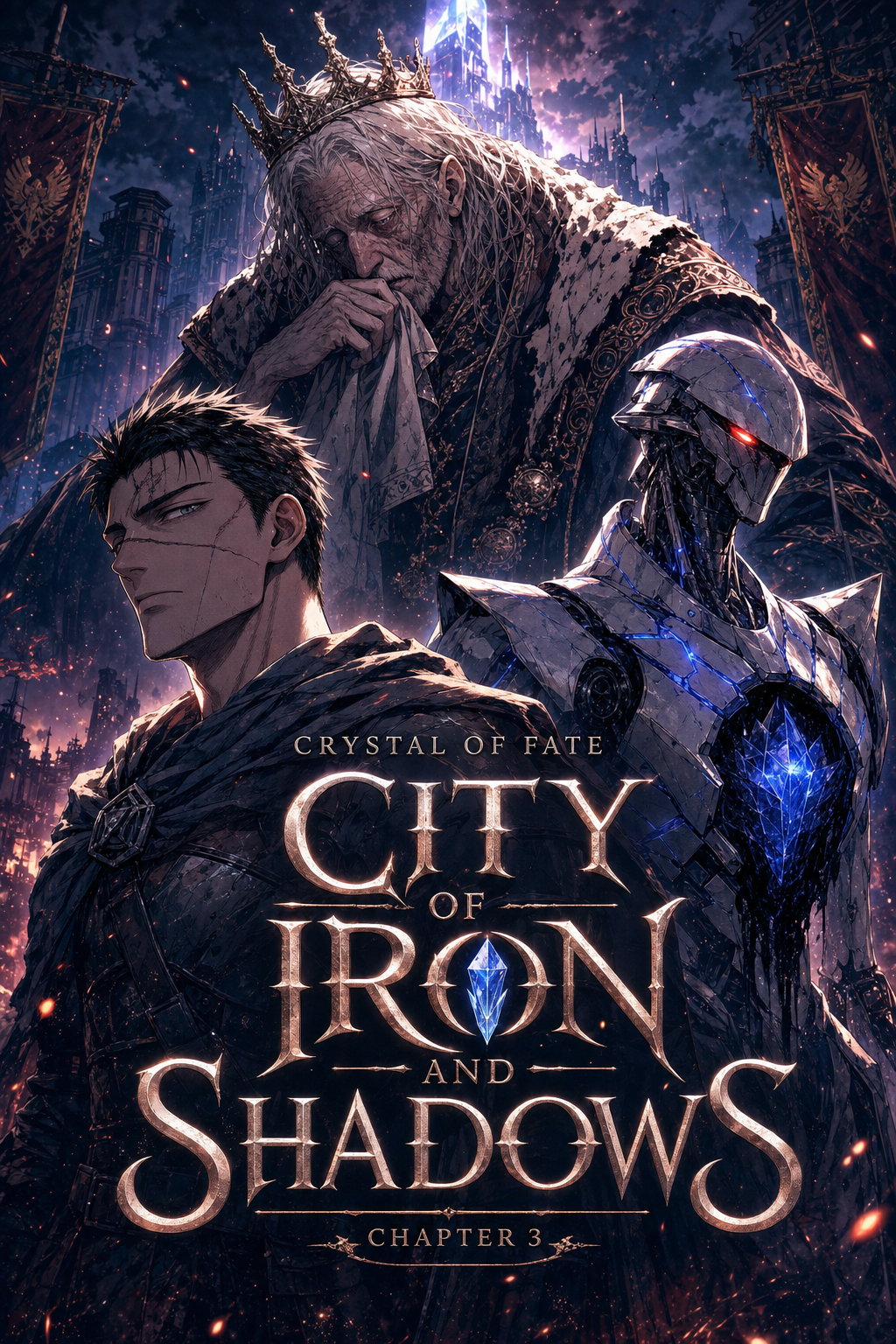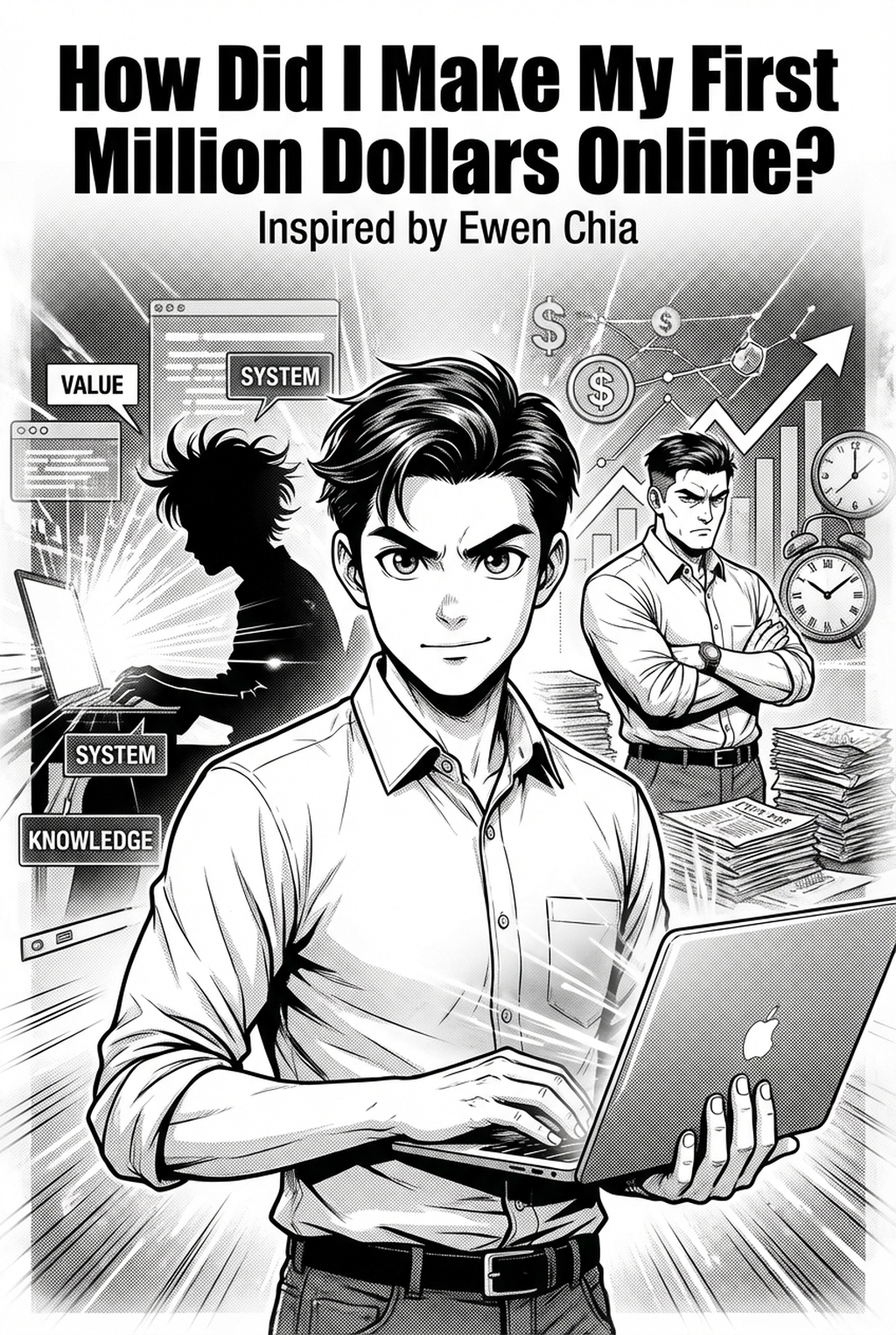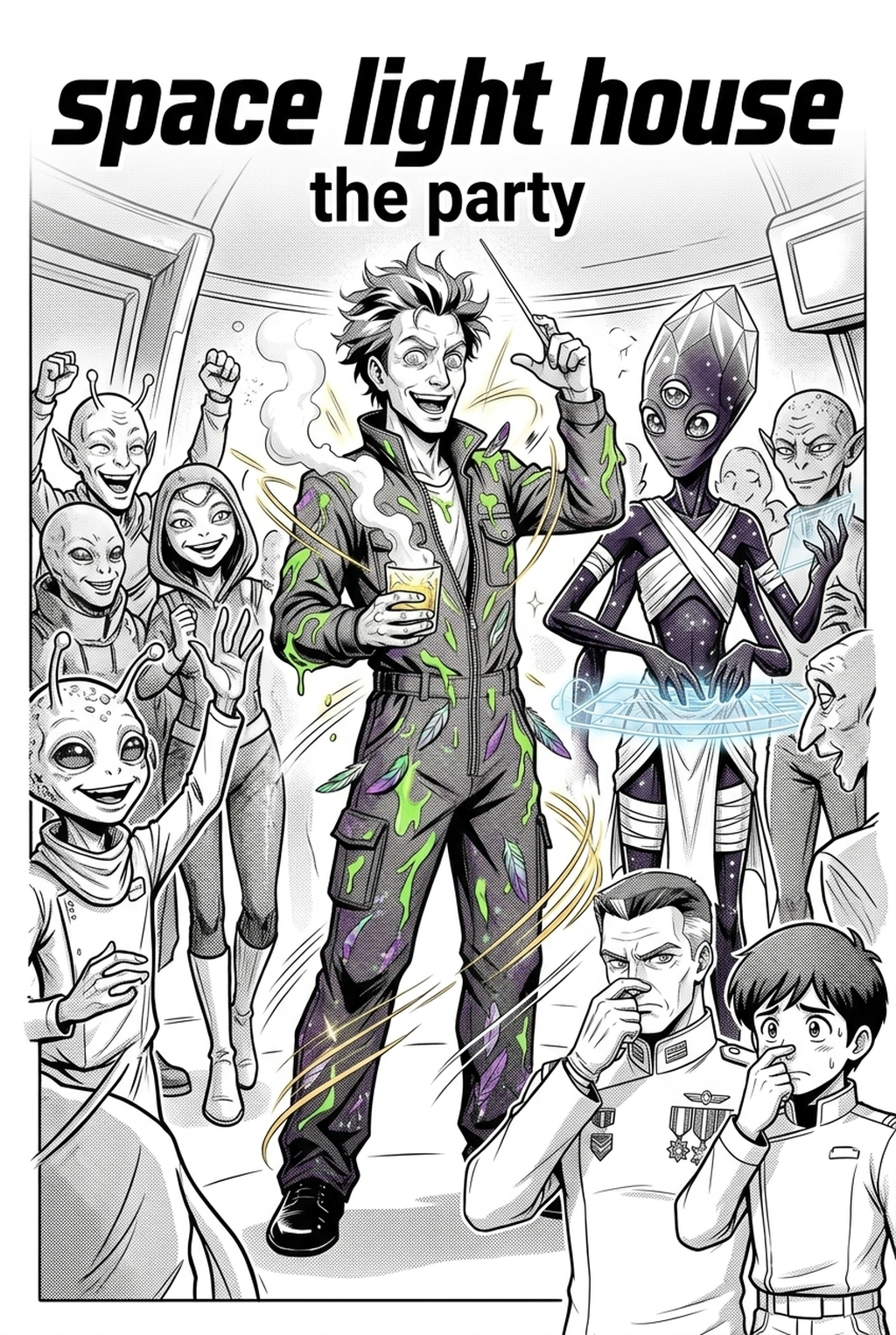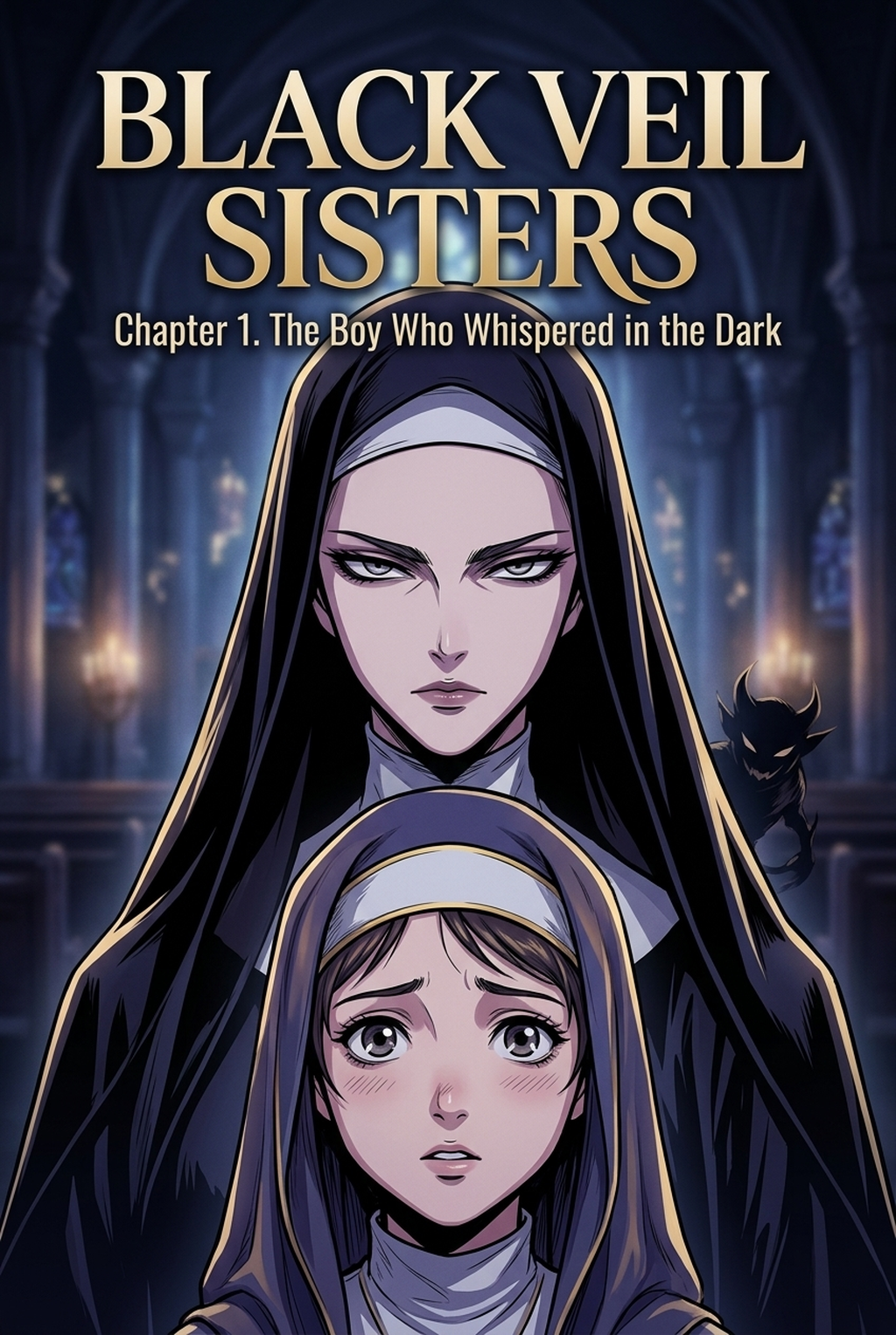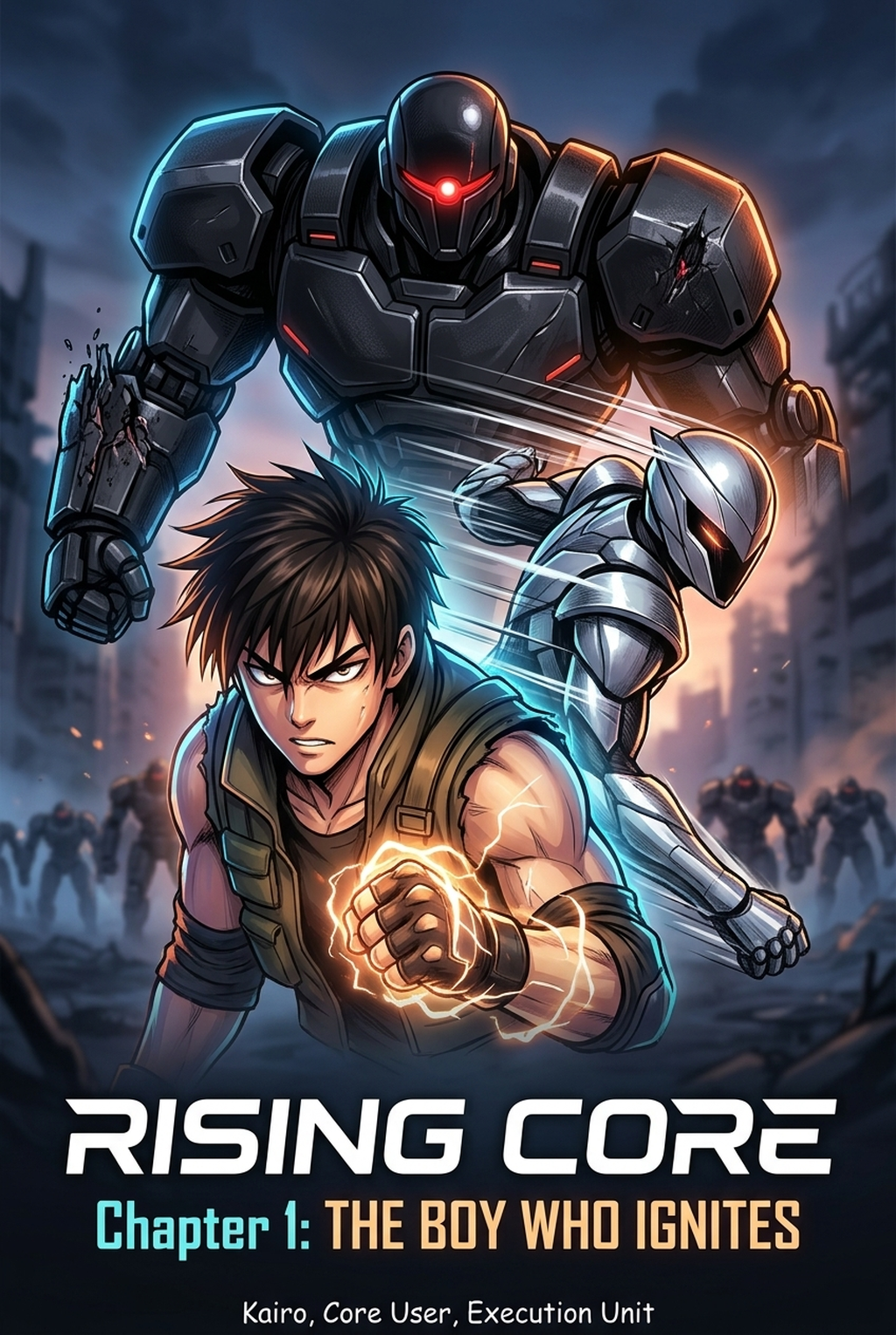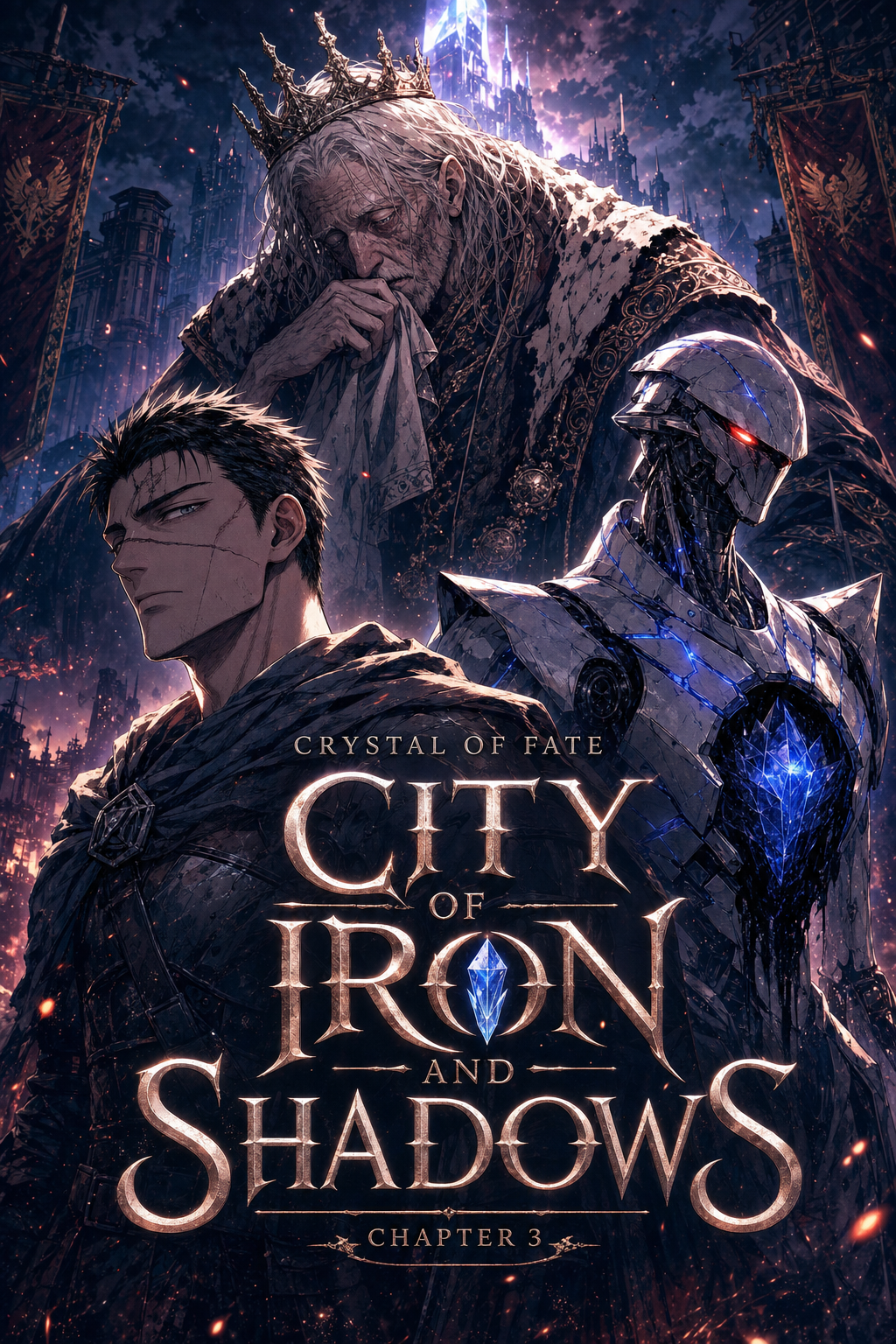
An AI Manga Storyboard Builder for Shonen manga places all 60-plus panels of a 16-page chapter before a single line of final art is drawn. Instead of thumbnailing every panel by hand and finding pacing problems at the inking stage, you approve a readable layout first and spend drawing time on what readers notice: impact frames, character acting, and color.
What Is AI Manga Storyboard Builder for Shonen Manga?
In practice, it is a pre-art layout tool that converts a written script into a panel-by-panel storyboard tuned to Shonen pacing. It does not start with drawing. It starts with story structure, deciding how many panels each beat earns, where the page turns land, and which moments get the full splash treatment that Shonen readers expect.
The core capability is narrative-first arrangement: the tool auto-arranges panels for narrative flow before art is generated, so the chapter reads as a sequence of story beats. Around that core sit the features creators check: beat-to-panel mapping for establishing shots, dialogue, action beats, and impact splashes; consistency locks that hold faces, costumes, and proportions steady; and reserved speech-bubble space so dialogue never covers key art. For Color vertical comic platforms output, the same logic adapts to vertical scroll, spacing panels and reveals for phone reading instead of print page turns.
Why AI Manga Storyboard Builder Matters for Shonen in 2026
It matters because Shonen is the most panel-hungry genre an indie creator can attempt, and storyboarding is exactly where most solo projects stall. The expensive failure mode is late discovery: pacing problems found at the inking stage mean redrawing finished work, which can erase a solo creator's whole week. Action sequences suffer most, where a mistimed impact frame breaks the chapter's momentum.
A storyboard builder moves the revision point to the cheapest stage of production. Because panels are auto-arranged for narrative flow before art is generated, you review and reshuffle thumbnails in minutes, lock the pacing you want, and only then commit drawing effort, which is what keeps weekly-style indie schedules shippable.
How AI Manga Storyboard Builder Works for Shonen in Color Vertical Comic Platforms
You feed the tool story, and it returns a structured visual plan your art can follow. The production process runs the same way whether you write full scripts or loose scene notes. This keeps the review focused on story intent, line weight, panel readability, and the export quality behind the final AI Manga Storyboard Builder output.
- Script and beat input: Paste dialogue with scene directions or upload your source file; the builder parses it into beats: setup, rising tension, clash, cliffhanger.
- Beat-to-panel mapping: Each beat gets panel types and counts: four dialogue panels for a planning scene, a full impact splash for a finishing move.
- Narrative flow arrangement: Panels are sequenced for cause and effect, so a punch lands after its wind-up. You can run the whole production process inside AI Manga Storyboard Builder for Shonen manga , which keeps every panel editable until you lock the layout.
- Consistency pass: Character designs, costumes, and proportions lock across panels, with speech-bubble space reserved before art fills the frame.
- Color vertical comic platforms export: The locked storyboard converts to a vertical-scroll layout with pacing tuned for phone reading, ready for color art.
Quality control still belongs to you. Scan for character-proportion drift across long chapters, confirm costume continuity through transformation states, and check that no speech bubble covers a face or impact frame. One revision pass at thumbnail stage prevents nearly all expensive redraws.
Use Cases for AI Manga Storyboard Builder
Shonen creators reach for a storyboard builder wherever panel count and pacing decide chapter quality. The four scenarios below cover the workflows indie teams use most, from weekly sprints to contest entries. Creators can use each revision decision to clarify panel readability, character consistency, and export quality before publishing or sharing.
- Weekly chapter sprint: Storyboard a 16-page chapter on Monday, lock pacing by Tuesday, and spend the rest of the week on final art instead of re-thumbnailing. - Tournament arc choreography: Bracket fights need strict cause-and-effect paneling so every hit and comeback reads clearly. The builder sequences the exchange before art commits you to a layout. - Contest one-shot: A 45-page one-shot entry gets professional pacing structure, with the hook on page one and the twist timed to a page turn, without weeks of thumbnail iteration. - vertical comic platforms vertical conversion: Re-flow a print-layout chapter into vertical scroll, with reveals re-timed for swipe reading while story beats stay intact.
Step-By-Step Guide to Start with Mangaka
Mangaka is a self-serve web product: three steps and you have downloadable storyboarded pages. That extra context helps the reader connect the creative choice to character consistency, composition, speech-bubble space, and final file format. App. The free trial needs no credit card, and you can start building immediately. - Paste your script: Paste your dialogue and scene directions directly, or upload your source file. The builder parses it into story beats on its own.
- Generate and download: Generate your manga page with panels arranged for narrative flow, review the storyboard, and download the result when the pacing reads right.
- Before Export. Creators should compare the generated line art with the original sketch and confirm that facial expressions, props, speed lines, and speech-bubble space still support the scene. A repeatable review pass should cover character consistency, panel readability, background clarity, and whether the final file is ready for coloring, lettering, or editor feedback.
- For Longer Projects. Creators should save approved examples of line weight, face detail, clothing folds, and background density. Those references keep later chapters closer to the intended style. For collaboration, creators should mark which panels are final and which panels still need redraws. Clear status labels prevent an assistant, editor, or colorist from polishing the wrong version.
- For Publishing. Creators should review the page at the actual reading size before export. Small screens expose crowded dialogue, weak silhouettes, and line details that looked fine while zoomed in. For manga creators, the practical value comes from reducing redraw loops before the artwork reaches a reader-facing page or reusable asset.
The Bottom Line
A Shonen chapter lives or dies on panel pacing, and pacing is cheapest to fix before art exists. An creator workflow gives indie creators that early, editable layout stage: panels arranged for narrative flow and characters held consistent before drawing begins. Start your next chapter with structure instead of blank thumbnails and AI Manga Storyboard Builder for Shonen manga .
Related articles
Manga Storyboard Guide: Master Narrative Pacing Fast in 2026
Mastering the Manga Storyboard: A Guide to Visual Pacing
Create Professional Manga Storyboards Fast with AI in 2026