AI Manga Storyboard Builder: The Foundation of Visual Pacing
A storyboard functions as your blueprint, dictating the emotional arc through the spatial distribution of panels across a page. It moves beyond simple sketches to establish the "reading rhythm," which is the critical speed at which a reader moves from the top-right corner to the bottom-left.
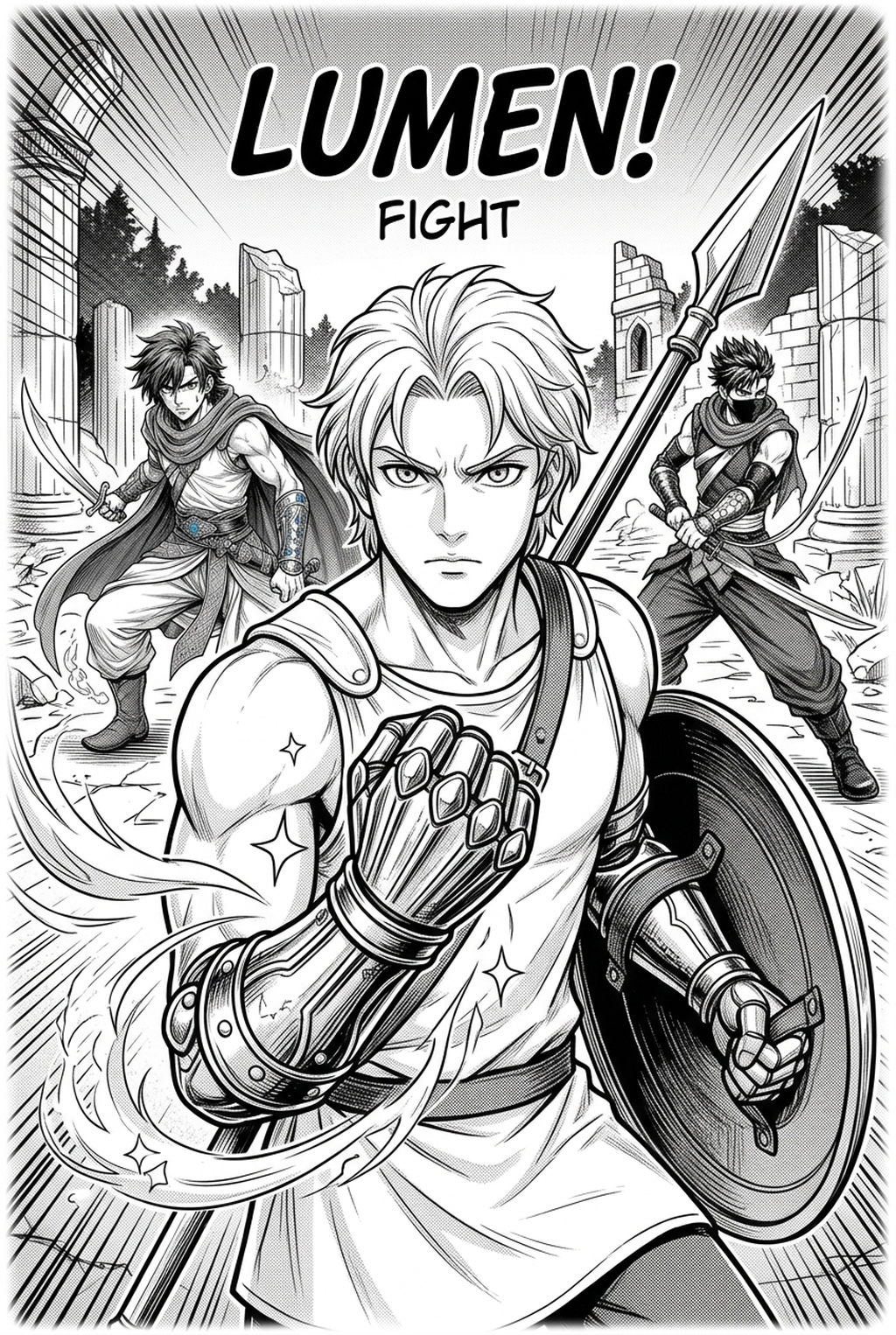
Creators must avoid the trap of using uniform panel sizes for every beat, as this flattens the emotional experience of the reader. * Large Impact Spreads: Essential for Shonen action scenes, these demand 50% or more of the total page area to convey the kinetic energy of a combat sequence. * Tight Dialogue Grids: Smaller, high-frequency panels effectively compress time, forcing the reader to linger on subtle facial shifts in Seinen character dramas. * Vertical Pacing Shifts: Strategic use of bleed panels that break the standard gutter boundary forces the eye to stop, signaling a shift from routine narrative to a major plot revelation.
Without a clear structural plan, readers often lose their place in complex, dialogue-heavy scenes. You should prioritize "negative space" as a tool for tension; silent, breath-focused panels allow the reader to process emotional weight without the clutter of excessive line art. A common mistake is filling every panel with intricate details early, which makes it nearly impossible to adjust the pacing once you realize a scene feels rushed or repetitive.
Why Structure Drives Narrative Flow
Effective page construction ensures that your composition supports the script rather than competing with it for the reader’s attention. When your gutter logic is sound, the eye flows naturally across the page, regardless of the complexity of the art style or the density of the dialogue.
Clutter usually arises when the panel borders do not adequately guide the eye through the intended sequence of speech bubbles. By keeping your layout abstract at this stage, you maintain the ability to "test" the pacing by simply resizing or moving an entire panel block. If a page requires more than seven panels to convey a standard transition, the flow is likely too fragmented and should be simplified to preserve narrative momentum.
How Mangaka Automates Your Layout
Mangaka removes the technical burden of grid construction by calculating optimal framing based on your specific narrative intensity input. Instead of spending hours manually measuring bleed lines or ensuring symmetrical gutters, you can manga storyboard with Mangaka by defining the emotional weight of each scene. Structural Logic Advantages.
The tool handles the complex math of the 'golden ratio' and professional industry standard margins automatically. This allows you to focus on artistic direction while the system ensures your panels meet the following production requirements:
- Narrative Flow: Ensures that high-intensity sequences receive large-scale panel real estate automatically. * Consistency: Maintains fixed gutter widths across the entire page, which prevents the "confusion trap" where a reader skips a panel because the spacing is ambiguous. * Art-Ready Export: Generates clean, high-fidelity guides that serve as the perfect underlay for your final inking and tone work, preventing line-weight drift.
Strategic Use Cases for Layout Planning
You should adopt an abstract-first approach to avoid the common beginner mistake of over-detailing early sketches. By treating the storyboard as a non-final phase, you retain the flexibility to swap the order of events if the pacing does not feel "right" during your internal review pass.
- Action Sequences: Use the AI to generate long, diagonal panel cuts that mimic the force of impact, rather than using static square frames. * Psychological Dramas: Lean into wide, horizontal panels that emphasize environmental scale or character isolation within a room. * Review Efficiency: If a panel feels sluggish in the storyboard phase, you can collapse or delete it immediately without needing to discard finished line art or color work.
Getting Started with Professional Tools
Integrating modern layout builders into your workflow requires shifting your focus from individual drawing techniques to overall composition strategy. You do not need to be an expert in complex geometry; the software handles the structural logic of professional print and digital standards.
- Print vs. Digital: A robust layout uses modular framing that adapts to various trim sizes and bleed requirements, ensuring your work looks professional whether it is on a screen or paper. * One-Shot Pacing: Even short stories require a logical progression to deliver an emotional punch within a limited page count, making a structural plan essential for even the simplest scripts. * Tooling Benefits: By automating the mundane aspects of panel placement, you reclaim hours of production time that can be better spent on final art polishing and dialogue refinement.
Creators should compare the generated line art with the original sketch and confirm that facial expressions, props, speed lines, and speech-bubble space still support the scene. A repeatable review pass should cover character consistency, panel readability, background clarity, and whether the final file is ready for coloring, lettering, or editor feedback. For longer projects, creators should save approved examples of line weight, face detail, clothing folds, and background density. Those references keep later chapters closer to the intended style.
The Bottom Line
Mastering your page layout is the most effective way to ensure your story reaches the reader with the intended emotional force. By leveraging manga storyboard to define your narrative rhythm early, you prevent common production failures and set a strong foundation for your final art. Start your next project by building a clear structural storyboard that prioritizes reader flow, ensuring every panel serves the greater trajectory of your manga.
Related articles
Create Professional Manga Storyboards Fast with AI in 2026
Mastering the Shonen Action Storyboard: A 2026 Guide
Mastering Mermaid Manga Art Style: A Beginner's Guide 2026