Understanding the Logic of AI Manga Character Designer
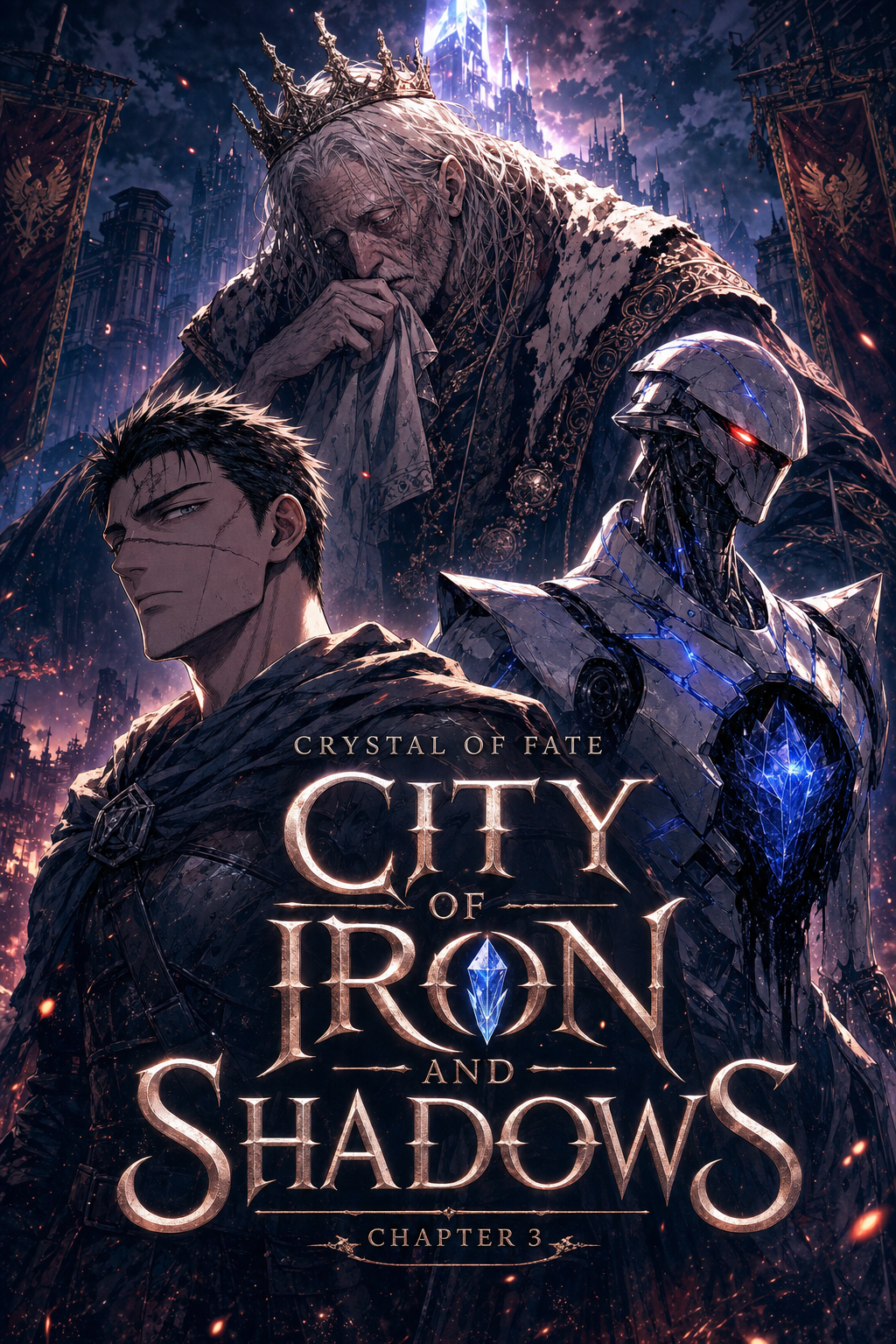
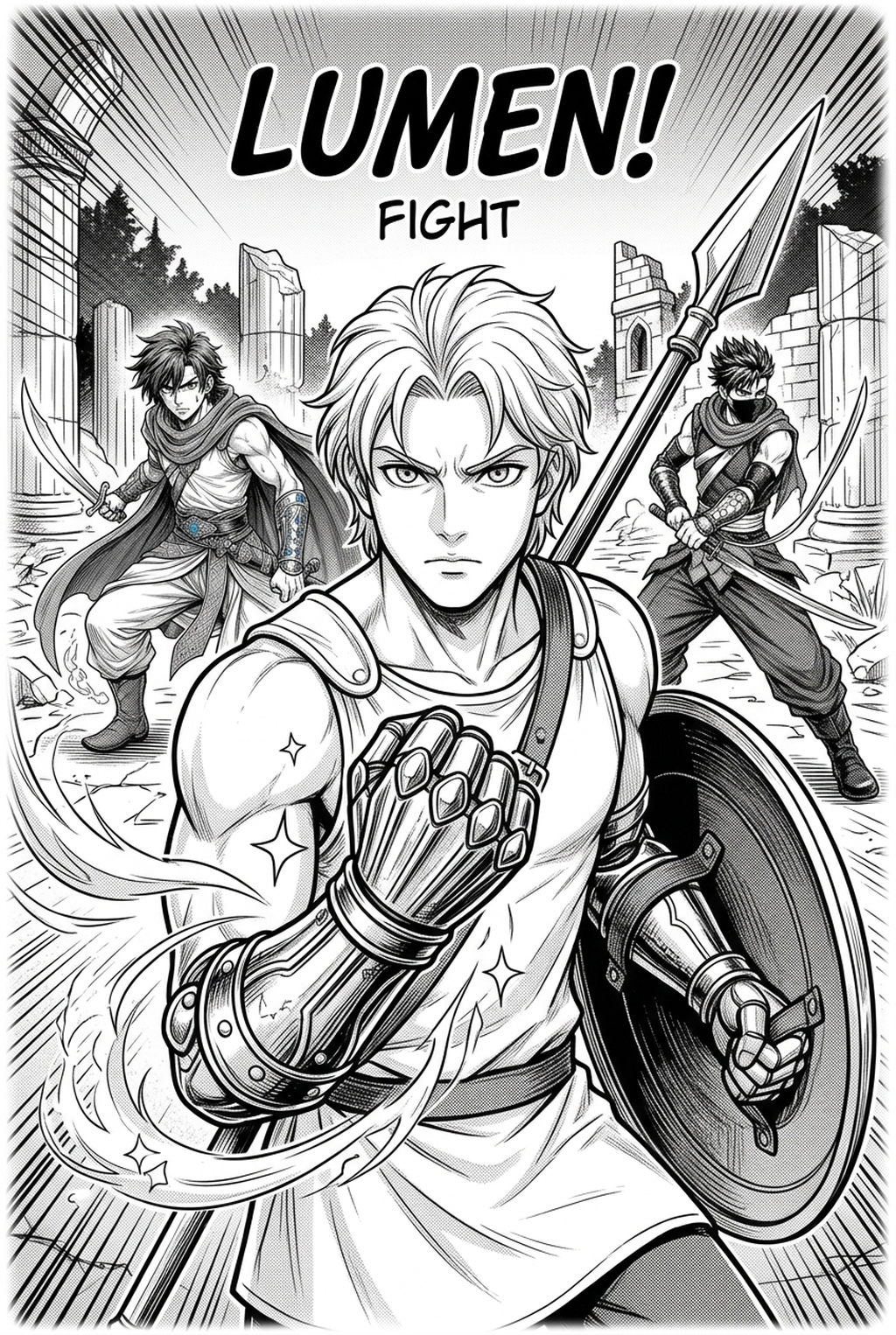
The core of this aesthetic lies in the strategic use of high-contrast shapes that ensure a character remains instantly recognizable even in a densely packed fighting scene. Masashi Kishimoto famously utilized distinct color palettes and localized accessory motifs to differentiate characters, turning a simple headband or a back-mounted weapon into a narrative shorthand for that character’s village, rank, and personal history.
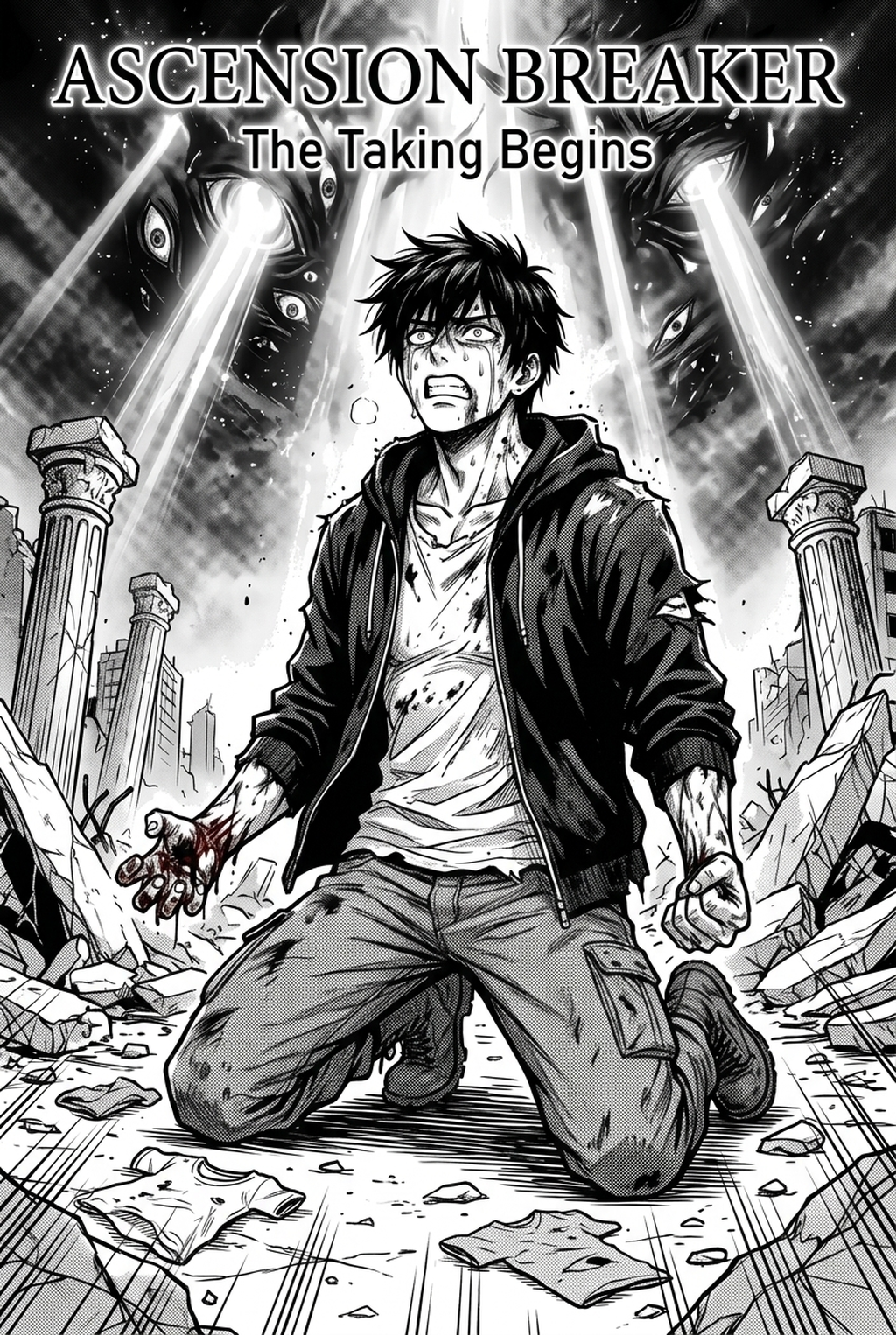
Instead of relying on complex gradients, this design language uses fluid, energetic line work to convey motion. By prioritizing narrative energy over anatomical realism, you keep the focus on the intensity of the scene, which is exactly why this approach has remained the gold standard for Shonen manga production for decades.
Why This Design Discipline Matters for Modern Creators
Model drift represents the primary threat to reader immersion in any long-form series, as shifting features make it difficult for an audience to track key narrative developments. When a character’s tactical vest design or weapon holster placement changes accidentally between pages, the reader is subconsciously pulled out of the story, as the visual "source context" has been broken.
Consistency acts as your ultimate time-saver, allowing you to focus your energy on panel pacing rather than redesigning key features during the final inking pass. By establishing a professional-grade reference bank early, you prevent logical errors in sequential art and ensure that your characters possess the same volumetric stability on page fifty as they did on page one.
How Your Production Workflow Evolves with Mangaka
Creators today leverage AI tools like Naruto manga character design with Mangaka to generate consistent character reference banks that act as an automated safety net against the risks of model drift. By feeding specific, text-based descriptions—such as "spiked silver hair, standard village headband, open-collared tactical vest"—into the system, you maintain the classic Shonen aesthetic while iterating on unique character archetypes that fit your specific story.
The primary benefit here is the ability to bridge the gap between initial, loose concept sketches and a final, polished character sheet without spending hours on manual clean-up. You get a reliable, repeatable output format that ensures your character's anatomy, weapon placement, and gear details remain identical across every page of your script, regardless of the angle or pose.
- Chapter cadence. Use the AI pass for pages where speed matters most, such as repeated action poses, transformation beats, or dense speed-line panels. Keep manual cleanup for hero panels where the line style defines the emotional peak.
- Character continuity. Compare the generated lines against the same model sheet, costume notes, and facial-expression range used during sketching. This prevents a fast inking pass from drifting away from the character identity readers recognize.
- Export readiness. Check whether the final manga output can move into lettering, coloring, or final layout without rebuilding panel borders or speech-bubble space. A good manga workflow should save time while keeping the next production step predictable.
Use Cases for Character Reference Documentation
Professional reference sheets must move beyond the basic concept sketch and include rigid front, side, and three-quarter view angles to ensure you maintain volumetric consistency. These views allow you to verify the placement of complex items like weapon holsters or signature markings, which are notoriously difficult to draw consistently from memory when you are deep into a 15-page chapter deadline.
- Expression Charts: Developing a standardized emotional chart ensures that your character’s reactions remain within their established personality range throughout the entire arc. * Accessory Breakdowns: By documenting every pouch and scroll position, you eliminate the risk of logical errors during high-action sequences where props might otherwise "vanish" or shift location. * Action Poses: Generate variants of your character in dynamic stances to understand how their clothing or hair reacts to extreme motion, providing a baseline for your final line art.
How to Get Started with Your Design
To keep characters consistent without drawing them from scratch, build a library of reference sheets generated by the tool to ensure absolute anatomical stability. " the answer is always found in the marriage of a distinguishable silhouette with specific, recurring signature accessories that provide instant narrative recognition.
You can use these AI functions as an iterative sandbox, which allows you to blend established tropes from your favorite genres with your own unique creative vision. Rather than starting from a blank page, you start from a confirmed set of visual parameters that you have already approved, which drastically reduces the time spent on corrective inking or tone adjustments later in your production.
- Before Export. Creators should compare the generated line art with the original sketch and confirm that facial expressions, props, speed lines, and speech-bubble space still support the scene. A repeatable review pass should cover character consistency, panel readability, background clarity, and whether the final file is ready for coloring, lettering, or editor feedback.
- For Longer Projects. Creators should save approved examples of line weight, face detail, clothing folds, and background density. Those references keep later chapters closer to the intended style. For collaboration, creators should mark which panels are final and which panels still need redraws. Clear status labels prevent an assistant, editor, or colorist from polishing the wrong version.
- For Publishing. Creators should review the page at the actual reading size before export. Small screens expose crowded dialogue, weak silhouettes, and line details that looked fine while zoomed in. For style control, creators should keep a short reference board beside the draft and compare hair shapes, eye details, costume folds, and texture choices before approving the final page.
The Bottom Line
Effective visual storytelling relies on the foundational logic of consistency, which allows the reader to focus entirely on your narrative beats rather than the visual errors in your draft. By integrating modern AI into your professional workflow, you can secure your character’s design, streamline your production time, and ensure that your, final export meets high-quality expectations. Start your journey toward perfectly consistent, professional-grade manga panels today by using the tools available at Naruto manga character design .
Related articles
Afro-Futurist Background Art: A Guide for Manga Creators
Manga Colorization: How to Color Pages While Saving Art 2026
Defining the Afro-Futurist Manga Art Style for Creators 2026