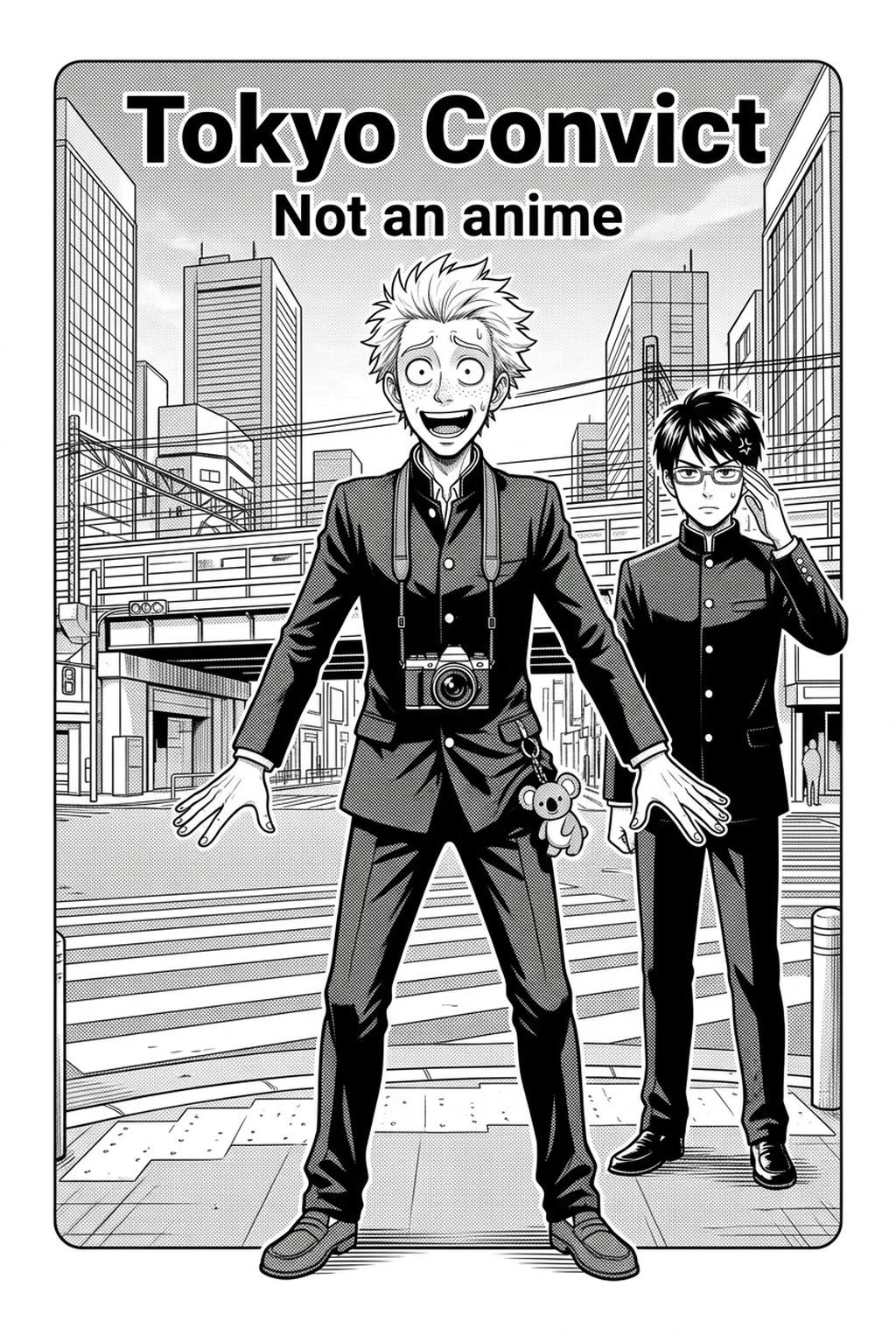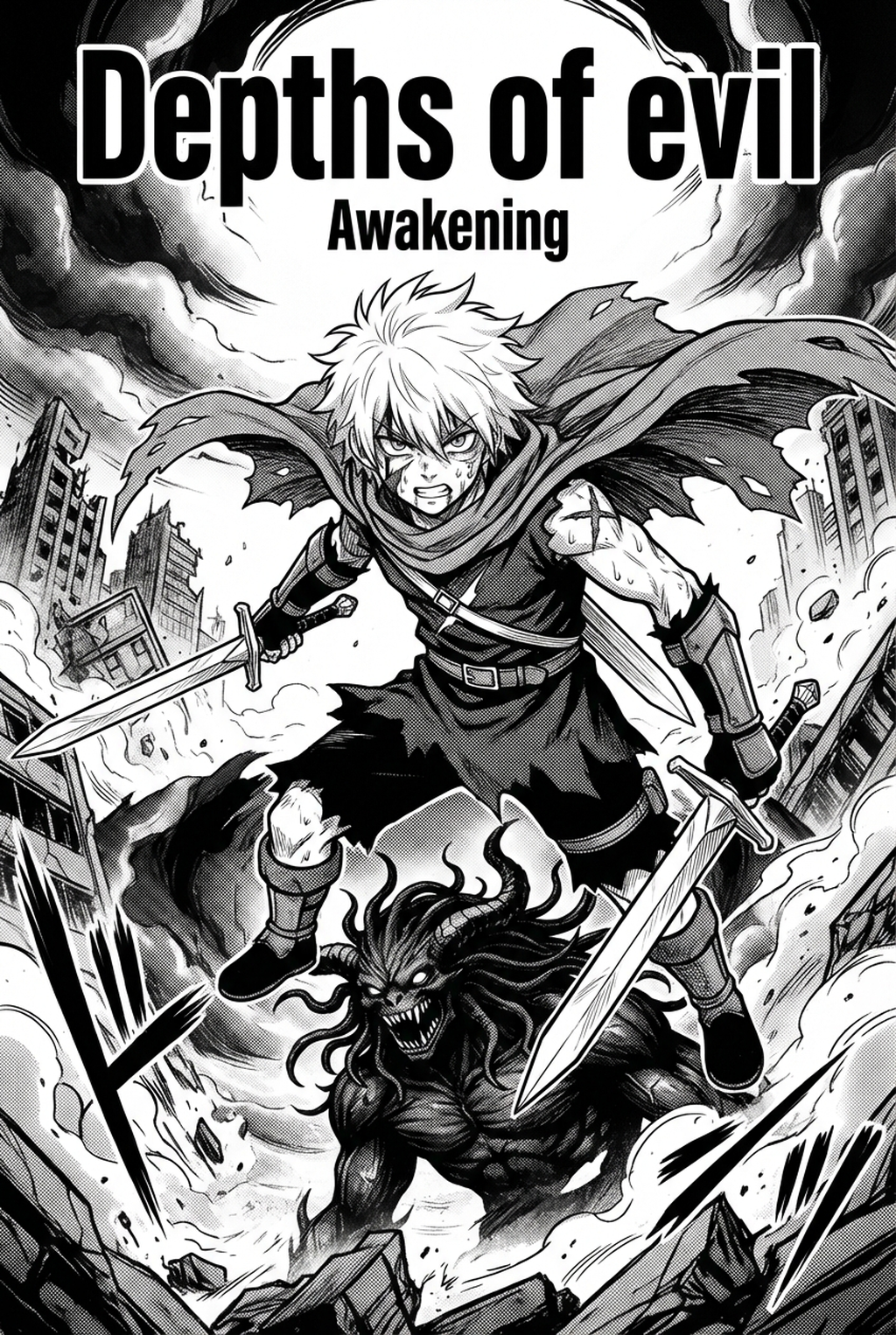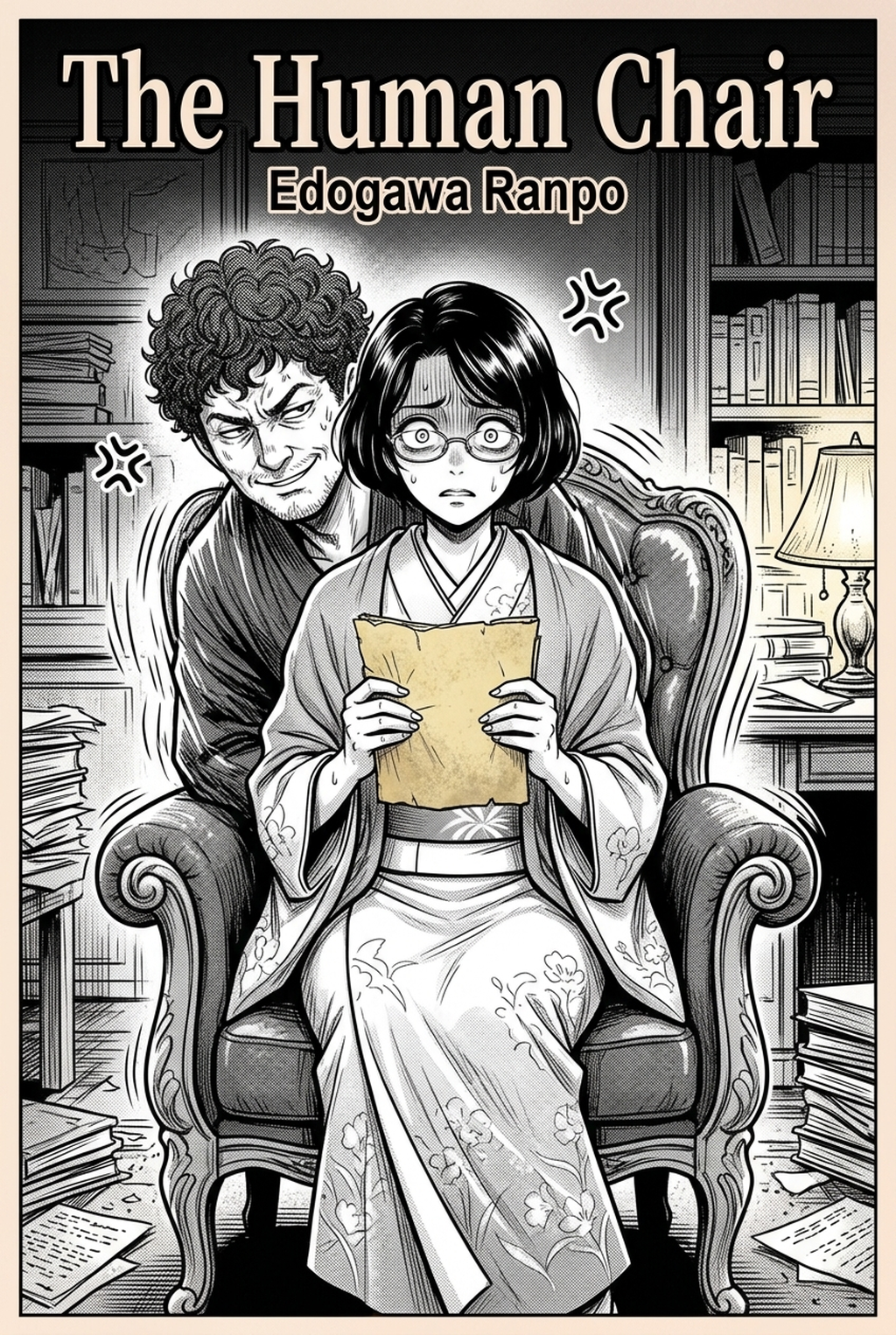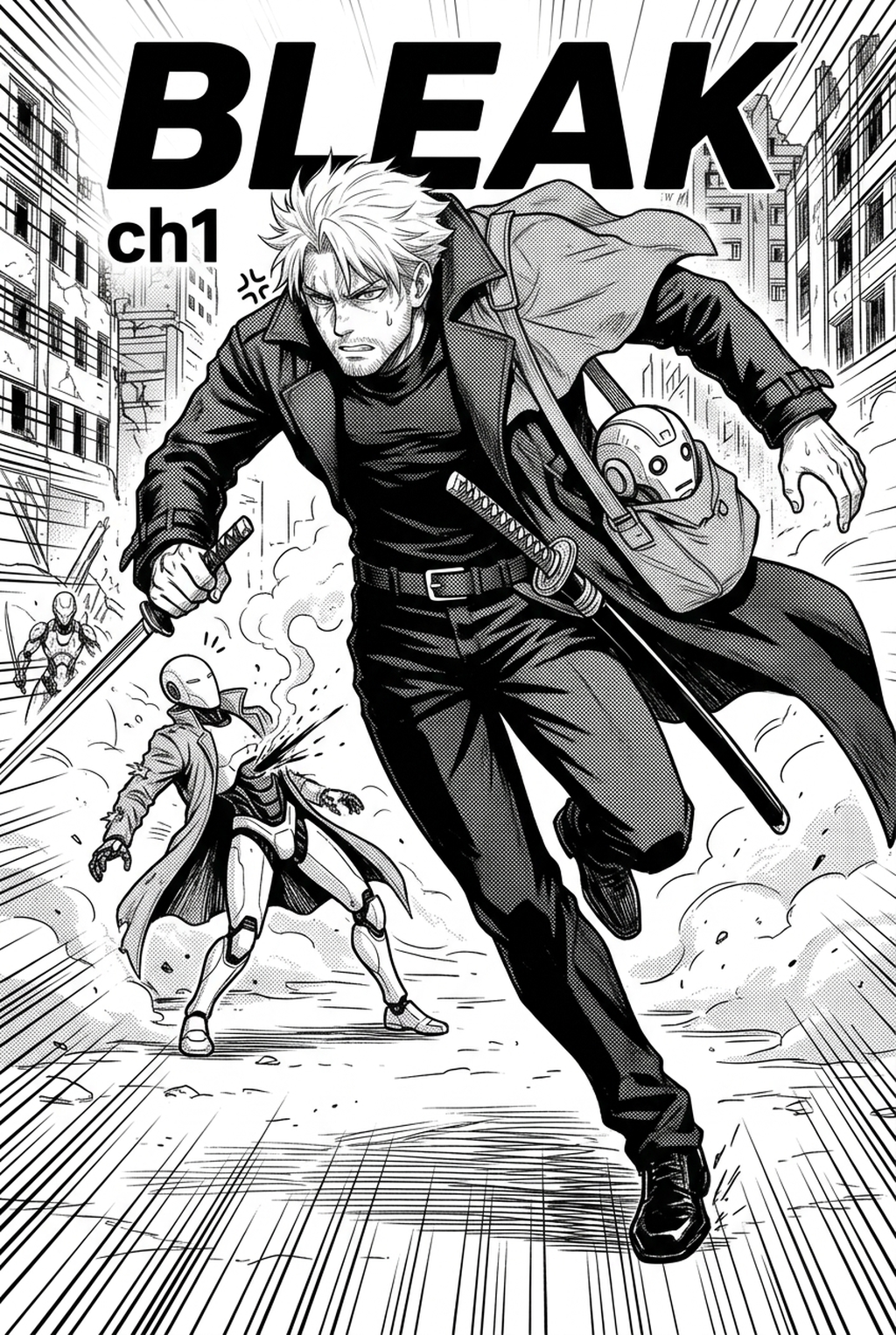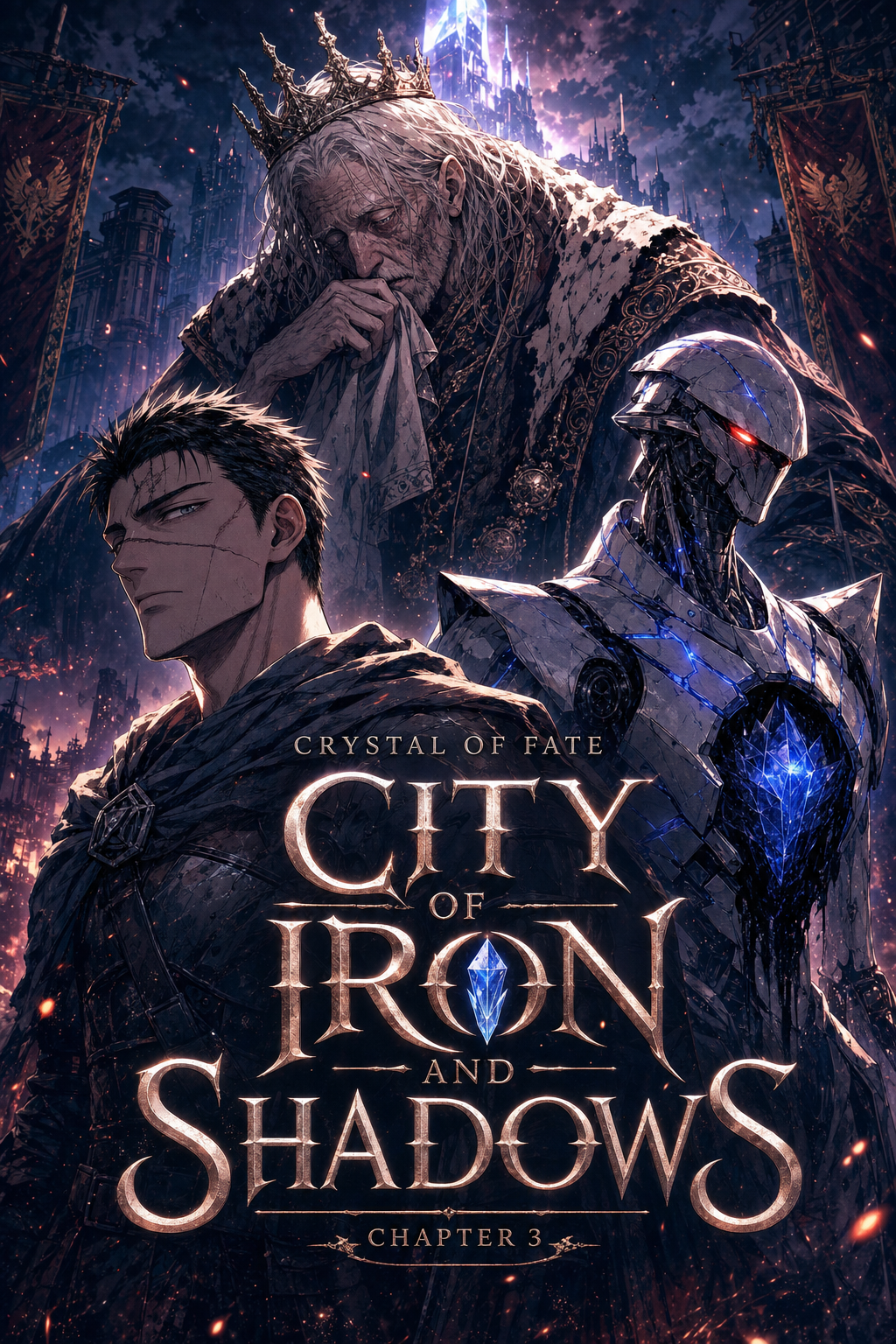
What Is Manga Colorization?
Manga colorization involves the application of digital pigments to ink-based panels, transforming grayscale artwork into full-color visual storytelling. By isolating your linework, this process breathes life into character designs and environmental backgrounds that would otherwise remain bound by traditional monochromatic ink constraints.
The process requires careful handling of line art to ensure that coloring layers do not obscure the artist's original pen pressure, shading, or cross-hatching details. If your ink settings utilize variable line weights for focus, the coloring pass must respect these boundaries rather than bleeding into the whitespace of your page gutter.
Modern workflows prioritize non-destructive layers that allow for revision without degrading the underlying source context of the raw scan or digital draft. By keeping your color work in separate, stacked layers above the background and below the ink, you maintain the ability to adjust mid-tones or correct skin values even after a project has progressed to the final lettering stage.
Why AI Manga Colorist Matters for Manga Creators
Full color significantly boosts engagement on digital platforms, as color-rich panels tend to perform better in vertical comic platforms-style vertical reading formats. Readers often connect more deeply with character-driven arcs when color schemes reinforce emotional states or temporal shifts within the story.
Colorization allows creators to establish a distinct brand identity by using color-coded themes that define character arcs, atmosphere, and environmental storytelling. When you consistently apply specific palettes to distinct factions or locations, you provide visual cues that help readers navigate complex world-building without needing extra dialogue.
High-quality colorization creates a professional 'read-to-sell' package that attracts digital distribution partners who prioritize color-first reading experiences. Platforms often place color-finished projects in higher-visibility tiers, as these pages meet the standard expected by audiences accustomed to full-color vertical comic platforms scroll-formats.
Check character consistency, panel readability, line quality, and export readiness before publishing. Creators should also record why the page passed review, which panel details still need manual cleanup, and which export format the next collaborator will use. That makes the subsection useful instead of leaving a short checklist under a large heading.
How Manga Colorization Works with Mangaka
Mangaka uses deep learning to distinguish between the artist’s source context and the areas intended for fill, preventing the common issue of blurred edges found in standard bucket-fill tools. This intelligent separation identifies the boundary between skin, hair, and clothing even when your ink work contains intricate textures or broken lines.
AI systems identify specific regions like hair, clothing, and background elements, applying localized color palettes automatically based on learned artistic standards. By accurately segmenting these regions, the platform allows you to focus on global composition rather than tedious pixel-by-pixel mask creation.
Unlike manual bucket-fills, AI-assisted tools dynamically adjust saturation based on light sources, ensuring the delivery format looks consistent across complex character poses. If your scene shifts from a bright outdoor environment to a dim, moody interior, the tool recalibrates the base hue to match the narrative tone while keeping your original inks crisp.
Use Cases for AI Manga Colorist
Standardize your color terminology and palettes early in the project to maintain consistency across hundreds of panels throughout a series. Failing to define base values for armor, eyes, or clothing early on often leads to 'color creep' where characters appear slightly different in every chapter.
The review owner of the project should establish a style guide that defines how skin tones and background values shift according to narrative time of day. This document acts as your reference point for every color pass, ensuring that if you return to a panel weeks later, the output matches your established series aesthetic.
Leverage automated color-masking to handle high-volume panel creation while reserving human-led finishing touches for pivotal 'hero panels'. This hybrid strategy maximizes output speed for standard dialogue panels while allocating your limited time to high-impact artistic moments like action sequences or dramatic character reveals.
How to Get Started with Mangaka
Users can upload their existing B&W line art directly into the manga colorization platform to initiate the intelligent coloring process. The system reads the high-contrast data to build an internal map of your panel elements, allowing you to influence the final output with specific creative briefs regarding mood and lighting.
The tool allows for fine-tuning of the final output, giving creators control over color intensity and shading styles while preserving the original ink layers. You can adjust the opacity of the color fill or request a different lighting temperature to ensure the final image aligns with your exact vision for the page.
To achieve the best results, ensure your source files adhere to these technical standards:
- Resolution: 300 DPI or higher prevents pixelation during the AI analysis phase. * Format: PNG or TIFF files with high-contrast, clean lines provide the best source context. * Transparency: Clear backgrounds help the system identify the separation between characters and environmental layers.
Creators should compare the generated line art with the original sketch and confirm that facial expressions, props, speed lines, and speech-bubble space still support the scene. This keeps the review focused on story intent, line weight, panel readability, and the export quality behind the final AI Manga Colorist output.
The Bottom Line
creator workflow is part of the production decision reserved for large studios but an accessible technique for independent creators using AI tools. By automating the time-consuming aspects of flatting and shading, you can dedicate more time to storytelling and panel composition. Embrace the transition to digital color to meet modern audience demands while keeping your unique artistic voice front and center, so visit manga colorization to upload your first panel and see how the AI handles complex line work.
Related articles
Defining the Afro-Futurist Manga Art Style for Creators 2026
Mastering Marvel Manga Character Design: A 2026 Guide
Manga Colorization: A Guide to AI-Powered Coloring in 2026