Core Principles of Visual Identity
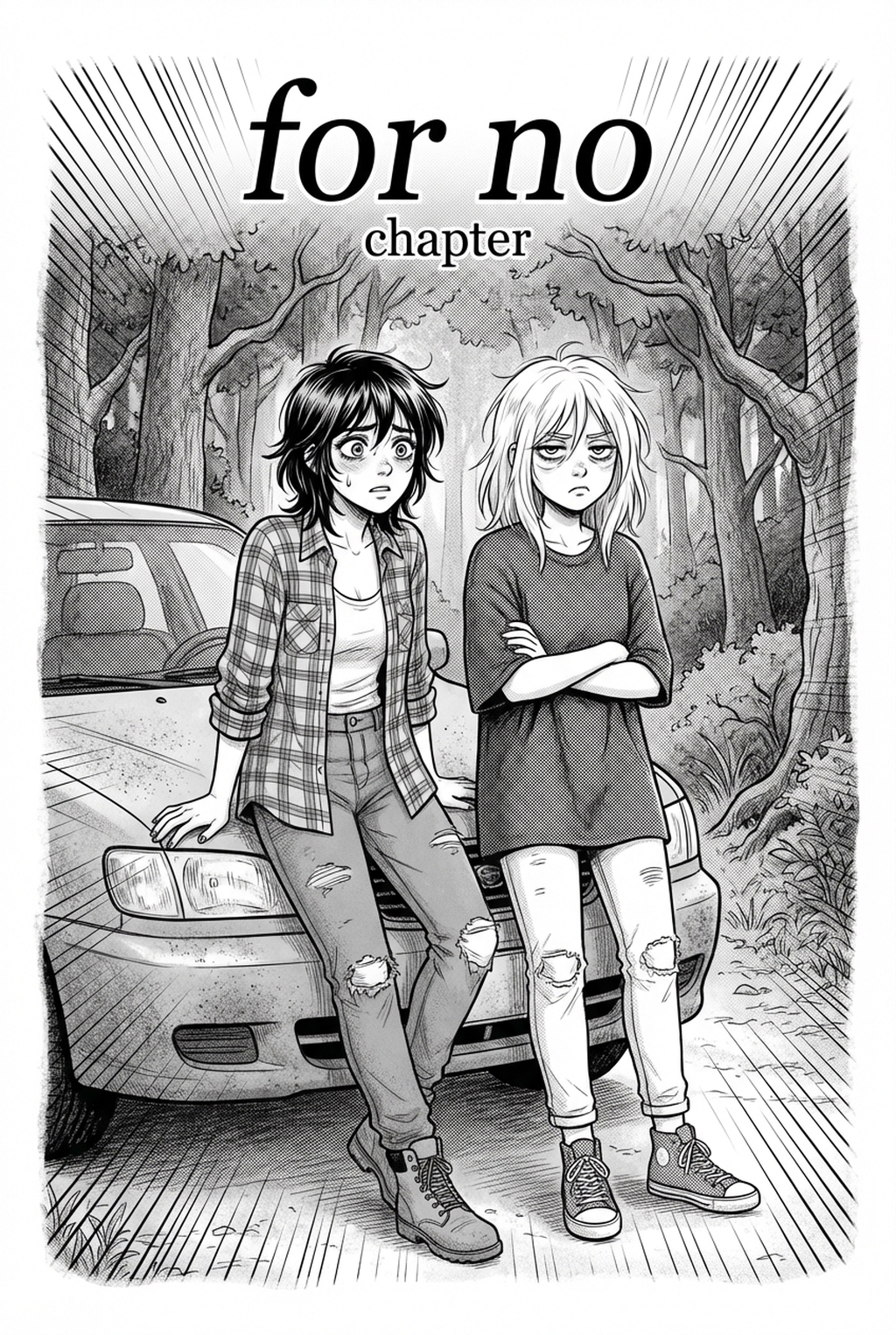
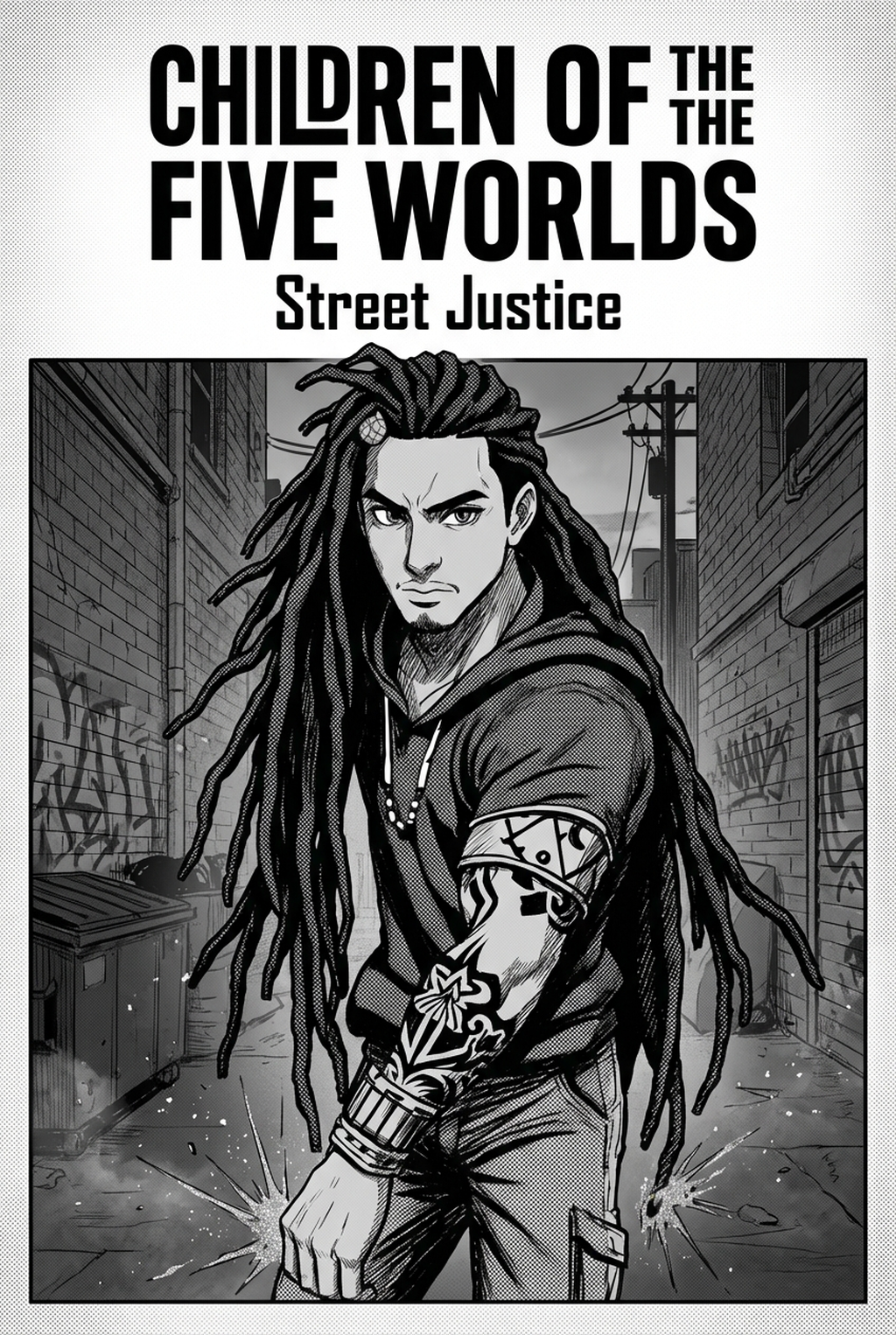
Strong manga character design relies on 'readable' silhouettes and distinct visual markers that allow readers to identify the character instantly, even in fast-paced action sequences. A professional-grade turnaround sheet must provide at least three distinct angles—front, three-quarter, and side—to ensure your inking team or AI process preserves the integrity of signature weapons, unique scar placements, and complex armor plates.
- Silhouette Utility: If a character’s silhouette is not recognizable at 20% scale, the design lacks the necessary visual contrast to function in crowded action panels. * Expression Range: Consistent facial design depends on anchoring specific emotive shapes, such as the placement of tear ducts or the slope of the brow, during high-impact emotional beats. * Archetype Logic: Shonen character design often leans into exaggerated, kinetic features to convey youthful energy, whereas Seinen archetypes prioritize subtle shifts in anatomy to reflect cynicism or aging.
Necessity of Model Consistency
Creating a 'source context'—a singular reference sheet that defines the character's base proportions—is the only way to avoid aesthetic fatigue as your page count climbs. Managing a serialized project without a master model inevitably leads to shifting eye widths, incorrect limb lengths, or lost detail in secondary accessories, all of which break the reader's suspension of disbelief.
- The Review Owner Workflow: Every new page must undergo a cross-check against the original master file, specifically looking for changes in line-weight density or unintended deviations in height-to-head ratios. * Terminology Adherence: Establish strict, internal nomenclature for every costume component, ensuring that armor plating or equipment straps never change position between chapters. * Proportion Maintenance: Use a standardized grid for all character panels to verify that base anatomy remains unchanged, even when the perspective becomes highly distorted during combat sequences.
Integration via AI Tools
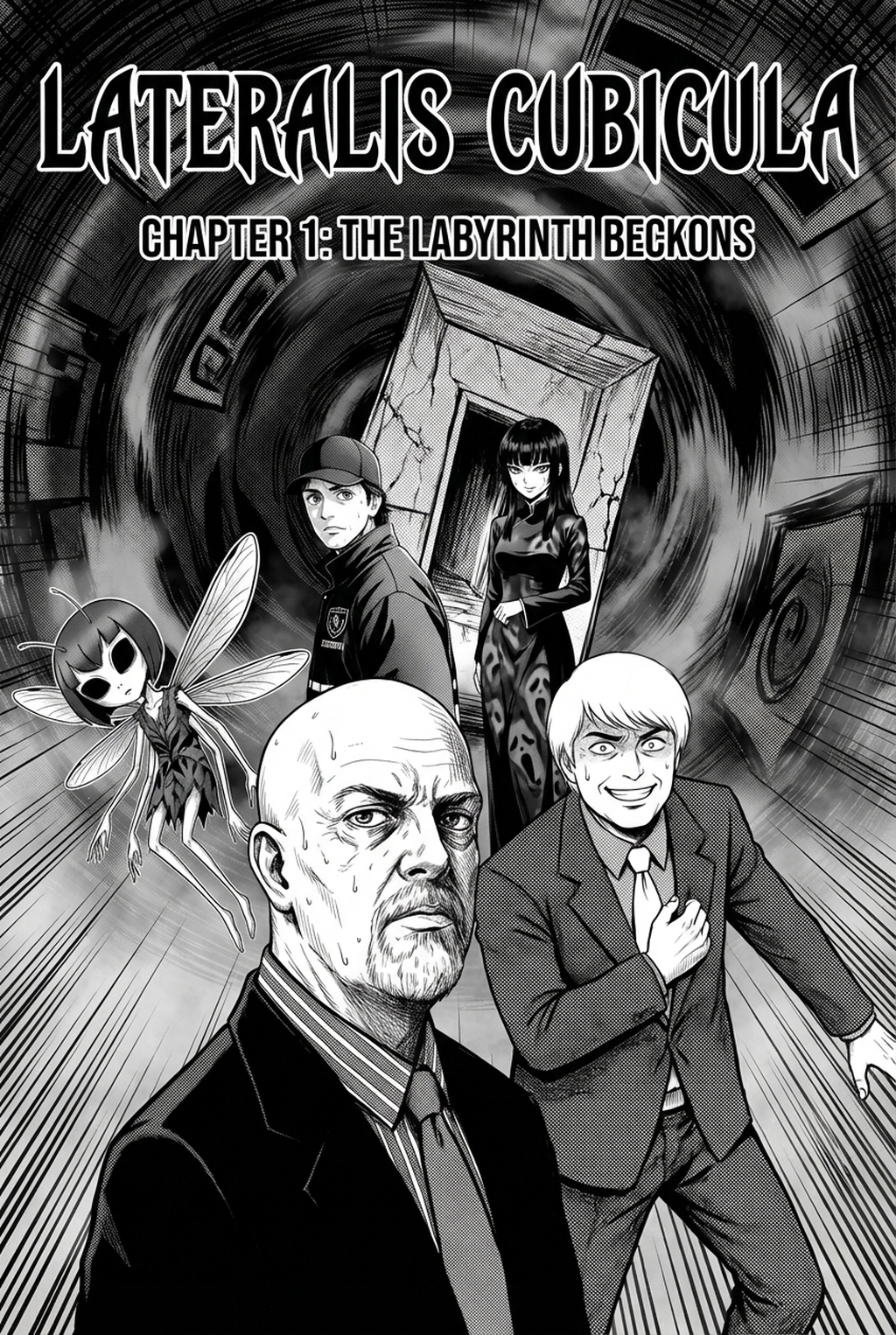
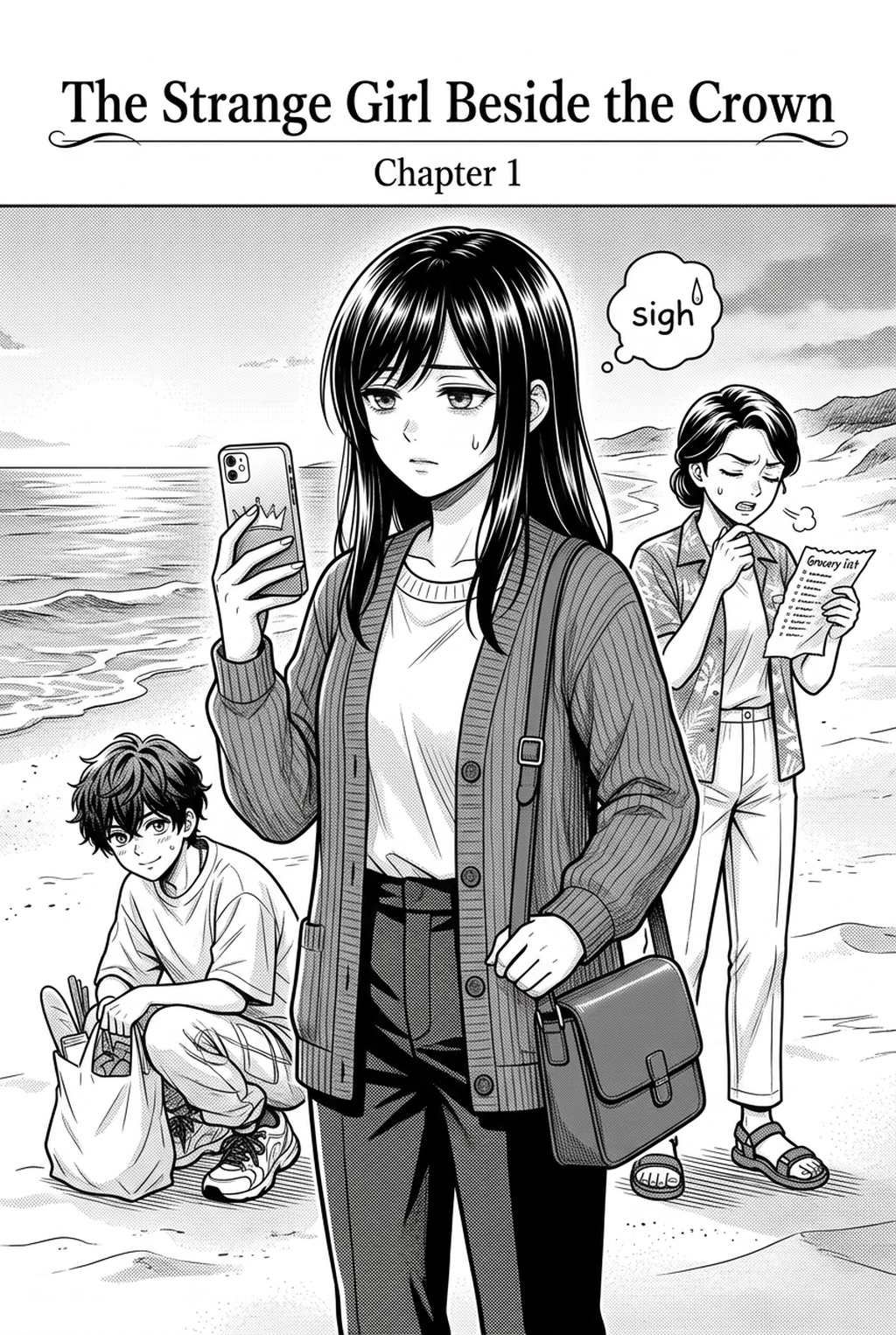
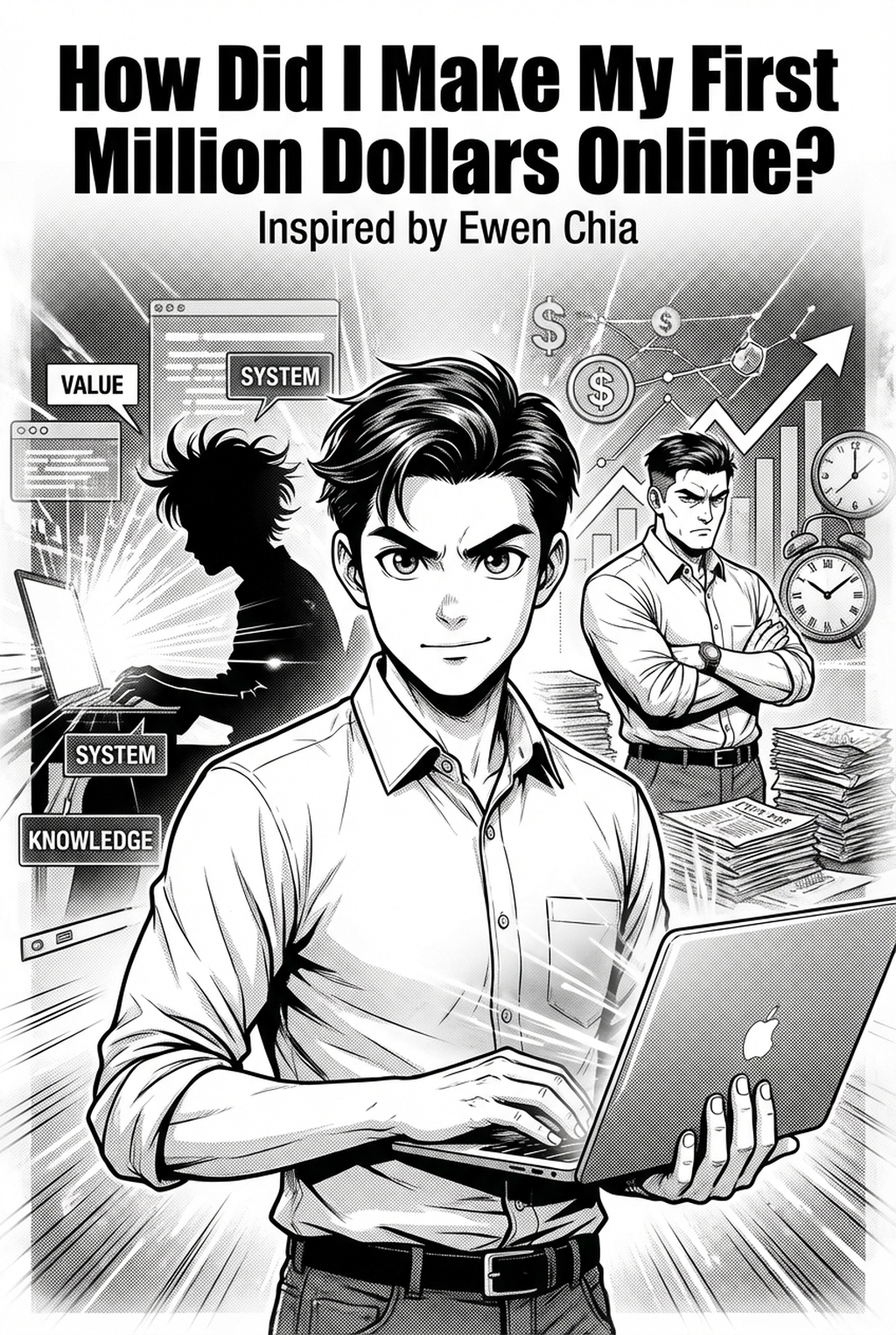
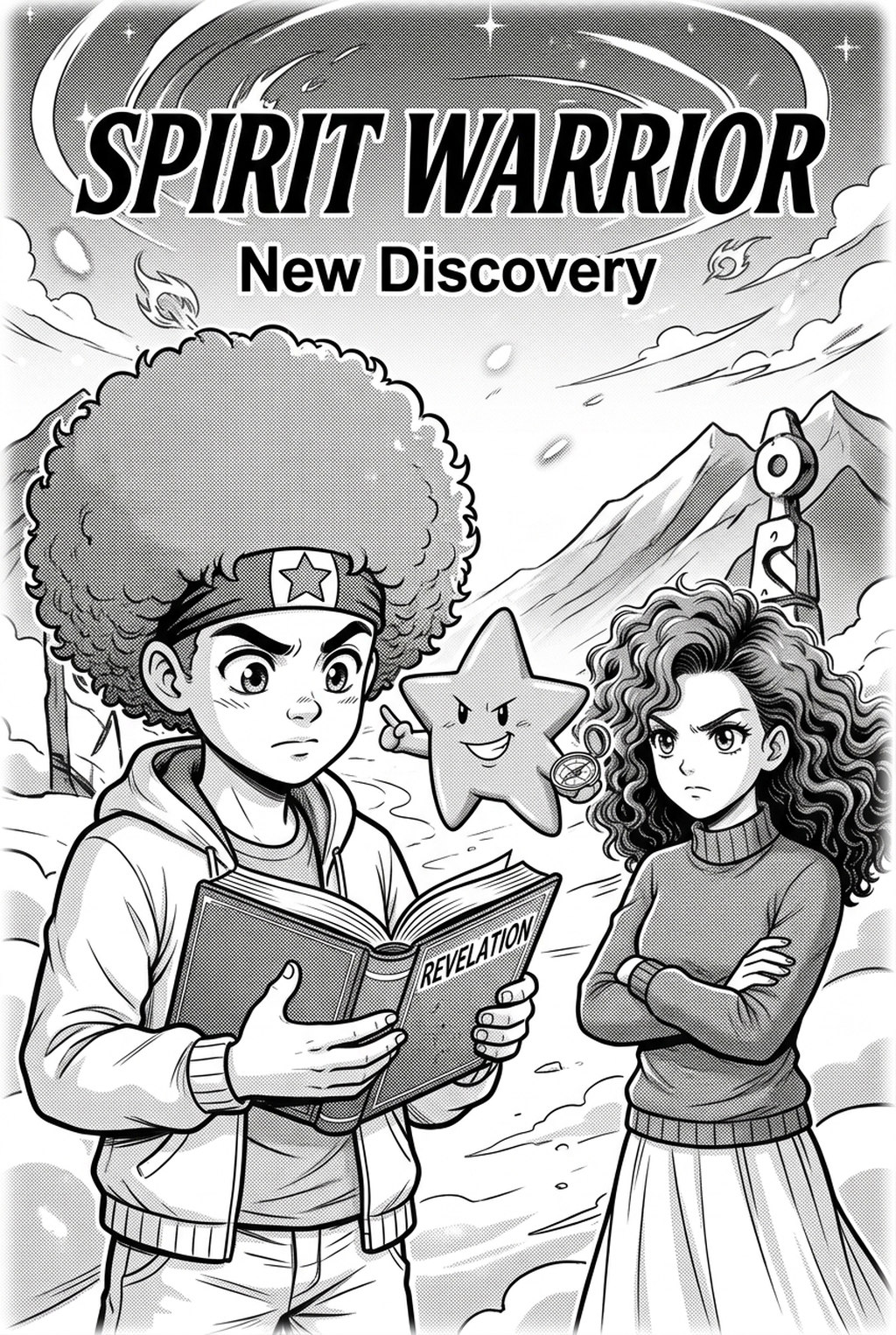
AI-driven character designers act as a 'force multiplier,' allowing creators to generate iterative variations of a single concept in minutes rather than hours. By leveraging AI Manga Character Designer workflow with Mangaka , you can generate a standardized 'delivery format' that ensures every character angle shares identical line weight, shadow depth, and artistic ink density.
- Vaulted Assets: Mangaka provides a centralized vault for character assets, ensuring the AI maintains the exact persona parameters across different storyboards, which prevents the stylistic drifting often seen when drawing by hand. * Production Velocity: Instead of manually sketching every panel from scratch, you can use the platform to maintain the internal logic of your character’s design while the system generates new poses based on your specific requirements. * Artistic Control: The tool functions by locking in your unique style, ensuring that even if you switch between high-fidelity character focus and environmental shading, the character’s fundamental design remains untouched.
Strategic Application in Layouts
Effective character integration involves placing generated assets into complex, multi-panel layouts while adjusting the rendering to fit specific page gutters and speech-bubble clearance. You must prioritize the reader's eye path by ensuring that character-heavy panels utilize enough negative space to prevent the line art from smudging into the background environments.
- Color Palette Discipline: To maintain consistency under varying lighting conditions, enforce a strict color-swatch lock for hair, irises, and base apparel, avoiding uncontrolled shading that shifts the visual identity. * Panel Interaction: When blending characters into background art, adjust the 'delivery format' so that your foreground characters retain a slightly higher ink density than the environment, creating a natural sense of depth. * Perspective Matching: Always verify that your character’s eye level matches the horizon line of the panel; failure to align these will result in distorted proportions that look jarring compared to the rest of the page.
Implementation Workflow for Creators
Getting started requires a commitment to building a robust reference vault before you begin your first draft. By uploading initial sketches or text-based descriptions, you can define the core aesthetic of your cast and iterate on their variations without needing to spend dozens of hours on repetitive drafting tasks.
- Consistency Checks: Use the system's ability to lock proportions to ensure that your protagonist’s build remains identical, even when they appear in varied, high-motion poses across multiple chapters. * Efficiency Gains: Shift your time budget away from technical drafting and toward narrative beats; let the AI handle the mechanical consistency of fine details like costume trim or hair strands. * Adaptability: Even as your story evolves, you can use the platform to introduce new gear or aesthetic changes, ensuring that the updated creator workflow remains tethered to the original model’s core proportions.
Creators should compare the generated line art with the original sketch and confirm that facial expressions, props, speed lines, and speech-bubble space still support the scene. A repeatable review pass should cover character consistency, panel readability, background clarity, and whether the final file is ready for coloring, lettering, or editor feedback. For longer projects, creators should save approved examples of line weight, face detail, clothing folds, and background density. Those references keep later chapters closer to the intended style.
The Bottom Line
creator workflow is the backbone of any successful manga, serving as the interface between the reader and the narrative that prevents technical inconsistency from shattering the immersion. By leveraging powerful tools to handle the heavy lifting of repetitive drafting, you can maintain a high-quality standard across long-form projects while focusing on the complex storytelling that defines the medium. Visit character design to build your page planning workflow master file and standardize your workflow today.
Related articles
Manga Character Design: A Guide to Consistent Storytelling
Manga Character Design: A Guide to Creating Icons 2026
Automate Your Manga Inking: Professional Lines in 2026