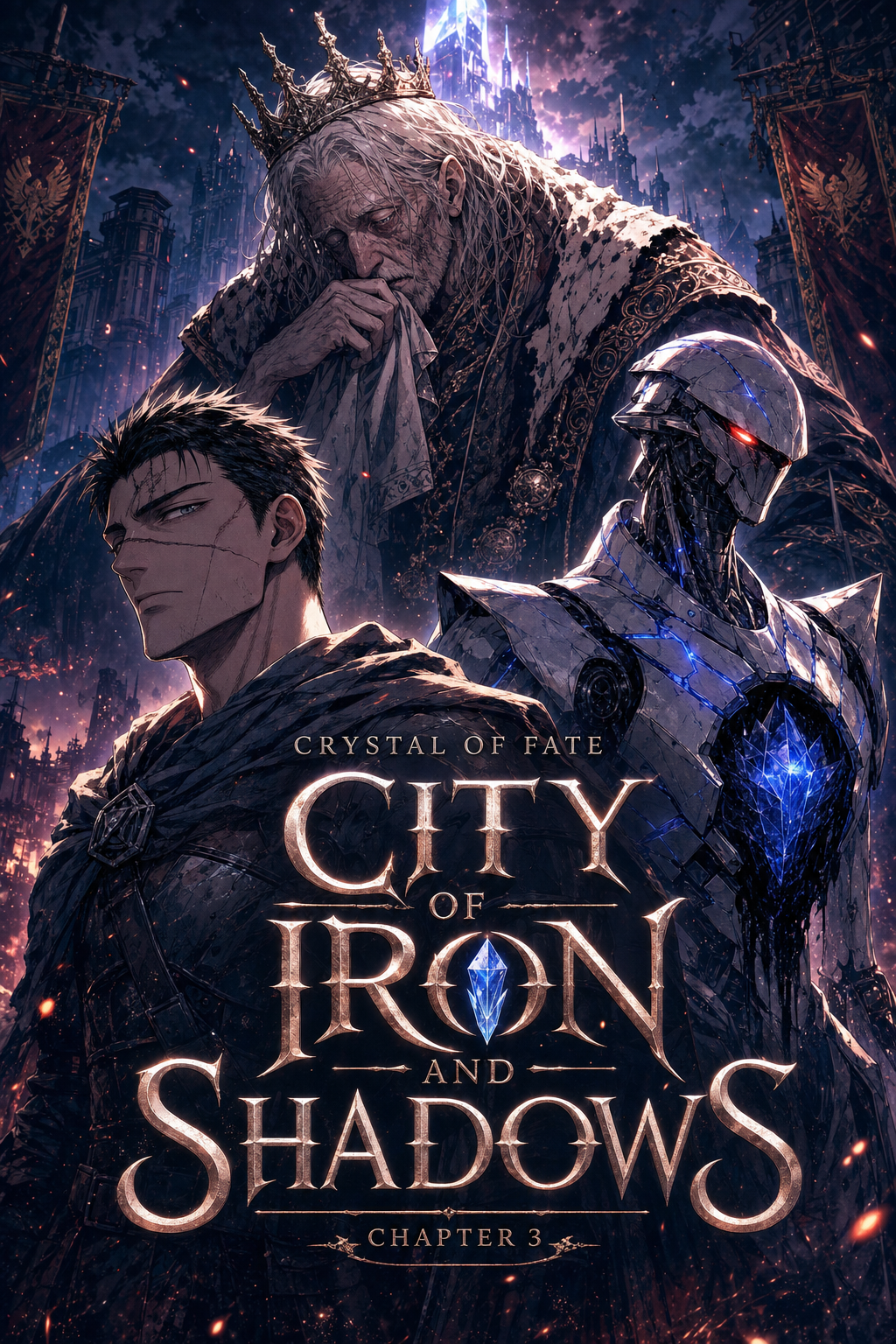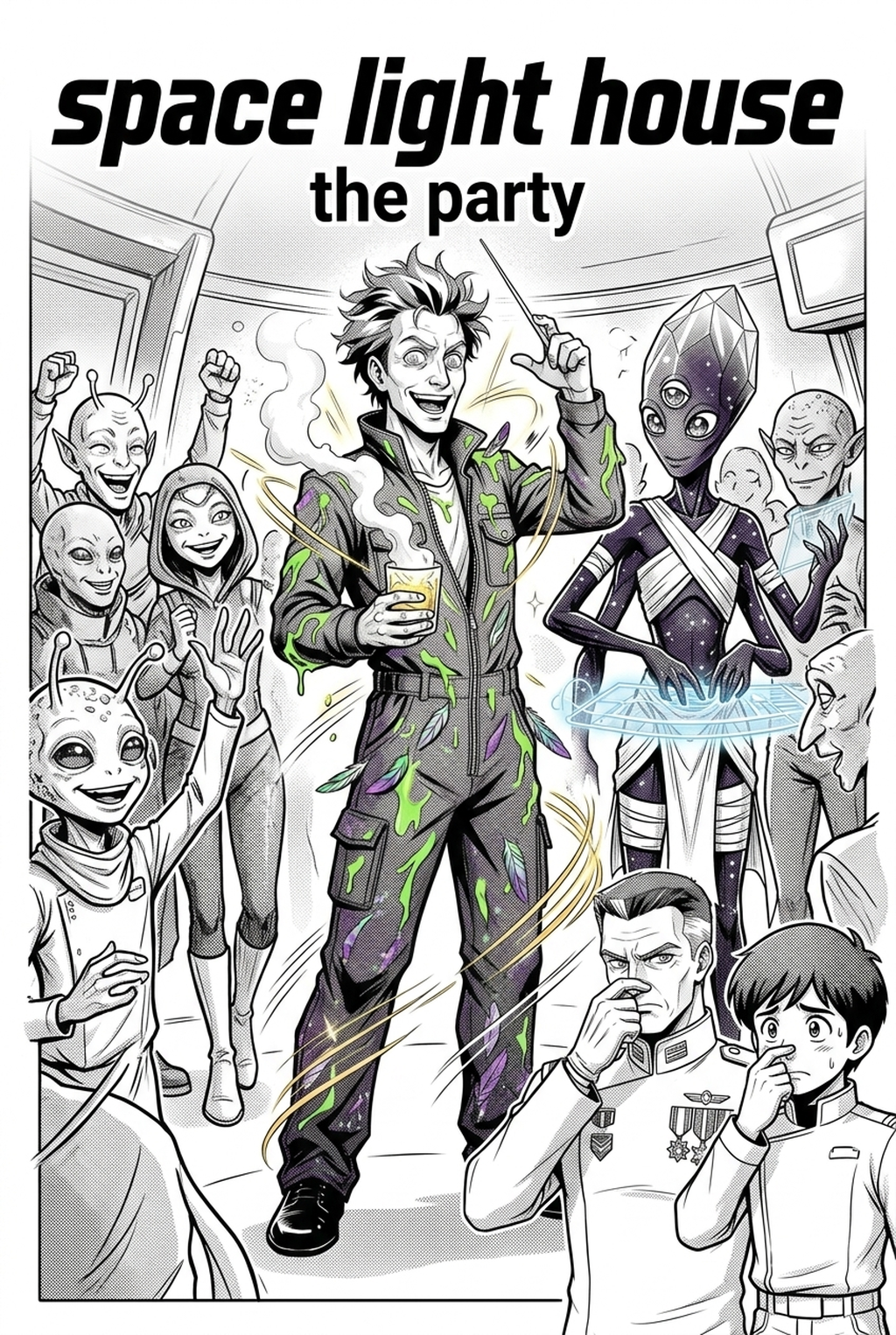
Defining the AI Manga Character Designer
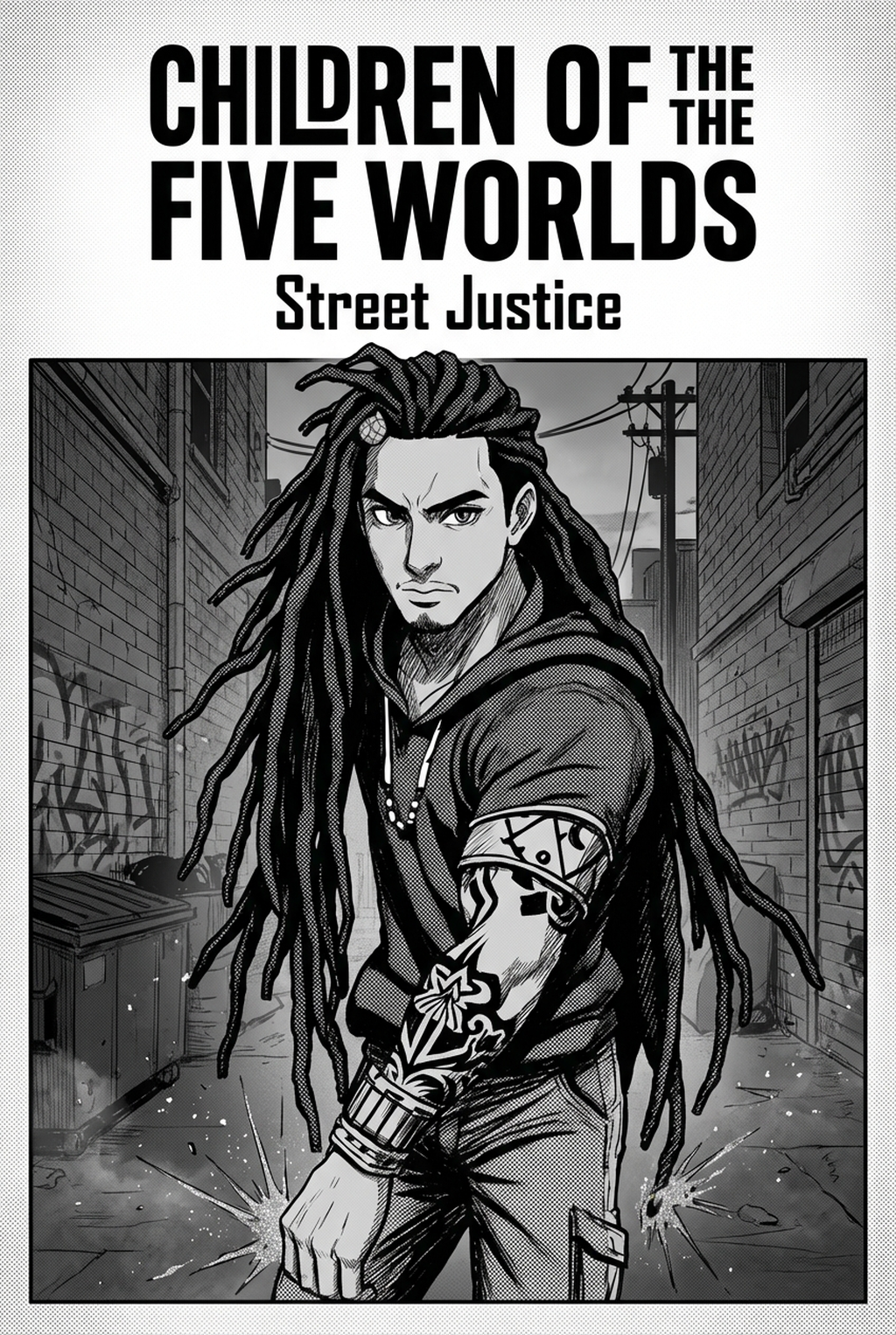
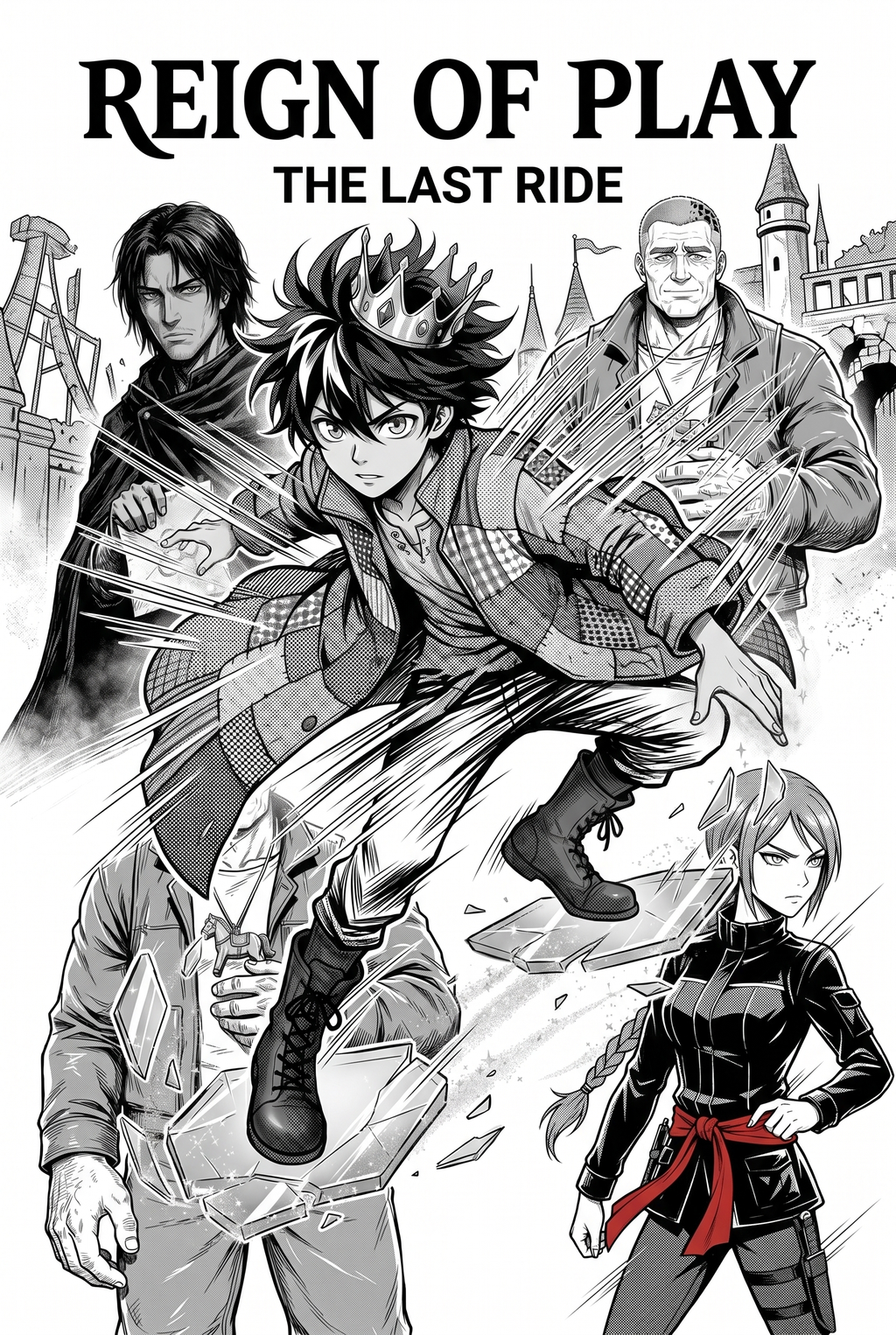
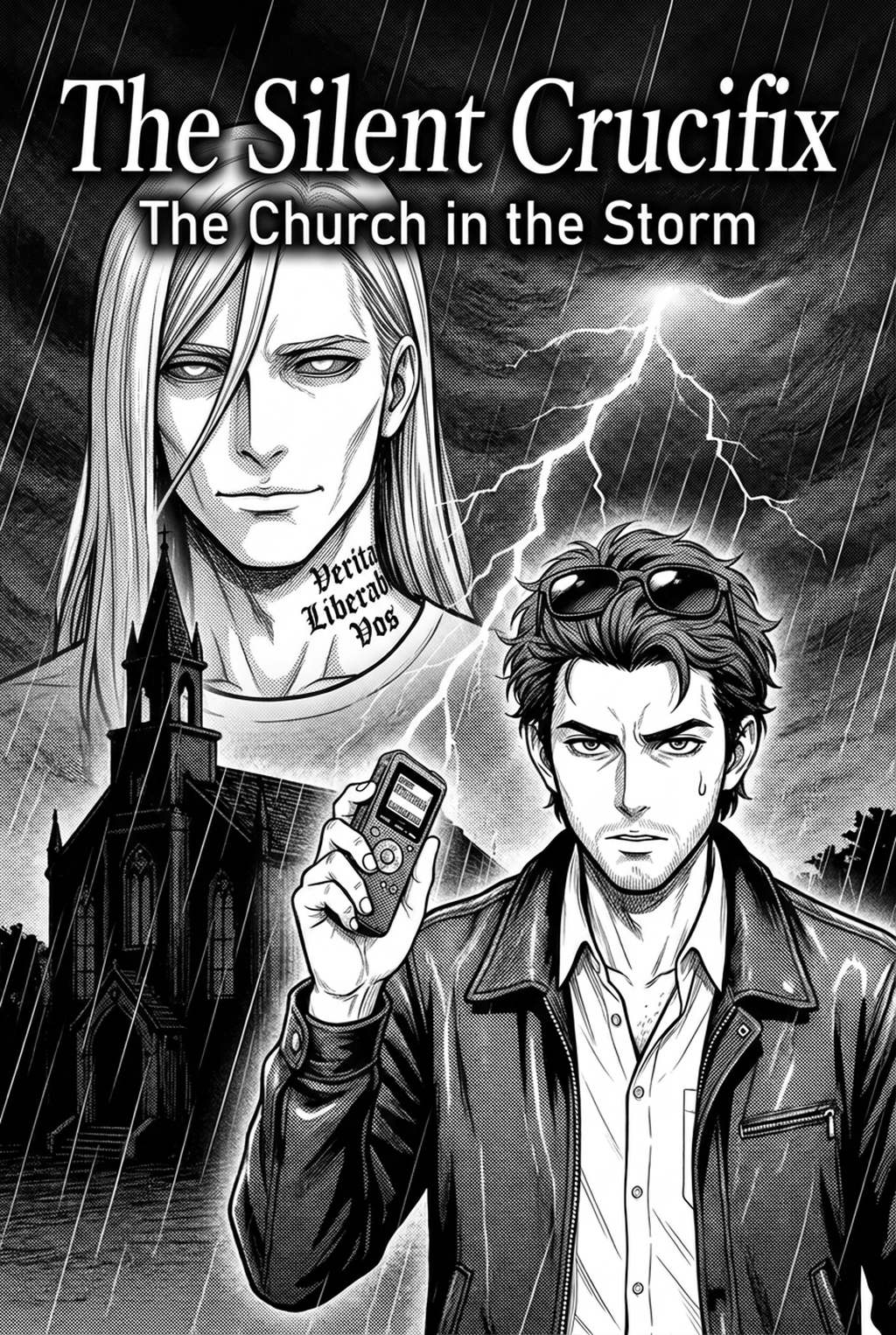
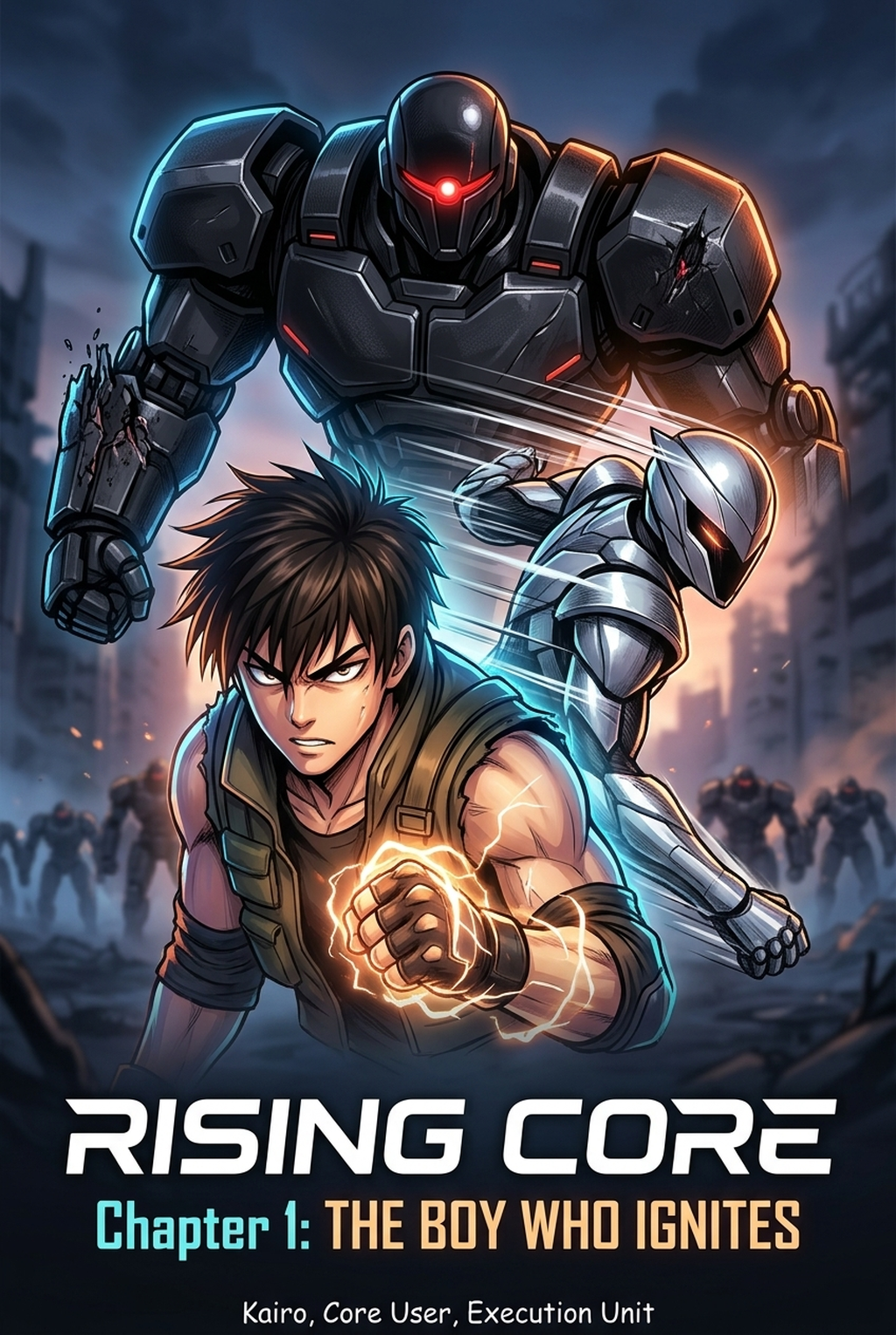
An effective design mascot balances simple, memorable silhouettes with specific personality-driven accessories that indicate their role in the plot. By prioritizing a distinctive color palette or a repeating motif, you ensure that the lead remains instantly recognizable regardless of the background complexity or the density of action lines in your fight choreography.
Good design relies on clear contrast in line weight and shading, ensuring the character remains recognizable even in complex action panels. High-contrast assets prevent your lead from blending into the background during high-speed movement sequences, allowing the eye to track the character's movement across the gutter without manual highlighting.
The best mascots possess narrative versatility, meaning they can transition from comedic 'chibi' relief to serious dramatic poses without losing their identity. This requires a stable 'character Bible' that defines exactly how the character’s base features—such as eye shape or height—scale when the drawing style shifts to meet the tone of a specific scene.
Why AI Manga Character Designer Matters for Manga Creators
Consistent character design ensures that readers immediately recognize the protagonist across multiple volumes and varying artistic contexts. When a reader opens a new chapter, the visual consistency of the lead acts as a subconscious anchor, signaling that the story world is stable and reliable, which is vital for building a long-term fan base.
Using specialized design tools helps maintain visual fidelity in proportions and costume details, preventing model drift which can confuse the audience. This keeps the review focused on story intent, line weight, panel readability, and the export quality behind the final AI Manga Character Designer output.
Check character consistency, panel readability, line quality, and export readiness before publishing. Creators should also record why the page passed review, which panel details still need manual cleanup, and which export format the next collaborator will use. That makes the subsection useful instead of leaving a short checklist under a large heading.
A consistent look allows for merchandising potential, which is a key factor for creators looking to move their manga into prints, stickers, or digital assets. Fans identify with characters who have distinct, repeatable visual signatures, making them far more likely to engage with licensed goods or community-driven content.
How Character Design Mascot Works with Mangaka
AI-driven manga character designers act as a force multiplier by generating base poses and variations from text descriptions, saving hours of manual inking for every chapter. Instead of drafting every angle of a protagonist from scratch, you provide the system with a stylistic brief and receive standardized character sheets that you can then adapt for specific panel compositions.
Creators can use source context inputs to ensure the system adheres to specific style sheets, such as Shonen-style angularity or Seinen-style realism. By locking the model into a defined aesthetic, you ensure that the character’s face and anatomy remain consistent, removing the need for tedious manual drafting passes when transitioning from close-ups to wide landscape shots.
By automating the tedious character sheet generation, creators can focus more on plot delivery format and storyboard pacing rather than technical drafting. You no longer have to spend entire weekends ensuring that a character’s recurring mark is placed correctly; you can instead redirect that energy toward refining the dialogue layout or sharpening your panel-to-panel flow.
Use Cases for AI Manga Character Designer
Establish a comprehensive character Bible that lists physical attributes, color palettes, and signature motifs to provide a blueprint for all future panels. This document serves as the ground truth for your series, ensuring that every panel—from simple character introductions to complex combat sequences—aligns with the foundational design of your lead.
Use iterative prompting to test your mascot in different environmental contexts to ensure they pop against both detailed backgrounds and sparse speed lines. For instance, testing your protagonist against an urban cityscape background—often involving dense, high-frequency line work—reveals if your character’s line weight is heavy enough to maintain visual priority without manual cleanup.
Focus on expression sheets, a critical design asset that dictates how your mascot conveys shock, joy, or rage within the specific constraints of your manga’s genre. A Seinen-style lead might require nuanced micro-expressions, whereas a Shonen lead might prioritize exaggerated, high-energy reactions that remain readable even when applied to small, vertical-scroll panels.
How to Get Started with Mangaka
Focusing on narrative-specific items like a unique weapon, a recurring mark, or a distinct outfit silhouette prevents your manga mascot from feeling too generic. If your story requires a specific type of legal compliance or formal documentation—perhaps your character is a legal investigator navigating complex contracts—ensuring their outfit reflects that role reinforces the world-building immediately.
Modern tools allow for consistent character generation across different angles and scenarios through text-based creative briefs. You can generate a full-body character reference and then creative brief for specific action angles—such as mid-air poses or dialogue-heavy profile shots—which the system will match to your established base model, ensuring that the exported PNG assets fit seamlessly into your existing project folders.
While not strictly required, a lead character who doubles as a mascot dramatically increases brand recognition and engagement with fan communities. A memorable lead becomes the face of the series, drawing readers into the story and making the transition from a casual observer to a loyal supporter much more fluid.
Creators can evaluate character design mascot with Mangaka mid-workflow when they need the product path tied directly to review, refinement, and export. A real test should use the same sketch, character goal, or panel sequence that would otherwise need manual cleanup after generation.
The Bottom Line
A successful AI Manga Character Designer workflow is the intersection of memorable visual identity and storytelling consistency, essential for building a long-term manga audience. By leveraging modern AI tools, you can ensure your character remains sharp and recognizable, allowing you to focus your creative energy on complex storytelling and panel composition. Visit character design mascot to generate your first consistent manga character sheet and start streamlining your production workflow today.
Related articles
Mastering Dental Manga Art Style for Instructional Comics
Zombie Manga Character Design: Creating Iconic Undead 2026
Mastering Supernatural Manga Background Design for 2026