AI Manga Background Artist: Environmental Storytelling for Manga Immersion
In the supernatural genre, the environment acts as a silent antagonist that reinforces the emotional state of characters while providing necessary source context for world-building. When backgrounds lack depth, horror or mystery scenes often fail to resonate, causing the reader to disconnect from the narrative stakes.
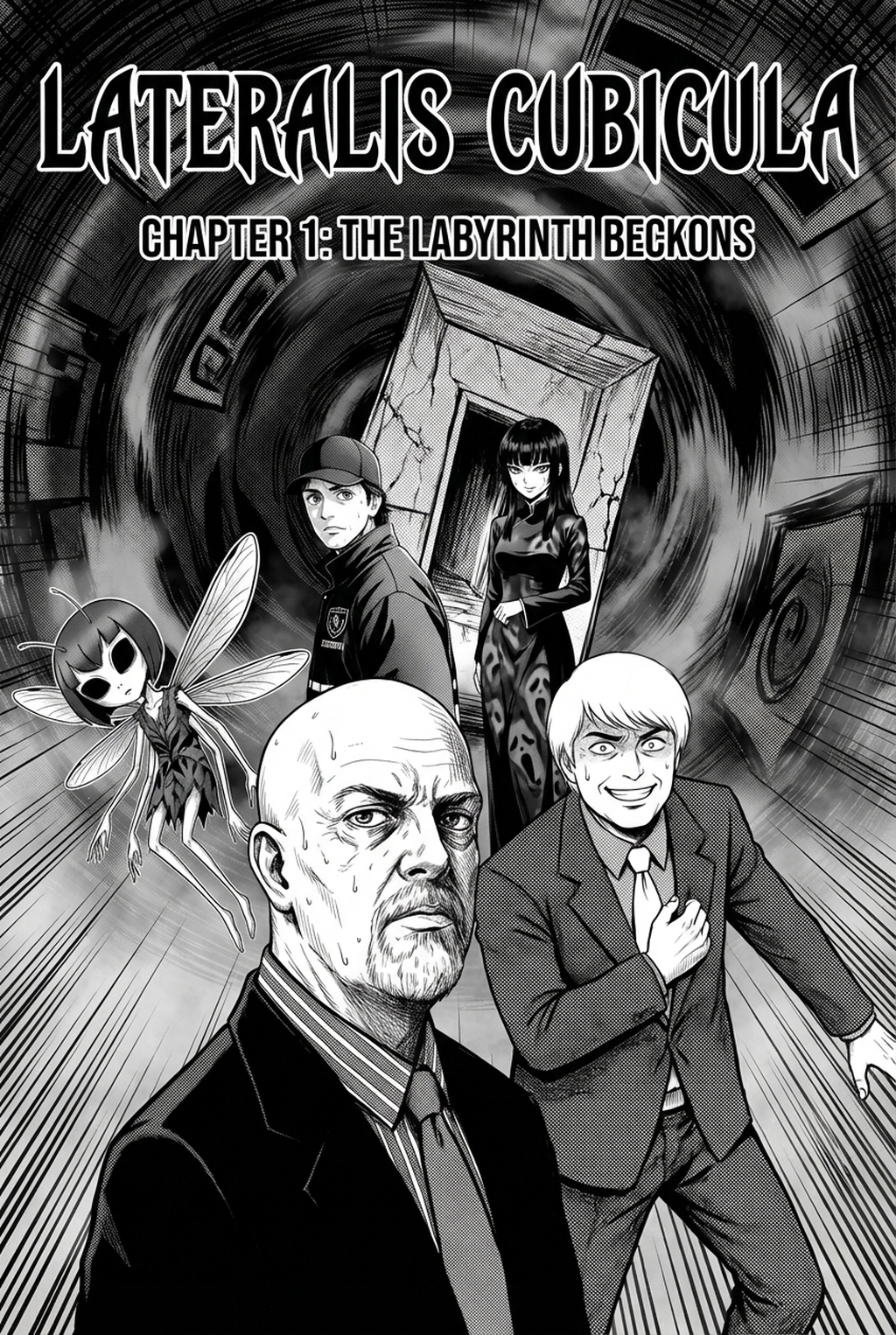
- Psychological Framing: Use oppressive, claustrophobic structures—such as low ceilings or narrow, winding corridors—to heighten the reader's feeling that the characters are being watched or trapped. * Thematic Consistency: Ensure that recurring motifs, like specific occult runes or repeating twisted Gothic arches, are maintained throughout the series to anchor the supernatural logic of your world. * Visual Tension: Balance structural detail with atmospheric shading to ensure the environment supports the main character action without cluttering the panel's composition.
Leveraging AI in the Production Process
AI-driven generation allows creators to translate specific scene descriptions into ready-to-use panels without the time-intensive process of manual perspective grid setup. By allowing technology to handle the heavy lifting of geometric precision, you can prioritize your time for final inking refinements, tonal application, and character placement.
- Rapid Iteration: Use these tools to quickly generate variations of a "shattered temple interior" at different angles, then select the one that best fits your established page flow. * High-Fidelity Export: Focus on tools that provide clear, clean linework in a standard format like PNG, allowing you to seamlessly integrate the generated output into your existing digital workspace. * Perspective Integrity: Modern AI tools utilize geometry-aware rendering, which preserves structural integrity even when shifting perspective, preventing the dreaded "warped line" effect common in early digital workflows.
This keeps the review focused on story intent, line weight, panel readability, and the export quality behind the final AI Manga Background Artist output.
Managing a multi-chapter series requires a reliable production cycle where the time spent on every panel is strictly accounted for. If you spend four hours manually sketching the intricate brickwork of a haunted manor, you are likely sacrificing hours that should be spent on character proportion checks or speech-bubble layout adjustments.
- Script to Scene. Input a detailed description of your scene into the Supernatural manga background design with Mangaka to obtain a base panel.
- Refinement and Inking. Review the raw output, then apply your own signature line weight and textures to match the specific artistic style of your character sketches.
- Final Polish. Insert your character assets and apply screen tones or gray-scale shading to harmonize the characters with the AI-generated setting.
Genre-Specific Design Strategies
Tailoring your background generation to the requirements of your specific genre ensures that your environments feel authentic and purposeful rather than generic. Creators can use each revision decision to clarify panel readability, character consistency, and export quality before publishing or sharing. Creative Decisions and Export Quality.
Creative Decisions and Export Quality
- Dark Fantasy Monumentalism: Focus on massive, crumbling structures that emphasize the sheer power scale of the supernatural entities present in the scene. * Modern Urban Distortion: Take mundane settings—a standard high school hallway or a subway station—and introduce subtle, impossible shadows that suggest a fracture in reality. * Seinen Suspense Density: Leverage dense, highly detailed textures and tight, claustrophobic framing to force the reader into a state of unease alongside the protagonist.
- Before Export. Creators should compare the generated line art with the original sketch and confirm that facial expressions, props, speed lines, and speech-bubble space still support the scene. A repeatable review pass should cover character consistency, panel readability, background clarity, and whether the final file is ready for coloring, lettering, or editor feedback. - For Longer Projects. Creators should save approved examples of line weight, face detail, clothing folds, and background density. Those references keep later chapters closer to the intended style. For collaboration, creators should mark which panels are final and which panels still need redraws. Clear status labels prevent an assistant, editor, or colorist from polishing the wrong version. - For Publishing. Creators should review the page at the actual reading size before export. Small screens expose crowded dialogue, weak silhouettes, and line details that looked fine while zoomed in. That extra context helps the reader connect the creative choice to character consistency, composition, speech-bubble space, and final file format. - For Style Control. Creators should keep a short reference board beside the draft and compare hair shapes, eye details, costume folds, and texture choices before approving the final page. For revision planning, creators should separate art fixes from story fixes. Line cleanup, panel order, dialogue clarity, and character acting each need a different review question. - For Solo Creators. The most useful workflow is one that keeps rough ideas editable until the final pass. That reduces rework when the scene mood changes after the first read-through. For manga creators, the practical value comes from reducing redraw loops before the artwork reaches a reader-facing page or reusable asset.
Workflow Fit and Review Needs
Creators should compare the generated line art with the original sketch and confirm that facial expressions, props, speed lines, and speech-bubble space still support the scene. A repeatable review pass should cover character consistency, panel readability, background clarity, and whether the final file is ready for coloring, lettering, or editor feedback.
The Bottom Line
AI Manga Background Artist workflow is no longer a purely manual endeavor; by offloading the architectural complexity to specialized tools, you can ensure your series maintains a professional, atmospheric, and highly immersive look. Consolidate your production timeline by choosing to Supernatural manga background design and see how much time you save.
Related articles
Mastering Ninja Manga Character Design: A Creator’s Guide
Historical Manga Background Design: A Creator’s Guide 2026
Mastering Ecchi Manga Character Design: A 2026 Guide