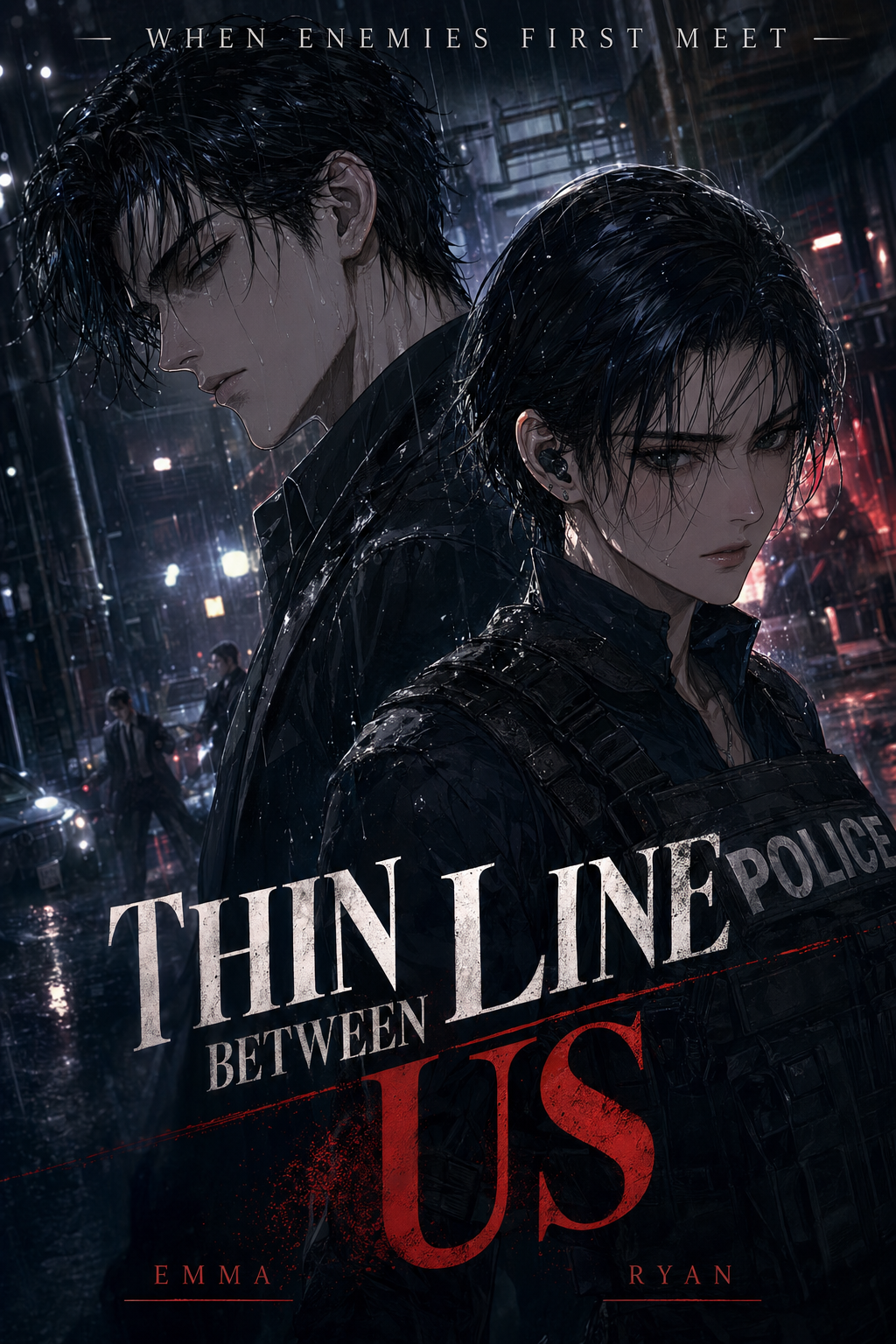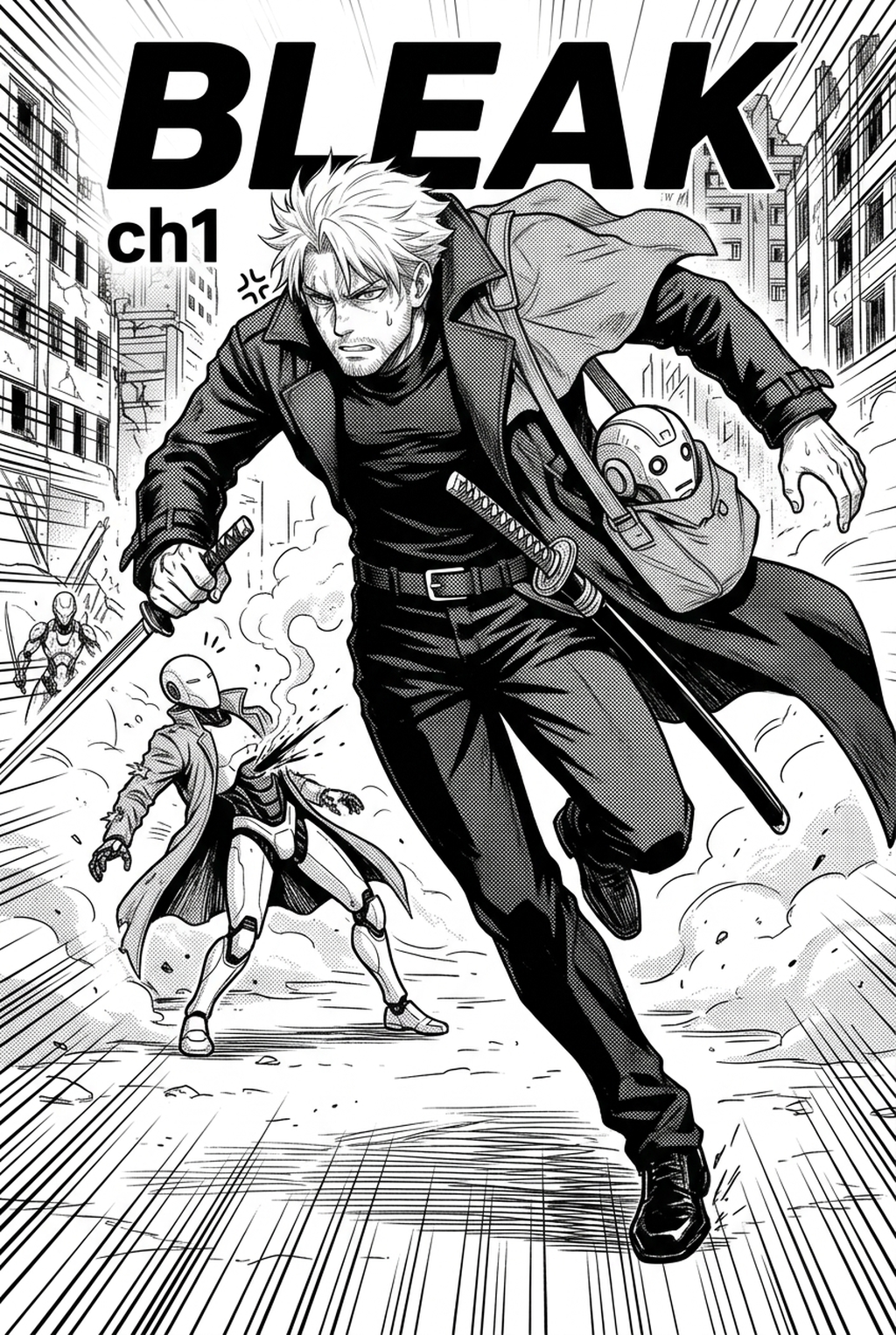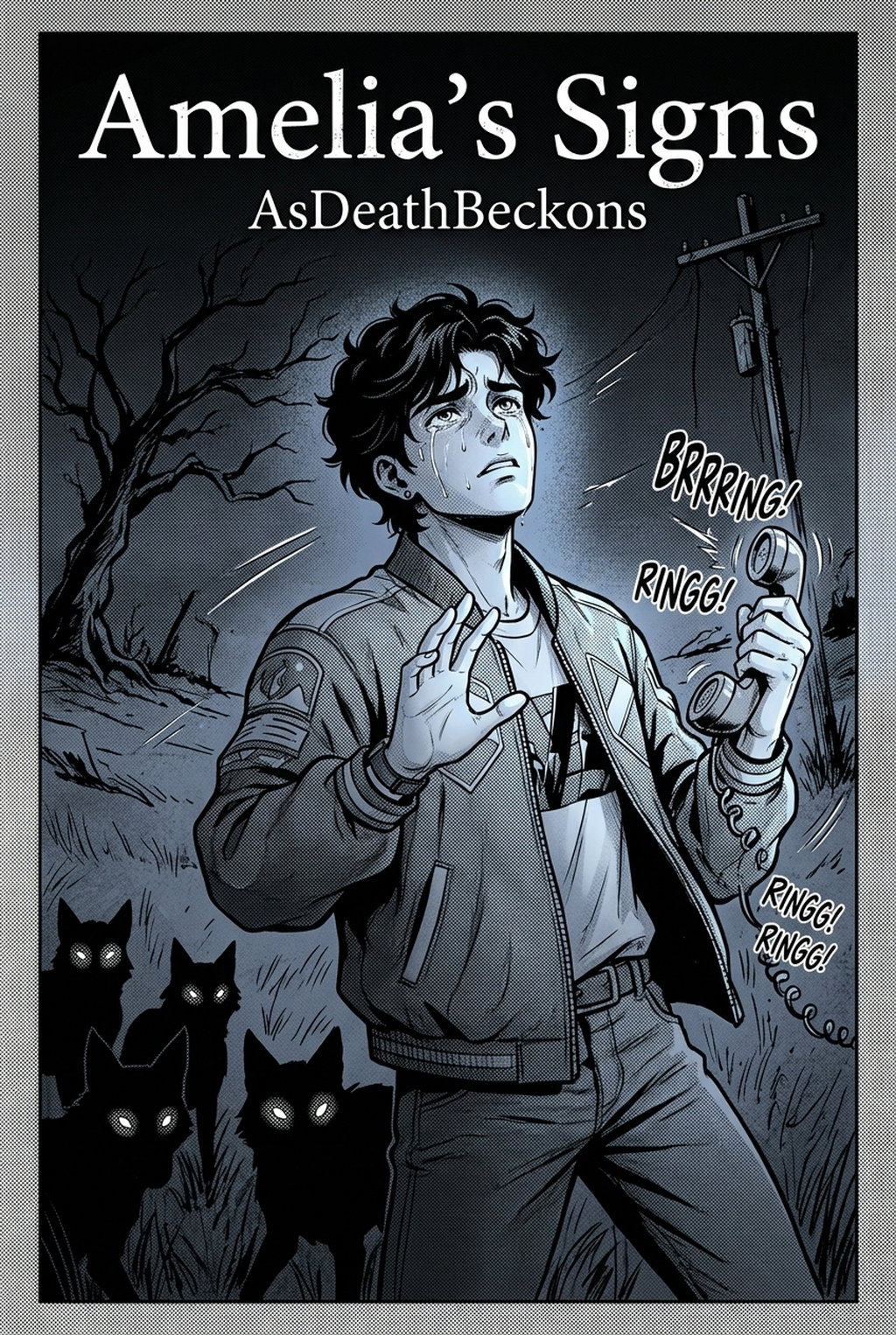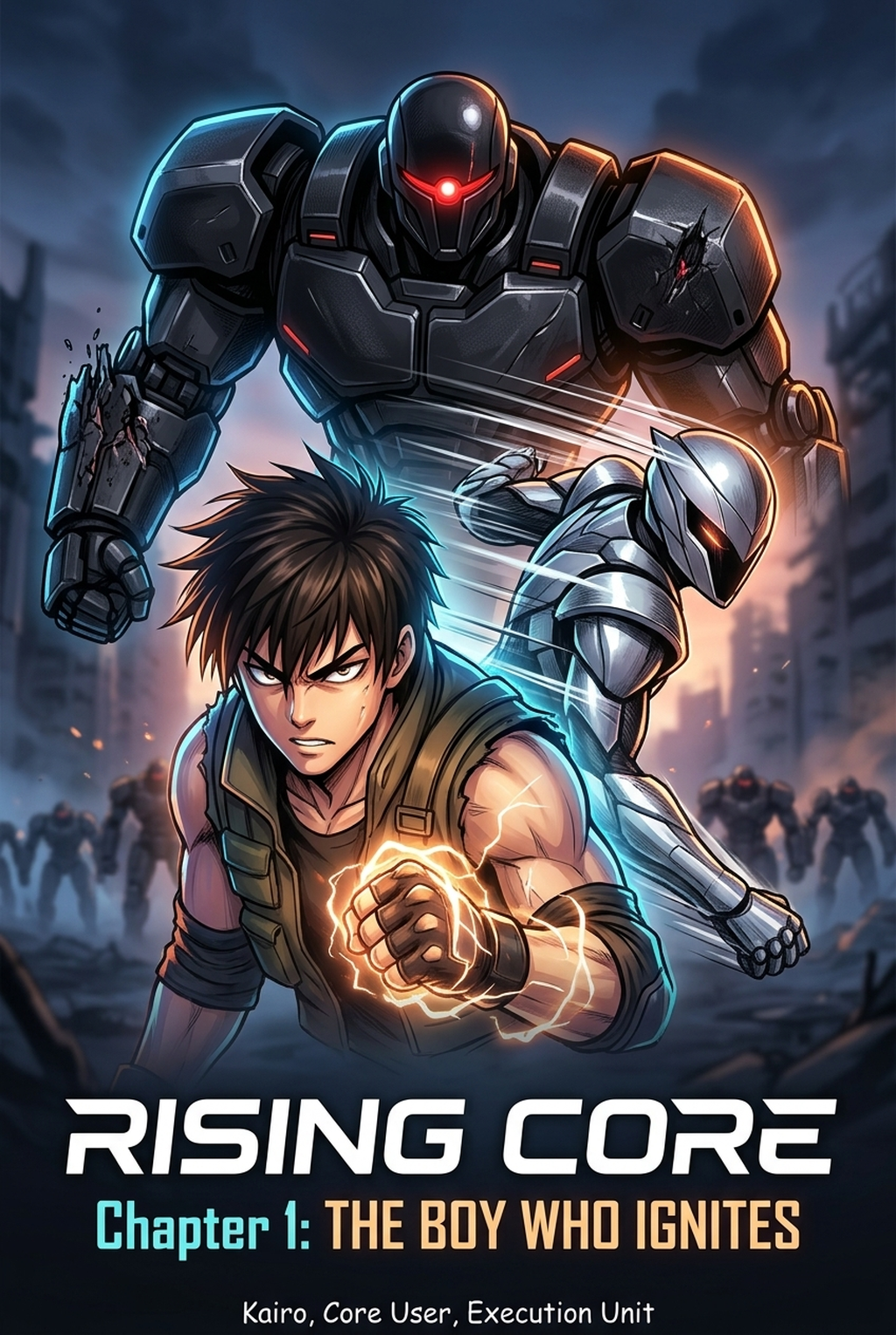
Defining the AI Manga Style Transfer
This visual aesthetic relies on ink-wash dynamism, a technique that prioritizes atmospheric tension over the anatomical precision found in standard digital illustration. By focusing on black-and-white foundations punctuated by piercing, vibrant color accents, you create a visual narrative that feels grounded in traditional martial arts calligraphy.
- Fluid Brushstroke Outlines: Each stroke mimics the pressure-sensitive nature of a physical hair brush, allowing for thick, tapering lines that imply velocity and weight. * Minimalist Shading: The style actively rejects cluttered cross-hatching, favoring bold, sweeping shadows that define the character’s presence through negative space. * Kinetic Motion Elements: Speed lines are not merely decorative but serve as an extension of the character’s movement, utilizing sharp, angular geometry rather than blurred, soft-focus smears.
Why This Aesthetic Elevates Action Manga
Adopting this visual direction allows creators to bypass the limitations of generic Shonen templates, which often rely on excessive detail that can distract from the impact of a fight scene. By focusing on high-contrast, "gritty" ink-work, you create a faster inking workflow where dramatic shapes replace the need for fine-line, forensic-level detail.
- Enhanced Readability: The heavy contrast ensures that character silhouettes remain instantly identifiable, even when compressed into a four-panel vertical gutter or a small smartphone screen. * Narrative Impact: This style emphasizes the weight of a sword strike or the tension of a standoff by using extreme depth-of-field effects, pushing the background into blur while keeping the focal action crisp. * Stylistic Maturity: The departure from clinical realism toward a more expressive, stylized representation helps establish a distinct brand voice for Wuxia or period-piece projects that require a sense of historical gravitas.
How Phantom Blade Zero Art Style Works with Mangaka
Creators can utilize Mangaka to ingest rough, stick-figure storyboards and have them re-rendered using the specific ink-weight and shadow-density parameters of this aesthetic. By utilizing the platform at Phantom Blade Zero art style , you shift the production burden away from manual inking, which frequently leads to uneven line weights when working on long-form, multi-page chapters.
- Parameter-Driven Rendering: You define the ink-weight thresholds to ensure your sketches maintain a uniform, heavy-ink look across every panel in a series, eliminating the need for tedious manual cleanup. * Context-Aware Conversion: By uploading reference character sheets, the platform maintains character consistency, ensuring that the signature "kung-fu punk" design remains uniform regardless of the viewing angle or pose. * Efficient Background Inking: The AI handles the complex, sweeping ink-wash backgrounds, allowing you to focus your creative energy on character expression and dialogue-bubble placement without getting bogged down in environment textures.
Strategic Applications for Your Next Project
The aesthetic is versatile enough to support multiple genres if you understand how to pivot the ink foundation toward specific thematic requirements. For Wuxia narratives, emphasize the organic, flowing brush-stroke qualities to draw parallels to traditional ink-wash paintings, whereas for cyberpunk or dystopian thrillers, you should contrast the heavy ink with neon, aggressive lighting effects.
- Heavy Silhouette Design: Use the signature high-contrast approach to design character silhouettes that are recognizable through pose alone, a vital technique for establishing secondary cast members in high-action sequences. * Atmospheric Environmental Design: Leverage the ink-wash textures for large-scale environment panels, where bold, simplified shadow shapes suggest architecture without cluttering the page with unnecessary line-art complexity. * Dynamic Panel Pacing: Use the sharp-edged color accents to guide the reader’s eye across the page, placing vibrant highlights on the primary point of impact in a multi-panel action sequence.
Implementation Steps for Your Mangaka Workflow
Integrating this aesthetic into a standard manga production cycle is straightforward once you have your base storyboards prepared as high-resolution PNG or PDF files. You do not need expensive, locally installed GPU hardware to handle the heavy rendering because all the processing happens in the cloud, allowing for a consistent, professional-grade output on virtually any machine.
- Step 1: Ingesting Storyboards: Start with clean, rough sketches to define the composition and panel flow; the tool will interpret these as the structural backbone of the final, high-contrast, inked, and toned page. * Step 2: Calibrating Style Transfer: Adjust the shadow-density settings to ensure that the heavy silhouettes do not swallow the core character design or obscure critical action details. * Step 3: Verification Pass: Review the generated output for potential line-art drift, ensuring that the artificial ink weight hasn't compromised the clarity of facial expressions or small-scale dialogue bubbles. * Step 4: Final Export: Export your finished, professional-grade pages in the desired format, ready for immediate inclusion into your serialized project or independent release.
Creators should compare the generated line art with the original sketch and confirm that facial expressions, props, speed lines, and speech-bubble space still support the scene. A repeatable review pass should cover character consistency, panel readability, background clarity, and whether the final file is ready for coloring, lettering, or editor feedback. For longer projects, creators should save approved examples of line weight, face detail, clothing folds, and background density. Those references keep later chapters closer to the intended style.
The Bottom Line
The Phantom Blade Zero aesthetic offers a high-impact, professional solution for artists who need to maintain intense, action-oriented storytelling without burning out on the repetitive labor of manual inking and shading. By leveraging the specific ink-wash and silhouette controls provided by the AI, you can ensure your project looks cohesive, dynamic, and ready for publication. You can start refining your own roughs today by Phantom Blade Zero art style to see how this visual language elevates your narrative.
Related articles
Mastering Manga Storyboard Techniques for Better Pacing 2026
4-Koma Manga Structure: The Essential Guide to Pacing 2026
Create a Professional Manga Storyboard in 2026 | Mangaka