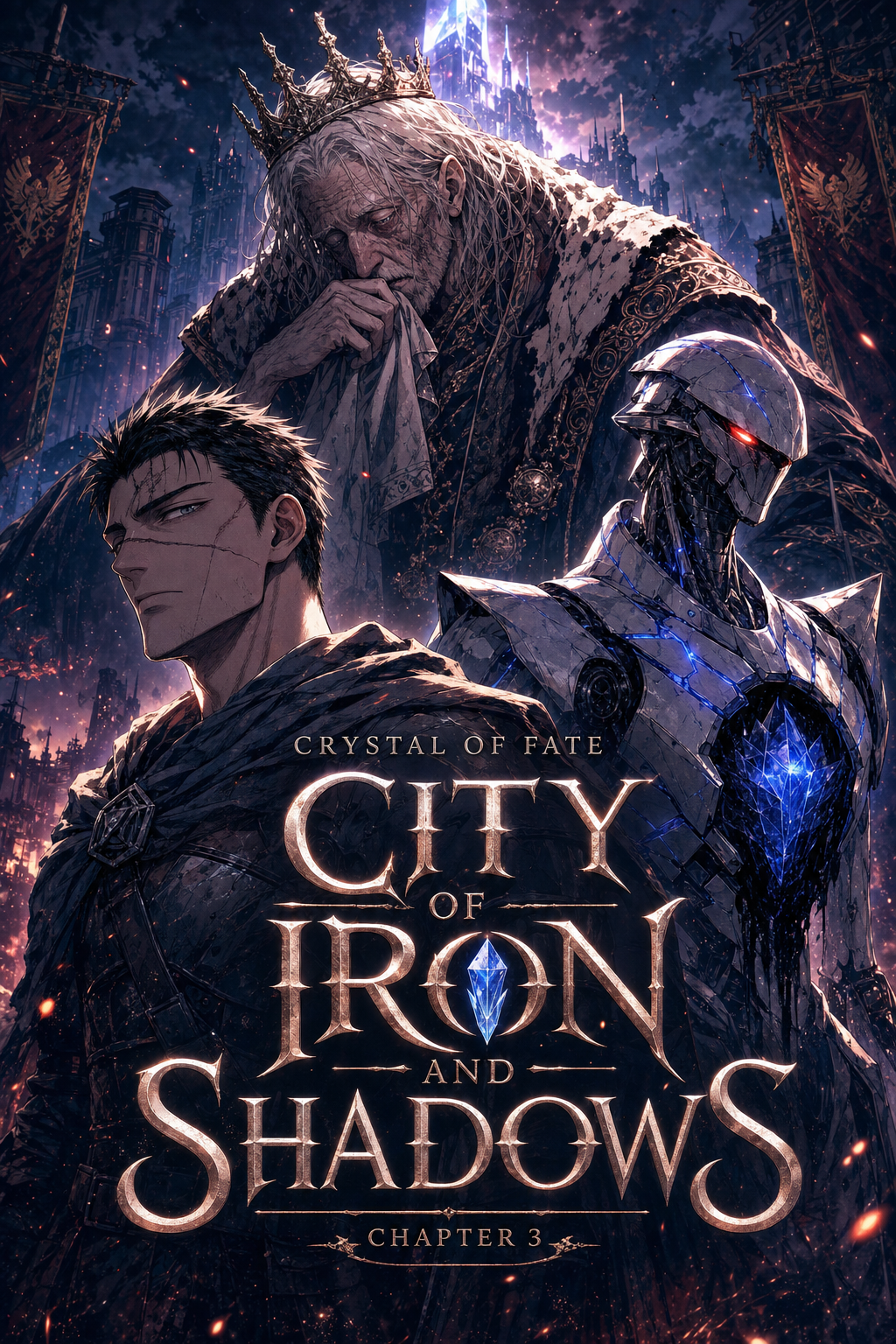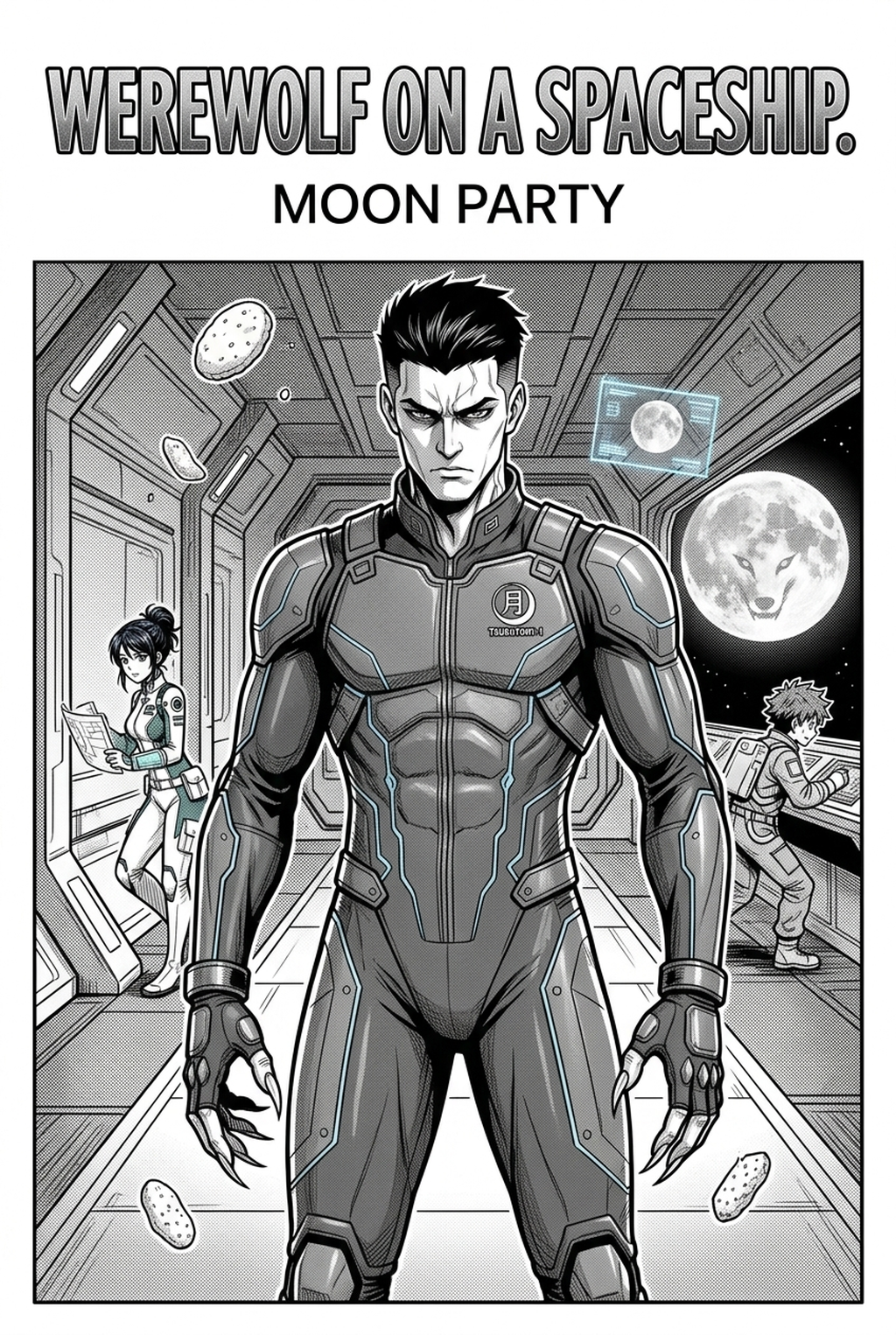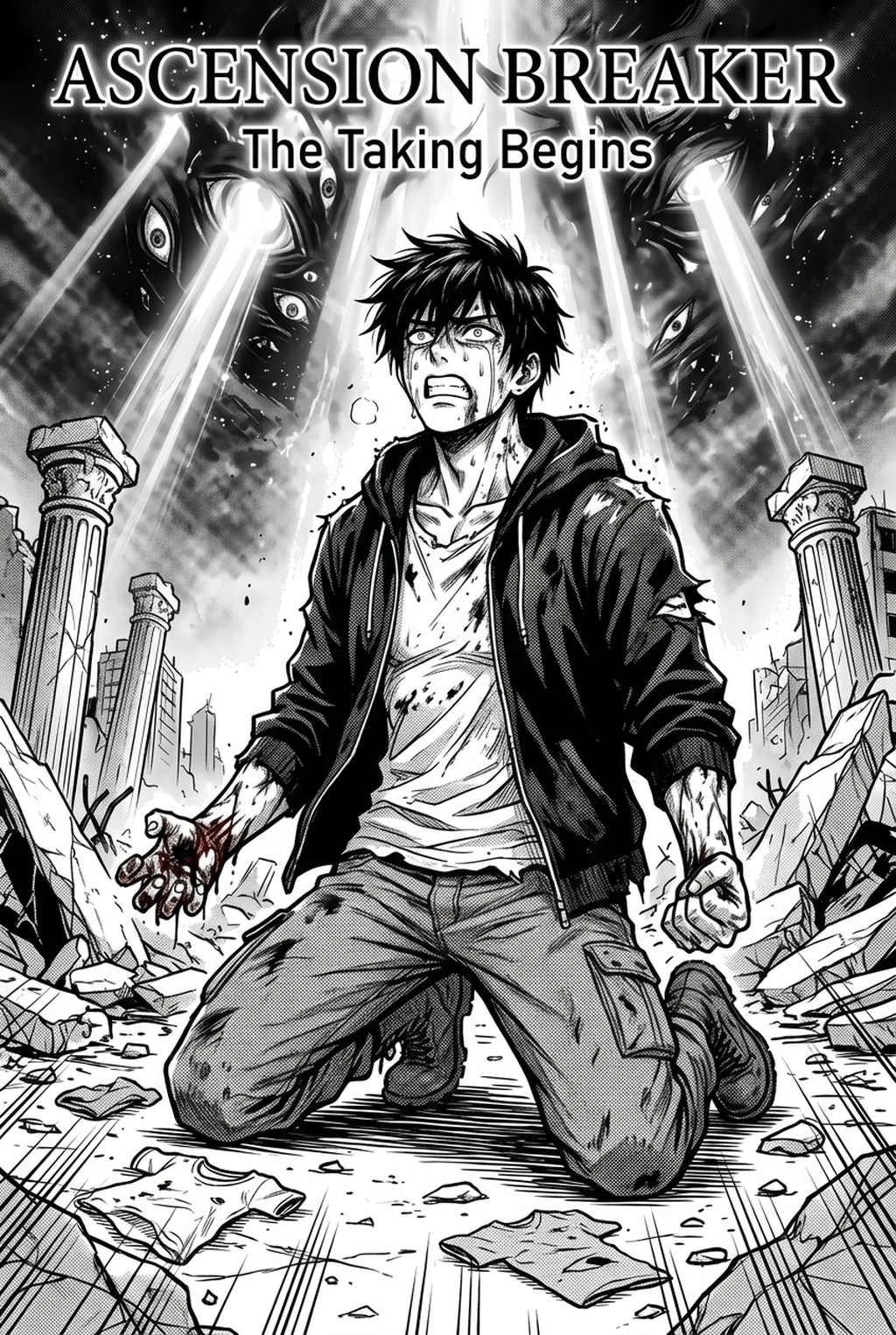
AI 4-Koma Strip Maker: Defining the Kishōtenketsu Framework
The kishōtenketsu model acts as the bedrock of successful four-panel storytelling, shifting the focus from Western-style conflict to a structural shift in perspective. Unlike a standard three-act structure that relies on external tension, this format segments your idea into four precise movements: This keeps the review focused on story intent, line weight, panel readability, and the export quality behind the final AI 4-Koma Strip Maker output.
- Ki (Introduction): Sets the scene and introduces the characters within a stable environment. * Shō (Development): Expands on the initial situation without adding unnecessary, distracting subplots. * Ten (Twist): Executes the crucial subversion of expectations, often serving as the emotional or comedic climax. * Ketsu (Conclusion): Delivers the final resolution or the lingering punchline that grounds the preceding twist.
This model is not merely a recommendation; it is a rigid constraint that prevents you from cluttering the final panel with too much dialogue. If your Ten" panel fails to subvert the established premise of the Shō," the Ketsu" will inevitably feel flat or confusing to the reader.
Importance of Pacing for Creators
Pacing in 4-koma is defined by the density of information revealed in each frame, which directly dictates whether the reader experiences a sharp laugh or a dull fade-out. Creators frequently fall into the trap of "development bloat," where the second panel becomes too wordy, diluting the impact of the upcoming twist.
| Feature | Poor Pacing | Effective Pacing |
|---|---|---|
| Dialogue | Heavy, wall-of-text | Minimal, snappy lines |
| Panel Focus | Multiple action beats | Single, clear objective |
| Punchline | Cluttered & slow | Fast, high visual impact |
Effective paneling ensures your reading rhythm remains brisk. If the transition between your second and third panel requires a long mental bridge, your comedic momentum is effectively dead. Maintaining a high-velocity flow requires you to trust that the reader has internalized your setup, allowing the punchline to stand on its own without redundant exposition.
Workflow Integration with Mangaka
Mangaka optimizes your production process by mapping a single punchline idea into a coherent structural blueprint, ensuring every strip adheres to traditional 4-koma pacing. The tool automates the heavy lifting of storyboarding and inking, which allows you to focus entirely on the delivery of the joke rather than technical layout adjustments.
When you input a premise, the software generates a grid that anchors your character identity, preventing the common issue of visual proportion drift between the first and fourth panels. This workflow, accessible at 4-koma manga structure with Mangaka , turns the abstract notion of a "gag" into a concrete set of panels ready for final export as a high-resolution PNG or PDF. By automating the placement of setup and twist elements, the software ensures that your line-weight consistency is maintained across the entire sequence.
Use Cases and Design Constraints
Visual weight balance in the second panel is a critical factor in guiding the reader’s eye toward the climax in the third panel. If the second panel contains too many competing visual elements, the impact of the Ten" is dampened, and the joke fails to land.
- Character Identity: Use clear visual markers so the reader recognizes your protagonist instantly, even in small, 4-panel formats. * The Twist Constraint: A successful twist must derive directly from the Shō" panel; introducing new characters or backstories at this stage is a common failure mode that ruins comedic timing. * Negative Space: strategically utilize empty areas in the first two panels to emphasize the visual complexity or movement required in your third-panel climax.
Applying these rules keeps your workflow lean. Avoid the temptation to clutter the fourth panel with unnecessary dialogue; if you have done your job correctly in the first three, the visual resolution should communicate the final sentiment clearly.
Getting Started with Consistent Output
Producing a 4-koma strip does not always require a comedic focus; the structure is equally effective for poignant, short-form narrative vignettes. If you are struggling to keep your word counts low, aim for a maximum of 15 words per panel, as the visual delivery must do the heavy lifting in your final exported artwork.
While the platform is optimized for the four-panel format, it also supports various other manga page layouts if you choose to expand your repertoire. The key to starting is simply inputting a clear premise into the creator tool. Once the structural blueprint is generated, you can refine individual panel compositions or adjust the dialogue placement, but the heavy lifting of rhythm and pacing is already handled by the underlying architecture.
- Before Export. Creators should compare the generated line art with the original sketch and confirm that facial expressions, props, speed lines, and speech-bubble space still support the scene. A repeatable review pass should cover character consistency, panel readability, background clarity, and whether the final file is ready for coloring, lettering, or editor feedback.
- For Longer Projects. Creators should save approved examples of line weight, face detail, clothing folds, and background density. Those references keep later chapters closer to the intended style. For collaboration, creators should mark which panels are final and which panels still need redraws. Clear status labels prevent an assistant, editor, or colorist from polishing the wrong version.
- For Publishing. Creators should review the page at the actual reading size before export. Small screens expose crowded dialogue, weak silhouettes, and line details that looked fine while zoomed in. Creators can use each revision decision to clarify panel readability, character consistency, and export quality before publishing or sharing.
The Bottom Line
Mastering the four-panel format requires a disciplined approach to the kishōtenketsu cycle, prioritizing a clear, brisk setup over complex narrative exposition. By utilizing 4-koma manga structure to handle the technical composition and panel layout, you can spend more time refining your punchlines and less time fixing alignment errors.
Related articles
Create a Professional Manga Storyboard in 2026 | Mangaka
Manga Storyboard Guide: Creating Narrative Flow Faster 2026
Mastering Manga Background Art: A Guide for Indie Creators