AI Manga Style Transfer: Essential Characteristics of the Gothic Aesthetic
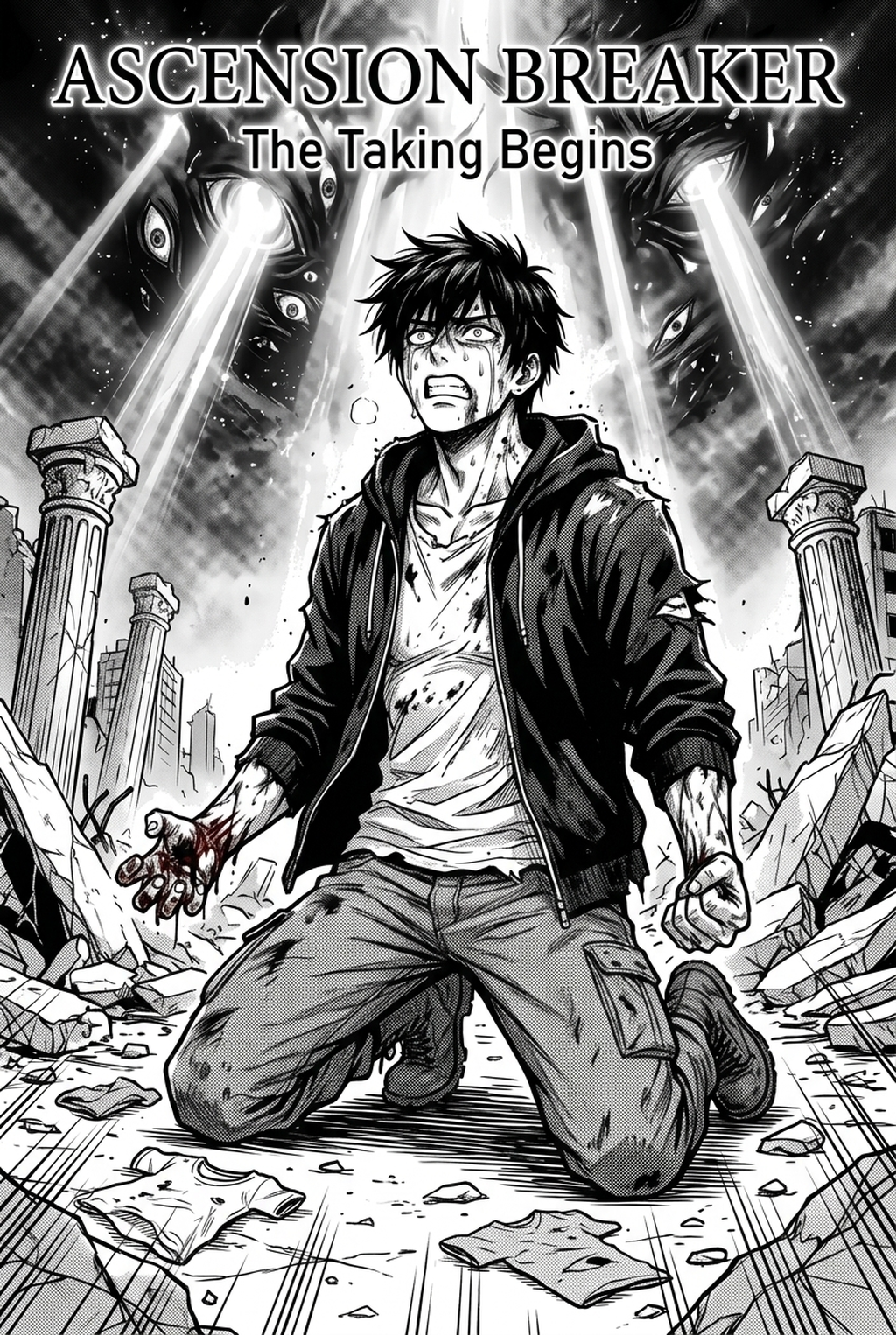
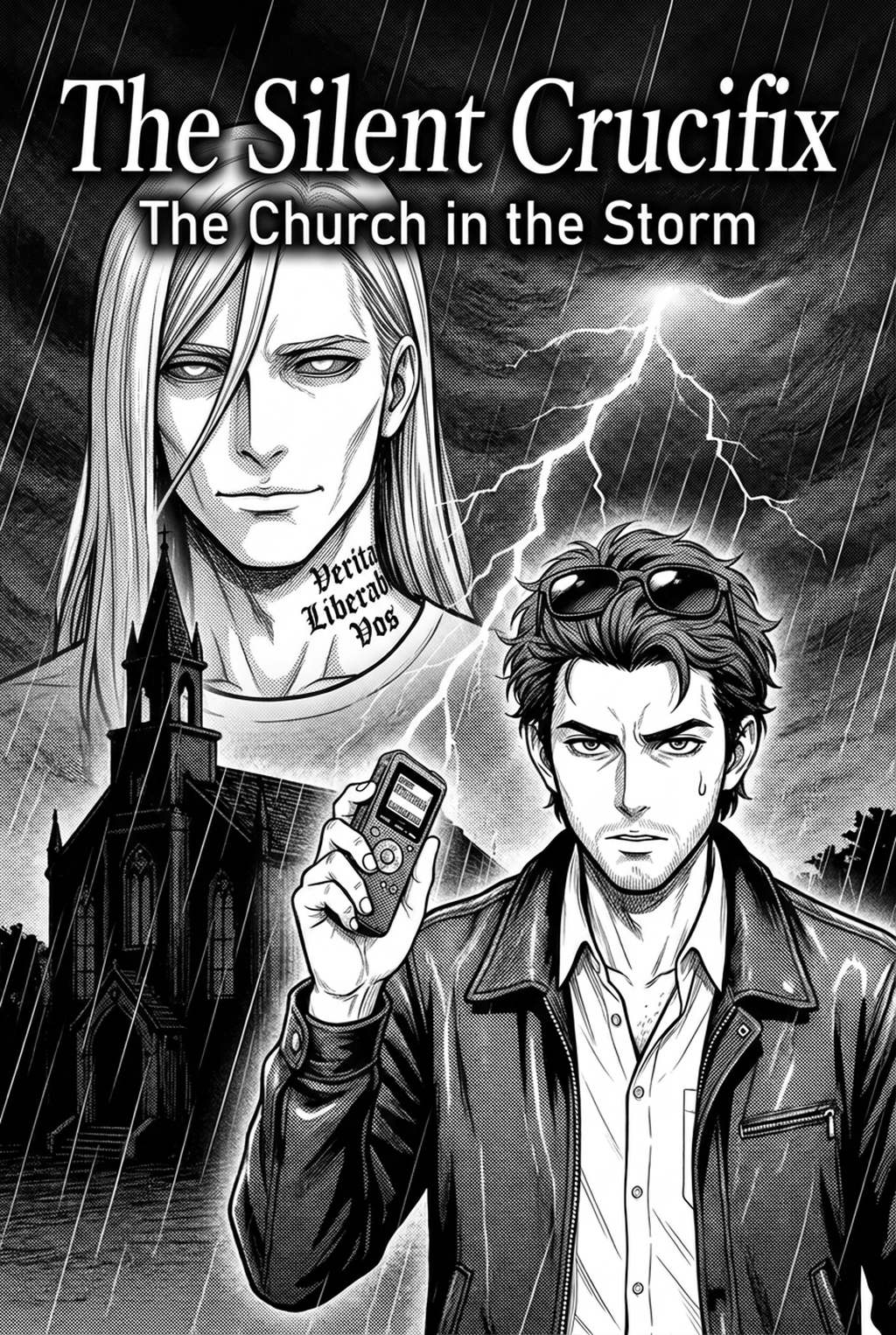
The vampire genre relies heavily on Goth-Manga influences, utilizing high-contrast chiaroscuro to transform simple, flat panels into depth-heavy illustrations that emphasize the isolation of supernatural characters. This aesthetic demands more than just black ink; it requires a sophisticated use of negative space to heighten suspense during quiet, hunting-focused scenes.
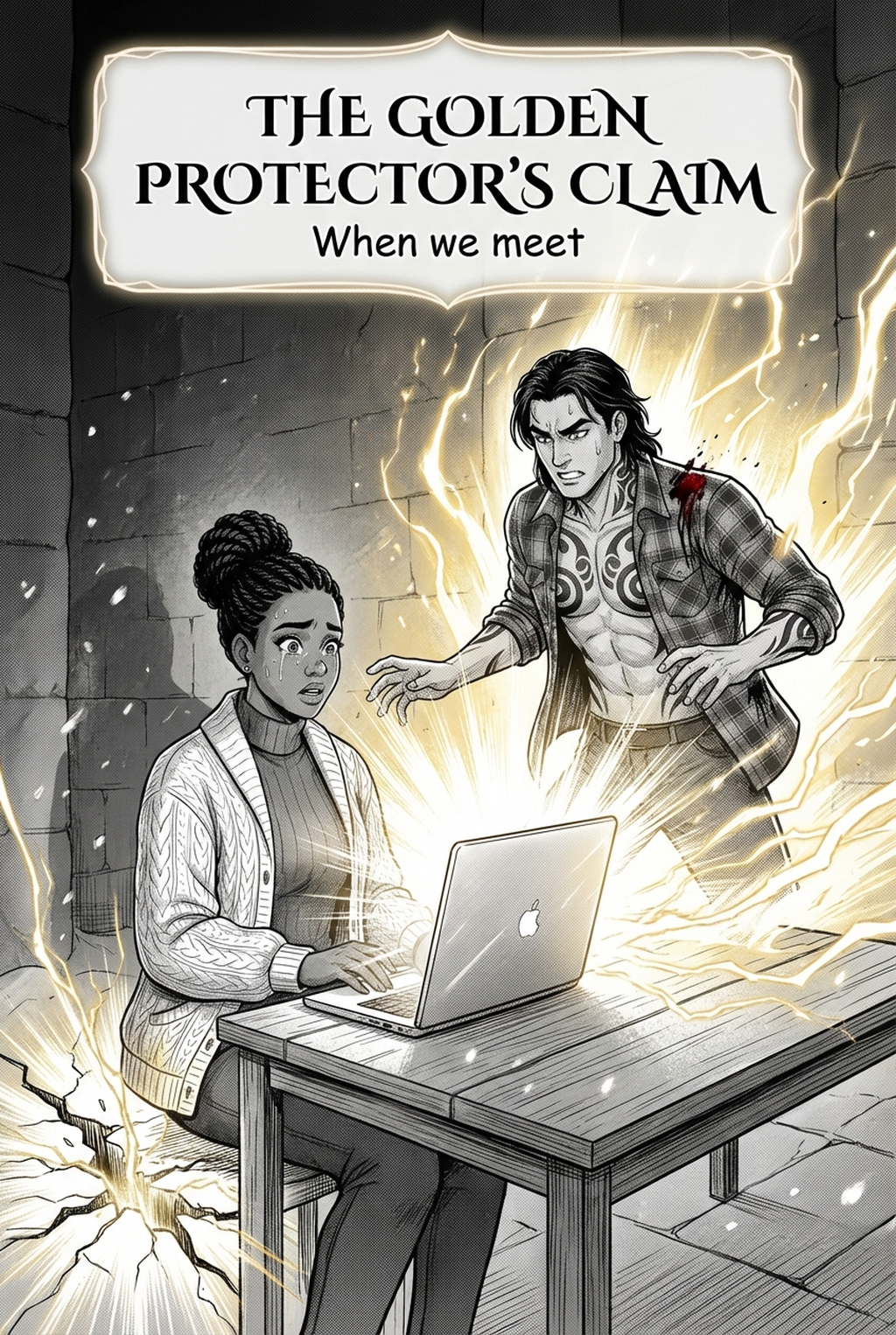
Visual Markers and Shadow Casting. Effective horror relies on dramatic light sources, where deep, heavy shadows often obscure portions of the character's face to hide their true, monstrous nature until the climactic moment. You must prioritize the following visual techniques to maintain genre standards:
- Sharp facial geometries: Use exaggerated, angular chin lines and pointed ears to suggest a predatory, unnatural biology that differentiates vampires from standard human character designs. * Ornate period costuming: Incorporate complex textures like lace, high collars, or velvet, which force you to maintain high-resolution line integrity so these details do not blur during the printing process. * Supernatural agility silhouettes: Utilize elongated, flowing ink strokes that trail behind the character, emphasizing their speed and supernatural presence in low-light environments.
- Chapter cadence. Use the AI pass for pages where speed matters most, such as repeated action poses, transformation beats, or dense speed-line panels. Keep manual cleanup for hero panels where the line style defines the emotional peak.
- Character continuity. Compare the generated lines against the same model sheet, costume notes, and facial-expression range used during sketching. This prevents a fast inking pass from drifting away from the character identity readers recognize.
- Export readiness. Check whether the final manga output can move into lettering, coloring, or final layout without rebuilding panel borders or speech-bubble space. A good manga workflow should save time while keeping the next production step predictable.
Why Cohesive Visual Tension Influences Reader Response
Consistency in your art style functions as the primary delivery format for the reader's emotional response, where visual dread must directly precede the narrative climax to be effective. If your line weights shift randomly between panels, the reader loses their suspension of disbelief, effectively breaking the source context of your horror narrative.
Developing a distinct visual signature for a long-form vertical comic platforms allows your readers to instantly recognize your work within a crowded library. By utilizing a consistent library of screentone densities specifically calibrated for dark, moody backgrounds, you build a recognizable "dread profile" that signifies the presence of a supernatural threat even before a character appears on the page.
How Style Transfer Bridges the Gap to Finished Ink
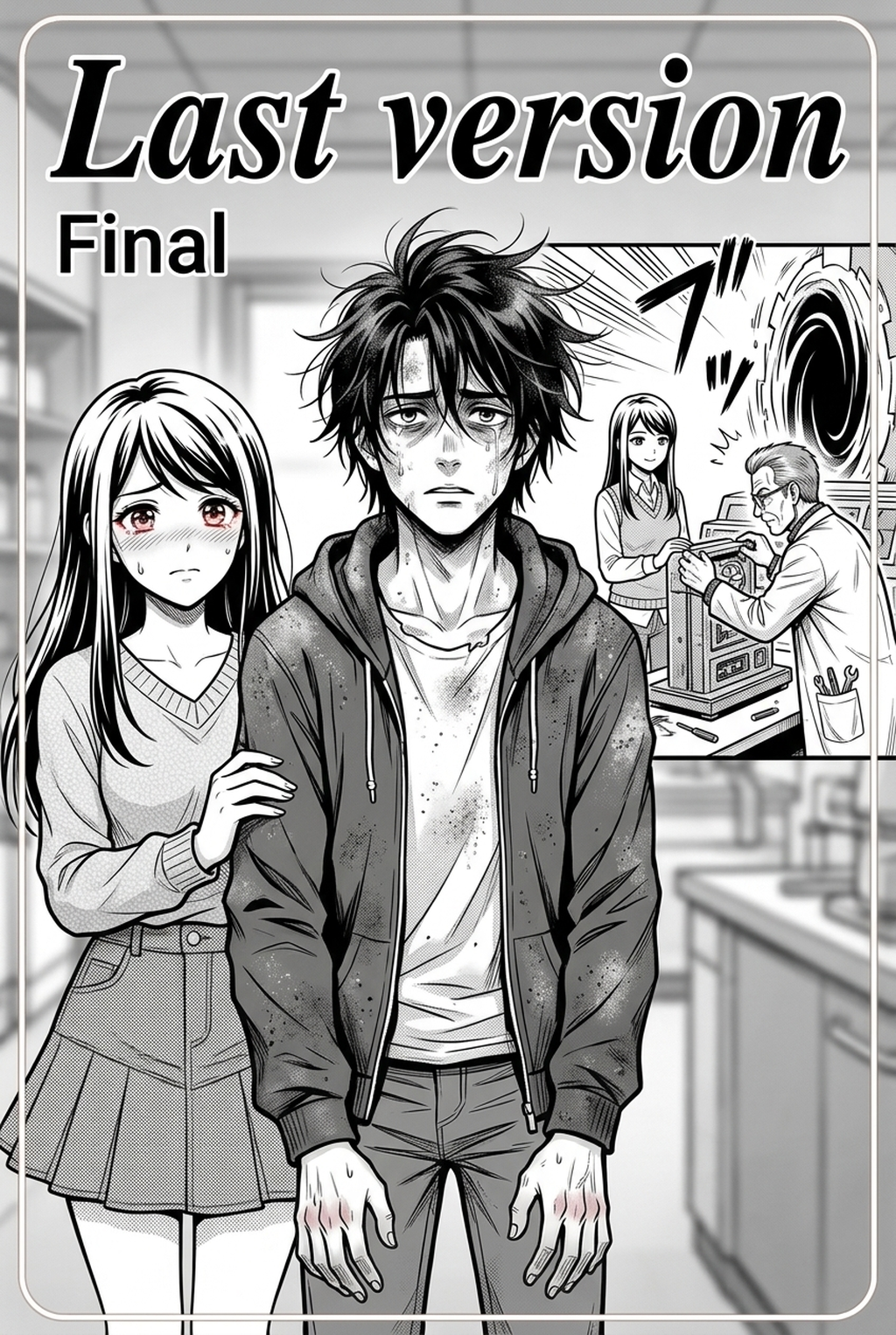
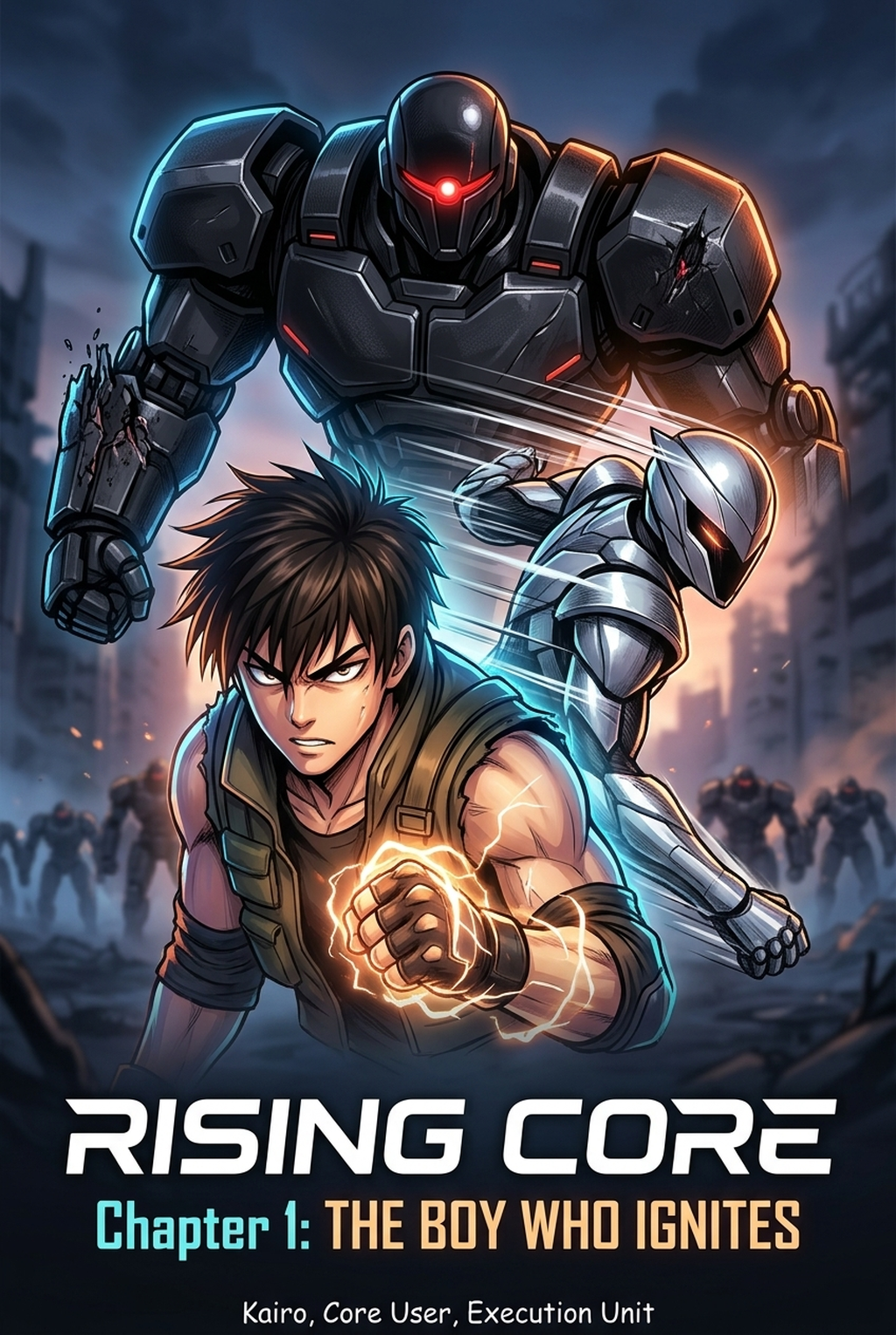
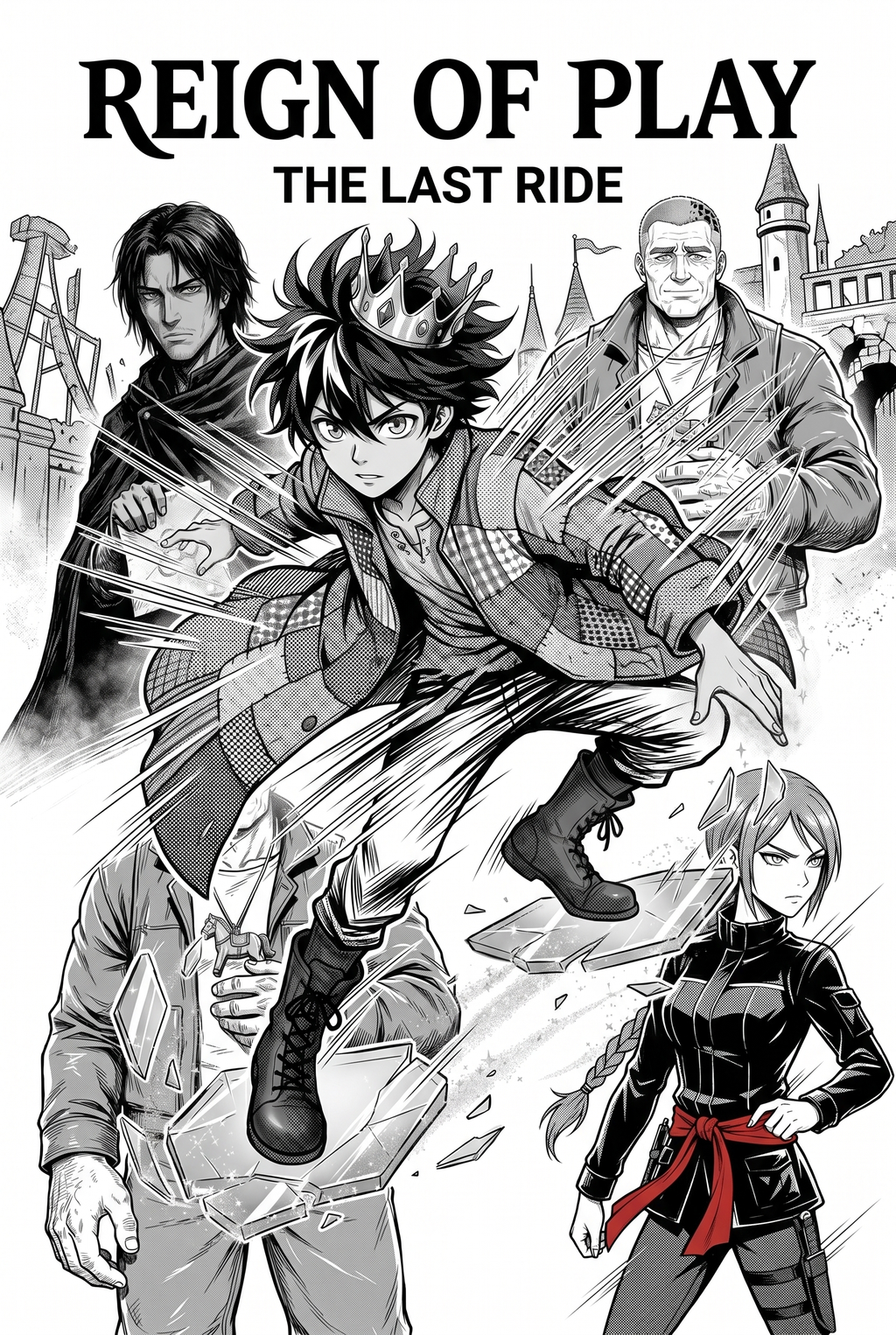
AI platforms like Vampire manga art style with Mangaka allow you to convert rough storyboards directly into a professional AI Manga Style Transfer workflow without sacrificing your unique creative vision. By processing your initial layout through a style-specific filter, you ensure that the intricate gothic details are rendered with precise line weights that would take hours to manually ink by hand.
Creators often struggle with the manual labor of shading hundreds of individual panels, which leads to fatigue and inconsistent output quality. An AI-assisted workflow acts as a review owner for your baseline aesthetic, ensuring that every panel adheres to your established rules for contrast, shadow depth, and character proportions across every chapter.
- Instant shading profiles: Automatically apply deep, high-contrast shadow masks that respect the original light source in your sketch. * Consistent line-art fidelity: Maintain uniform line thickness across both character outlines and complex background architecture, such as gothic cathedral arches or Victorian manor interiors. * Workflow efficiency: Reduce the time spent on manual inking by up to 70%, leaving more production bandwidth for script refinement and complex, multi-page battle sequences.
Complex Scenarios in Dark-Themed Manga Production
Balancing the romanticism of the shoujo aesthetic with the visceral gore of a seinen horror series requires careful navigation of anatomical constraints and blood-splatter placement. New artists frequently face the challenge of depth of darkness, struggling to determine when a panel requires total, solid black versus a subtle, gradient screentone to maintain readability.
Professional manga requires strict management of your layer hierarchy, particularly when your backgrounds involve highly detailed gothic architecture that could easily overwhelm the foreground characters. You must keep your character designs distinct from these environmental assets by using varying line weights, where the foreground characters feature a thicker, more aggressive stroke than the background elements.
Getting Started with Professional Horror Layouts
Mastering this genre involves a deep understanding of your own creative process and how you intend to use digital tools to augment your manual sketches. You must consider how specific character traits, such as glowing eyes or retracting fangs, impact the overall panel composition and whether they require a higher-resolution line treatment to pop against darker backgrounds.
- Optimizing dark aesthetic legibility: Focus on high-contrast edges rather than broad, empty black shapes to ensure details remain visible on mobile devices and physical print. * Software for sharp inking: Utilize digital tools that offer high-pressure sensitivity control, which is essential for capturing the sharp, tapering lines characteristic of modern vampire character design. * Defining character constants: Maintain a dedicated reference sheet for your character’s supernatural eyes, fangs, and hair volume to ensure these traits never drift during complex, high-motion action scenes.
Creators should compare the generated line art with the original sketch and confirm that facial expressions, props, speed lines, and speech-bubble space still support the scene. A repeatable review pass should cover character consistency, panel readability, background clarity, and whether the final file is ready for coloring, lettering, or editor feedback. For longer projects, creators should save approved examples of line weight, face detail, clothing folds, and background density. Those references keep later chapters closer to the intended style.
The Bottom Line
Mastering the creator workflow is ultimately about controlling the interaction between light and shadow to build a suffocating, atmospheric experience for your readers. By utilizing Vampire manga art style , you can bypass the tedious hours of manual inking and focus your energy on the intricate character work and narrative pacing that makes your story truly stand out.
Related articles
Vampire Manga Character Design: A Guide for Creators in 2026
Spice and Wolf Character Design Aesthetic Guide 2026
Mastering Biblia Bookstore Character Design Style in 2026