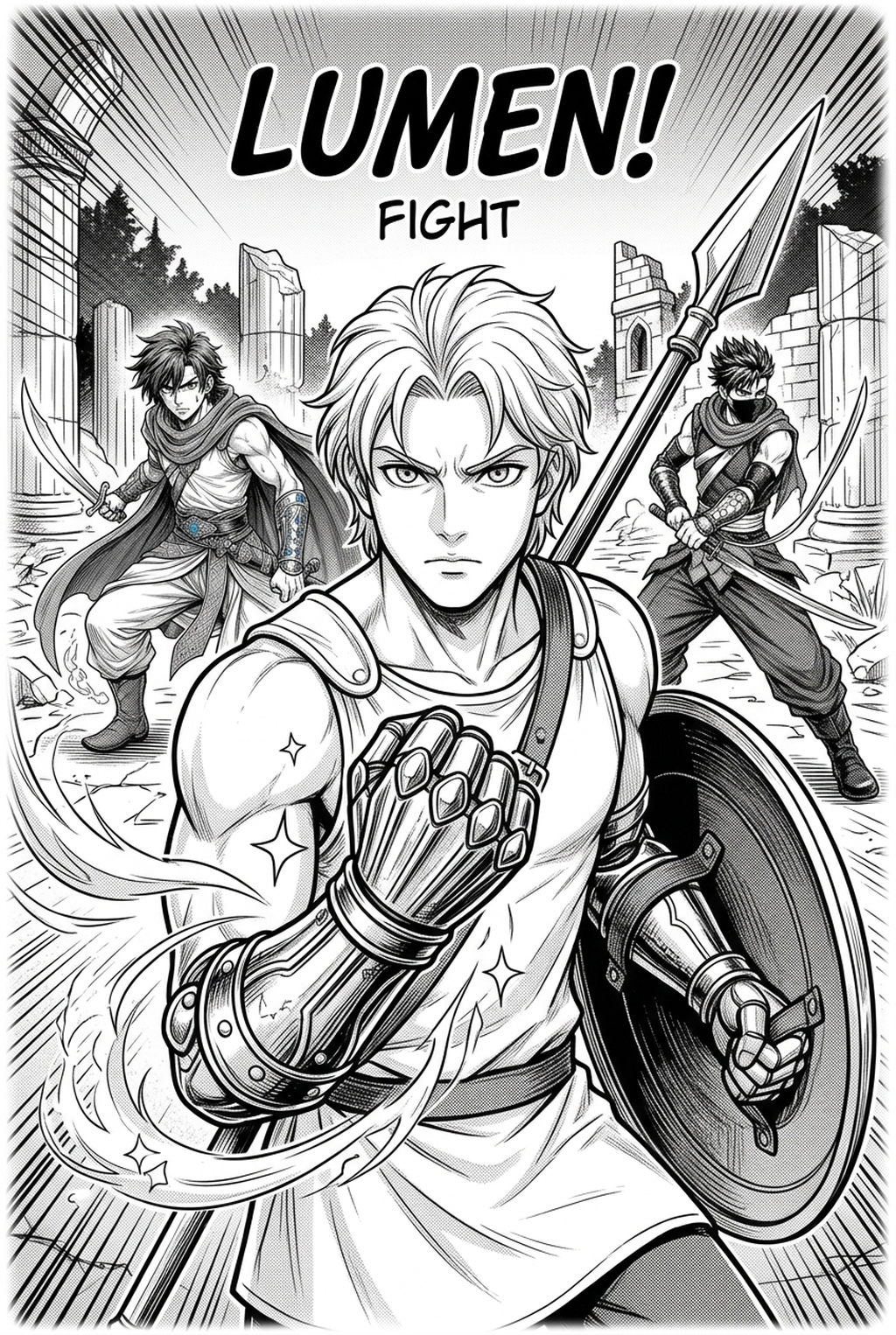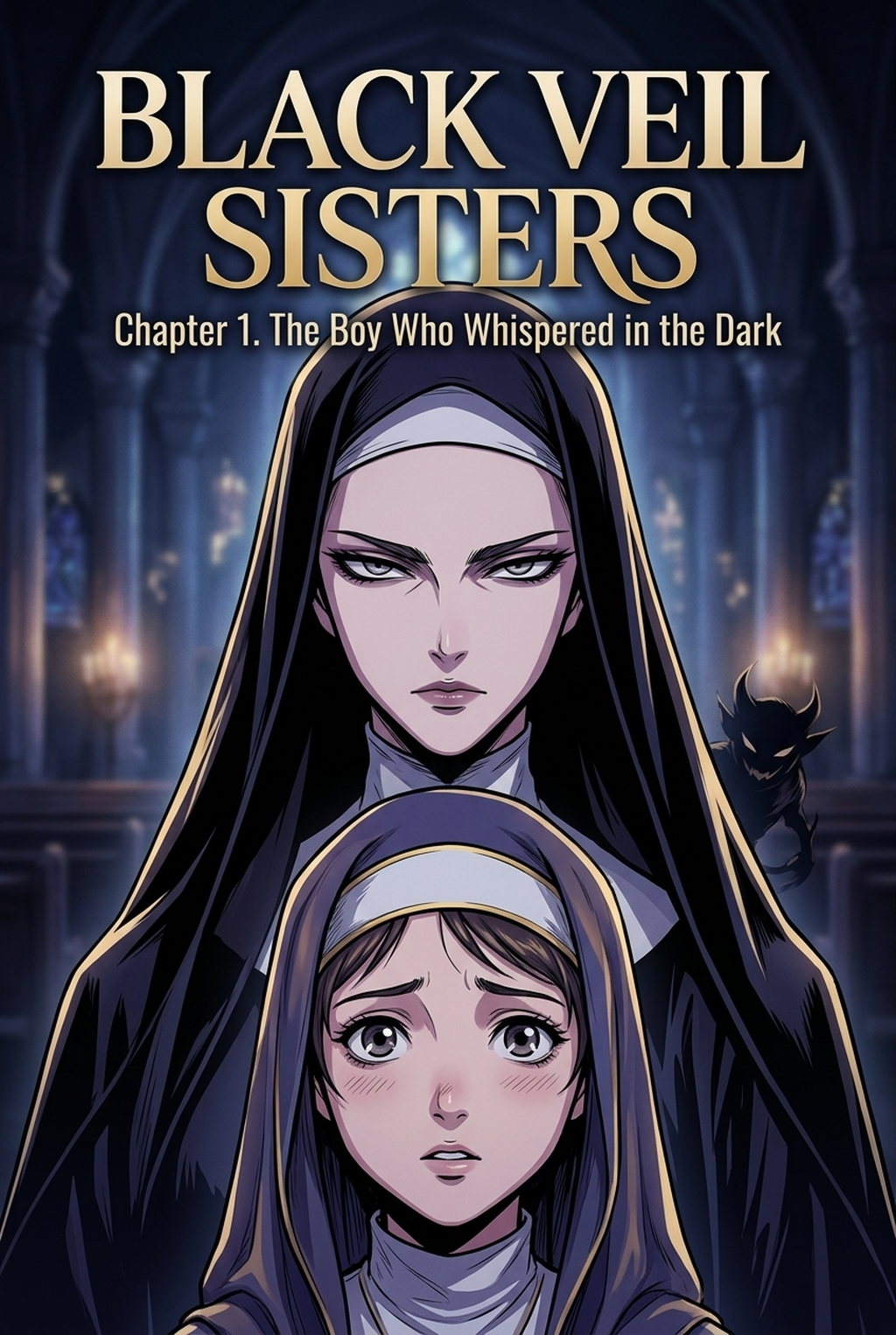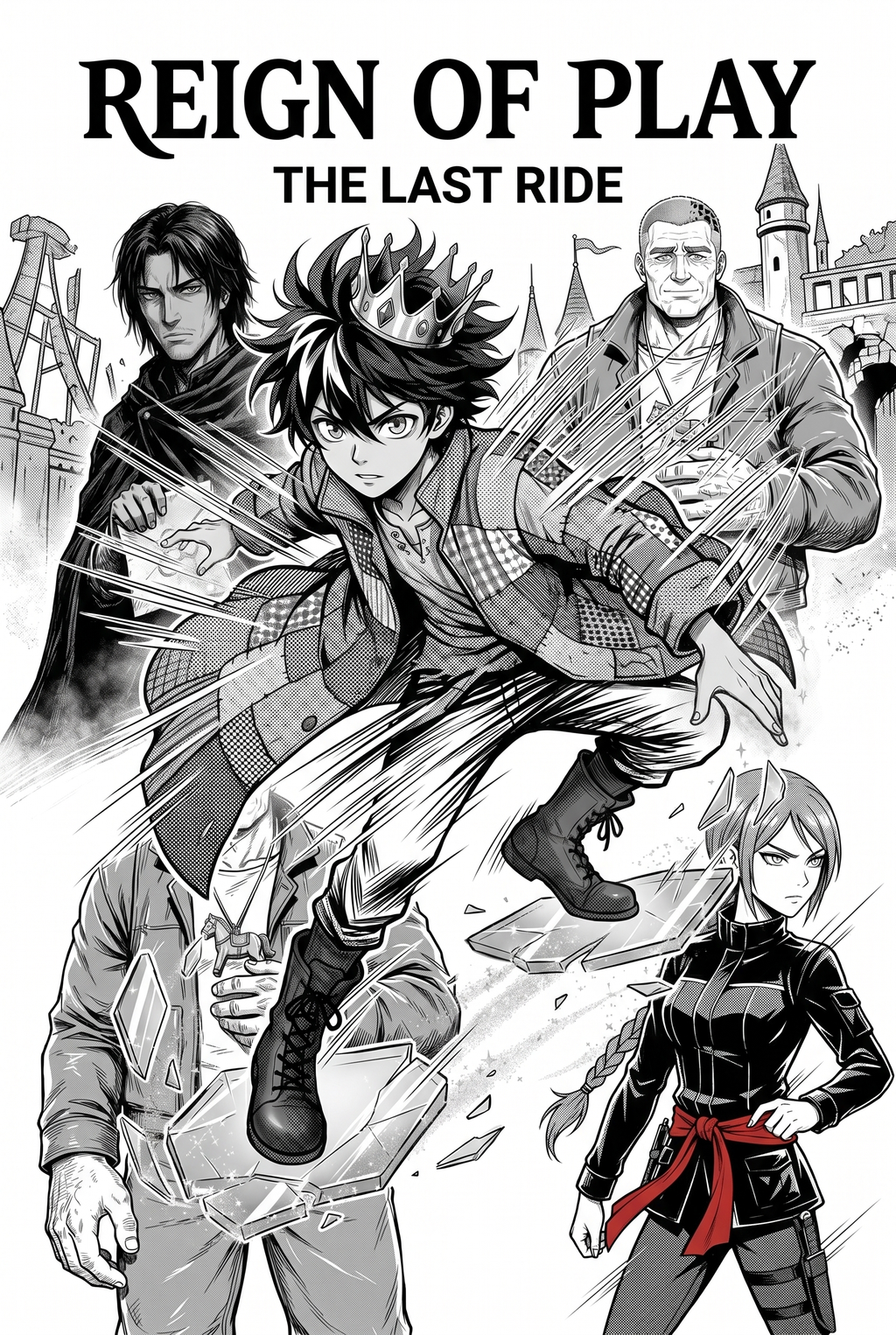
AI Manga Character Designer: Core Visual Archetypes in Supernatural Art
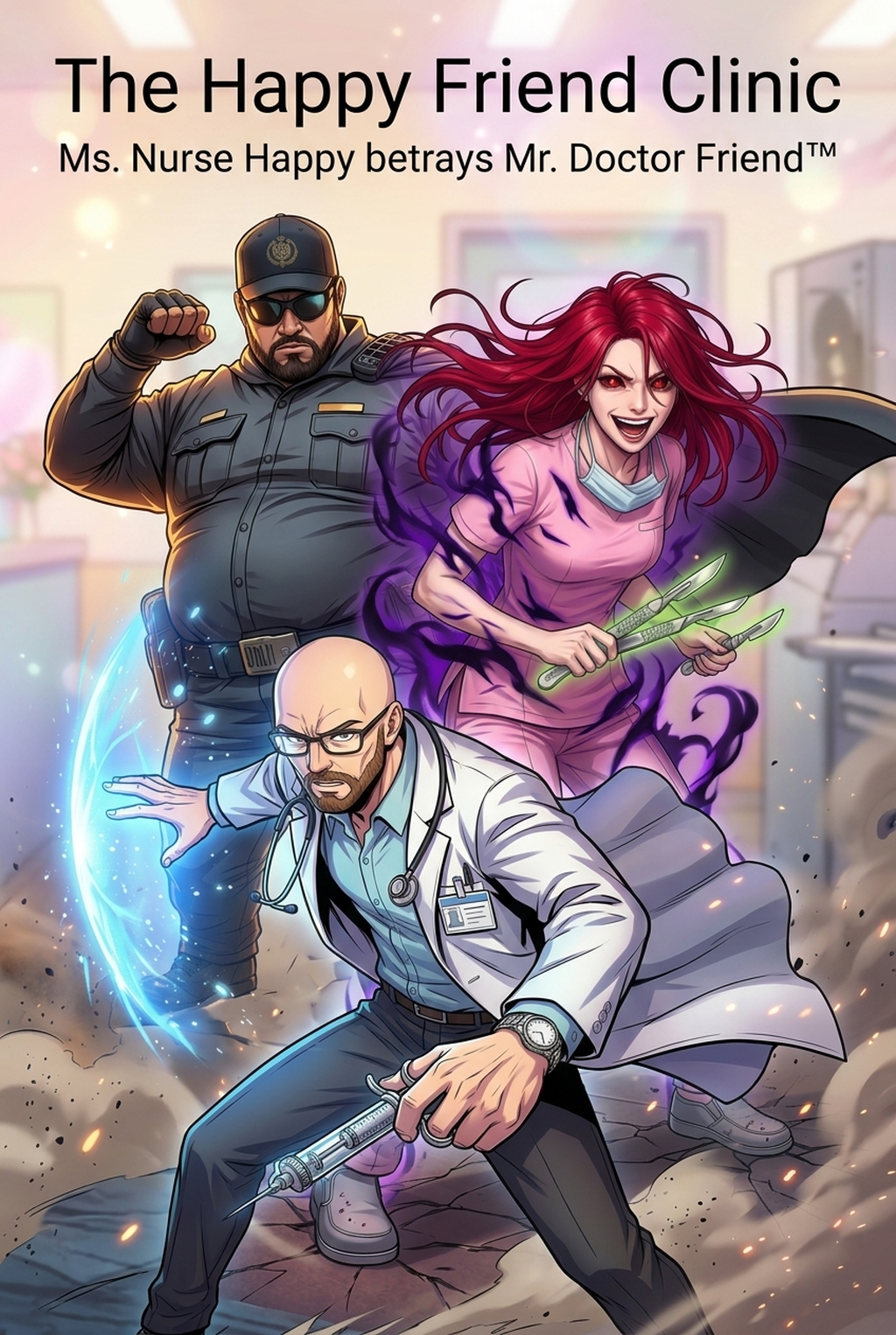
Effective design for an undead protagonist hinges on balancing iconic supernatural markers with grounded, human-like accessories that ground the character in your specific world-building. Relying solely on capes or high collars often leads to a derivative look that feels disconnected from the gritty reality of modern or historical manga layouts.
- Silhouette Geometry: Use sharp, angular chin lines and elongated, tapering limbs to contrast with the softer, rounder features of human supporting cast members. * Accessory Anchoring: Attach a recurring "human" item—like a tarnished locket or a modern tech-wear utility belt—to signal the character’s origin, effectively humanizing the vampire archetype. * Period Shorthand: Signal the century of the character’s transformation through subtle stylistic flourishes, such as Victorian-era cravats or modern distressed street-wear, which visually communicate age without needing exposition.
Why Technical Discipline Defines Vampire Series
Supernatural characters require a clear visual "transformation trigger" that alerts the reader to a shift in the character's internal state, often manifesting through eye pigmentation changes or altered line weight during combat. Without these specific visual cues, the transition from a calm, social vampire to an aggressive, feral predator appears jarring rather than dynamic.
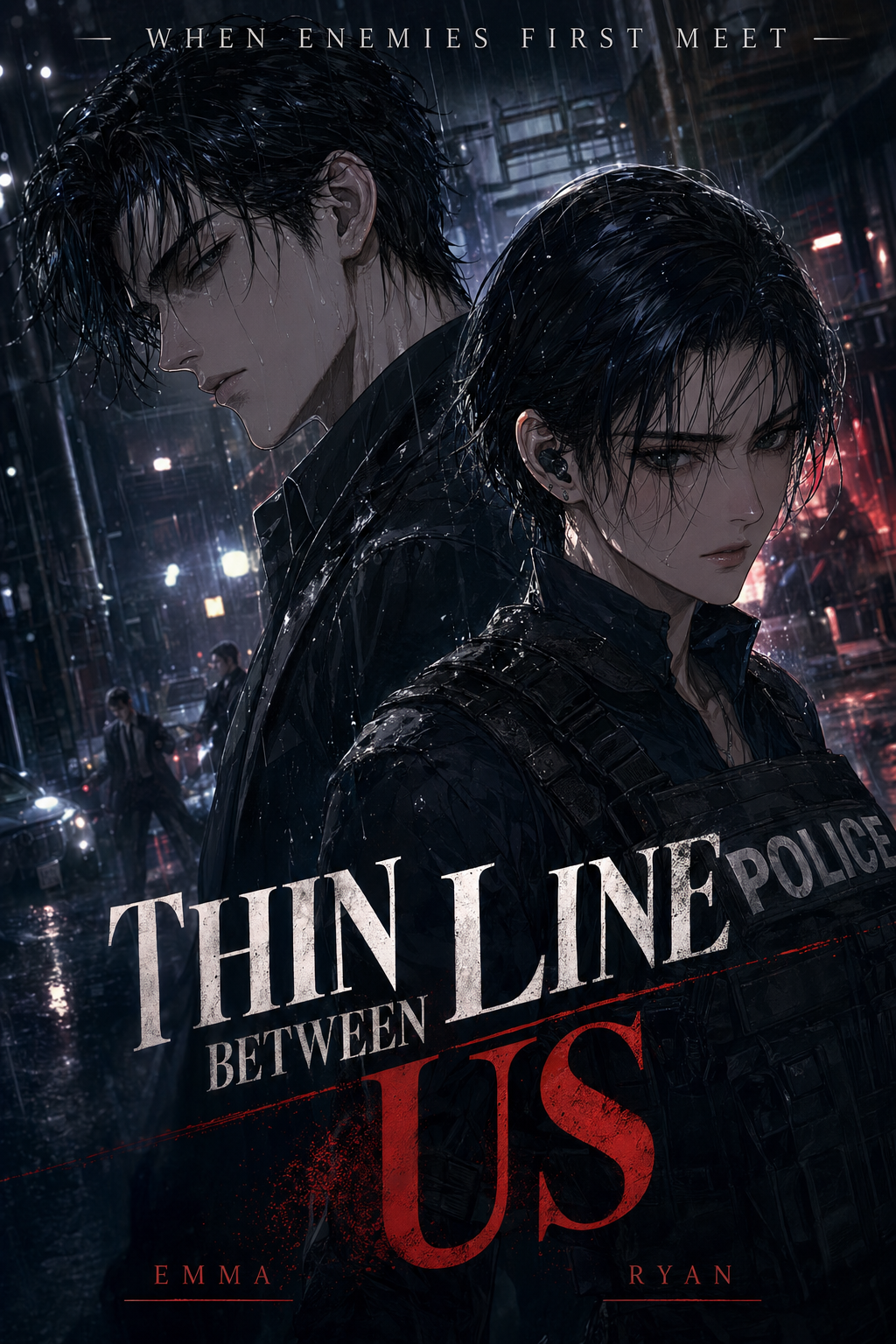
Color psychology serves as a vital tool for anchoring the reader's eye, specifically by utilizing deep, desaturated crimsons that stand out against the grey-scale gutters of a typical page. When applying these tones, balance the intensity of shadow play against the requirement for efficient inking; excessive detail in clothing folds often leads to "ink clutter" that muddies the character’s primary shape during fast-paced, high-motion page layouts.
Workflow Integration with Mangaka
AI-driven design tools maintain strict visual fidelity across large-scale projects by serving as the primary source context for your series’ master model sheets. By feeding descriptive creative briefs regarding specific posture, weapon geometry, and clothing layering into the Vampire manga character design with Mangaka , you generate high-fidelity turnarounds that remain constant through every stage of your inking process.
- Reference Blueprinting: Use the tool to establish a standardized turn-around for your lead before beginning the labor-intensive storyboard phase. * Consistency Maintenance: Eliminate line-weight drift by importing these generated sheets into your workspace as an underlay for complex panel transitions. * Prototyping Speed: Bypass hours of iterative sketching by testing multiple variations of a character’s "vampire covenant" affiliation through rapid text-input updates.
Narrative Utility for Visual Elements
A character’s design should act as a silent narrative device, where every scar or metallic accessory hints at their mortality and specific history within your story's world. Relying on "design clutter" is a common trap; prioritize one dominant feature, such as a unique, oversized mantle or a signature weapon, to ensure the character is instantly recognizable at a single glance, even in a crowded, high-action manga panel.
Consider a 20-page chapter involving a high-intensity rooftop fight. A creator might struggle with the vampire's mantle shifting inconsistently across 40 different panel segments. By utilizing an AI-generated model sheet as a constant side-reference, the artist locks the mantle’s drape and opacity, ensuring that the visual weight remains balanced throughout the Vampire manga character design and final digital cleanup. This proactive design approach allows you to spend your limited production time on complex composition rather than correcting basic proportion errors.
Execution for Long-Running Projects
Long-running series require a static reference library to prevent the gradual "character creep" where an undead protagonist looks younger or more human-like as the chapters progress. While manual sketching remains the vital foundation for artistic expression, using intelligent design tools to prototype and lock these core traits ensures that your primary cast remains iconic from chapter one to chapter one-hundred.
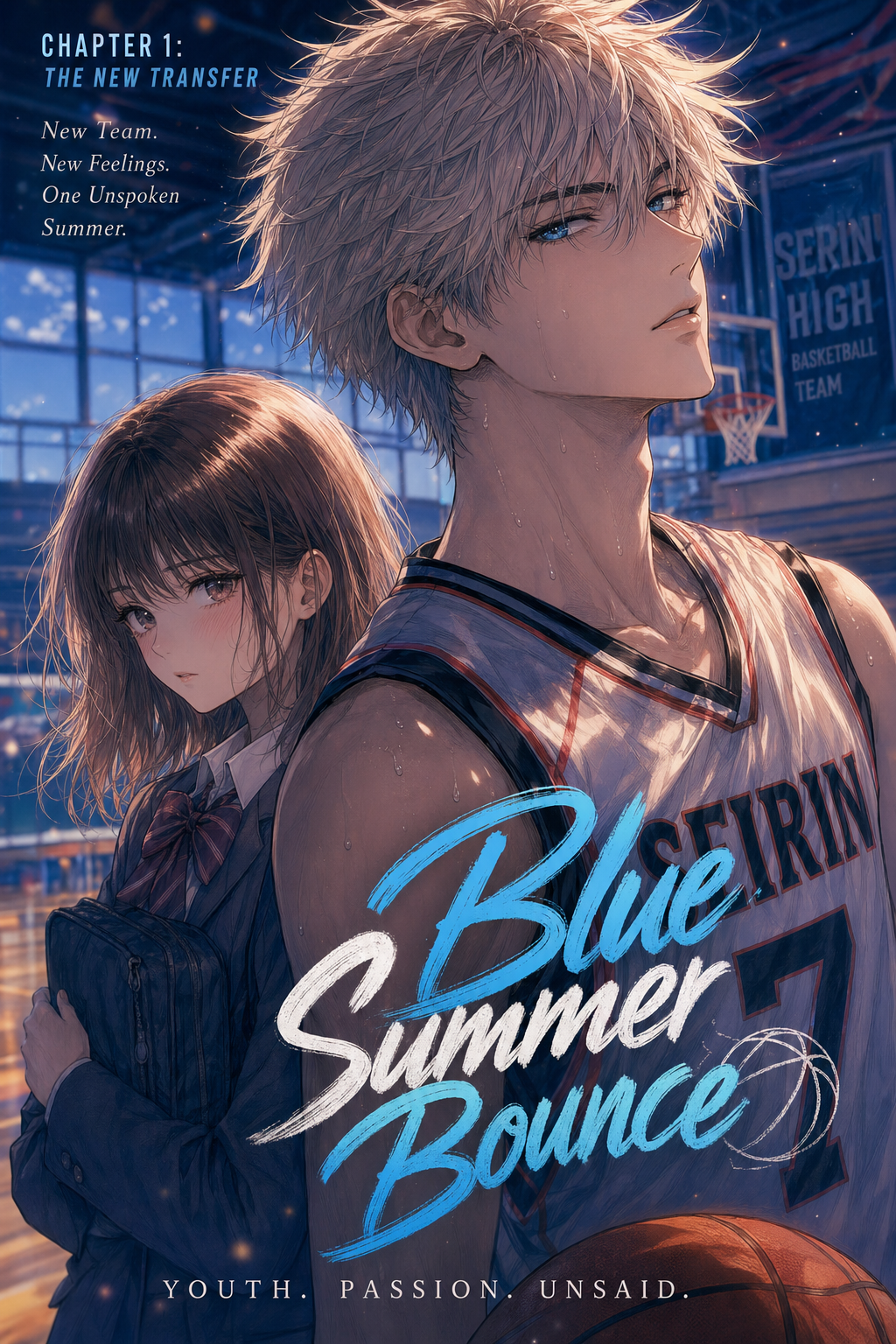
- Genre Reinvention: Do not feel obligated to stick strictly to gothic aesthetics; modern vampire stories often benefit from blending traditional dark-fantasy tropes with urban, slice-of-life, or school-life settings.
- Systematized Reference: Treat your AI-generated model sheets as a living document; as your character’s narrative arc changes, update the source context to reflect their evolution.
- Before Export. Creators should compare the generated line art with the original sketch and confirm that facial expressions, props, speed lines, and speech-bubble space still support the scene. A repeatable review pass should cover character consistency, panel readability, background clarity, and whether the final file is ready for coloring, lettering, or editor feedback.
- For Longer Projects. Creators should save approved examples of line weight, face detail, clothing folds, and background density. Those references keep later chapters closer to the intended style. For collaboration, creators should mark which panels are final and which panels still need redraws. Clear status labels prevent an assistant, editor, or colorist from polishing the wrong version.
- For Publishing. Creators should review the page at the actual reading size before export. Small screens expose crowded dialogue, weak silhouettes, and line details that looked fine while zoomed in. This keeps the review focused on story intent, line weight, panel readability, and the export quality behind the final AI Manga Character Designer output.
- For Style Control. Creators should keep a short reference board beside the draft and compare hair shapes, eye details, costume folds, and texture choices before approving the final page. For revision planning, creators should separate art fixes from story fixes. Line cleanup, panel order, dialogue clarity, and character acting each need a different review question.
The Bottom Line
Mastering the design of supernatural protagonists is a balance between respecting genre traditions and leveraging modern technology to preserve visual consistency across your production process. By integrating professional design standards with the Vampire manga character design , you can effectively anchor your vampire characters and focus your creative energy on storytelling and complex panel composition.
Related articles
Spice and Wolf Character Design Aesthetic Guide 2026
Mastering Biblia Bookstore Character Design Style in 2026
Decoding the Manchuria Opium Squad Art Style for Creators