TL;DR: This guide turns the main idea into a repeatable manga workflow: define intent, plan the page, protect continuity, review accessibility, and export only after a human quality check. The keyword is a starting point, not a promise of an automatic result.
- Direct answer: This guide turns the main idea into a repeatable manga workflow: define intent, plan the page, protect continuity, review accessibility, and export only after a human quality check. The keyword is a starting point, not a promise of an automatic result.
- Main keyword: how to make a manga coverHow to Make a Manga Cover: Composition, Type and Export
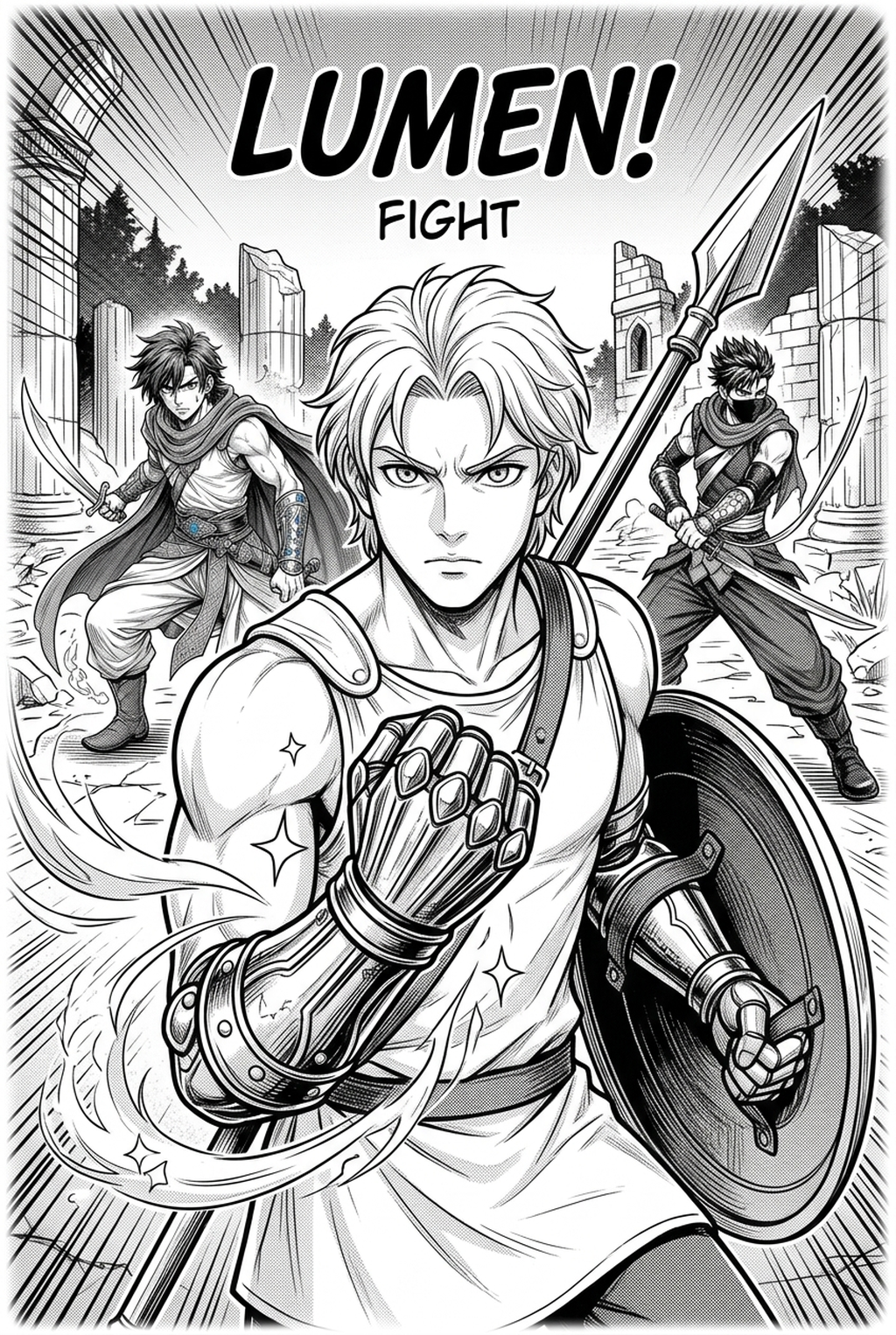
! Manga creation workspace showing a planned page and character reference — cover Cover illustration for How to Make a Manga Cover: Composition, Type and Export.
Working section 1
In this section, apply the keyword “how to make a manga cover” to decision 1.
Start with a precise brief for “how to make a manga cover”. Name the reader, the intended emotion, the page format and the decision the page must support. A short brief keeps experimentation useful because every visual choice can be compared with something concrete.
Treat the first draft as a controlled test rather than a final answer. Change one variable at a time, record what changed, and keep the version that communicates the idea with the least explanation. This makes revision easier for a solo creator or a small team.
A strong workflow separates story decisions from decoration. Decide what the reader must notice first, what can wait, and what should remain quiet. Then use composition, contrast, lettering and spacing to make that order visible without relying on a long caption.
Continuity is practical quality control. Keep a small reference sheet for names, silhouettes, clothing, props, colour limits and speech style. Revisit it before each page so a later panel does not quietly contradict an earlier one.
Review the result at the size where people will actually read it. A detail that looks impressive when zoomed in may disappear on a phone, while an oversized effect can make dialogue harder to follow. Test the page at two sizes before export.
Working section 2
In this section, apply the keyword “how to make a manga cover” to decision 2.
Treat the first draft as a controlled test rather than a final answer. Change one variable at a time, record what changed, and keep the version that communicates the idea with the least explanation. This makes revision easier for a solo creator or a small team.
A strong workflow separates story decisions from decoration. Decide what the reader must notice first, what can wait, and what should remain quiet. Then use composition, contrast, lettering and spacing to make that order visible without relying on a long caption.
Continuity is practical quality control. Keep a small reference sheet for names, silhouettes, clothing, props, colour limits and speech style. Revisit it before each page so a later panel does not quietly contradict an earlier one.
Review the result at the size where people will actually read it. A detail that looks impressive when zoomed in may disappear on a phone, while an oversized effect can make dialogue harder to follow. Test the page at two sizes before export.
Start with a precise brief for “how to make a manga cover”. Name the reader, the intended emotion, the page format and the decision the page must support. A short brief keeps experimentation useful because every visual choice can be compared with something concrete.
Working section 3
In this section, apply the keyword “how to make a manga cover” to decision 3.
A strong workflow separates story decisions from decoration. Decide what the reader must notice first, what can wait, and what should remain quiet. Then use composition, contrast, lettering and spacing to make that order visible without relying on a long caption.
Continuity is practical quality control. Keep a small reference sheet for names, silhouettes, clothing, props, colour limits and speech style. Revisit it before each page so a later panel does not quietly contradict an earlier one.
Review the result at the size where people will actually read it. A detail that looks impressive when zoomed in may disappear on a phone, while an oversized effect can make dialogue harder to follow. Test the page at two sizes before export.
Start with a precise brief for “how to make a manga cover”. Name the reader, the intended emotion, the page format and the decision the page must support. A short brief keeps experimentation useful because every visual choice can be compared with something concrete.
Treat the first draft as a controlled test rather than a final answer. Change one variable at a time, record what changed, and keep the version that communicates the idea with the least explanation. This makes revision easier for a solo creator or a small team.
| Choice | Question to ask | Evidence to keep |
|---|---|---|
| Scope | What is this page for? | Brief |
| Rhythm | Where should the eye pause? | Thumbnail test |
| Continuity | What must stay stable? | Reference sheet |
Working section 4
In this section, apply the keyword “how to make a manga cover” to decision 4.
Continuity is practical quality control. Keep a small reference sheet for names, silhouettes, clothing, props, colour limits and speech style. Revisit it before each page so a later panel does not quietly contradict an earlier one.
Review the result at the size where people will actually read it. A detail that looks impressive when zoomed in may disappear on a phone, while an oversized effect can make dialogue harder to follow. Test the page at two sizes before export.
Start with a precise brief for “how to make a manga cover”. Name the reader, the intended emotion, the page format and the decision the page must support. A short brief keeps experimentation useful because every visual choice can be compared with something concrete.
Treat the first draft as a controlled test rather than a final answer. Change one variable at a time, record what changed, and keep the version that communicates the idea with the least explanation. This makes revision easier for a solo creator or a small team.
A strong workflow separates story decisions from decoration. Decide what the reader must notice first, what can wait, and what should remain quiet. Then use composition, contrast, lettering and spacing to make that order visible without relying on a long caption.
Working section 5
In this section, apply the keyword “how to make a manga cover” to decision 5.
Review the result at the size where people will actually read it. A detail that looks impressive when zoomed in may disappear on a phone, while an oversized effect can make dialogue harder to follow. Test the page at two sizes before export.
Start with a precise brief for “how to make a manga cover”. Name the reader, the intended emotion, the page format and the decision the page must support. A short brief keeps experimentation useful because every visual choice can be compared with something concrete.
Treat the first draft as a controlled test rather than a final answer. Change one variable at a time, record what changed, and keep the version that communicates the idea with the least explanation. This makes revision easier for a solo creator or a small team.
A strong workflow separates story decisions from decoration. Decide what the reader must notice first, what can wait, and what should remain quiet. Then use composition, contrast, lettering and spacing to make that order visible without relying on a long caption.
Continuity is practical quality control. Keep a small reference sheet for names, silhouettes, clothing, props, colour limits and speech style. Revisit it before each page so a later panel does not quietly contradict an earlier one.
Working section 6
In this section, apply the keyword “how to make a manga cover” to decision 6.
Start with a precise brief for “how to make a manga cover”. Name the reader, the intended emotion, the page format and the decision the page must support. A short brief keeps experimentation useful because every visual choice can be compared with something concrete.
Treat the first draft as a controlled test rather than a final answer. Change one variable at a time, record what changed, and keep the version that communicates the idea with the least explanation. This makes revision easier for a solo creator or a small team.
A strong workflow separates story decisions from decoration. Decide what the reader must notice first, what can wait, and what should remain quiet. Then use composition, contrast, lettering and spacing to make that order visible without relying on a long caption.
Continuity is practical quality control. Keep a small reference sheet for names, silhouettes, clothing, props, colour limits and speech style. Revisit it before each page so a later panel does not quietly contradict an earlier one.
Review the result at the size where people will actually read it. A detail that looks impressive when zoomed in may disappear on a phone, while an oversized effect can make dialogue harder to follow. Test the page at two sizes before export.
- Write the intent.
- Make a small thumbnail.
- Check the reading order.
- Revise one variable.
- Export only after the review.
Working section 7
In this section, apply the keyword “how to make a manga cover” to decision 7.
Treat the first draft as a controlled test rather than a final answer. Change one variable at a time, record what changed, and keep the version that communicates the idea with the least explanation. This makes revision easier for a solo creator or a small team.
A strong workflow separates story decisions from decoration. Decide what the reader must notice first, what can wait, and what should remain quiet. Then use composition, contrast, lettering and spacing to make that order visible without relying on a long caption.
Continuity is practical quality control. Keep a small reference sheet for names, silhouettes, clothing, props, colour limits and speech style. Revisit it before each page so a later panel does not quietly contradict an earlier one.
Review the result at the size where people will actually read it. A detail that looks impressive when zoomed in may disappear on a phone, while an oversized effect can make dialogue harder to follow. Test the page at two sizes before export.
Start with a precise brief for “how to make a manga cover”. Name the reader, the intended emotion, the page format and the decision the page must support. A short brief keeps experimentation useful because every visual choice can be compared with something concrete.
Working section 8
In this section, apply the keyword “how to make a manga cover” to decision 8.
A strong workflow separates story decisions from decoration. Decide what the reader must notice first, what can wait, and what should remain quiet. Then use composition, contrast, lettering and spacing to make that order visible without relying on a long caption.
Continuity is practical quality control. Keep a small reference sheet for names, silhouettes, clothing, props, colour limits and speech style. Revisit it before each page so a later panel does not quietly contradict an earlier one.
Review the result at the size where people will actually read it. A detail that looks impressive when zoomed in may disappear on a phone, while an oversized effect can make dialogue harder to follow. Test the page at two sizes before export.
Start with a precise brief for “how to make a manga cover”. Name the reader, the intended emotion, the page format and the decision the page must support. A short brief keeps experimentation useful because every visual choice can be compared with something concrete.
Treat the first draft as a controlled test rather than a final answer. Change one variable at a time, record what changed, and keep the version that communicates the idea with the least explanation. This makes revision easier for a solo creator or a small team.
Working section 9
In this section, apply the keyword “how to make a manga cover” to decision 9.
Continuity is practical quality control. Keep a small reference sheet for names, silhouettes, clothing, props, colour limits and speech style. Revisit it before each page so a later panel does not quietly contradict an earlier one.
Review the result at the size where people will actually read it. A detail that looks impressive when zoomed in may disappear on a phone, while an oversized effect can make dialogue harder to follow. Test the page at two sizes before export.
Start with a precise brief for “how to make a manga cover”. Name the reader, the intended emotion, the page format and the decision the page must support. A short brief keeps experimentation useful because every visual choice can be compared with something concrete.
Treat the first draft as a controlled test rather than a final answer. Change one variable at a time, record what changed, and keep the version that communicates the idea with the least explanation. This makes revision easier for a solo creator or a small team.
A strong workflow separates story decisions from decoration. Decide what the reader must notice first, what can wait, and what should remain quiet. Then use composition, contrast, lettering and spacing to make that order visible without relying on a long caption.
Working section 10
In this section, apply the keyword “how to make a manga cover” to decision 10.
Review the result at the size where people will actually read it. A detail that looks impressive when zoomed in may disappear on a phone, while an oversized effect can make dialogue harder to follow. Test the page at two sizes before export.
Start with a precise brief for “how to make a manga cover”. Name the reader, the intended emotion, the page format and the decision the page must support. A short brief keeps experimentation useful because every visual choice can be compared with something concrete.
Treat the first draft as a controlled test rather than a final answer. Change one variable at a time, record what changed, and keep the version that communicates the idea with the least explanation. This makes revision easier for a solo creator or a small team.
A strong workflow separates story decisions from decoration. Decide what the reader must notice first, what can wait, and what should remain quiet. Then use composition, contrast, lettering and spacing to make that order visible without relying on a long caption.
Continuity is practical quality control. Keep a small reference sheet for names, silhouettes, clothing, props, colour limits and speech style. Revisit it before each page so a later panel does not quietly contradict an earlier one.
Working section 11
In this section, apply the keyword “how to make a manga cover” to decision 11.
Start with a precise brief for “how to make a manga cover”. Name the reader, the intended emotion, the page format and the decision the page must support. A short brief keeps experimentation useful because every visual choice can be compared with something concrete.
Treat the first draft as a controlled test rather than a final answer. Change one variable at a time, record what changed, and keep the version that communicates the idea with the least explanation. This makes revision easier for a solo creator or a small team.
A strong workflow separates story decisions from decoration. Decide what the reader must notice first, what can wait, and what should remain quiet. Then use composition, contrast, lettering and spacing to make that order visible without relying on a long caption.
Continuity is practical quality control. Keep a small reference sheet for names, silhouettes, clothing, props, colour limits and speech style. Revisit it before each page so a later panel does not quietly contradict an earlier one.
Review the result at the size where people will actually read it. A detail that looks impressive when zoomed in may disappear on a phone, while an oversized effect can make dialogue harder to follow. Test the page at two sizes before export.
Working section 12
In this section, apply the keyword “how to make a manga cover” to decision 12.
Treat the first draft as a controlled test rather than a final answer. Change one variable at a time, record what changed, and keep the version that communicates the idea with the least explanation. This makes revision easier for a solo creator or a small team.
A strong workflow separates story decisions from decoration. Decide what the reader must notice first, what can wait, and what should remain quiet. Then use composition, contrast, lettering and spacing to make that order visible without relying on a long caption.
Continuity is practical quality control. Keep a small reference sheet for names, silhouettes, clothing, props, colour limits and speech style. Revisit it before each page so a later panel does not quietly contradict an earlier one.
Review the result at the size where people will actually read it. A detail that looks impressive when zoomed in may disappear on a phone, while an oversized effect can make dialogue harder to follow. Test the page at two sizes before export.
Start with a precise brief for “how to make a manga cover”. Name the reader, the intended emotion, the page format and the decision the page must support. A short brief keeps experimentation useful because every visual choice can be compared with something concrete.
Working section 13
In this section, apply the keyword “how to make a manga cover” to decision 13.
A strong workflow separates story decisions from decoration. Decide what the reader must notice first, what can wait, and what should remain quiet. Then use composition, contrast, lettering and spacing to make that order visible without relying on a long caption.
Continuity is practical quality control. Keep a small reference sheet for names, silhouettes, clothing, props, colour limits and speech style. Revisit it before each page so a later panel does not quietly contradict an earlier one.
Review the result at the size where people will actually read it. A detail that looks impressive when zoomed in may disappear on a phone, while an oversized effect can make dialogue harder to follow. Test the page at two sizes before export.
Start with a precise brief for “how to make a manga cover”. Name the reader, the intended emotion, the page format and the decision the page must support. A short brief keeps experimentation useful because every visual choice can be compared with something concrete.
Treat the first draft as a controlled test rather than a final answer. Change one variable at a time, record what changed, and keep the version that communicates the idea with the least explanation. This makes revision easier for a solo creator or a small team.
Working section 14
In this section, apply the keyword “how to make a manga cover” to decision 14.
Continuity is practical quality control. Keep a small reference sheet for names, silhouettes, clothing, props, colour limits and speech style. Revisit it before each page so a later panel does not quietly contradict an earlier one.
Review the result at the size where people will actually read it. A detail that looks impressive when zoomed in may disappear on a phone, while an oversized effect can make dialogue harder to follow. Test the page at two sizes before export.
Start with a precise brief for “how to make a manga cover”. Name the reader, the intended emotion, the page format and the decision the page must support. A short brief keeps experimentation useful because every visual choice can be compared with something concrete.
Treat the first draft as a controlled test rather than a final answer. Change one variable at a time, record what changed, and keep the version that communicates the idea with the least explanation. This makes revision easier for a solo creator or a small team.
A strong workflow separates story decisions from decoration. Decide what the reader must notice first, what can wait, and what should remain quiet. Then use composition, contrast, lettering and spacing to make that order visible without relying on a long caption.
Working section 15
In this section, apply the keyword “how to make a manga cover” to decision 15.
Review the result at the size where people will actually read it. A detail that looks impressive when zoomed in may disappear on a phone, while an oversized effect can make dialogue harder to follow. Test the page at two sizes before export.
Start with a precise brief for “how to make a manga cover”. Name the reader, the intended emotion, the page format and the decision the page must support. A short brief keeps experimentation useful because every visual choice can be compared with something concrete.
Treat the first draft as a controlled test rather than a final answer. Change one variable at a time, record what changed, and keep the version that communicates the idea with the least explanation. This makes revision easier for a solo creator or a small team.
A strong workflow separates story decisions from decoration. Decide what the reader must notice first, what can wait, and what should remain quiet. Then use composition, contrast, lettering and spacing to make that order visible without relying on a long caption.
Continuity is practical quality control. Keep a small reference sheet for names, silhouettes, clothing, props, colour limits and speech style. Revisit it before each page so a later panel does not quietly contradict an earlier one.
Working section 16
In this section, apply the keyword “how to make a manga cover” to decision 16.
Start with a precise brief for “how to make a manga cover”. Name the reader, the intended emotion, the page format and the decision the page must support. A short brief keeps experimentation useful because every visual choice can be compared with something concrete.
Treat the first draft as a controlled test rather than a final answer. Change one variable at a time, record what changed, and keep the version that communicates the idea with the least explanation. This makes revision easier for a solo creator or a small team.
A strong workflow separates story decisions from decoration. Decide what the reader must notice first, what can wait, and what should remain quiet. Then use composition, contrast, lettering and spacing to make that order visible without relying on a long caption.
Continuity is practical quality control. Keep a small reference sheet for names, silhouettes, clothing, props, colour limits and speech style. Revisit it before each page so a later panel does not quietly contradict an earlier one.
Review the result at the size where people will actually read it. A detail that looks impressive when zoomed in may disappear on a phone, while an oversized effect can make dialogue harder to follow. Test the page at two sizes before export.
Call to action
When the brief is ready, try the Mangaka creation workflow: Create your manga . Use the tool as part of a deliberate review, not as a substitute for your own decisions.
Call to action
When the brief is ready, try the Mangaka creation workflow: Create your manga . Use the tool as part of a deliberate review, not as a substitute for your own decisions.
FAQ
What should I decide before starting?
A useful answer is to write the decision down, test a small sample, compare it with the brief, and revise before making the full sequence.
How do I keep the visual idea consistent?
A useful answer is to write the decision down, test a small sample, compare it with the brief, and revise before making the full sequence.
What belongs in a page plan?
A useful answer is to write the decision down, test a small sample, compare it with the brief, and revise before making the full sequence.
How should I review generated material?
A useful answer is to write the decision down, test a small sample, compare it with the brief, and revise before making the full sequence.
How can I prepare images for a blog?
A useful answer is to write the decision down, test a small sample, compare it with the brief, and revise before making the full sequence.
When is the page ready to publish?
A useful answer is to write the decision down, test a small sample, compare it with the brief, and revise before making the full sequence.
Illustration 1: Manga creation workspace showing a planned page and character reference — how to make a manga cover, image 1.
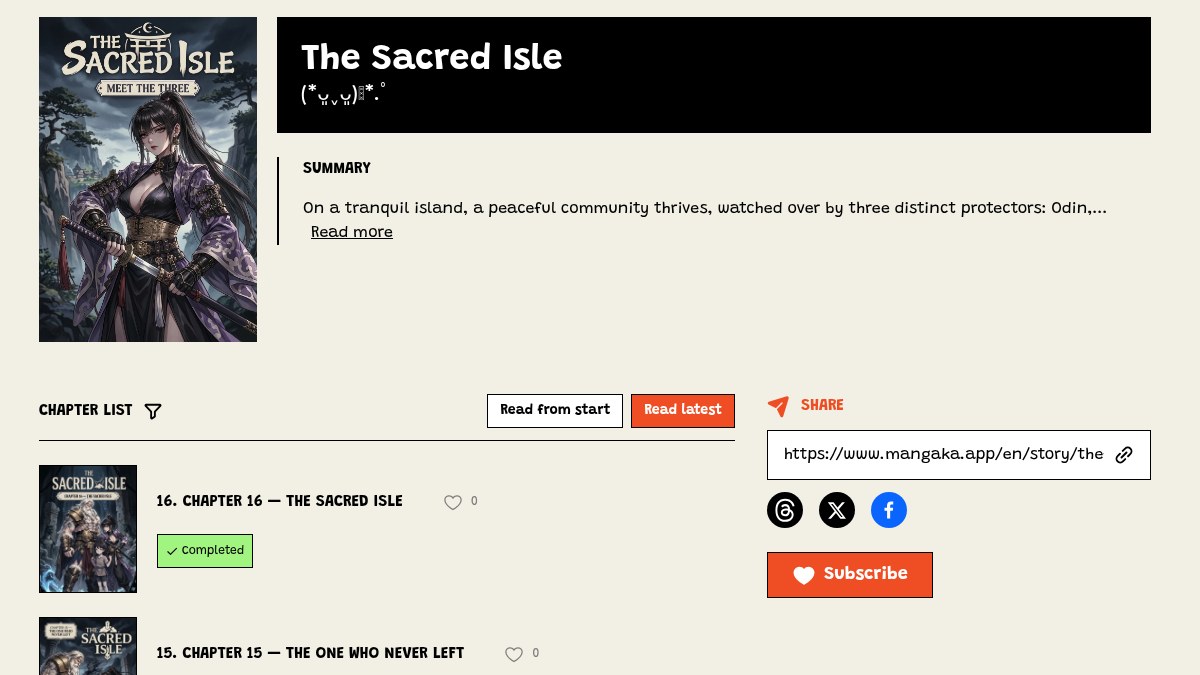
Illustration 2: Manga creation workspace showing a planned page and character reference — how to make a manga cover, image 2.
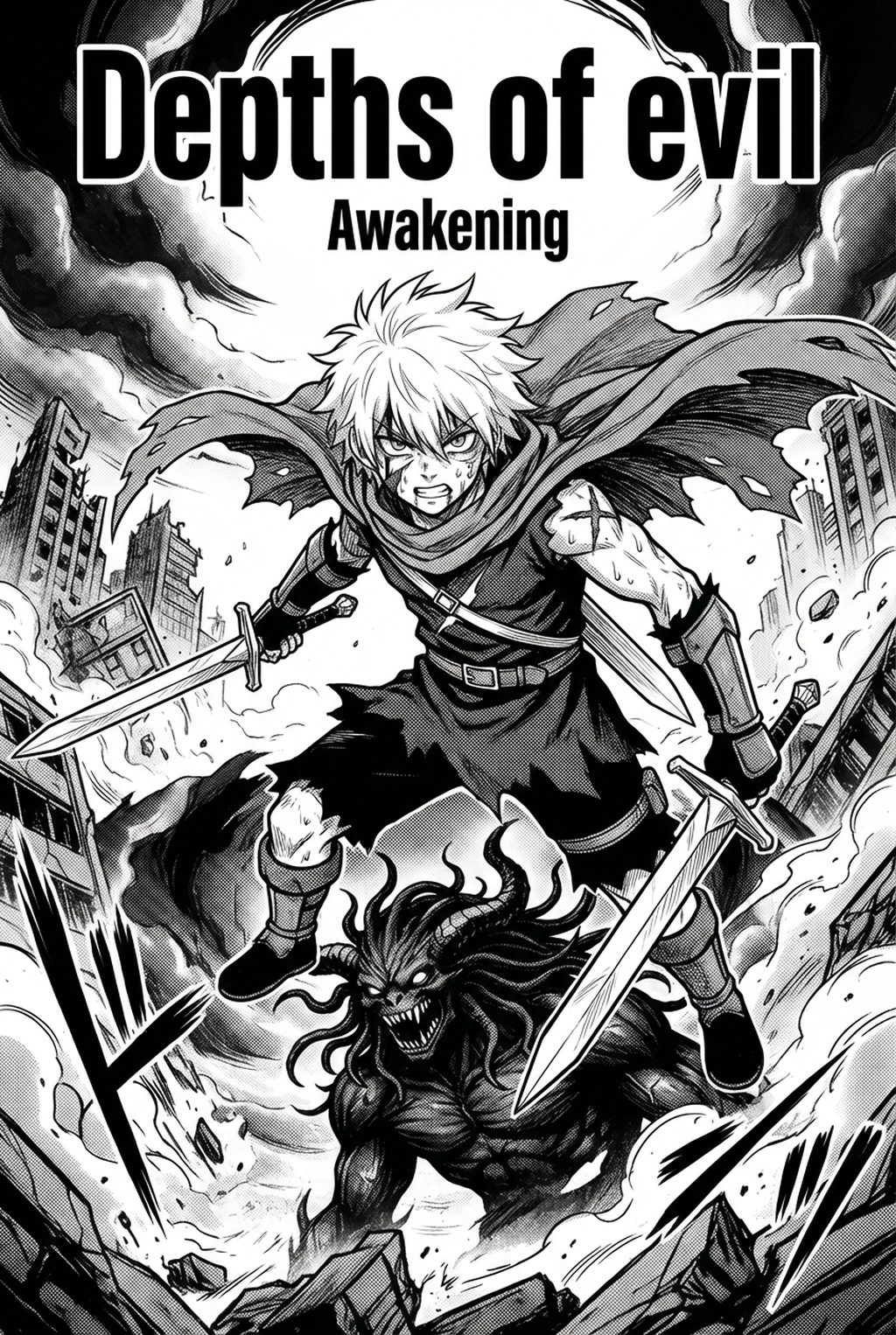
Illustration 3: Manga creation workspace showing a planned page and character reference — how to make a manga cover, image 3.
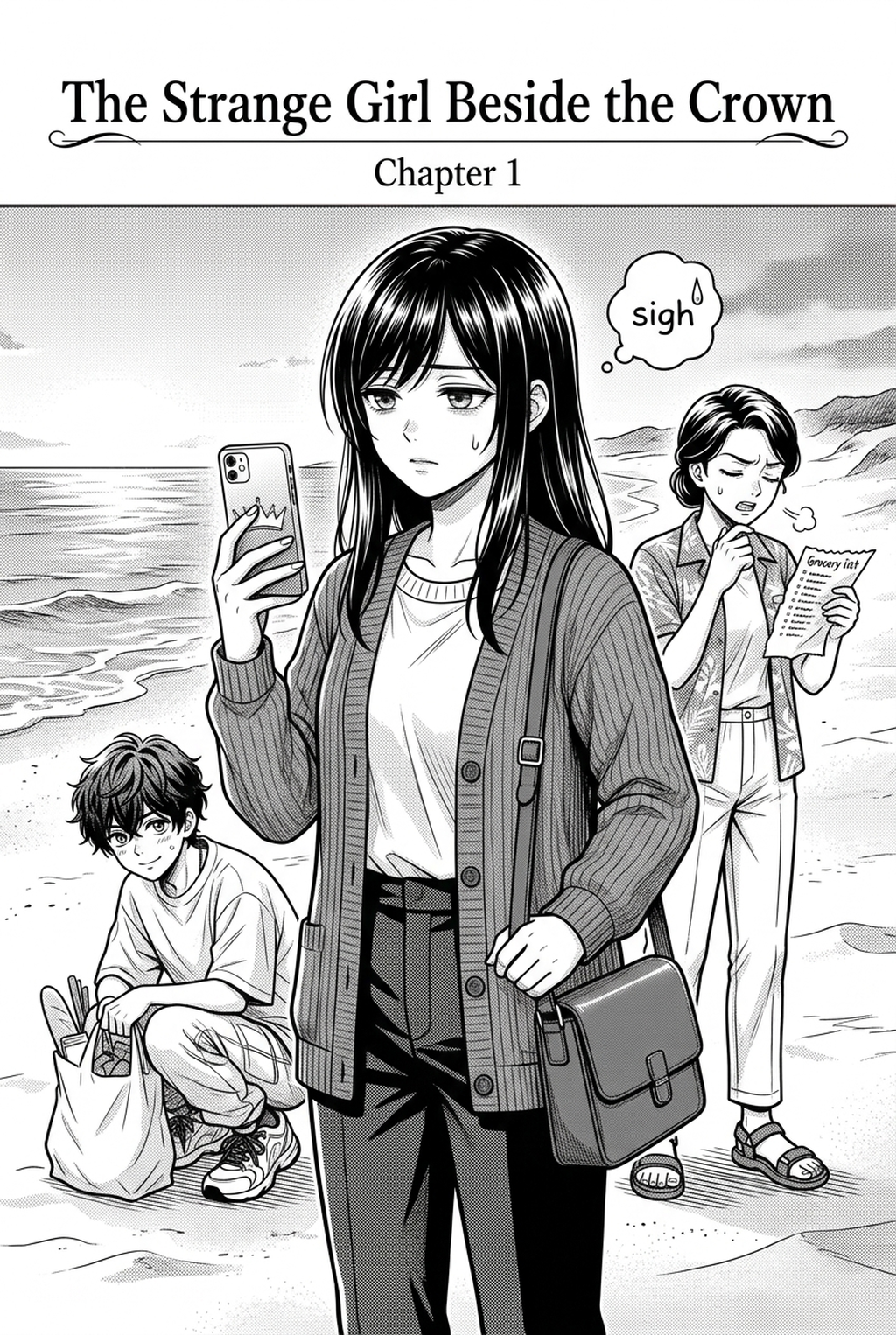
Illustration 4: Manga creation workspace showing a planned page and character reference — how to make a manga cover, image 4.
Further reading: how-to-create-manga-using-ai-beginner-step-by-step-guide
Further reading: how-to-keep-characters-consistent-in-ai-manga-visual-guide
Further reading: how-to-write-manga-script-format-storyboarding-pacing-guide
Further reading: how-to-layout-manga-page-dynamic-panels-gutters
Further reading: how-to-turn-story-into-manga-with-ai-script-to-pages
Further reading: create
Reference: schema.org
Reference: developers.google.com
Reference: www.w3.org
Reference: developer.mozilla.org
Reference: www.loc.gov
Reference: www.wipo.int
{"@context": "https://schema.org", "@graph": [{"@type": "FAQPage", "mainEntity": [{"@type": "Question", "name": "What should I decide before starting?", "acceptedAnswer": {"@type": "Answer", "text": "A useful answer is to write the decision down, test a small sample, compare it with the brief, and revise before making the full sequence."}}, {"@type": "Question", "name": "How do I keep the visual idea consistent?", "acceptedAnswer": {"@type": "Answer", "text": "A useful answer is to write the decision down, test a small sample, compare it with the brief, and revise before making the full sequence."}}, {"@type": "Question", "name": "What belongs in a page plan?", "acceptedAnswer": {"@type": "Answer", "text": "A useful answer is to write the decision down, test a small sample, compare it with the brief, and revise before making the full sequence."}}, {"@type": "Question", "name": "How should I review generated material?", "acceptedAnswer": {"@type": "Answer", "text": "A useful answer is to write the decision down, test a small sample, compare it with the brief, and revise before making the full sequence."}}, {"@type": "Question", "name": "How can I prepare images for a blog?", "acceptedAnswer": {"@type": "Answer", "text": "A useful answer is to write the decision down, test a small sample, compare it with the brief, and revise before making the full sequence."}}, {"@type": "Question", "name": "When is the page ready to publish?", "acceptedAnswer": {"@type": "Answer", "text": "A useful answer is to write the decision down, test a small sample, compare it with the brief, and revise before making the full sequence."}}]}, {"@type": "ItemList", "itemListElement": [{"@type": "ImageObject", "contentUrl": "/_emdash/api/media/file/01KZCQ9HKBKQBN7SEKGEVX44P1.png", "caption": "Manga creation workspace showing a planned page and character reference — how to make a manga cover, image 1"}, {"@type": "ImageObject", "contentUrl": "/_emdash/api/media/file/01KZCQ3ZE9YXE9G3DMXVN7BHYC.png", "caption": "Manga creation workspace showing a planned page and character reference — how to make a manga cover, image 2"}, {"@type": "ImageObject", "contentUrl": "/_emdash/api/media/file/01KZKM73JQF2PWAEQT1YXW7AAB.png", "caption": "Manga creation workspace showing a planned page and character reference — how to make a manga cover, image 3"}, {"@type": "ImageObject", "contentUrl": "/_emdash/api/media/file/01M46N94DY27RKCPJDQ4G5N47X.png", "caption": "Manga creation workspace showing a planned page and character reference — how to make a manga cover, image 4"}]}]}