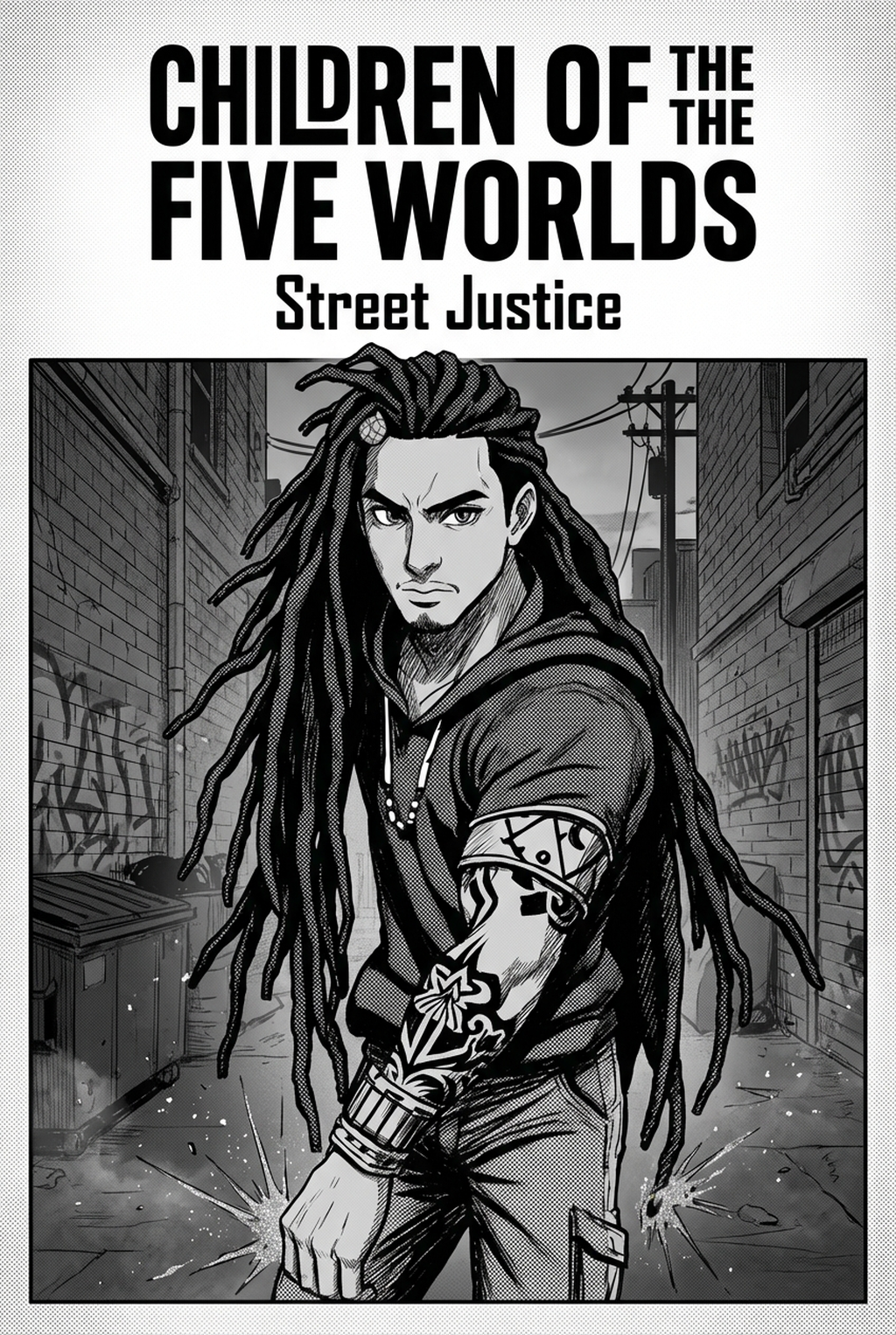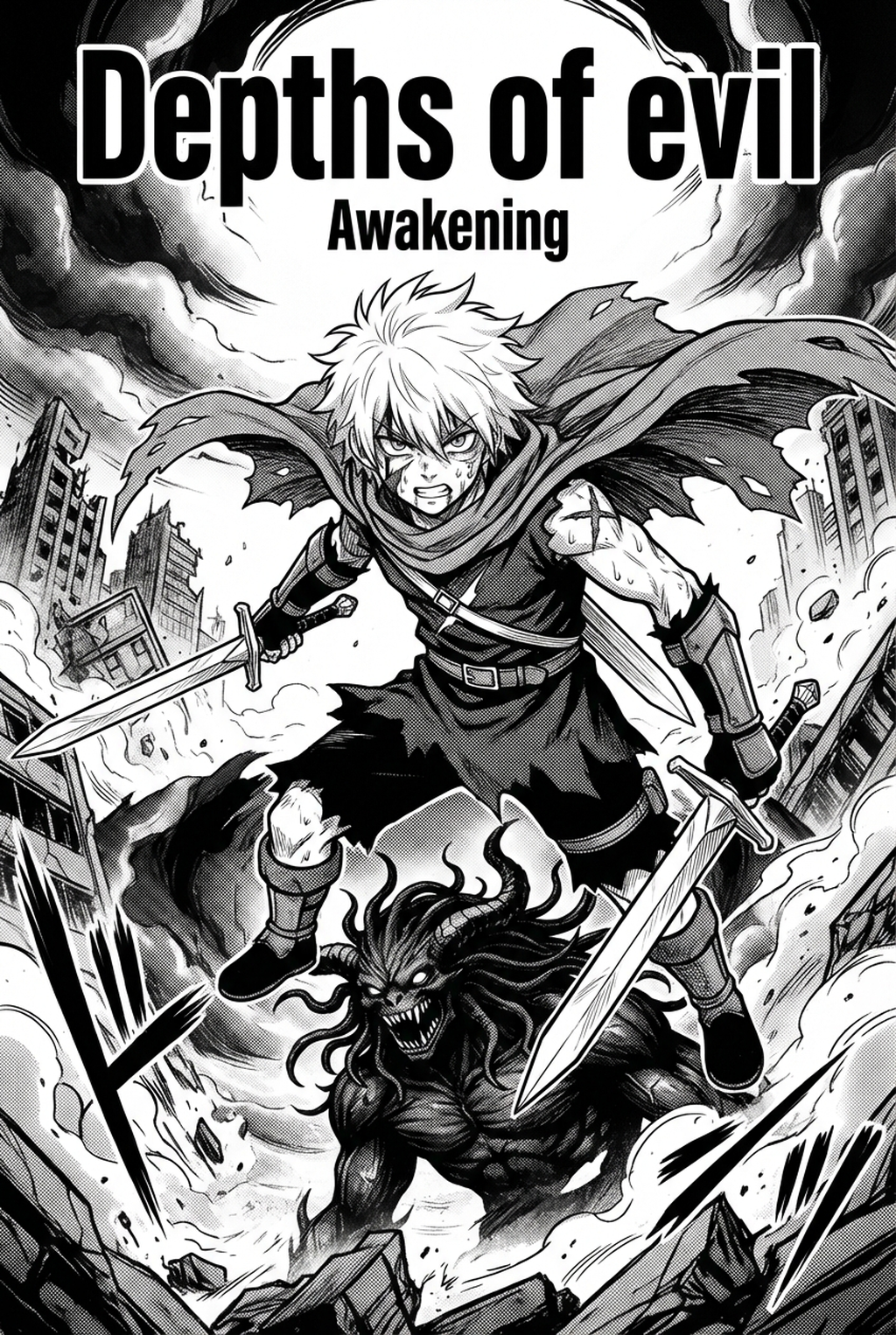
AI Manga Storyboard Builder: Why Structural Sequence Controls Reader Engagement
The delivery of evidence determines whether your mystery feels like a cohesive enigma or a disorganized collection of tropes. When you strictly control panel density, you prevent the reader from solving the core mystery before your intended climax, effectively dictating the rhythm of the entire volume.
Narrow, claustrophobic panels compress the visual information, forcing the reader to scan the page faster and creating a sense of urgency. In contrast, wide landscape panels allow the supernatural scale to breathe, providing a momentary release that makes the next contraction even more impactful.
Check character consistency, panel readability, line quality, and export readiness before publishing. Creators should also record why the page passed review, which panel details still need manual cleanup, and which export format the next collaborator will use. That makes the subsection useful instead of leaving a short checklist under a large heading.
Negative space functions as visual silence, allowing the reader to process the implications of a specific clue. When you place a significant, isolated detail inside a large, sparse frame, you signal its importance without needing dialogue, forcing the reader to pause and synthesize the available evidence before moving to the next panel.
How Supernatural Mystery Manga Storyboard Works with Mangaka
Mangaka simplifies the layout process by auto-arranging panels for narrative flow, ensuring your visual composition supports the suspense before you commit to detailed inking. By offloading the mechanical constraints of page composition to the tool, you gain the freedom to iterate on the emotional weight of your frames in a digital sandbox.
Creators can instantly reorder the sequence of clues to see how a reveal lands at the top of a page versus the bottom. This allows you to test the structural impact of your story without needing to redraw complex linework, ensuring your line-weight consistency and character proportions remain locked throughout the iteration process.
You can treat your storyboard as a living document where the pacing is fluid. If a reveal happens too quickly, you can shift the panel arrangement to force the reader to spend more time on reaction shots, thereby deepening the mystery and preventing the audience from guessing the final twist prematurely.
Use Cases for AI Manga Storyboard Builder
Successful supernatural stories rely on a clear visual distinction between the human world and the otherworldly elements. By using distinct framing styles for different layers of reality, you provide the reader with a subconscious guide that helps them navigate the ruleset of your world.
- Human segments: Use standard, grid-based paneling to ground the reader in reality. * Supernatural segments: Break the gutter lines or use slanted, irregular frames to suggest a warped or distorted perception. * Ambiguous entities: Employ lighting cues and silhouettes to keep characters grounded without revealing their final forms too early. * Rule consistency: Maintain a strict visual language for supernatural phenomena so readers learn to trust the logic behind your mystery.
How to Get Started with Mangaka
Getting started requires a focus on the narrative skeleton, prioritizing the arrangement of visual evidence over artistic flourish. Use the supernatural mystery manga storyboard to generate your initial layout, keeping in mind that the primary goal is to guide the reader’s eye through your web of deception.
Workflow Fit for Creator Output. The storyboard must incorporate your dialogue, as text-and-image interaction is critical for mystery pacing. When speech bubbles align with visual hints, they act as anchor points, allowing you to control exactly when a reader discovers a clue while ensuring the text remains legible within your chosen export format.
You can experiment with non-linear structures by reordering scenes within the tool to see how they impact the overall reveal. This flexibility is vital when you are managing multiple timelines or dream sequences, as it allows you to visualize how disparate clues connect across different pages and chapters. Before export, creators should compare the generated line art with the original sketch and confirm that facial expressions, props, speed lines, and speech-bubble space still support the scene.
- Before Export. Creators should compare the generated line art with the original sketch and confirm that facial expressions, props, speed lines, and speech-bubble space still support the scene. A repeatable review pass should cover character consistency, panel readability, background clarity, and whether the final file is ready for coloring, lettering, or editor feedback. For longer projects, creators should save approved examples of line weight, face detail, clothing folds, and background density. Those references keep later chapters closer to the intended style.
- For Collaboration. Creators should mark which panels are final and which panels still need redraws. Clear status labels prevent an assistant, editor, or colorist from polishing the wrong version. For publishing, creators should review the page at the actual reading size before export. Small screens expose crowded dialogue, weak silhouettes, and line details that looked fine while zoomed in.
- For Style Control. Creators should keep a short reference board beside the draft and compare hair shapes, eye details, costume folds, and texture choices before approving the final page. For revision planning, creators should separate art fixes from story fixes. Line cleanup, panel order, dialogue clarity, and character acting each need a different review question.
The Bottom Line
A professional creator workflow requires balancing visual withholding with precise pacing to keep readers guessing. By using the supernatural mystery manga storyboard to iterate on your panel sequences, you gain the structural clarity needed to produce a gripping mystery that maintains tension until the final frame.
Related articles
Mastering the Supernatural Manga Storyboard: A 2026 Guide
Analyzing the Spider-Man Manga Art Style for Modern Panels
Manga Storyboard Guide: Optimizing Your Layout for Flow 2026