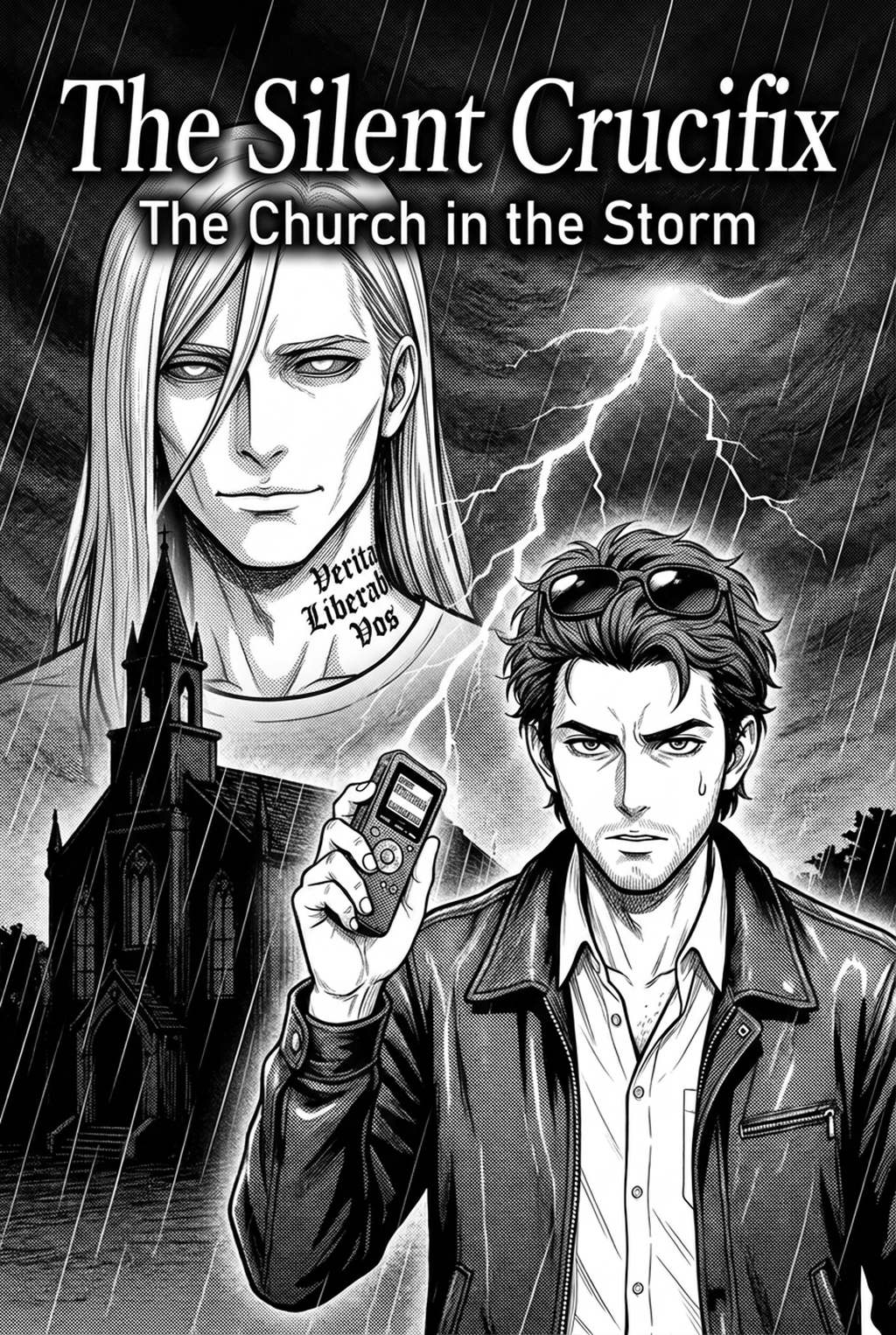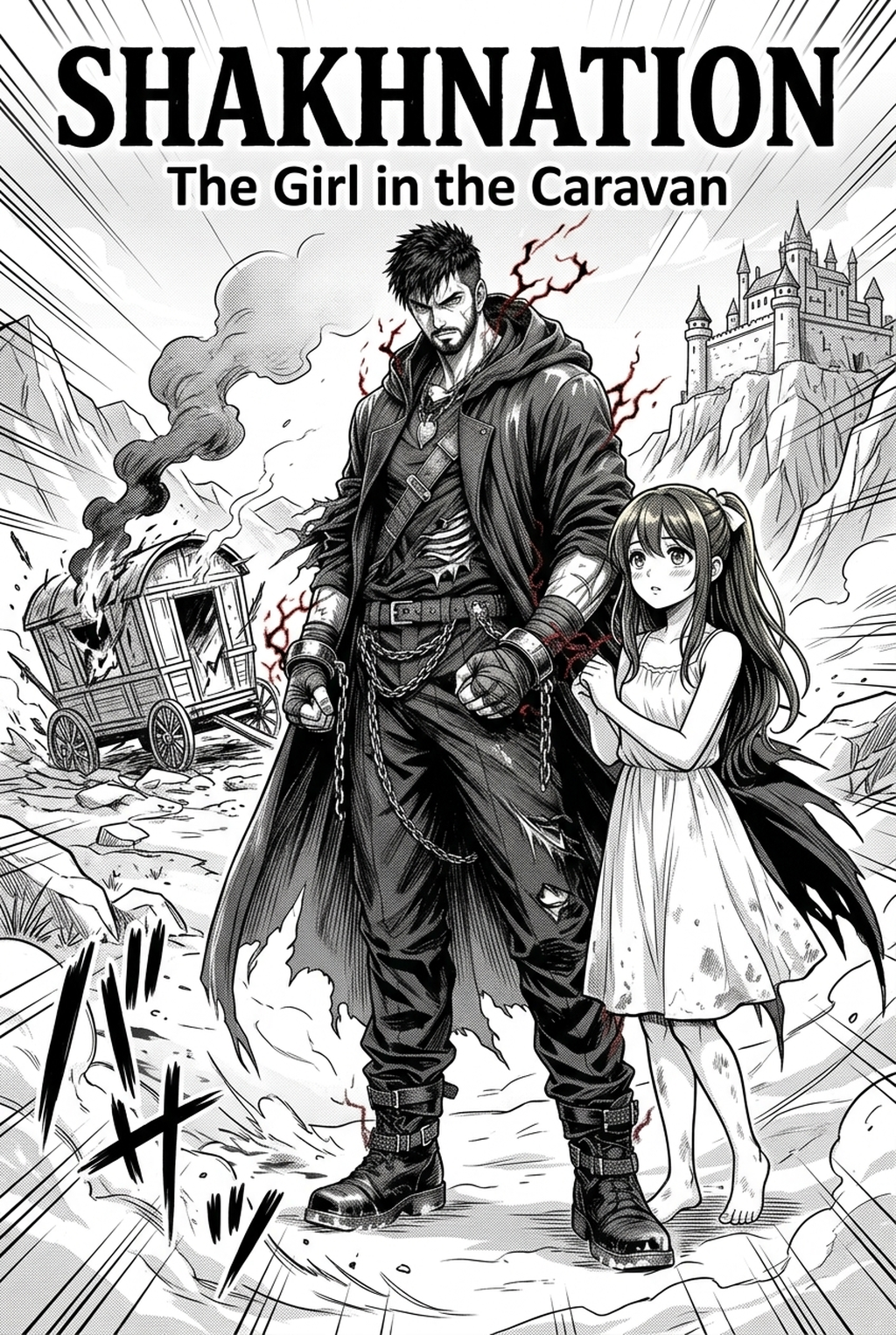
AI Manga Style Transfer: Importance for Independent Manga Creators
Adopting a hybrid approach allows solo creators to bridge the gap between western superhero tropes and the episodic, fast-paced delivery typical of modern digital manga. This stylistic fusion provides a distinct visual signature that helps independent series survive the algorithm-heavy discovery feeds of popular vertical comic platforms.
By utilizing this high-contrast look, you bypass the need for an oversized art team. The heavy ink weights serve as a shorthand for professional finish, ensuring that your panels remain readable even when viewed on a small mobile device or compressed during the export process to a 1080px wide PNG file. This allows for a more cinematic feel without the technical overhead of coloring every single character movement.
Integrating Style Transfer into Your Production
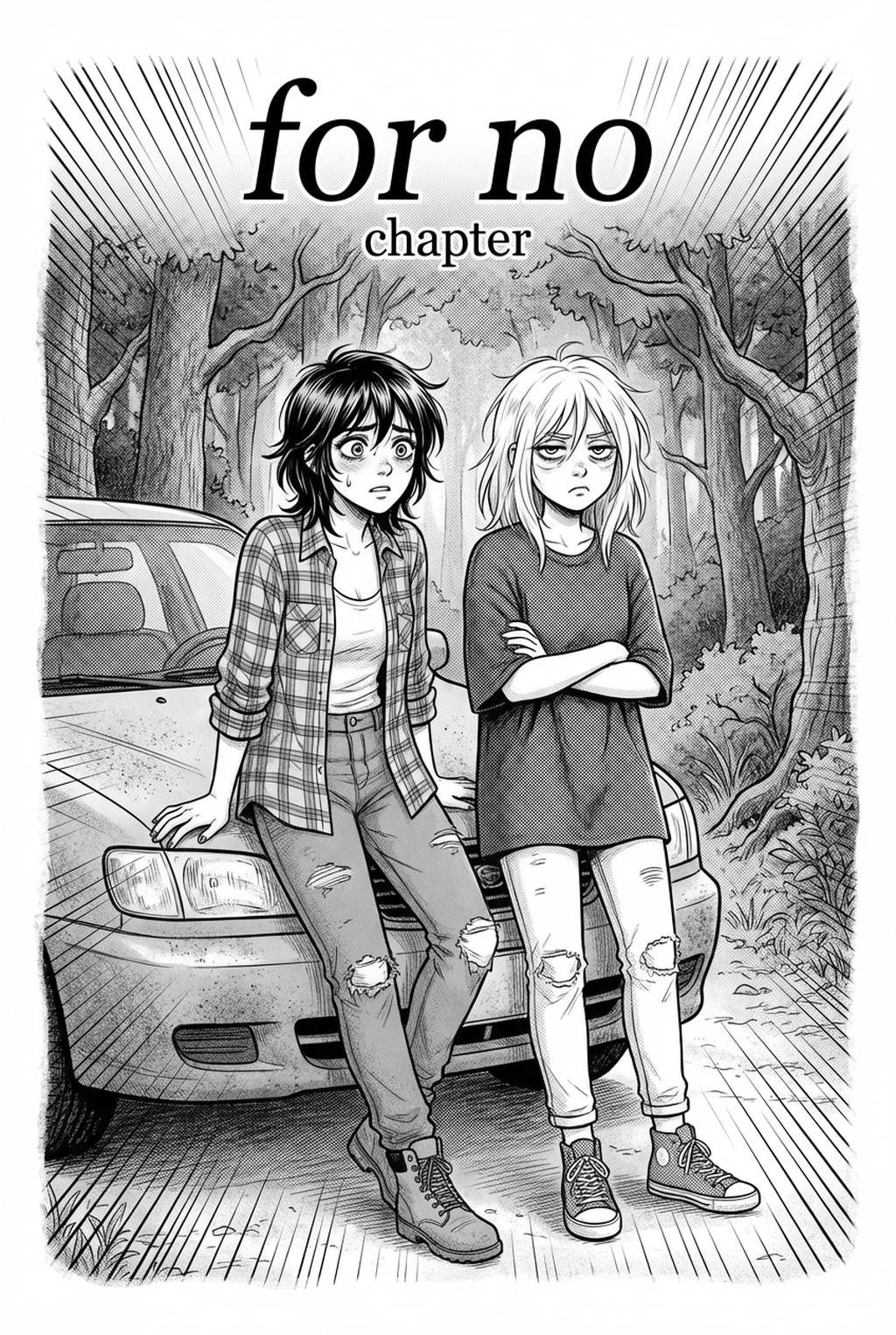
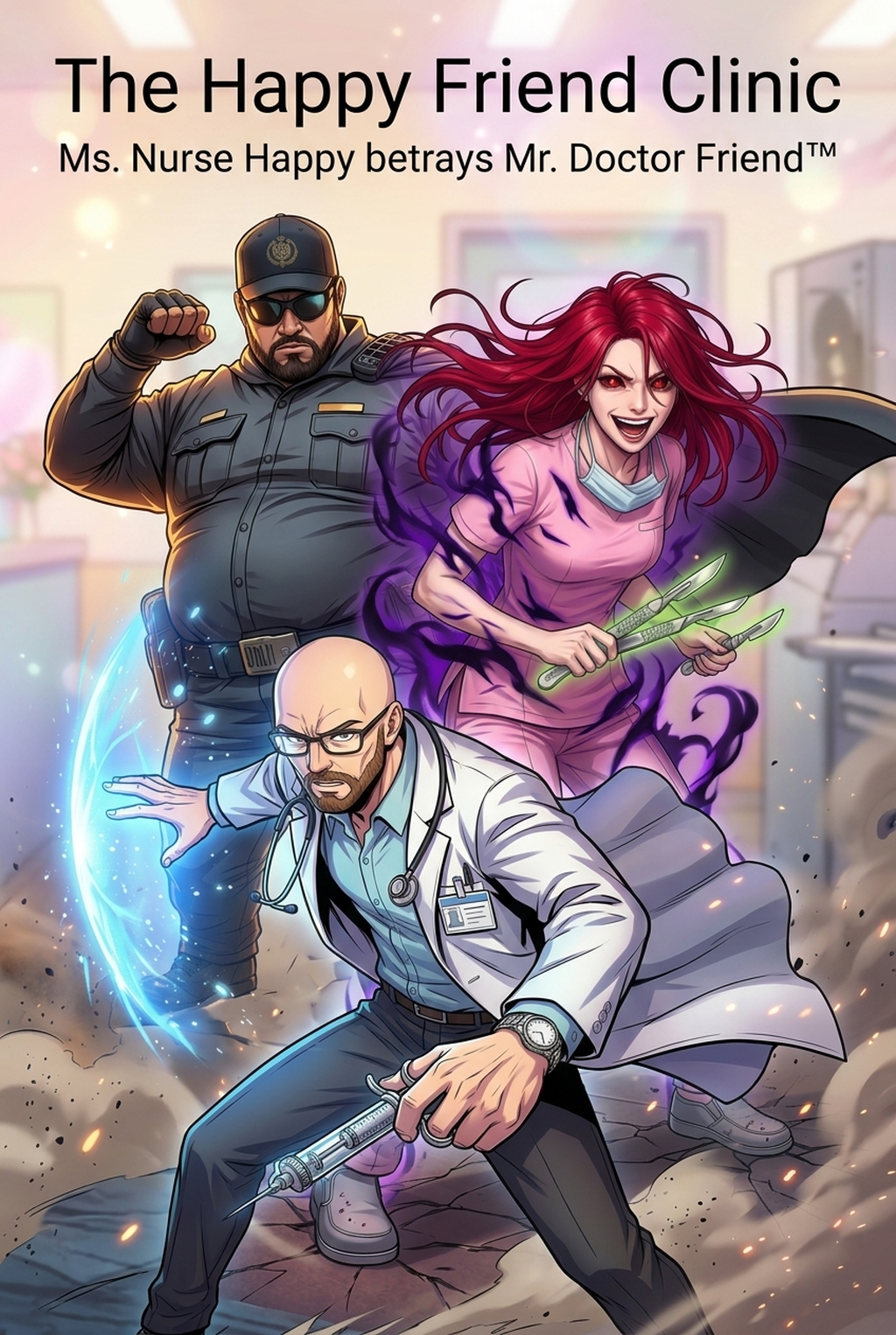
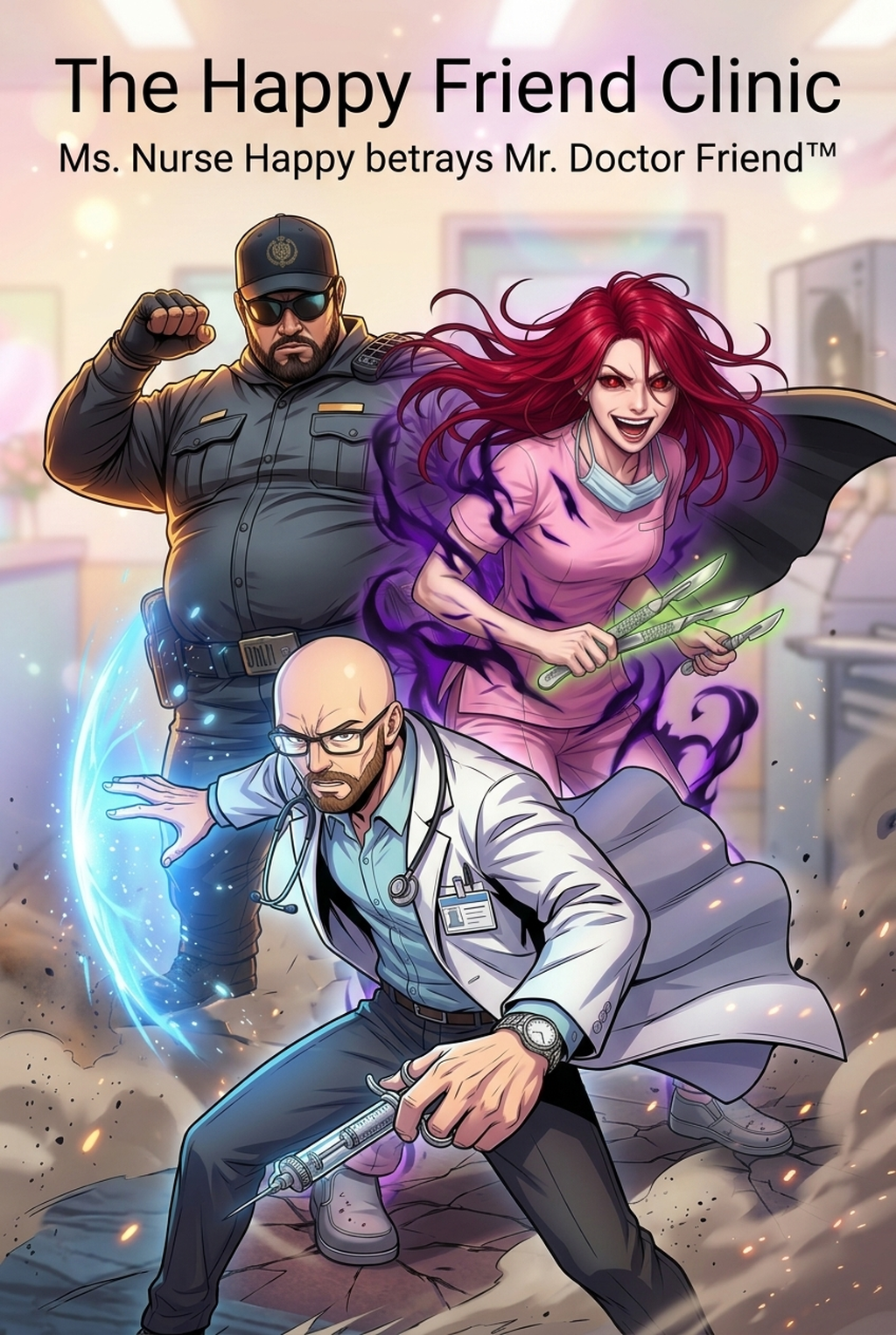
AI Manga Style Transfer enables you to instantly remap rough gesture sketches into the refined line-weight and shading typical of Spider-Man inspired sequences, solving the pain point of inconsistent linework. By uploading a pencil layout to Spider-Man manga art style with Mangaka , the tool interprets the underlying anatomical volume of your rough sketch and transforms basic, often messy shapes into crisp, inked manga panels ready for tonal application.
- Line-Weight Preservation: The technology identifies the primary silhouette of your hero, applying a thicker ink weight to the outlines while thinning the internal detail to prevent visual clutter. * Perspective Integrity: Unlike manual inking, this automated step maintains the spatial relationship between foreground characters and background architecture during the conversion from raw pencil to final digital ink. * Workflow Efficiency: You can iterate through multiple pose variations in minutes, ensuring that the character's core shape remains consistent across a storyboard sequence of ten or more panels.
Strategic Deployment in Combat Scenarios
Creators often deploy this art style to overcome the common hurdle of static panels by generating dynamic, mid-air combat poses that prioritize clear readability. This is particularly effective when you need to switch between close-up character reactions and wide-angle city shots without losing the momentum of the fight.
- Mid-Air Mobility: Use the high-contrast inking to highlight the hero’s form against a simplified background, ensuring the reader understands the character’s trajectory during complex aerial maneuvers. * Architectural Complexity: Focus the dense, heavy inking on the immediate surroundings, such as pipes or rooftop ledges, while keeping the hero’s silhouette sharply defined to keep the panel from feeling muddy. * Storyboard Focus: Apply this approach during the initial drafting phase to quickly test if your perspective shifts convey the necessary kinetic energy before you commit to final, high-resolution exports.
Getting Started with Professional Styling
A common concern for independent creators is whether they need years of traditional training to master this visual density. The reality is that modern AI-assisted tools handle the technical friction of complex inking and screen-tone distribution, allowing you to focus on the story beats and the actual panel layout. Creative Brief and Source Input.
Creative Brief and Source Input
- Can I achieve this style without being a professional illustrator? Yes, by offloading the repetitive inking tasks to an AI engine, you ensure that your line quality remains consistently high across every page. * Is this style restricted to superhero themes? No, the high-contrast techniques are highly effective for any genre that demands intense kinetic energy, such as sports manga or fast-paced urban fantasy stories. * How do I ensure my story remains original? Treat this art style as a delivery vehicle rather than a thematic template, and layer your unique character designs over the stylistic foundation. * Does this replace the need for traditional composition? No, you must still apply core design principles, but the style transfer removes the labor of manual inking, allowing for faster iterative cycles.
Creators should compare the generated line art with the original sketch and confirm that facial expressions, props, speed lines, and speech-bubble space still support the scene. A repeatable review pass should cover character consistency, panel readability, background clarity, and whether the final file is ready for coloring, lettering, or editor feedback.
Creators should save approved examples of line weight, face detail, clothing folds, and background density. Those references keep later chapters closer to the intended style. For collaboration, creators should mark which panels are final and which panels still need redraws. Clear status labels prevent an assistant, editor, or colorist from polishing the wrong version. Before export, creators should compare the generated line art with the original sketch and confirm that facial expressions, props, speed lines, and speech-bubble space still support the scene.
Generation Review and Export
Creators should mark which panels are final and which panels still need redraws. For publishing, creators should review the page at the actual reading size before export. Small screens expose crowded dialogue, weak silhouettes, and line details that looked fine while zoomed in.
Creators can evaluate Spider-Man manga art style with Mangaka mid-workflow when they need the product path tied directly to review, refinement, and export. A real test should use the same sketch, character goal, or panel sequence that would otherwise need manual cleanup after generation.
The Bottom Line
The AI Manga Style Transfer workflow offers an accessible, high-impact aesthetic that maximizes visual tension through a masterclass in contrast and motion. By utilizing specialized art styles, you can eliminate the technical friction of manual inking and focus entirely on creating compelling, fast-paced storytelling for your digital manga series.
Related articles
Manga Storyboard Guide: Optimizing Your Layout for Flow 2026
Manga Storyboard Guide: How to Structure Your Panels in 2026
Mastering the Human Drama Manga Storyboard for 2026