How to Create an AI Graphic Novel: From Concept to PDF Export
TL;DR — English (India)
- This India-focused guide treats the query as a practical, budget-aware workflow for students, indie creators, writers, and small teams. It keeps the process browser-friendly while protecting story intent, panel clarity, and consistent production decisions.
- For an Indian creator exploring ai graphic novel, the strongest workflow starts with language and audience context before visual generation. Decide whether the story is aimed at a local readership, a global audience, or both, then keep names, dialogue, pacing, and cultural references clear for the intended reader.
- Begin with a concise brief, define the visual rules, and review every generated panel against the script. Keep a simple production log so a later episode can reuse the same character, colour, lettering, and export decisions without starting from zero.
Direct answer: Yes. Start small with a short scene and a clear cast sheet. Review the generated panels, dialogue, rights, accessibility, and mobile legibility before expanding into a series. A careful checklist is more valuable than a large first batch.
What ai graphic novel means in a production workflow
This India-focused guide treats the query as a practical, budget-aware workflow for students, indie creators, writers, and small teams. It keeps the process browser-friendly while protecting story intent, panel clarity, and consistent production decisions.
For an Indian creator exploring ai graphic novel, the strongest workflow starts with language and audience context before visual generation. Decide whether the story is aimed at a local readership, a global audience, or both, then keep names, dialogue, pacing, and cultural references clear for the intended reader.
1. Brief And Search Intent
For an Indian creator exploring ai graphic novel, the strongest workflow starts with language and audience context before visual generation. Decide whether the story is aimed at a local readership, a global audience, or both, then keep names, dialogue, pacing, and cultural references clear for the intended reader. Begin with a concise brief, define the visual rules, and review every generated panel against the script. Keep a simple production log so a later episode can reuse the same character, colour, lettering, and export decisions without starting from zero. This India-focused guide treats the query as a practical, budget-aware workflow for students, indie creators, writers, and small teams. It keeps the process browser-friendly while protecting story intent, panel clarity, and consistent production decisions. The brief and search intent decision should be visible in the working notes: what the reader must notice first, what can remain implicit, and what needs a supporting panel or caption. Compare the draft with the source script, remove decorative detail that hides the action, and keep the next revision focused on one measurable improvement. A small, explicit rule is easier to repeat than a vague request for a better image.
2. Cast Sheet
For an Indian creator exploring ai graphic novel, the strongest workflow starts with language and audience context before visual generation. Decide whether the story is aimed at a local readership, a global audience, or both, then keep names, dialogue, pacing, and cultural references clear for the intended reader. Begin with a concise brief, define the visual rules, and review every generated panel against the script. Keep a simple production log so a later episode can reuse the same character, colour, lettering, and export decisions without starting from zero. This India-focused guide treats the query as a practical, budget-aware workflow for students, indie creators, writers, and small teams. It keeps the process browser-friendly while protecting story intent, panel clarity, and consistent production decisions. The cast sheet decision should be visible in the working notes: what the reader must notice first, what can remain implicit, and what needs a supporting panel or caption. Compare the draft with the source script, remove decorative detail that hides the action, and keep the next revision focused on one measurable improvement. A small, explicit rule is easier to repeat than a vague request for a better image.
3. Visual References
For an Indian creator exploring ai graphic novel, the strongest workflow starts with language and audience context before visual generation. Decide whether the story is aimed at a local readership, a global audience, or both, then keep names, dialogue, pacing, and cultural references clear for the intended reader. Begin with a concise brief, define the visual rules, and review every generated panel against the script. Keep a simple production log so a later episode can reuse the same character, colour, lettering, and export decisions without starting from zero. This India-focused guide treats the query as a practical, budget-aware workflow for students, indie creators, writers, and small teams. It keeps the process browser-friendly while protecting story intent, panel clarity, and consistent production decisions. The visual references decision should be visible in the working notes: what the reader must notice first, what can remain implicit, and what needs a supporting panel or caption. Compare the draft with the source script, remove decorative detail that hides the action, and keep the next revision focused on one measurable improvement. A small, explicit rule is easier to repeat than a vague request for a better image.
4. Scene Objective
For an Indian creator exploring ai graphic novel, the strongest workflow starts with language and audience context before visual generation. Decide whether the story is aimed at a local readership, a global audience, or both, then keep names, dialogue, pacing, and cultural references clear for the intended reader. Begin with a concise brief, define the visual rules, and review every generated panel against the script. Keep a simple production log so a later episode can reuse the same character, colour, lettering, and export decisions without starting from zero. This India-focused guide treats the query as a practical, budget-aware workflow for students, indie creators, writers, and small teams. It keeps the process browser-friendly while protecting story intent, panel clarity, and consistent production decisions. The scene objective decision should be visible in the working notes: what the reader must notice first, what can remain implicit, and what needs a supporting panel or caption. Compare the draft with the source script, remove decorative detail that hides the action, and keep the next revision focused on one measurable improvement. A small, explicit rule is easier to repeat than a vague request for a better image.
5. Panel Count
For an Indian creator exploring ai graphic novel, the strongest workflow starts with language and audience context before visual generation. Decide whether the story is aimed at a local readership, a global audience, or both, then keep names, dialogue, pacing, and cultural references clear for the intended reader. Begin with a concise brief, define the visual rules, and review every generated panel against the script. Keep a simple production log so a later episode can reuse the same character, colour, lettering, and export decisions without starting from zero. This India-focused guide treats the query as a practical, budget-aware workflow for students, indie creators, writers, and small teams. It keeps the process browser-friendly while protecting story intent, panel clarity, and consistent production decisions. The panel count decision should be visible in the working notes: what the reader must notice first, what can remain implicit, and what needs a supporting panel or caption. Compare the draft with the source script, remove decorative detail that hides the action, and keep the next revision focused on one measurable improvement. A small, explicit rule is easier to repeat than a vague request for a better image.
6. Camera Distance
For an Indian creator exploring ai graphic novel, the strongest workflow starts with language and audience context before visual generation. Decide whether the story is aimed at a local readership, a global audience, or both, then keep names, dialogue, pacing, and cultural references clear for the intended reader. Begin with a concise brief, define the visual rules, and review every generated panel against the script. Keep a simple production log so a later episode can reuse the same character, colour, lettering, and export decisions without starting from zero. This India-focused guide treats the query as a practical, budget-aware workflow for students, indie creators, writers, and small teams. It keeps the process browser-friendly while protecting story intent, panel clarity, and consistent production decisions. The camera distance decision should be visible in the working notes: what the reader must notice first, what can remain implicit, and what needs a supporting panel or caption. Compare the draft with the source script, remove decorative detail that hides the action, and keep the next revision focused on one measurable improvement. A small, explicit rule is easier to repeat than a vague request for a better image.
7. Expressive Poses
For an Indian creator exploring ai graphic novel, the strongest workflow starts with language and audience context before visual generation. Decide whether the story is aimed at a local readership, a global audience, or both, then keep names, dialogue, pacing, and cultural references clear for the intended reader. Begin with a concise brief, define the visual rules, and review every generated panel against the script. Keep a simple production log so a later episode can reuse the same character, colour, lettering, and export decisions without starting from zero. This India-focused guide treats the query as a practical, budget-aware workflow for students, indie creators, writers, and small teams. It keeps the process browser-friendly while protecting story intent, panel clarity, and consistent production decisions. The expressive poses decision should be visible in the working notes: what the reader must notice first, what can remain implicit, and what needs a supporting panel or caption. Compare the draft with the source script, remove decorative detail that hides the action, and keep the next revision focused on one measurable improvement. A small, explicit rule is easier to repeat than a vague request for a better image.
8. Background Continuity
For an Indian creator exploring ai graphic novel, the strongest workflow starts with language and audience context before visual generation. Decide whether the story is aimed at a local readership, a global audience, or both, then keep names, dialogue, pacing, and cultural references clear for the intended reader. Begin with a concise brief, define the visual rules, and review every generated panel against the script. Keep a simple production log so a later episode can reuse the same character, colour, lettering, and export decisions without starting from zero. This India-focused guide treats the query as a practical, budget-aware workflow for students, indie creators, writers, and small teams. It keeps the process browser-friendly while protecting story intent, panel clarity, and consistent production decisions. The background continuity decision should be visible in the working notes: what the reader must notice first, what can remain implicit, and what needs a supporting panel or caption. Compare the draft with the source script, remove decorative detail that hides the action, and keep the next revision focused on one measurable improvement. A small, explicit rule is easier to repeat than a vague request for a better image.
9. Lighting Rule
For an Indian creator exploring ai graphic novel, the strongest workflow starts with language and audience context before visual generation. Decide whether the story is aimed at a local readership, a global audience, or both, then keep names, dialogue, pacing, and cultural references clear for the intended reader. Begin with a concise brief, define the visual rules, and review every generated panel against the script. Keep a simple production log so a later episode can reuse the same character, colour, lettering, and export decisions without starting from zero. This India-focused guide treats the query as a practical, budget-aware workflow for students, indie creators, writers, and small teams. It keeps the process browser-friendly while protecting story intent, panel clarity, and consistent production decisions. The lighting rule decision should be visible in the working notes: what the reader must notice first, what can remain implicit, and what needs a supporting panel or caption. Compare the draft with the source script, remove decorative detail that hides the action, and keep the next revision focused on one measurable improvement. A small, explicit rule is easier to repeat than a vague request for a better image.
10. Colour Or Tone
For an Indian creator exploring ai graphic novel, the strongest workflow starts with language and audience context before visual generation. Decide whether the story is aimed at a local readership, a global audience, or both, then keep names, dialogue, pacing, and cultural references clear for the intended reader. Begin with a concise brief, define the visual rules, and review every generated panel against the script. Keep a simple production log so a later episode can reuse the same character, colour, lettering, and export decisions without starting from zero. This India-focused guide treats the query as a practical, budget-aware workflow for students, indie creators, writers, and small teams. It keeps the process browser-friendly while protecting story intent, panel clarity, and consistent production decisions. The colour or tone decision should be visible in the working notes: what the reader must notice first, what can remain implicit, and what needs a supporting panel or caption. Compare the draft with the source script, remove decorative detail that hides the action, and keep the next revision focused on one measurable improvement. A small, explicit rule is easier to repeat than a vague request for a better image.
11. Dialogue Length
For an Indian creator exploring ai graphic novel, the strongest workflow starts with language and audience context before visual generation. Decide whether the story is aimed at a local readership, a global audience, or both, then keep names, dialogue, pacing, and cultural references clear for the intended reader. Begin with a concise brief, define the visual rules, and review every generated panel against the script. Keep a simple production log so a later episode can reuse the same character, colour, lettering, and export decisions without starting from zero. This India-focused guide treats the query as a practical, budget-aware workflow for students, indie creators, writers, and small teams. It keeps the process browser-friendly while protecting story intent, panel clarity, and consistent production decisions. The dialogue length decision should be visible in the working notes: what the reader must notice first, what can remain implicit, and what needs a supporting panel or caption. Compare the draft with the source script, remove decorative detail that hides the action, and keep the next revision focused on one measurable improvement. A small, explicit rule is easier to repeat than a vague request for a better image.
12. Lettering Hierarchy
For an Indian creator exploring ai graphic novel, the strongest workflow starts with language and audience context before visual generation. Decide whether the story is aimed at a local readership, a global audience, or both, then keep names, dialogue, pacing, and cultural references clear for the intended reader. Begin with a concise brief, define the visual rules, and review every generated panel against the script. Keep a simple production log so a later episode can reuse the same character, colour, lettering, and export decisions without starting from zero. This India-focused guide treats the query as a practical, budget-aware workflow for students, indie creators, writers, and small teams. It keeps the process browser-friendly while protecting story intent, panel clarity, and consistent production decisions. The lettering hierarchy decision should be visible in the working notes: what the reader must notice first, what can remain implicit, and what needs a supporting panel or caption. Compare the draft with the source script, remove decorative detail that hides the action, and keep the next revision focused on one measurable improvement. A small, explicit rule is easier to repeat than a vague request for a better image.
13. Sound Effects
For an Indian creator exploring ai graphic novel, the strongest workflow starts with language and audience context before visual generation. Decide whether the story is aimed at a local readership, a global audience, or both, then keep names, dialogue, pacing, and cultural references clear for the intended reader. Begin with a concise brief, define the visual rules, and review every generated panel against the script. Keep a simple production log so a later episode can reuse the same character, colour, lettering, and export decisions without starting from zero. This India-focused guide treats the query as a practical, budget-aware workflow for students, indie creators, writers, and small teams. It keeps the process browser-friendly while protecting story intent, panel clarity, and consistent production decisions. The sound effects decision should be visible in the working notes: what the reader must notice first, what can remain implicit, and what needs a supporting panel or caption. Compare the draft with the source script, remove decorative detail that hides the action, and keep the next revision focused on one measurable improvement. A small, explicit rule is easier to repeat than a vague request for a better image.
14. Reading Direction
For an Indian creator exploring ai graphic novel, the strongest workflow starts with language and audience context before visual generation. Decide whether the story is aimed at a local readership, a global audience, or both, then keep names, dialogue, pacing, and cultural references clear for the intended reader. Begin with a concise brief, define the visual rules, and review every generated panel against the script. Keep a simple production log so a later episode can reuse the same character, colour, lettering, and export decisions without starting from zero. This India-focused guide treats the query as a practical, budget-aware workflow for students, indie creators, writers, and small teams. It keeps the process browser-friendly while protecting story intent, panel clarity, and consistent production decisions. The reading direction decision should be visible in the working notes: what the reader must notice first, what can remain implicit, and what needs a supporting panel or caption. Compare the draft with the source script, remove decorative detail that hides the action, and keep the next revision focused on one measurable improvement. A small, explicit rule is easier to repeat than a vague request for a better image.
15. Mobile Preview
For an Indian creator exploring ai graphic novel, the strongest workflow starts with language and audience context before visual generation. Decide whether the story is aimed at a local readership, a global audience, or both, then keep names, dialogue, pacing, and cultural references clear for the intended reader. Begin with a concise brief, define the visual rules, and review every generated panel against the script. Keep a simple production log so a later episode can reuse the same character, colour, lettering, and export decisions without starting from zero. This India-focused guide treats the query as a practical, budget-aware workflow for students, indie creators, writers, and small teams. It keeps the process browser-friendly while protecting story intent, panel clarity, and consistent production decisions. The mobile preview decision should be visible in the working notes: what the reader must notice first, what can remain implicit, and what needs a supporting panel or caption. Compare the draft with the source script, remove decorative detail that hides the action, and keep the next revision focused on one measurable improvement. A small, explicit rule is easier to repeat than a vague request for a better image.
16. Vertical Pacing
For an Indian creator exploring ai graphic novel, the strongest workflow starts with language and audience context before visual generation. Decide whether the story is aimed at a local readership, a global audience, or both, then keep names, dialogue, pacing, and cultural references clear for the intended reader. Begin with a concise brief, define the visual rules, and review every generated panel against the script. Keep a simple production log so a later episode can reuse the same character, colour, lettering, and export decisions without starting from zero. This India-focused guide treats the query as a practical, budget-aware workflow for students, indie creators, writers, and small teams. It keeps the process browser-friendly while protecting story intent, panel clarity, and consistent production decisions. The vertical pacing decision should be visible in the working notes: what the reader must notice first, what can remain implicit, and what needs a supporting panel or caption. Compare the draft with the source script, remove decorative detail that hides the action, and keep the next revision focused on one measurable improvement. A small, explicit rule is easier to repeat than a vague request for a better image.
17. Chapter Opening
For an Indian creator exploring ai graphic novel, the strongest workflow starts with language and audience context before visual generation. Decide whether the story is aimed at a local readership, a global audience, or both, then keep names, dialogue, pacing, and cultural references clear for the intended reader. Begin with a concise brief, define the visual rules, and review every generated panel against the script. Keep a simple production log so a later episode can reuse the same character, colour, lettering, and export decisions without starting from zero. This India-focused guide treats the query as a practical, budget-aware workflow for students, indie creators, writers, and small teams. It keeps the process browser-friendly while protecting story intent, panel clarity, and consistent production decisions. The chapter opening decision should be visible in the working notes: what the reader must notice first, what can remain implicit, and what needs a supporting panel or caption. Compare the draft with the source script, remove decorative detail that hides the action, and keep the next revision focused on one measurable improvement. A small, explicit rule is easier to repeat than a vague request for a better image.
18. Transition Between Panels
For an Indian creator exploring ai graphic novel, the strongest workflow starts with language and audience context before visual generation. Decide whether the story is aimed at a local readership, a global audience, or both, then keep names, dialogue, pacing, and cultural references clear for the intended reader. Begin with a concise brief, define the visual rules, and review every generated panel against the script. Keep a simple production log so a later episode can reuse the same character, colour, lettering, and export decisions without starting from zero. This India-focused guide treats the query as a practical, budget-aware workflow for students, indie creators, writers, and small teams. It keeps the process browser-friendly while protecting story intent, panel clarity, and consistent production decisions. The transition between panels decision should be visible in the working notes: what the reader must notice first, what can remain implicit, and what needs a supporting panel or caption. Compare the draft with the source script, remove decorative detail that hides the action, and keep the next revision focused on one measurable improvement. A small, explicit rule is easier to repeat than a vague request for a better image.
19. Action Clarity
For an Indian creator exploring ai graphic novel, the strongest workflow starts with language and audience context before visual generation. Decide whether the story is aimed at a local readership, a global audience, or both, then keep names, dialogue, pacing, and cultural references clear for the intended reader. Begin with a concise brief, define the visual rules, and review every generated panel against the script. Keep a simple production log so a later episode can reuse the same character, colour, lettering, and export decisions without starting from zero. This India-focused guide treats the query as a practical, budget-aware workflow for students, indie creators, writers, and small teams. It keeps the process browser-friendly while protecting story intent, panel clarity, and consistent production decisions. The action clarity decision should be visible in the working notes: what the reader must notice first, what can remain implicit, and what needs a supporting panel or caption. Compare the draft with the source script, remove decorative detail that hides the action, and keep the next revision focused on one measurable improvement. A small, explicit rule is easier to repeat than a vague request for a better image.
20. Quiet Moments
For an Indian creator exploring ai graphic novel, the strongest workflow starts with language and audience context before visual generation. Decide whether the story is aimed at a local readership, a global audience, or both, then keep names, dialogue, pacing, and cultural references clear for the intended reader. Begin with a concise brief, define the visual rules, and review every generated panel against the script. Keep a simple production log so a later episode can reuse the same character, colour, lettering, and export decisions without starting from zero. This India-focused guide treats the query as a practical, budget-aware workflow for students, indie creators, writers, and small teams. It keeps the process browser-friendly while protecting story intent, panel clarity, and consistent production decisions. The quiet moments decision should be visible in the working notes: what the reader must notice first, what can remain implicit, and what needs a supporting panel or caption. Compare the draft with the source script, remove decorative detail that hides the action, and keep the next revision focused on one measurable improvement. A small, explicit rule is easier to repeat than a vague request for a better image.
21. Revision Log
For an Indian creator exploring ai graphic novel, the strongest workflow starts with language and audience context before visual generation. Decide whether the story is aimed at a local readership, a global audience, or both, then keep names, dialogue, pacing, and cultural references clear for the intended reader. Begin with a concise brief, define the visual rules, and review every generated panel against the script. Keep a simple production log so a later episode can reuse the same character, colour, lettering, and export decisions without starting from zero. This India-focused guide treats the query as a practical, budget-aware workflow for students, indie creators, writers, and small teams. It keeps the process browser-friendly while protecting story intent, panel clarity, and consistent production decisions. The revision log decision should be visible in the working notes: what the reader must notice first, what can remain implicit, and what needs a supporting panel or caption. Compare the draft with the source script, remove decorative detail that hides the action, and keep the next revision focused on one measurable improvement. A small, explicit rule is easier to repeat than a vague request for a better image.
22. Rights Review
For an Indian creator exploring ai graphic novel, the strongest workflow starts with language and audience context before visual generation. Decide whether the story is aimed at a local readership, a global audience, or both, then keep names, dialogue, pacing, and cultural references clear for the intended reader. Begin with a concise brief, define the visual rules, and review every generated panel against the script. Keep a simple production log so a later episode can reuse the same character, colour, lettering, and export decisions without starting from zero. This India-focused guide treats the query as a practical, budget-aware workflow for students, indie creators, writers, and small teams. It keeps the process browser-friendly while protecting story intent, panel clarity, and consistent production decisions. The rights review decision should be visible in the working notes: what the reader must notice first, what can remain implicit, and what needs a supporting panel or caption. Compare the draft with the source script, remove decorative detail that hides the action, and keep the next revision focused on one measurable improvement. A small, explicit rule is easier to repeat than a vague request for a better image.
23. Alt Text
For an Indian creator exploring ai graphic novel, the strongest workflow starts with language and audience context before visual generation. Decide whether the story is aimed at a local readership, a global audience, or both, then keep names, dialogue, pacing, and cultural references clear for the intended reader. Begin with a concise brief, define the visual rules, and review every generated panel against the script. Keep a simple production log so a later episode can reuse the same character, colour, lettering, and export decisions without starting from zero. This India-focused guide treats the query as a practical, budget-aware workflow for students, indie creators, writers, and small teams. It keeps the process browser-friendly while protecting story intent, panel clarity, and consistent production decisions. The alt text decision should be visible in the working notes: what the reader must notice first, what can remain implicit, and what needs a supporting panel or caption. Compare the draft with the source script, remove decorative detail that hides the action, and keep the next revision focused on one measurable improvement. A small, explicit rule is easier to repeat than a vague request for a better image.
24. Metadata
For an Indian creator exploring ai graphic novel, the strongest workflow starts with language and audience context before visual generation. Decide whether the story is aimed at a local readership, a global audience, or both, then keep names, dialogue, pacing, and cultural references clear for the intended reader. Begin with a concise brief, define the visual rules, and review every generated panel against the script. Keep a simple production log so a later episode can reuse the same character, colour, lettering, and export decisions without starting from zero. This India-focused guide treats the query as a practical, budget-aware workflow for students, indie creators, writers, and small teams. It keeps the process browser-friendly while protecting story intent, panel clarity, and consistent production decisions. The metadata decision should be visible in the working notes: what the reader must notice first, what can remain implicit, and what needs a supporting panel or caption. Compare the draft with the source script, remove decorative detail that hides the action, and keep the next revision focused on one measurable improvement. A small, explicit rule is easier to repeat than a vague request for a better image.
25. Internal Navigation
For an Indian creator exploring ai graphic novel, the strongest workflow starts with language and audience context before visual generation. Decide whether the story is aimed at a local readership, a global audience, or both, then keep names, dialogue, pacing, and cultural references clear for the intended reader. Begin with a concise brief, define the visual rules, and review every generated panel against the script. Keep a simple production log so a later episode can reuse the same character, colour, lettering, and export decisions without starting from zero. This India-focused guide treats the query as a practical, budget-aware workflow for students, indie creators, writers, and small teams. It keeps the process browser-friendly while protecting story intent, panel clarity, and consistent production decisions. The internal navigation decision should be visible in the working notes: what the reader must notice first, what can remain implicit, and what needs a supporting panel or caption. Compare the draft with the source script, remove decorative detail that hides the action, and keep the next revision focused on one measurable improvement. A small, explicit rule is easier to repeat than a vague request for a better image.
26. External References
For an Indian creator exploring ai graphic novel, the strongest workflow starts with language and audience context before visual generation. Decide whether the story is aimed at a local readership, a global audience, or both, then keep names, dialogue, pacing, and cultural references clear for the intended reader. Begin with a concise brief, define the visual rules, and review every generated panel against the script. Keep a simple production log so a later episode can reuse the same character, colour, lettering, and export decisions without starting from zero. This India-focused guide treats the query as a practical, budget-aware workflow for students, indie creators, writers, and small teams. It keeps the process browser-friendly while protecting story intent, panel clarity, and consistent production decisions. The external references decision should be visible in the working notes: what the reader must notice first, what can remain implicit, and what needs a supporting panel or caption. Compare the draft with the source script, remove decorative detail that hides the action, and keep the next revision focused on one measurable improvement. A small, explicit rule is easier to repeat than a vague request for a better image.
27. Structured Data
For an Indian creator exploring ai graphic novel, the strongest workflow starts with language and audience context before visual generation. Decide whether the story is aimed at a local readership, a global audience, or both, then keep names, dialogue, pacing, and cultural references clear for the intended reader. Begin with a concise brief, define the visual rules, and review every generated panel against the script. Keep a simple production log so a later episode can reuse the same character, colour, lettering, and export decisions without starting from zero. This India-focused guide treats the query as a practical, budget-aware workflow for students, indie creators, writers, and small teams. It keeps the process browser-friendly while protecting story intent, panel clarity, and consistent production decisions. The structured data decision should be visible in the working notes: what the reader must notice first, what can remain implicit, and what needs a supporting panel or caption. Compare the draft with the source script, remove decorative detail that hides the action, and keep the next revision focused on one measurable improvement. A small, explicit rule is easier to repeat than a vague request for a better image.
28. Quality Gate
For an Indian creator exploring ai graphic novel, the strongest workflow starts with language and audience context before visual generation. Decide whether the story is aimed at a local readership, a global audience, or both, then keep names, dialogue, pacing, and cultural references clear for the intended reader. Begin with a concise brief, define the visual rules, and review every generated panel against the script. Keep a simple production log so a later episode can reuse the same character, colour, lettering, and export decisions without starting from zero. This India-focused guide treats the query as a practical, budget-aware workflow for students, indie creators, writers, and small teams. It keeps the process browser-friendly while protecting story intent, panel clarity, and consistent production decisions. The quality gate decision should be visible in the working notes: what the reader must notice first, what can remain implicit, and what needs a supporting panel or caption. Compare the draft with the source script, remove decorative detail that hides the action, and keep the next revision focused on one measurable improvement. A small, explicit rule is easier to repeat than a vague request for a better image.
29. Publication Checklist
For an Indian creator exploring ai graphic novel, the strongest workflow starts with language and audience context before visual generation. Decide whether the story is aimed at a local readership, a global audience, or both, then keep names, dialogue, pacing, and cultural references clear for the intended reader. Begin with a concise brief, define the visual rules, and review every generated panel against the script. Keep a simple production log so a later episode can reuse the same character, colour, lettering, and export decisions without starting from zero. This India-focused guide treats the query as a practical, budget-aware workflow for students, indie creators, writers, and small teams. It keeps the process browser-friendly while protecting story intent, panel clarity, and consistent production decisions. The publication checklist decision should be visible in the working notes: what the reader must notice first, what can remain implicit, and what needs a supporting panel or caption. Compare the draft with the source script, remove decorative detail that hides the action, and keep the next revision focused on one measurable improvement. A small, explicit rule is easier to repeat than a vague request for a better image.
30. Measurement Plan
For an Indian creator exploring ai graphic novel, the strongest workflow starts with language and audience context before visual generation. Decide whether the story is aimed at a local readership, a global audience, or both, then keep names, dialogue, pacing, and cultural references clear for the intended reader. Begin with a concise brief, define the visual rules, and review every generated panel against the script. Keep a simple production log so a later episode can reuse the same character, colour, lettering, and export decisions without starting from zero. This India-focused guide treats the query as a practical, budget-aware workflow for students, indie creators, writers, and small teams. It keeps the process browser-friendly while protecting story intent, panel clarity, and consistent production decisions. The measurement plan decision should be visible in the working notes: what the reader must notice first, what can remain implicit, and what needs a supporting panel or caption. Compare the draft with the source script, remove decorative detail that hides the action, and keep the next revision focused on one measurable improvement. A small, explicit rule is easier to repeat than a vague request for a better image.
Visual examples and ImageObject metadata
The following four first-party images are used as editorial examples. Each image has localized alternative text and an ImageObject entry so the visual context remains explicit.
<figure><img src="https://www.mangaka.app/opengraph-image.png" alt="A manga workspace for an Indian creator planning a story"><figcaption>A manga workspace for an Indian creator planning a story</figcaption></figure>
<figure><img src="https://www.mangaka.app/twitter-image.png" alt="A discovery view for finding manga ideas"><figcaption>A discovery view for finding manga ideas</figcaption></figure>
<figure><img src="https://img.mangaka.app/manga/task_04f0db5a-fcc3-4ead-a633-f721c040f74e/cover/cover_task_04f0db5a-fcc3-4ead-a633-f721c040f74e_13456_2a84603a-fc85-409b-b1a6-0d4b1ee74bca.jpg" alt="A story page used to review mobile reading"><figcaption>A story page used to review mobile reading</figcaption></figure>
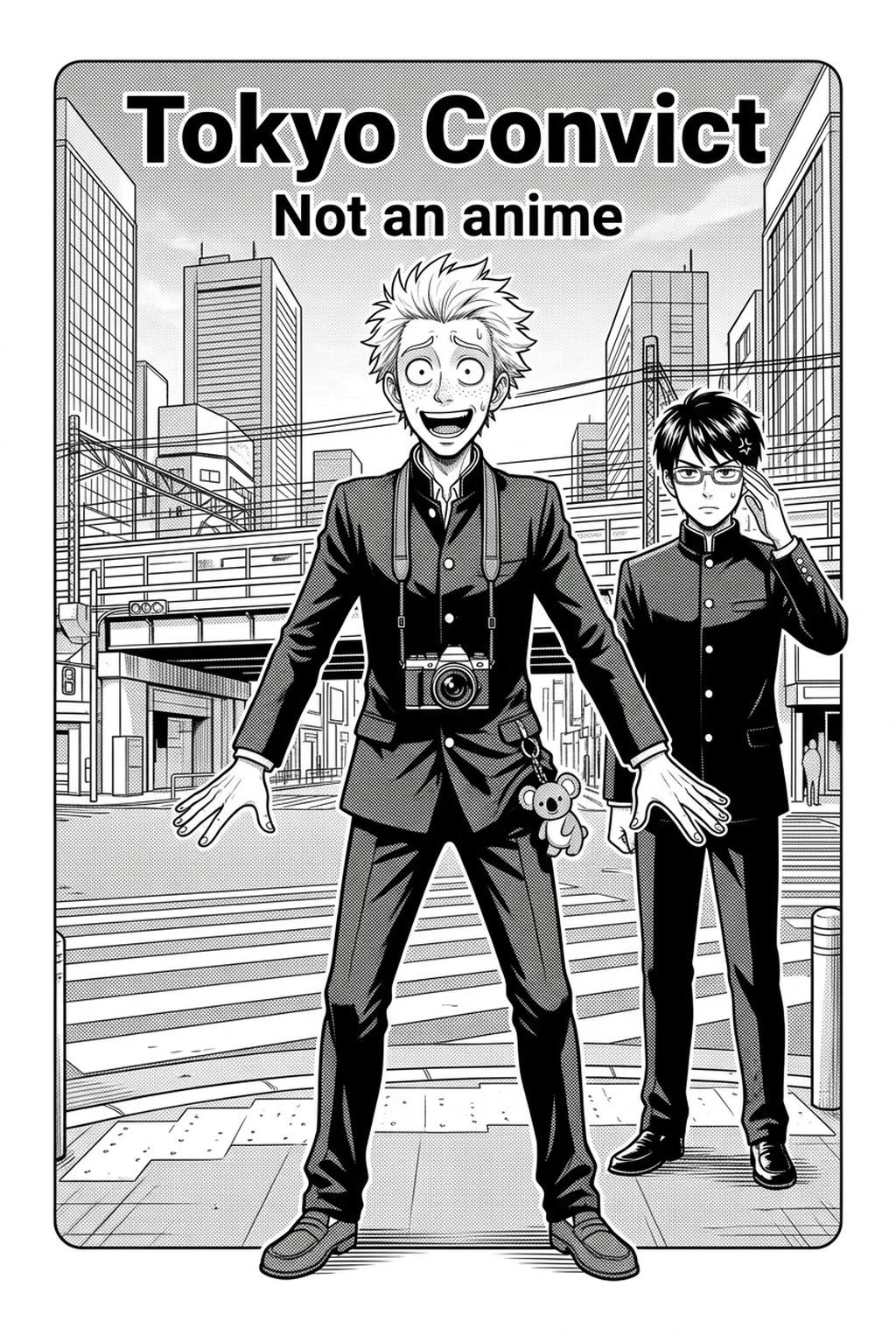
<figure><img src="https://img.mangaka.app/manga/task_4cab5761-3c68-457c-bda0-d871c98089e9/cover/cover_task_4cab5761-3c68-457c-bda0-d871c98089e9_14938_4dcd31b6-da6f-4dc7-8076-1fd62689b186.jpg" alt="A character-led manga reference for a creator"><figcaption>A character-led manga reference for a creator</figcaption></figure>
<script type="application/ld+json">{"@context": "https://schema.org", "@type": "ImageGallery", "image": [{"@type": "ImageObject", "contentUrl": "https://www.mangaka.app/opengraph-image.png", "caption": "A manga workspace for an Indian creator planning a story", "description": "A manga workspace for an Indian creator planning a story"}, {"@type": "ImageObject", "contentUrl": "https://www.mangaka.app/twitter-image.png", "caption": "A discovery view for finding manga ideas", "description": "A discovery view for finding manga ideas"}, {"@type": "ImageObject", "contentUrl": "https://img.mangaka.app/manga/task_04f0db5a-fcc3-4ead-a633-f721c040f74e/cover/cover_task_04f0db5a-fcc3-4ead-a633-f721c040f74e_13456_2a84603a-fc85-409b-b1a6-0d4b1ee74bca.jpg", "caption": "A story page used to review mobile reading", "description": "A story page used to review mobile reading"}, {"@type": "ImageObject", "contentUrl": "https://img.mangaka.app/manga/task_4cab5761-3c68-457c-bda0-d871c98089e9/cover/cover_task_4cab5761-3c68-457c-bda0-d871c98089e9_14938_4dcd31b6-da6f-4dc7-8076-1fd62689b186.jpg", "caption": "A character-led manga reference for a creator", "description": "A character-led manga reference for a creator"}]}</script>
Internal reading path
- Mangaka first-party resource
- Mangaka first-party resource
- Mangaka first-party resource
- Mangaka first-party resource
- Mangaka first-party resource
External references
FAQ
Can a student start with this workflow?
Yes. Start small with a short scene and a clear cast sheet. Review the generated panels, dialogue, rights, accessibility, and mobile legibility before expanding into a series. A careful checklist is more valuable than a large first batch.
What belongs in the first prompt?
Yes. Start small with a short scene and a clear cast sheet. Review the generated panels, dialogue, rights, accessibility, and mobile legibility before expanding into a series. A careful checklist is more valuable than a large first batch.
How can a small team keep characters consistent?
Yes. Start small with a short scene and a clear cast sheet. Review the generated panels, dialogue, rights, accessibility, and mobile legibility before expanding into a series. A careful checklist is more valuable than a large first batch.
How should dialogue be checked for Indian readers?
Yes. Start small with a short scene and a clear cast sheet. Review the generated panels, dialogue, rights, accessibility, and mobile legibility before expanding into a series. A careful checklist is more valuable than a large first batch.
Can the layout work on mobile screens?
Yes. Start small with a short scene and a clear cast sheet. Review the generated panels, dialogue, rights, accessibility, and mobile legibility before expanding into a series. A careful checklist is more valuable than a large first batch.
How should structured data be added safely?
Yes. Start small with a short scene and a clear cast sheet. Review the generated panels, dialogue, rights, accessibility, and mobile legibility before expanding into a series. A careful checklist is more valuable than a large first batch.
<script type="application/ld+json">{"@context": "https://schema.org", "@type": "FAQPage", "mainEntity": [{"@type": "Question", "name": "Can a student start with this workflow?", "acceptedAnswer": {"@type": "Answer", "text": "Yes. Start small with a short scene and a clear cast sheet. Review the generated panels, dialogue, rights, accessibility, and mobile legibility before expanding into a series. A careful checklist is more valuable than a large first batch."}}, {"@type": "Question", "name": "What belongs in the first prompt?", "acceptedAnswer": {"@type": "Answer", "text": "Yes. Start small with a short scene and a clear cast sheet. Review the generated panels, dialogue, rights, accessibility, and mobile legibility before expanding into a series. A careful checklist is more valuable than a large first batch."}}, {"@type": "Question", "name": "How can a small team keep characters consistent?", "acceptedAnswer": {"@type": "Answer", "text": "Yes. Start small with a short scene and a clear cast sheet. Review the generated panels, dialogue, rights, accessibility, and mobile legibility before expanding into a series. A careful checklist is more valuable than a large first batch."}}, {"@type": "Question", "name": "How should dialogue be checked for Indian readers?", "acceptedAnswer": {"@type": "Answer", "text": "Yes. Start small with a short scene and a clear cast sheet. Review the generated panels, dialogue, rights, accessibility, and mobile legibility before expanding into a series. A careful checklist is more valuable than a large first batch."}}, {"@type": "Question", "name": "Can the layout work on mobile screens?", "acceptedAnswer": {"@type": "Answer", "text": "Yes. Start small with a short scene and a clear cast sheet. Review the generated panels, dialogue, rights, accessibility, and mobile legibility before expanding into a series. A careful checklist is more valuable than a large first batch."}}, {"@type": "Question", "name": "How should structured data be added safely?", "acceptedAnswer": {"@type": "Answer", "text": "Yes. Start small with a short scene and a clear cast sheet. Review the generated panels, dialogue, rights, accessibility, and mobile legibility before expanding into a series. A careful checklist is more valuable than a large first batch."}}]}</script>