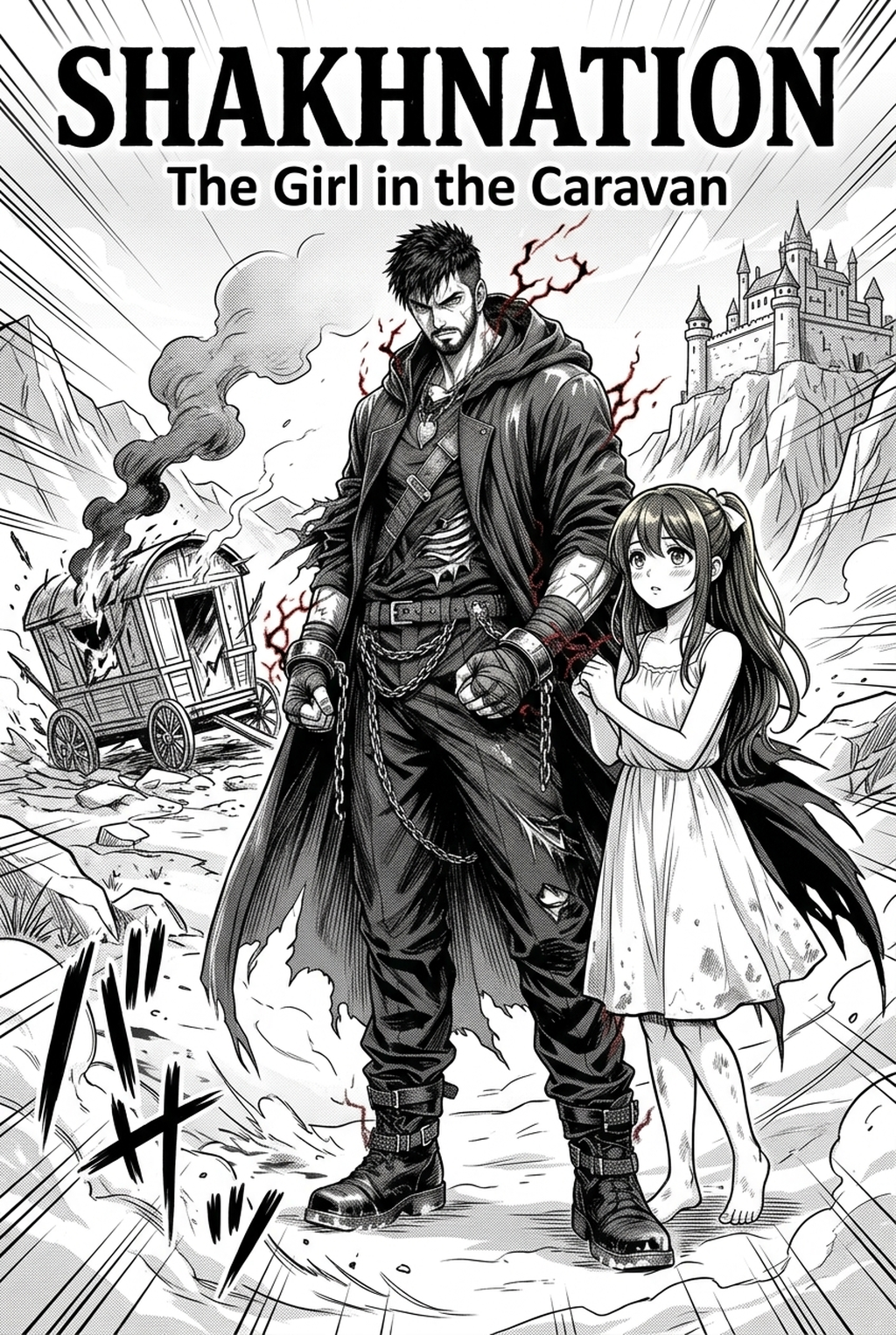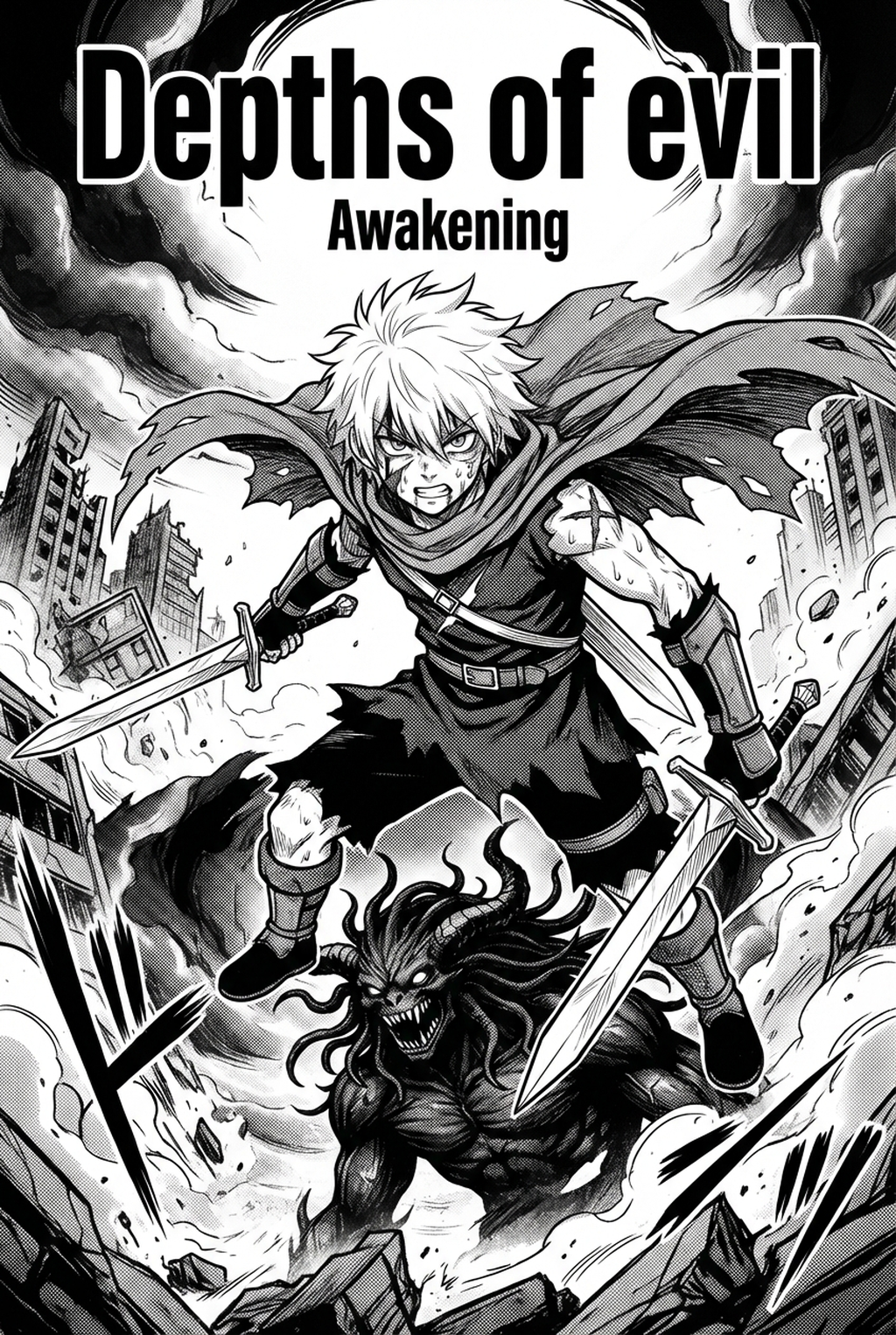
Understanding the Role of AI Manga Background Artist
Effective sci-fi settings provide necessary visual context for the narrative without pulling the reader’s eye away from the character's emotional delivery. A well-designed panel uses architectural lines to direct the reader's gaze toward the focal point, ensuring that even in a crowded hangar bay, the character's expression remains the dominant element.
- Atmospheric Depth: Using subtle contrast gradients prevents the background from flattening the depth of the 2D panel, maintaining a clear separation between the foreground character and the distant mechanical structures. * Environmental Storytelling: Assets such as modular wall panels, flickering holograms, and exposed circuitry act as silent narrators, defining the status of your world—whether it is a high-tech utopia or a decaying orbital station. * Mechanical Complexity: Maintaining consistent line density across complex machinery is vital; too much detail causes the reader to gloss over the environment, while too little makes the setting feel sterile and unconvincing.
Why Technical Consistency Matters for Manga Creators
Immersive environments are the primary tools for establishing the "scale" of a universe, making the difference between a claustrophobic cockpit and a sprawling cityscape palpable for the reader. If the perspective shifts wildly between panels in a single action sequence, the reader loses their sense of physical location, which inevitably disrupts the flow of the narrative.
Consistent architectural style is the anchor of world-building; by keeping the artistic weight of buildings and spaceships unified across every chapter, you ground the audience in a coherent reality. Many creators struggle with "page-turn fatigue," where a reader subconsciously stops engaging with the art because the visual noise of hyper-detailed sci-fi structures competes with the character line art for attention.
How Background Generation Works with Mangaka
AI-driven background generation allows you to transform simple descriptive scripts into complex, perspective-perfect environments, removing the manual labor of hand-drawing perspective grids. By using sci-fi manga backgrounds with Mangaka , you can maintain total control over your composition while the tool handles the technical heavy lifting of texture and structure.
- Style Injection: You can inject specific style parameters into the system, ensuring the generated assets mimic your established hand-drawn ink weight and shading density. * Workflow Integration: Instead of spending hours sketching infrastructure, you input a text description of the scene—such as "interior observation deck with metallic reflections and distant nebula"—and receive a high-resolution base for your page. * Composition Focus: This method allows you to spend your time on what truly matters: character pacing, emotional framing, and dialogue placement, rather than repeating the same mechanical drawing patterns.
Use Cases for Architectural Sci-Fi Layouts
Dystopian cityscapes require a specific focus on verticality and the layering of ambient lighting to simulate a sense of scale that stretches beyond the panel border. Modular architectural repetition is the secret to creating a convincing, dense city without cluttering the page with unnecessary individual elements that distract from the main character’s movement.
Space interiors, such as corridors or ship bridges, rely heavily on metallic reflections and the strategic use of negative space. These scenes must feel claustrophobic to heighten tension, which is achieved by utilizing low-angle perspectives and tight composition. Mangaka allows for rapid iteration of these layouts, enabling you to test different viewing angles or lighting conditions in seconds until the atmosphere matches your vision for the script.
- Modular Cityscapes: Focus on vertical lines and repeated, layered structures to convey a sense of overwhelming, sprawling urban decay. * Ship Interior Pacing: Use tight, horizontal framing to emphasize the confined, high-pressure environment of deep-space vessels. * Asset Iteration: Quickly change the lighting state from "emergency red alert" to "cold ambient blue" without redrawing the entire line art layer.
Getting Started with AI-Assisted Environments
Ensuring your AI-generated assets match your personal aesthetic is a matter of consistent style-prompting. By feeding the generator reference snippets from your own previous chapters, the output becomes an extension of your existing art, rather than a jarring addition. Many artists fear that AI will replace their creative input, but the reality is that it functions as a tireless assistant that handles the technical heavy lifting of perspective and geometry.
The result of this collaboration is a higher output volume without the sacrifice of artistic quality. Since the tool handles the base structures, your editorial review process is limited to final refinements of contrast and line-weight matching, significantly reducing the duration of your production cycle for full-page spreads. Furthermore, professional tools provide clear usage rights, ensuring that your commercial projects are secure.
Creators should compare the generated line art with the original sketch and confirm that facial expressions, props, speed lines, and speech-bubble space still support the scene. A repeatable review pass should cover character consistency, panel readability, background clarity, and whether the final file is ready for coloring, lettering, or editor feedback.
Creators should save approved examples of line weight, face detail, clothing folds, and background density. Those references keep later chapters closer to the intended style. For collaboration, creators should mark which panels are final and which panels still need redraws. Clear status labels prevent an assistant, editor, or colorist from polishing the wrong version.
The Bottom Line
Achieving professional, detailed sci-fi environments no longer requires sacrificing weeks of production time to tedious perspective grids. By integrating sci-fi manga backgrounds into your creative workflow, you can maintain the structural integrity and aesthetic consistency of your world-building while significantly scaling your page output to meet the demands of modern serial publication.
Related articles
Manga Colorist: 2026 Guide for Creators
What Does a Manga Colorist Do? A Modern Workflow Guide 2026
How a Manga Colorist Uses AI to Scale Their Productivity