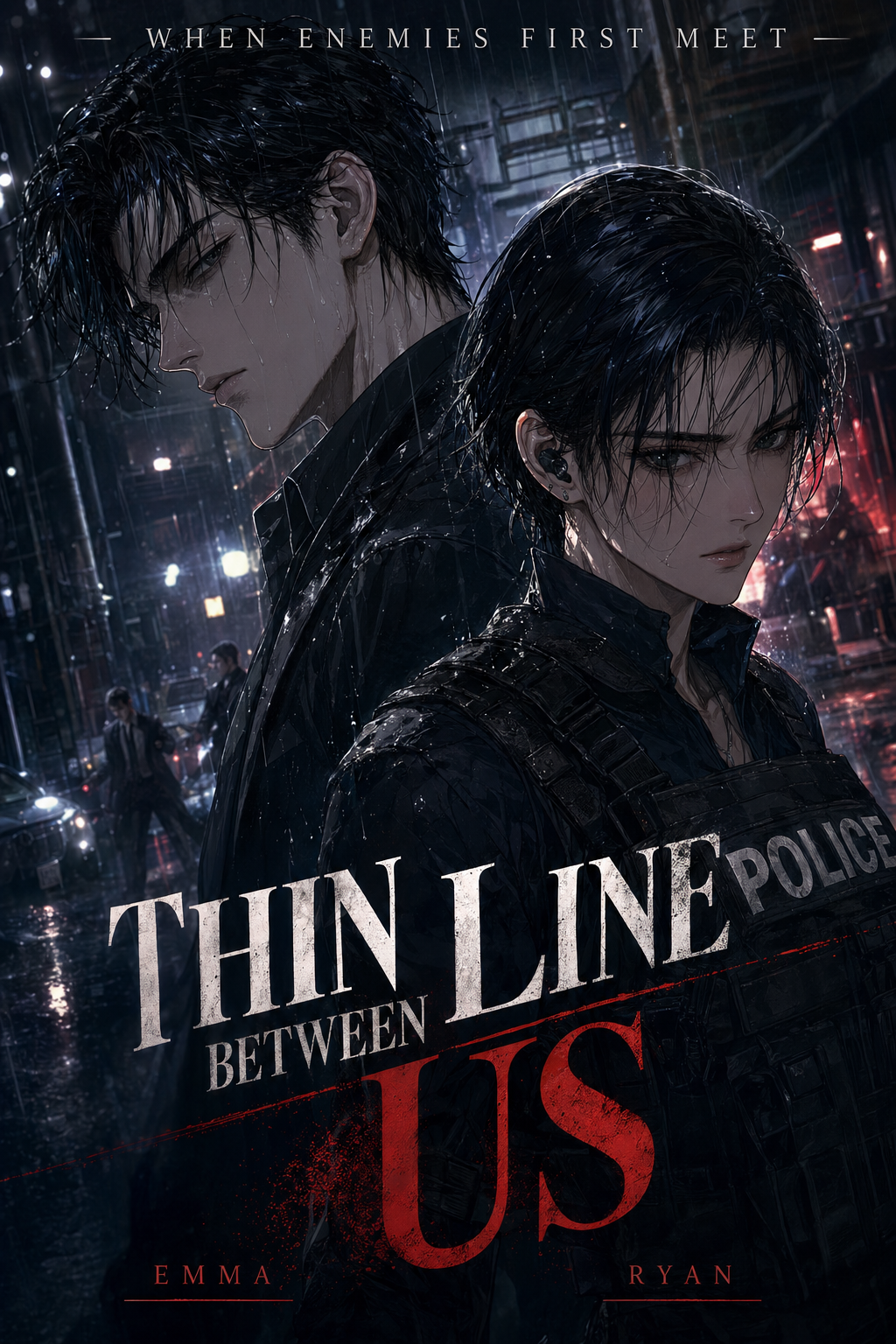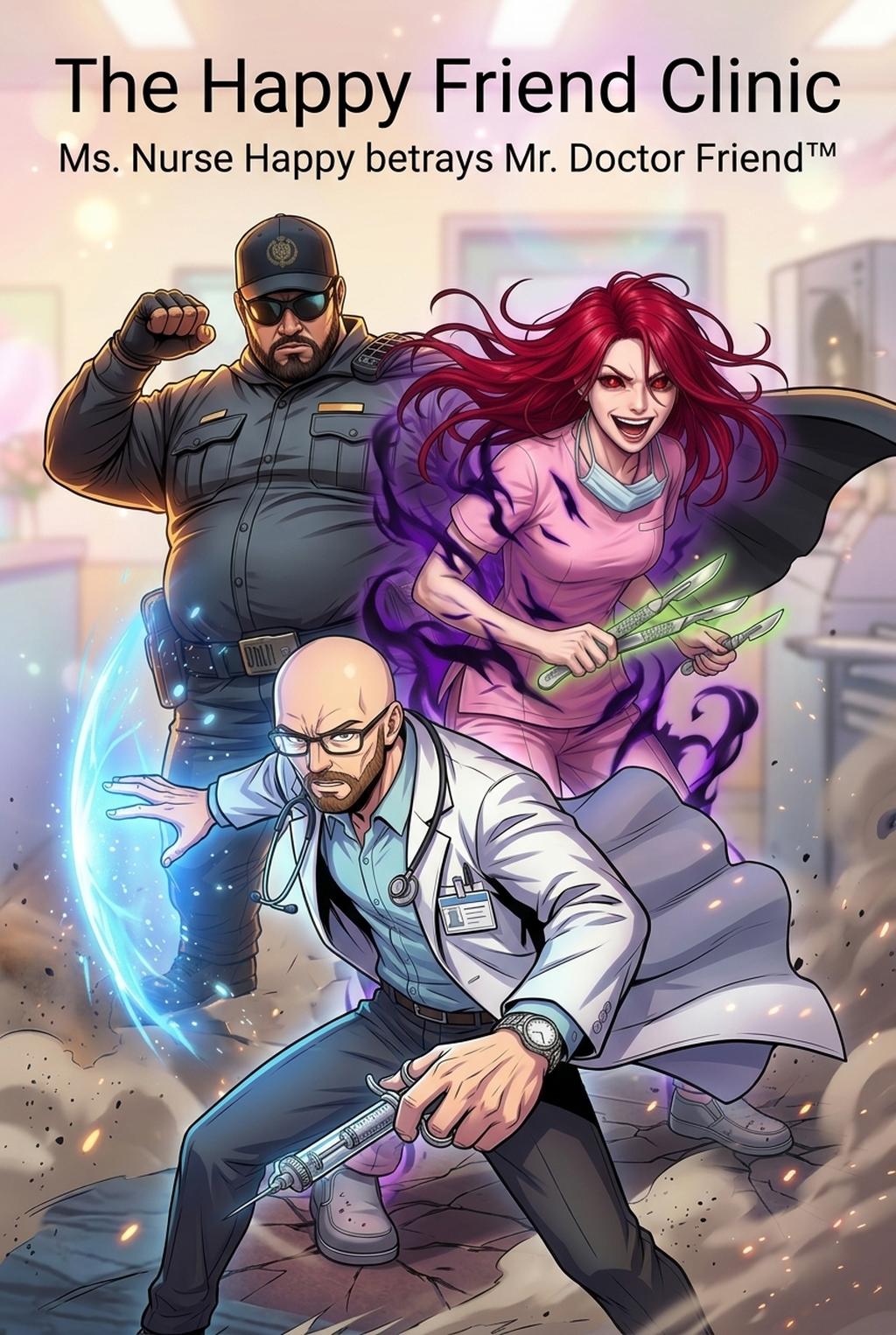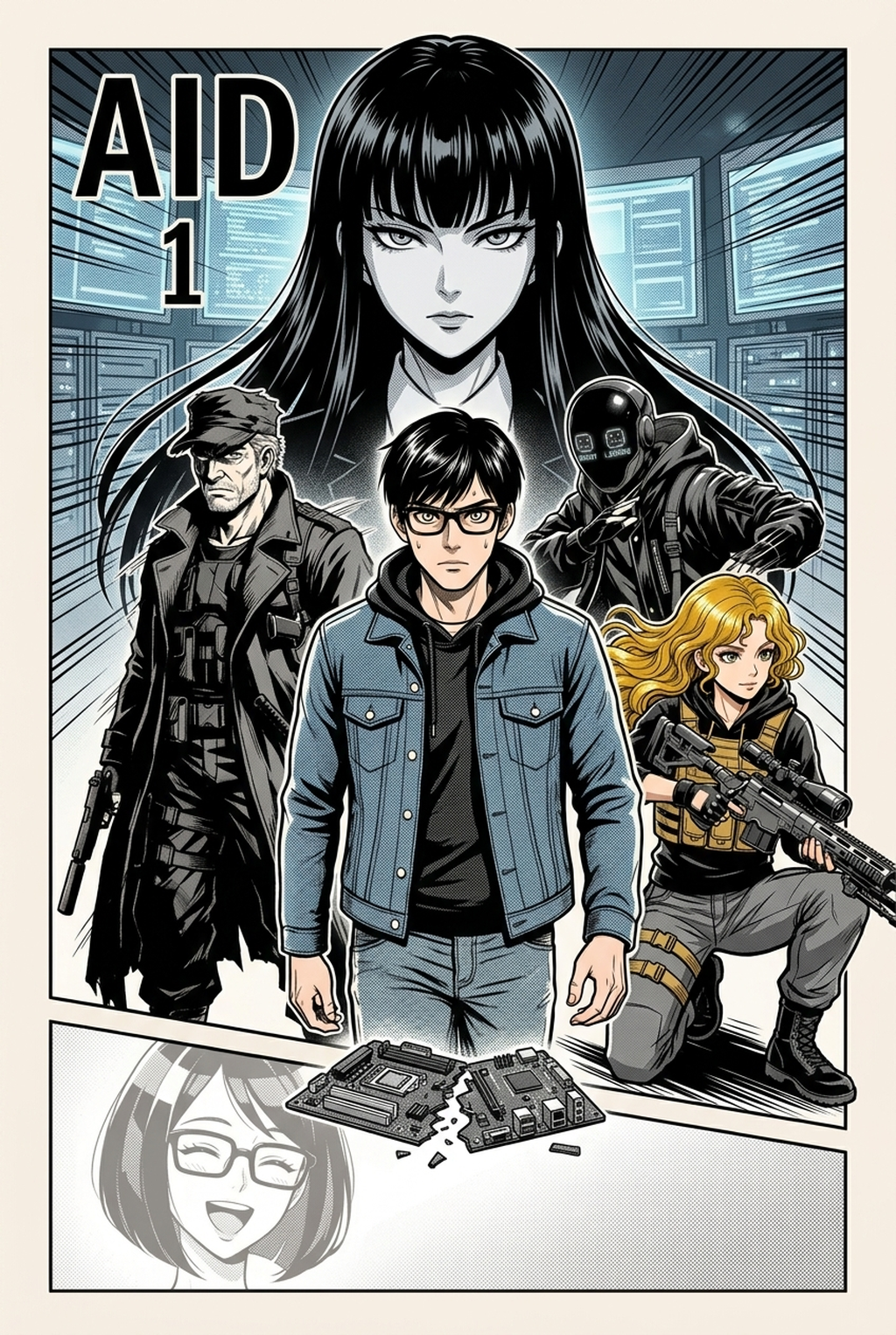
AI Manga Character Designer: Defining the Visual Landscape of Transition
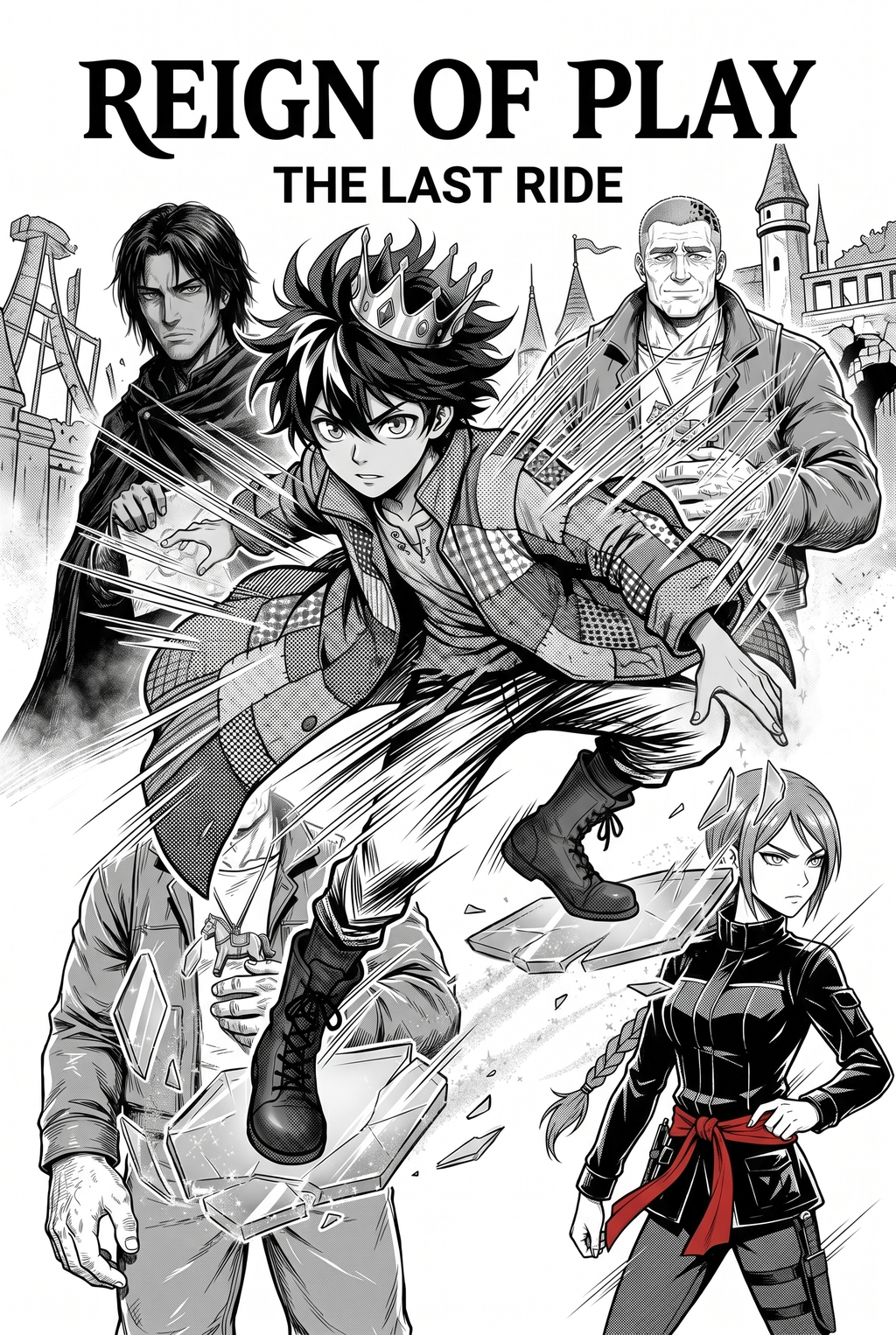
Isekai design hinges on the deliberate juxtaposition of modern-day elements against high-fantasy aesthetics to immediately signal the character's origins. This contrast is the most effective shorthand in the genre, preventing your lead from blending into the generic "knight or mage" archetypes that populate most fantasy backgrounds.
- Modern Anchors: Use specific, recognizable items like high-top sneakers, hoodies, or digital wristwatches that serve as static design markers throughout the story. * Costume Evolution: Rather than a total shift in style, design the transformation as an layering of modern fabrics over fantasy armor plates, signifying the character’s dual identity. * Static Traits: Keep unique facial markings, eye shapes, and signature hairstyles constant, as these are the only persistent elements that ground the reader when the character is placed in an entirely alien environment.
The biggest mistake creators make is over-complicating the fantasy outfit, which forces them to redraw complex filigree or cape physics on every single page. By utilizing a "layered approach"—keeping the modern core outfit simple and adding ornate fantasy elements in small, predictable batches—you ensure your line-weight consistency remains stable even during high-action combat sequences.
Why Structural Consistency Matters for Creators
Strict adherence to defined character sheets prevents the "style drift" that often plagues long-form manga projects. When you work manually, it is remarkably easy to accidentally change the length of a pauldrons' spike or the specific pattern of a cloak's trim over a thirty-chapter run, which inevitably forces time-consuming redrawing during the final edit.
- Reference Lock: By using a system that fixes character proportions, you eliminate the need to manually calibrate anatomy for every panel. * Sheet Automation: AI tools generate high-resolution character sheets that provide a source of truth for both your foreground hero and your secondary fantasy NPCs. * Latency Control: A unified visual space ensures that your protagonist’s primary physical features, such as their jawline or hair thickness, remain identical from the first introductory panel to the climactic final boss battle.
If you rely on manual sketching for every new panel, you are likely wasting hours on redundant anatomy corrections. Utilizing Isekai manga character design with Mangaka allows you to lock in the specific design parameters of your hero, meaning you only need to define your character’s appearance once to ensure that every subsequently generated panel retains the same, precise visual DNA.
How Your Designs Integrate with Professional Tools
You can leverage artificial intelligence to manage the repetitive labor of consistent character iteration, allowing you to focus on the nuanced storytelling elements that define your series. This approach moves the production process away from error-prone manual reproduction toward a system that respects your original creative vision.
- Silhouette Readability: Effective design relies on a unique shape that stays distinct against the chaotic, saturated palette of typical forest or dungeon environments. * Anachronistic Anchors: By keeping a specific modern element—such as a zipper pattern or a glowing LED accessory—as a central part of the design, you remind the reader of the character's modern origins without cluttering the page. * Tone Separation: Use cooler, muted color palettes for modern elements and warmer, more vibrant colors for magical fantasy gear to create a visual hierarchy that guides the reader’s eye.
When you use an intelligent generation tool, you are essentially offloading the grunt work of "inking and color" for secondary characters. This allows your creative energy to remain concentrated on the hero’s emotional beats and key design development, rather than getting buried in the technical requirements of armor shading or uniform texturing.
Streamlining Your Production Workflow
Design phase efficiency determines the difference between a stalled project and a launched series. By automating the generation of poses and expressions, you can create a diverse library of character assets without ever needing to manually adjust line weights or fix proportion errors in the middle of a chapter layout.
- Instant Iteration: Instead of drafting multiple rough sketches to test a new outfit, use text-based inputs to see exactly how a piece of fantasy gear fits over your protagonist’s existing body model. * Layered Flexibility: The tool manages complex layering, which keeps your line art clean and simplifies the process of applying digital tones or colors during your final editing phase. * Asset Management: By centralizing your character models within an integrated environment, you ensure that every exported file—whether it is a PNG, PSD, or PDF—features the exact same high-quality detail level.
If you are designing a sequence involving a hero entering a new guild, you need at least five variations of their expression and stance to maintain pacing. Before export, creators should compare the generated line art with the original sketch and confirm that facial expressions, props, speed lines, and speech-bubble space still support the scene. A repeatable review pass should cover character consistency, panel readability, background clarity, and whether the final file is ready for coloring, lettering, or editor feedback.
The Bottom Line
Mastering the balance between modern fashion and fantasy tropes is essential for any successful Isekai project, and using the right production tools can bridge the gap between a rough concept and a professional-grade manuscript. By maintaining strict visual consistency, you ensure your readers remain locked into your story's world-building rather than being distracted by inconsistent designs. You can start building your own consistent character library today by visiting Isekai manga character design to optimize your workflow for your next big series launch.
Related articles
Magical Girl Manga Character Design: A Guide for 2026
Manga Cat Character Design: A Guide for Creators 2026
Decoding the Made in Abyss Art Style: A Creator's Guide 2026