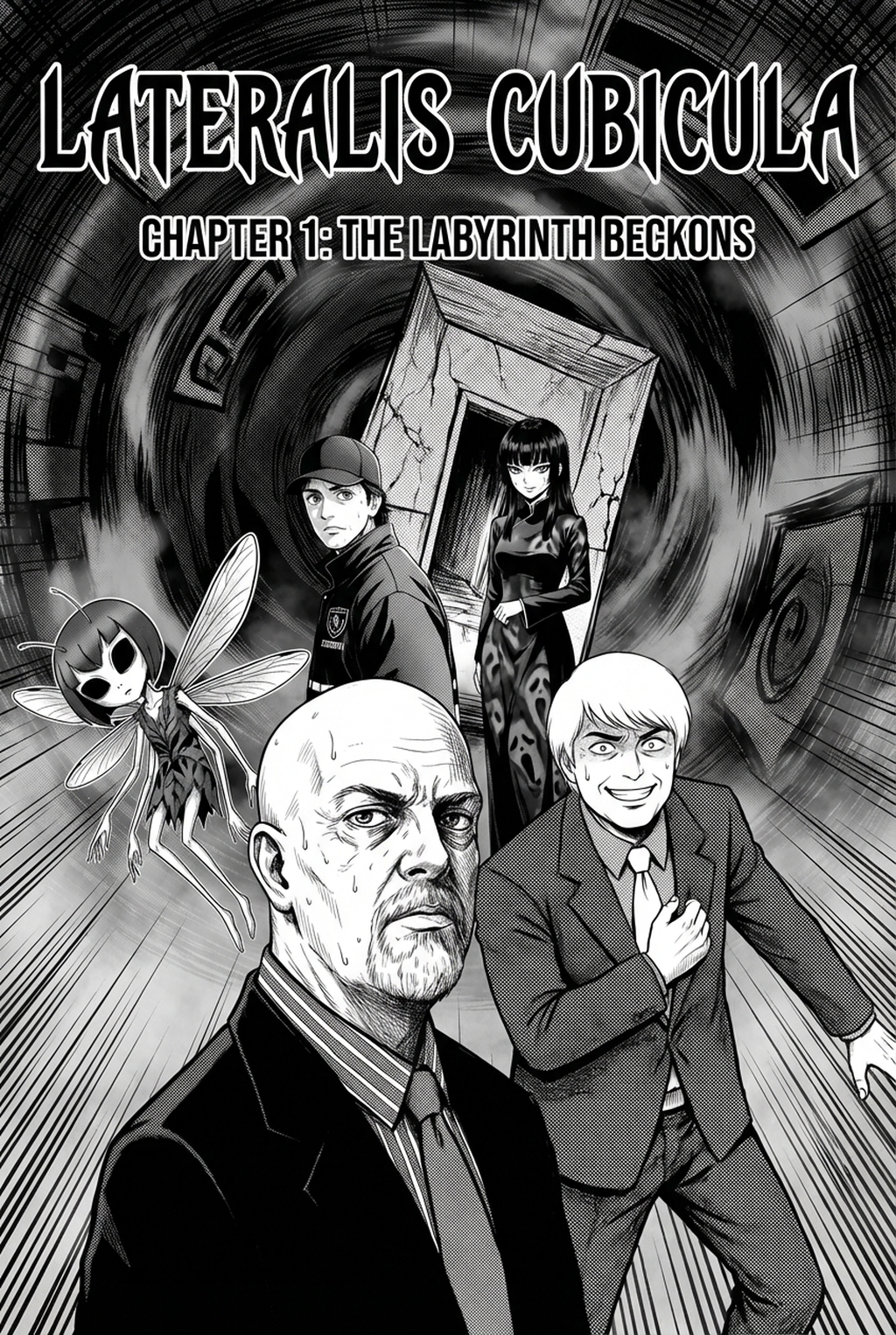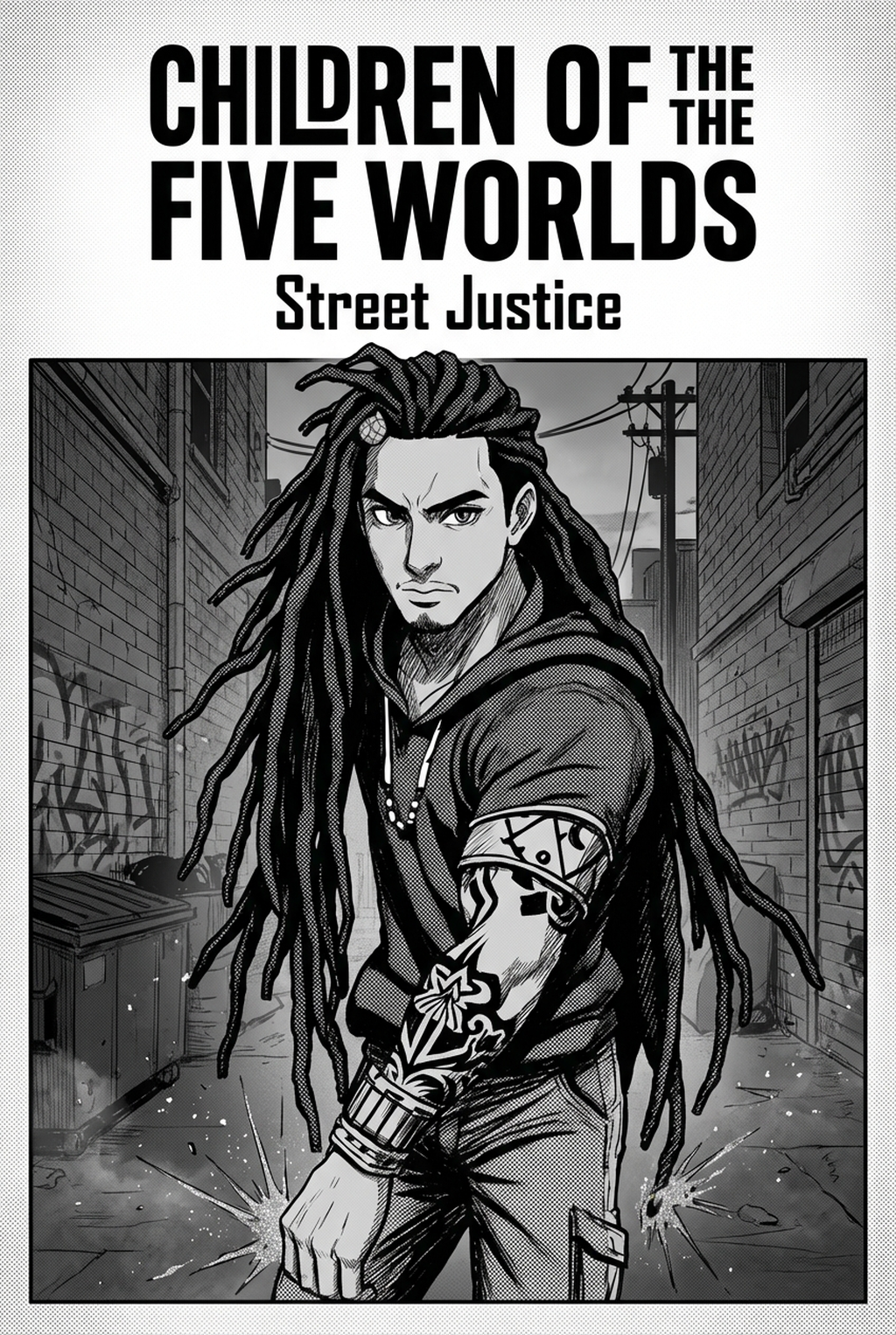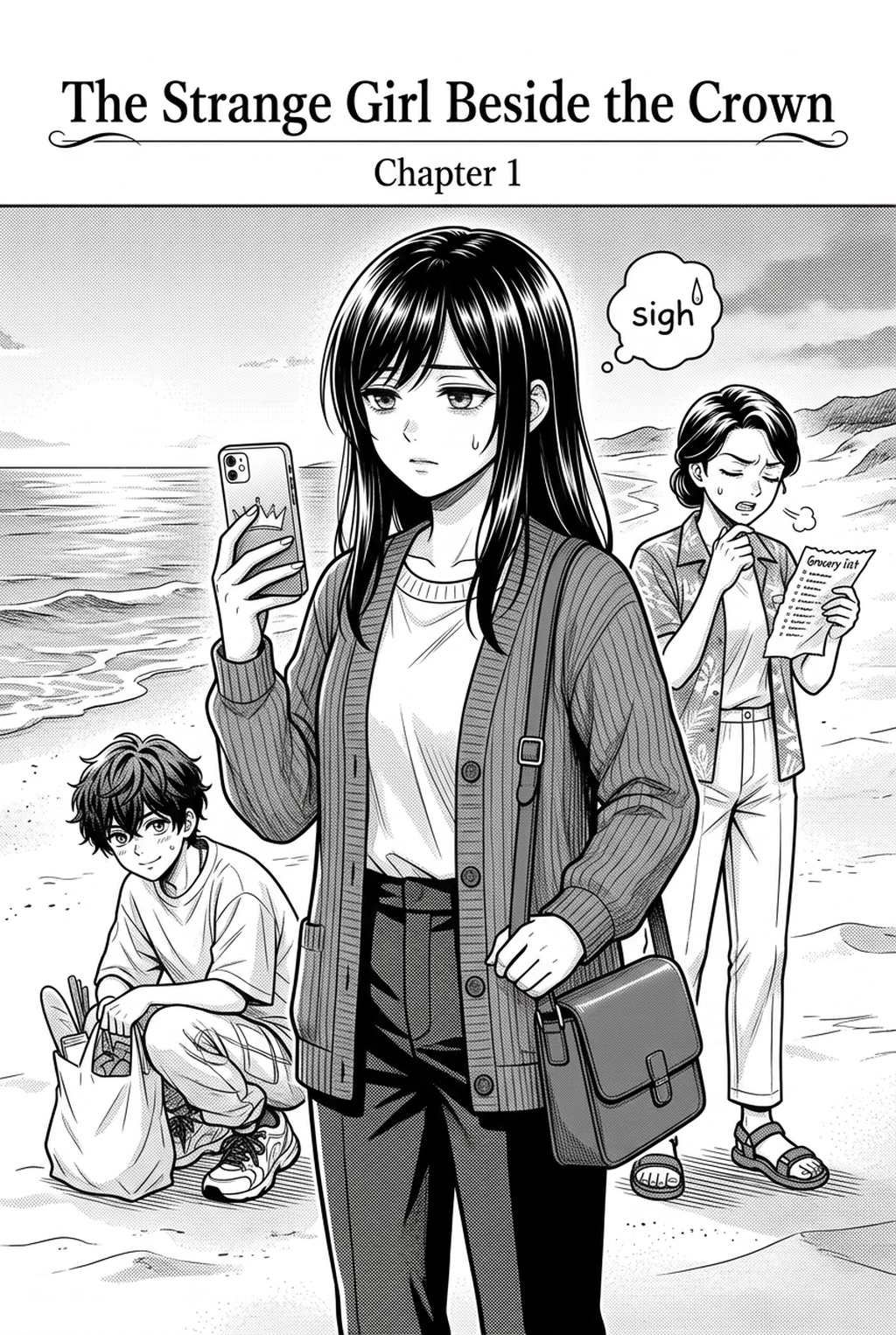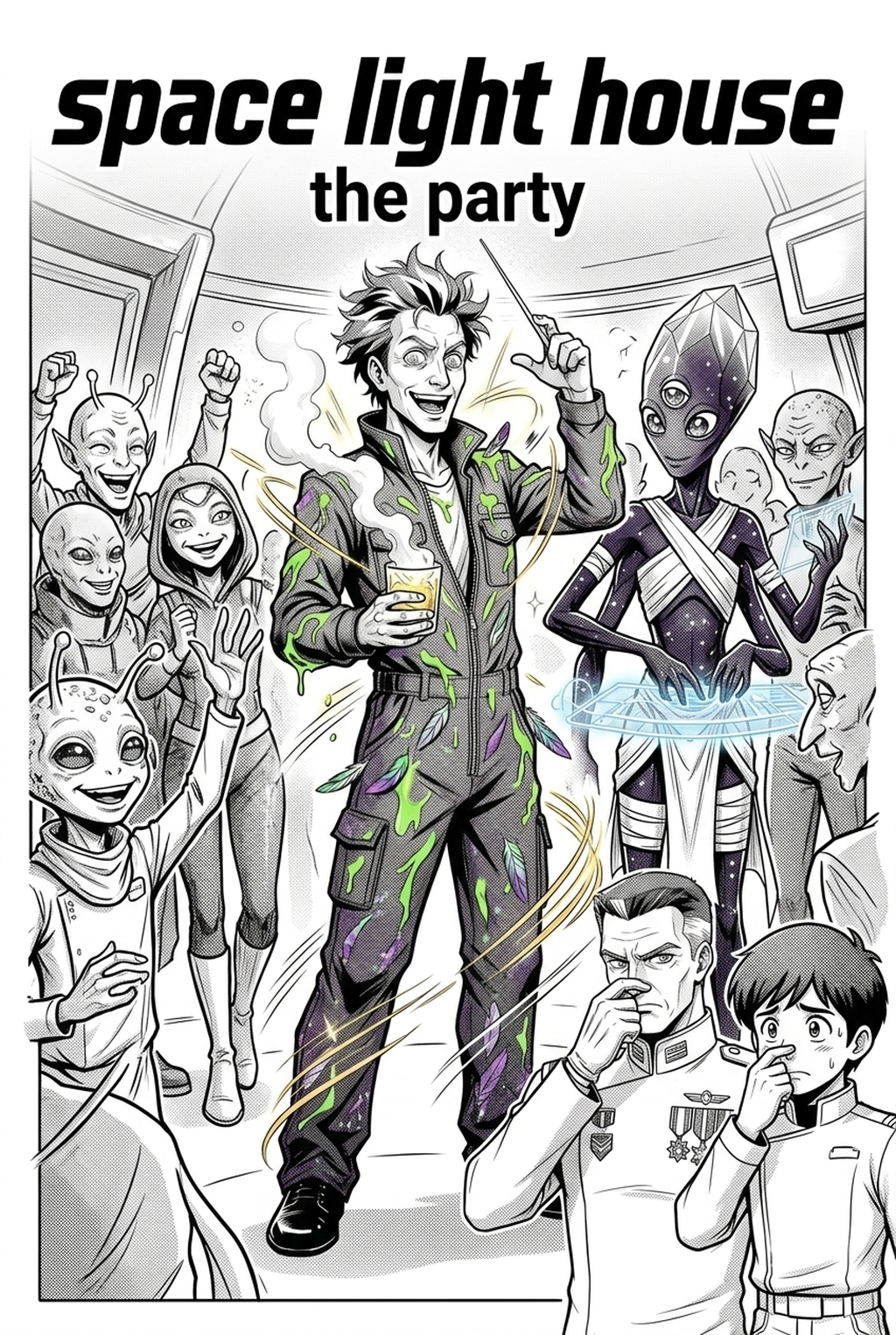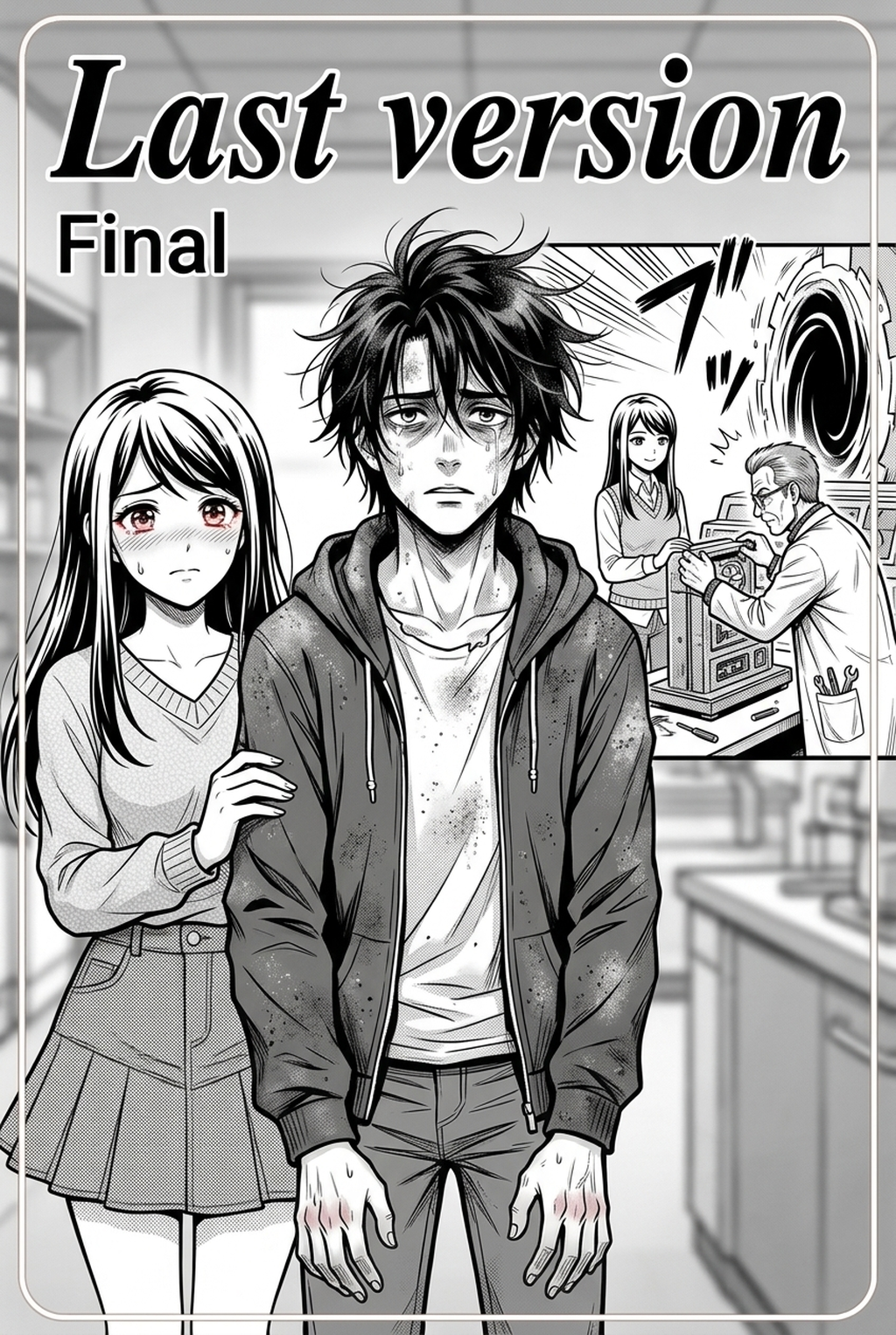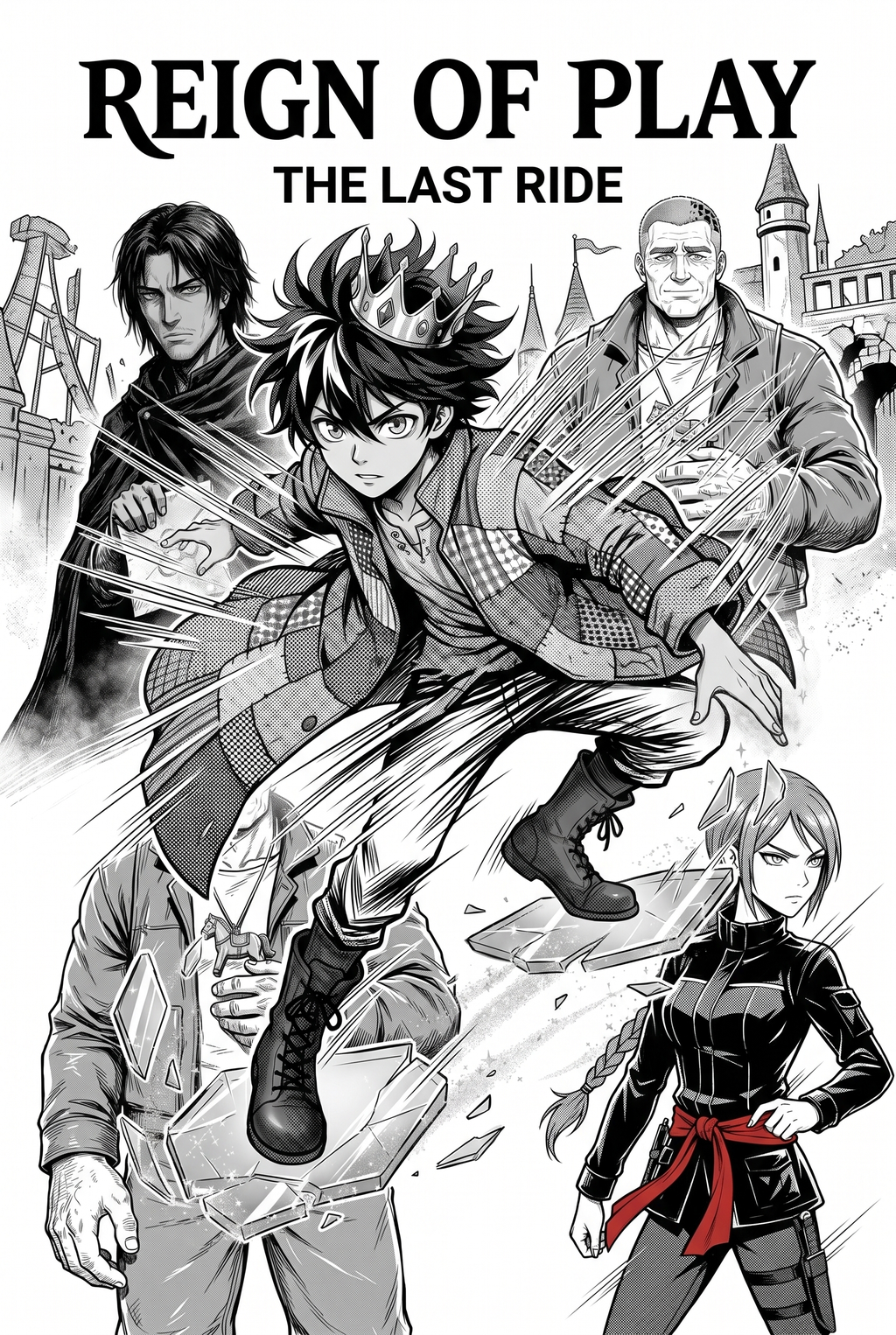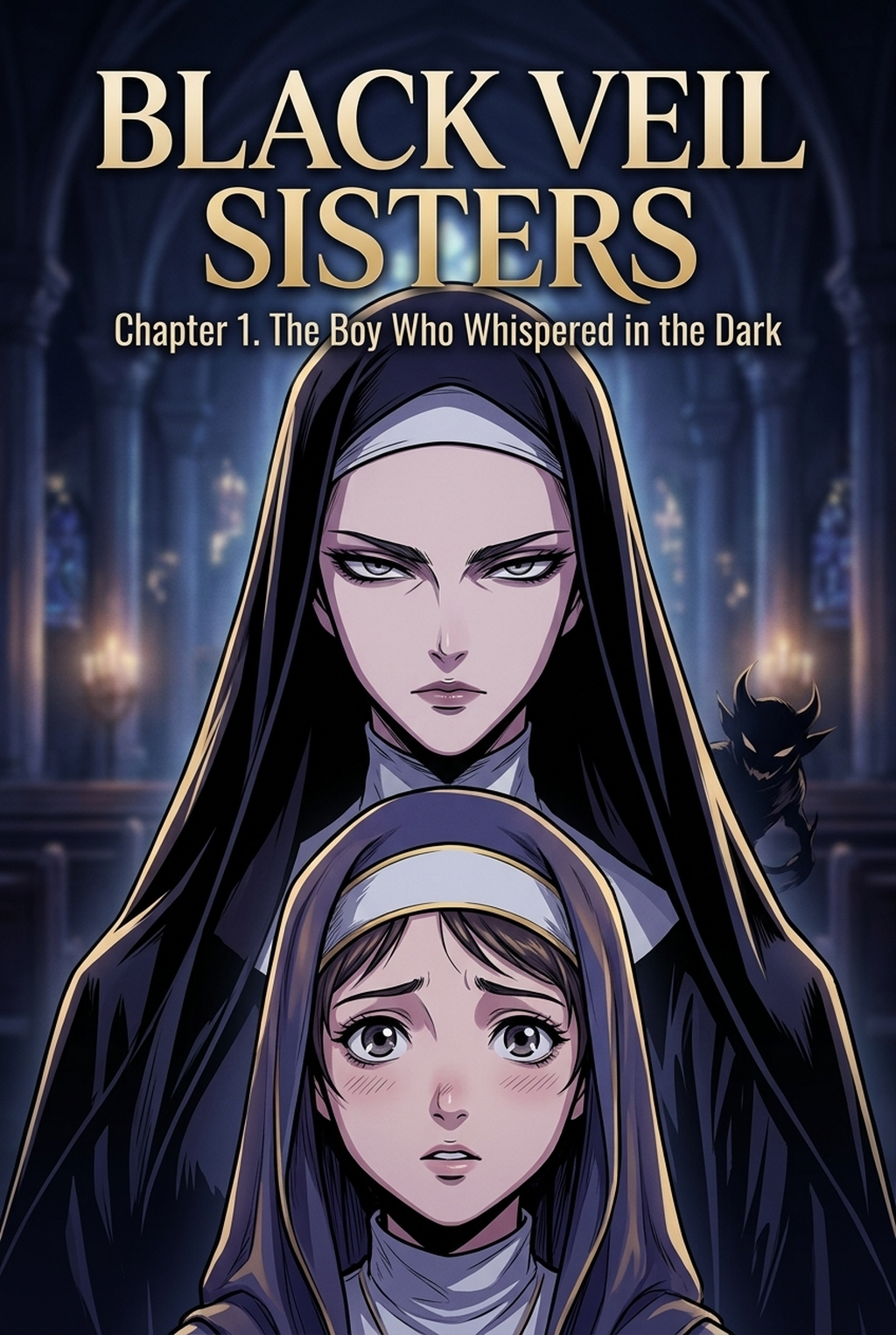
AI Manga Character Designer: Essence of Magical Character Aesthetics
Successful designs hinge on the visual contrast between the civilian form and the transformed gear, creating a clear psychological separation for the reader. When you deviate too far from the civilian silhouette, you risk confusing the audience, whereas staying too close often fails to convey the required power jump for high-stakes action scenes.
- Silhouette Language: Use bold, exaggerated shapes in the battle form to signal power, contrasting with the soft, muted lines of the school-aged protagonist. * Color Palette Anchors: Assign three distinct colors to the character’s base form that reappear in the transformation, ensuring the viewer recognizes them immediately despite the costume change. * Transformation Triggers: Incorporate static items—compacts, brooches, or hair clips—that remain visible in both states, serving as a constant visual anchor.
Many creators mistakenly believe that more detail equates to a stronger design. In reality, over-designing your battle costumes often makes inking panels for a 24-page monthly chapter unsustainable, leading to broken line work and inconsistent panel pacing.
Why Character Consistency Matters for Creators
Consistency builds professional trust with your readers and publishers, as a character whose facial features or accessory placement fluctuates wildly can break narrative immersion. When a transformation is not instantly recognizable, you force the reader to spend valuable time deciphering the character's identity instead of engaging with the scene's emotional stakes.
- Model Sheet Blueprints: Build a centralized repository for every costume, documenting trim patterns, accessory placement, and weapon length. * Proportion Maintenance: Prevent the common issue of head-to-body ratio drift that occurs when switching from action-heavy battle sequences to dialogue-focused civilian panels. * Professional Readability: Standardize the placement of intricate gear so that inking and toning remain uniform across 50+ chapters, avoiding the need for constant design cleanup during the edit phase.
Focusing on these blueprints early in your production process allows you to dedicate more creative energy to storyboarding and plot development. Reliable character models are the difference between a project that stalls after three chapters and one that sustains a long-running serialization.
How Magical Girl Design Works with Mangaka
Creators today are shifting away from purely frilly, lace-heavy aesthetics toward specialized sub-genres like dark magical fantasy or tech-wear influenced battle gear. Magical girl manga character design with Mangaka allows you to iterate on these complex, modern outfits while locking in your base character's facial features, ensuring the transformation never loses the core identity of your protagonist.
Instead of manual redrawing, you can test various color variants against complex background settings to verify character readability in high-action panels. By inputting your specific textual descriptions for costume geometry, you generate consistent assets that remain uniform throughout the inking and color phases.
- Iteration Pipelines: Use the tool to generate 10+ variations of a battle costume in minutes, allowing you to test how different trim patterns affect the character's silhouette under various lighting conditions. * Constraint Locking: Maintain total control over the base anatomy, so that your 14-year-old lead doesn't suddenly change age or height during a complex 5-panel transformation sequence. * Workflow Integration: Export your generated designs as high-fidelity assets ready for immediate use in your page layout, saving hours of tedious pencil-and-ink correction.
Use Cases for Advanced Character Assets
Using a centralized platform ensures your protagonist looks identical whether they are standing in a quiet classroom or engaging in a high-speed sky battle. This is particularly useful for managing the heavy demands of modern manga serialization, where color pages and complex, multi-layered battle sequences are the expectation.
- Complex Costume Generation: Automate the repetitive drawing of high-detail armor or magical jewelry, ensuring every trim pattern and accessory is perfectly aligned in every panel. * Uniformity Across Phases: Once you establish your character, you can carry that specific design through storyboarding, inking, and final page production without manual cleanup. * Efficient Storytelling: Shift your time from the technical labor of character maintenance to what truly matters—pacing your dialogue, drafting compelling panel gutters, and perfecting your cliffhanger endings.
Getting Started with Mangaka
Transitioning to an AI-assisted workflow allows you to overcome the technical hurdles that traditionally limit a single artist’s production speed. By utilizing the platform, you can spend less time struggling with perspective-warped outfits and more time defining the emotional arcs of your cast.
- Define your character’s core traits in the text creative brief, focusing on personality and signature items to keep the silhouette consistent. 2. Generate your model sheets before drafting your first chapter, ensuring you have a permanent visual reference for both civilian and transformed states. 3. Review your exports within your standard drawing software, using the generated line art as the base for your final inking.
Creators should compare the generated line art with the original sketch and confirm that facial expressions, props, speed lines, and speech-bubble space still support the scene. A repeatable review pass should cover character consistency, panel readability, background clarity, and whether the final file is ready for coloring, lettering, or editor feedback. For longer projects, creators should save approved examples of line weight, face detail, clothing folds, and background density. Those references keep later chapters closer to the intended style.
Creators can evaluate Magical girl manga character design with Mangaka mid-workflow when they need the product path tied directly to review, refinement, and export. A real test should use the same sketch, character goal, or panel sequence that would otherwise need manual cleanup after generation.
The Bottom Line
AI Manga Character Designer workflow is a balancing act that requires strict adherence to your established visual identity while embracing the creative potential of new design sub-genres. By streamlining your workflow, you can maintain high artistic quality and strict visual consistency without sacrificing efficiency..
Related articles
Manga Cat Character Design: A Guide for Creators 2026
Decoding the Made in Abyss Art Style: A Creator's Guide 2026
Mastering Isekai Manga Character Design: A 2026 Guide