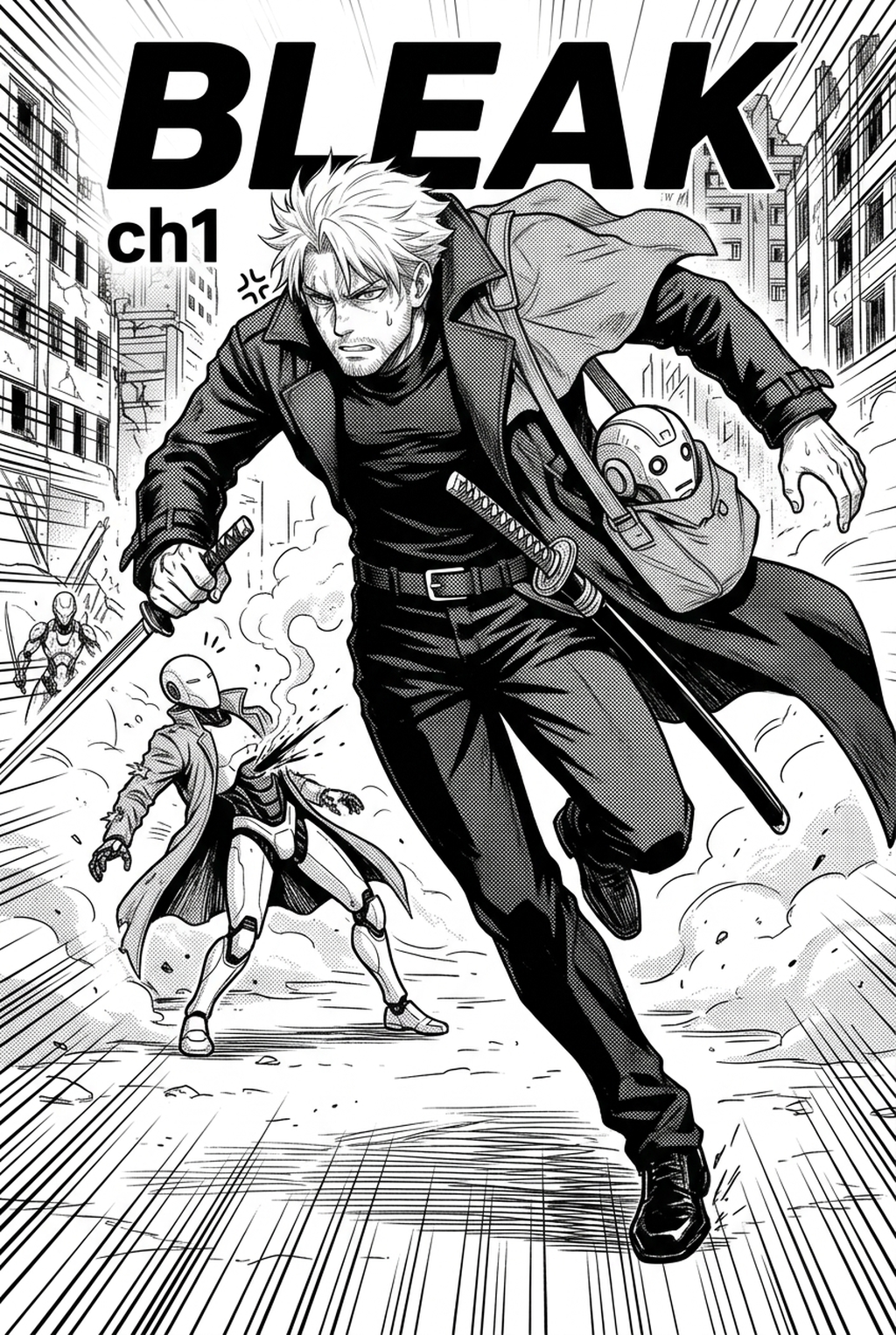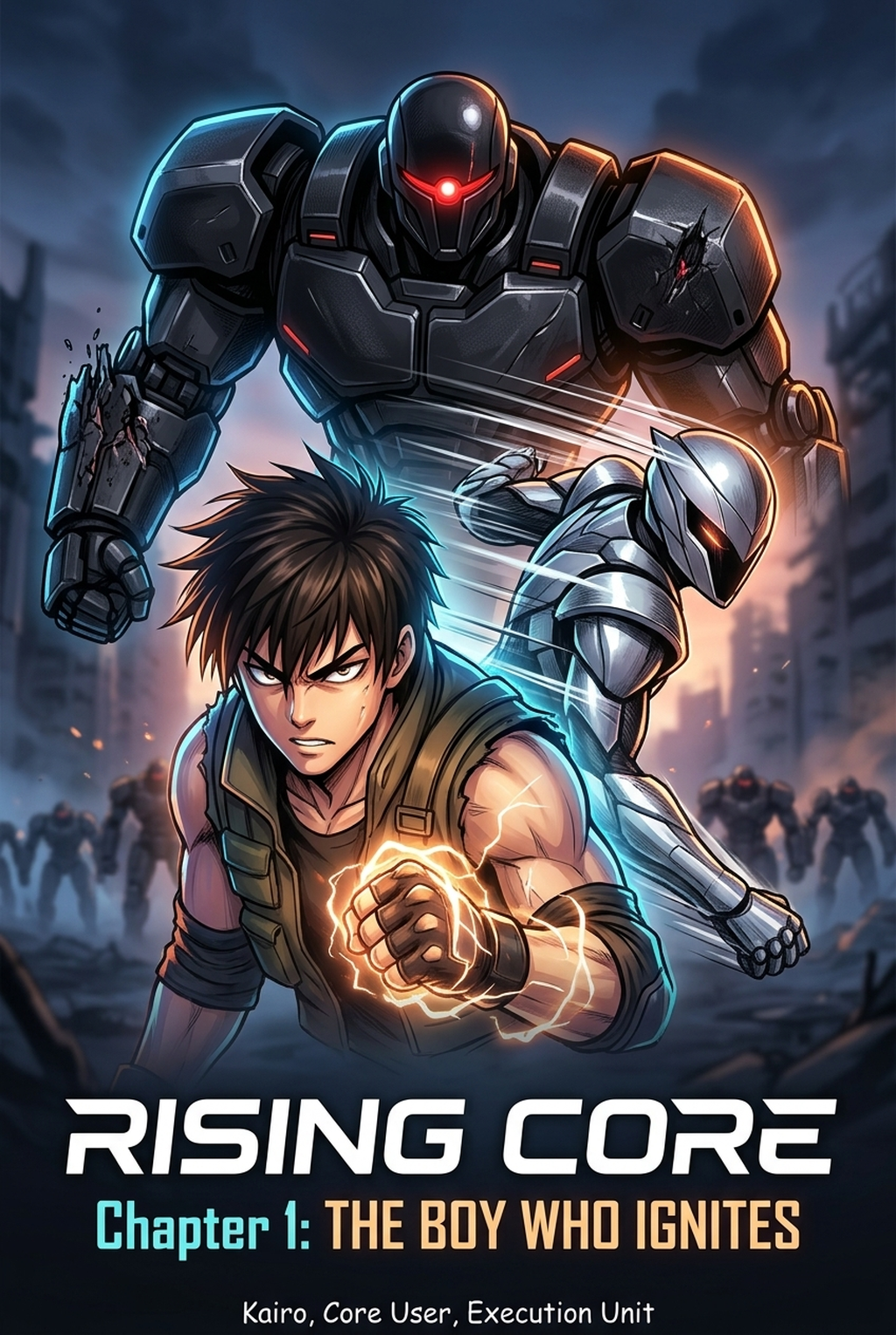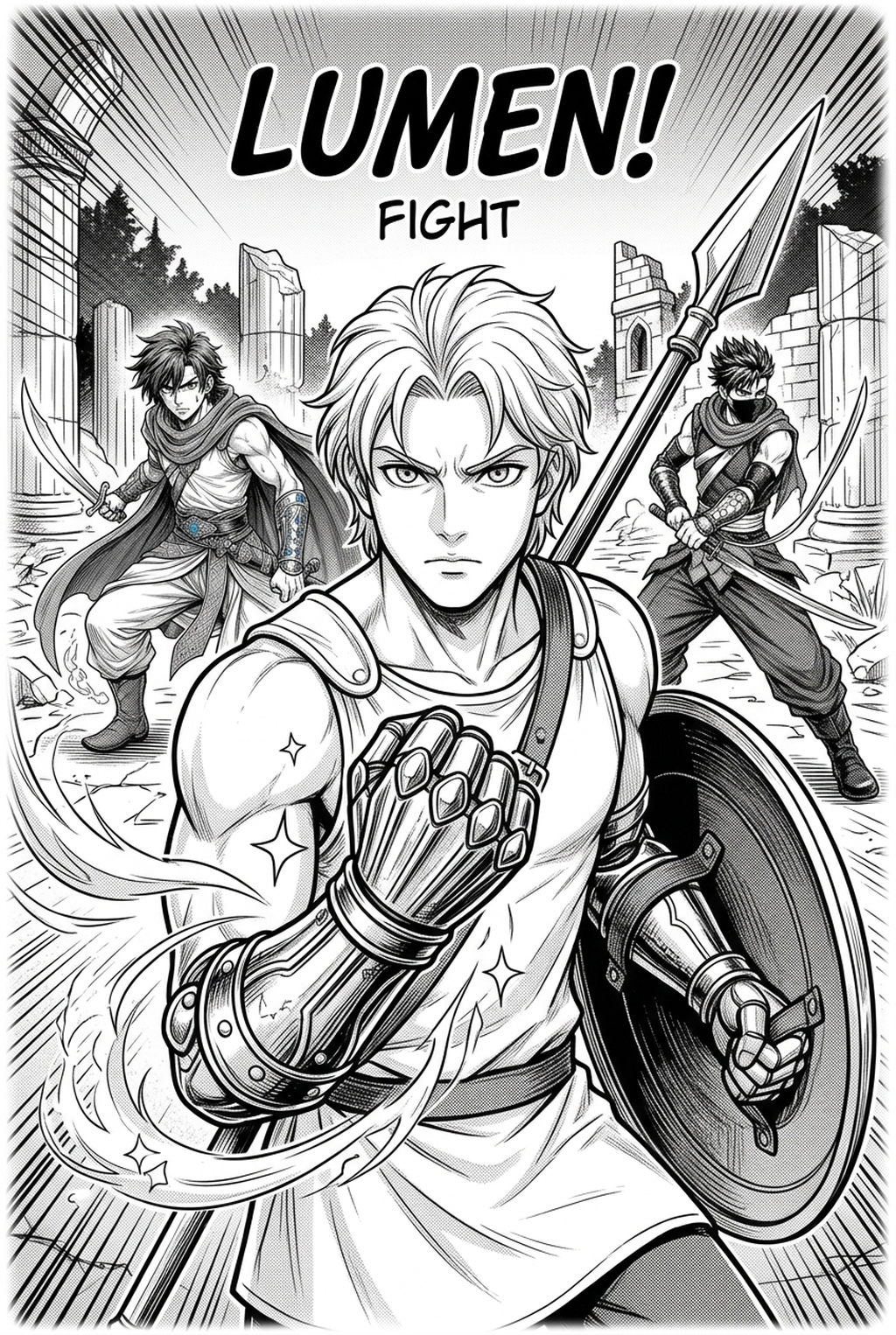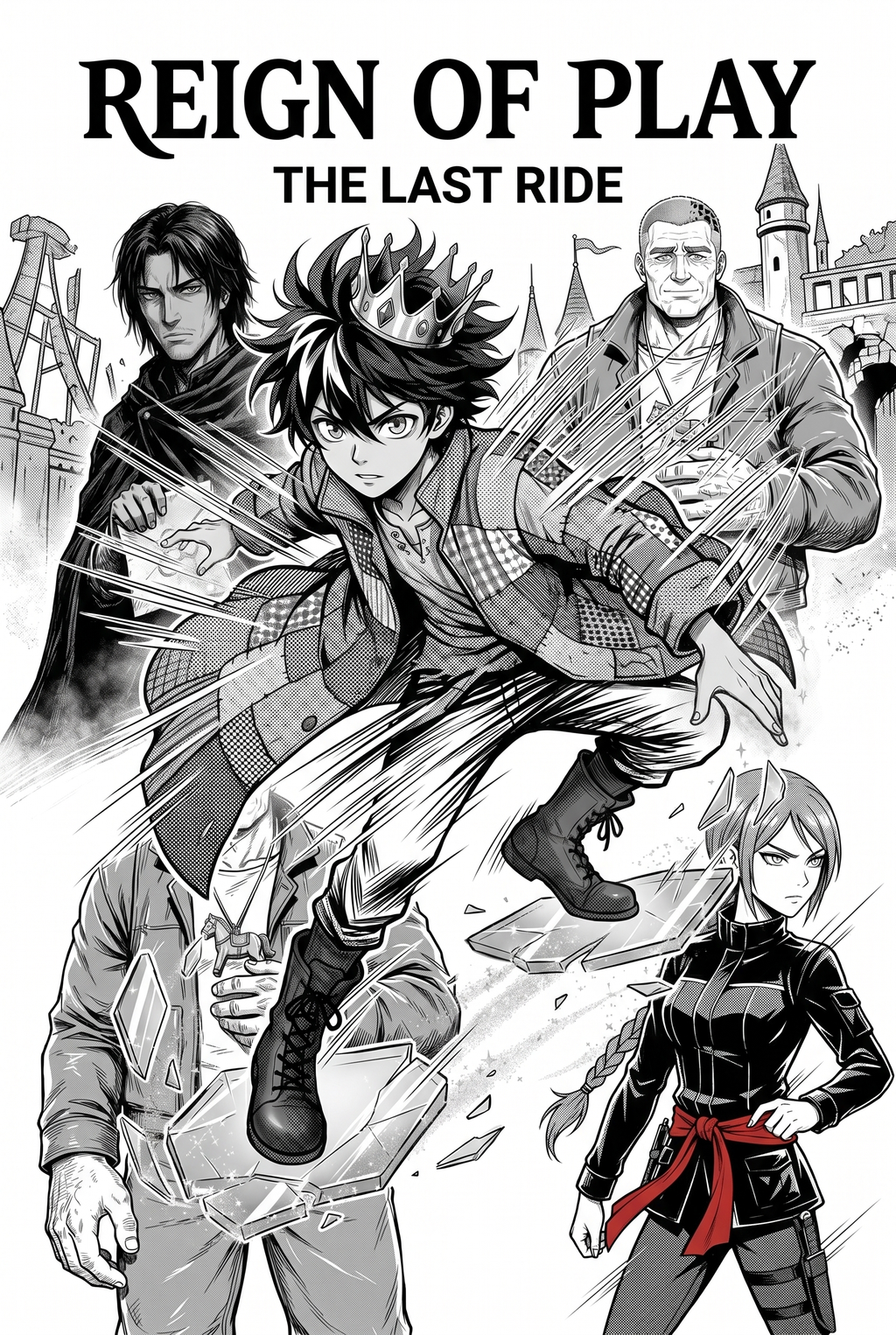
AI Manga Character Designer: Defining the Visual Soul of an Isekai Hero
Effective character design in this genre relies on a 'hook' trait—one visual element, such as glowing eyes or a specific relic weapon, that differentiates the protagonist from generic archetypes. You must balance Earth-origin aesthetics with fantasy-world immersion, ensuring accessories narrate the background shift from a modern setting to an epic fantasy realm.
Visual storytelling through silhouette and color theory helps readers identify the hero instantly in complex action panels, even without facial expressions. Creators who fail to establish these anchor points early often struggle with reader detachment when the protagonist's look shifts unpredictably between chapters.
- Chapter cadence. Use the AI pass for pages where speed matters most, such as repeated action poses, transformation beats, or dense speed-line panels. Keep manual cleanup for hero panels where the line style defines the emotional peak.
- Character continuity. Compare the generated lines against the same model sheet, costume notes, and facial-expression range used during sketching. This prevents a fast inking pass from drifting away from the character identity readers recognize.
- Export readiness. Check whether the final manga output can move into lettering, coloring, or final layout without rebuilding panel borders or speech-bubble space. A good manga workflow should save time while keeping the next production step predictable.
Why Consistency Matters for Long-Term Retention
Maintaining character consistency requires a 'Character Sheet' workflow, establishing fixed ratios, color palettes, and recurring accessory details before the first chapter is inked. Creators often struggle with model 'drift,' where facial features evolve unintentionally, causing the hero to look like a different person by chapter five. Consistent design is the primary factor for audience retention, as it allows readers to build an emotional connection without being distracted by fluctuating character anatomy.
- Fixed Proportion Ratios: Establish the height relative to secondary cast members to prevent scale inconsistencies in wide-shot panels. * Palette Locking: Define specific RGB or CMYK values for recurring outfits to avoid color variance during digital coloring passes. * Accessory Documentation: Catalog every relic or piece of gear, noting its placement on the body in both static poses and high-motion action scenes.
Implementing systematic reference snapshots or consistency checks keeps the model locked and prevents the narrative from being derailed by redraws. If you are handling complex multi-page action sequences, you cannot afford the downtime required for manual cleanup of anatomical errors.
Designing with Specialized AI Tools
Mangaka streamlines the design phase by allowing creators to generate character models from text descriptions, effectively locking in visual traits like hairstyle, outfit, and body shape. The tool provides a reliable 'source context' for your character, ensuring that your hero's 'hero outfit' looks the same in panel one as it does in chapter twenty.
By automating the tedious process of manual consistency checks, creators can focus more on narrative beats and scene blocking instead of endless corrections. This workflow prevents the line-weight drift that often plagues hand-drawn sequences when an artist returns to a character after a long production gap.
If you are struggling to maintain your model's fidelity during high-intensity scenes, explore how Isekai manga character design with Mangaka to keep your protagonist looking sharp across hundreds of pages. You essentially define the DNA" of the character—such as a specific military-grade tactical vest layered under leather plate armor—and allow the system to propagate that visual metadata across your entire project file.
Strategic Uses for Modern Fantasy Visuals
Modern audiences are trending toward 'subverted fantasy' visuals, blending tactical modern-day utility gear with high-fantasy magical textures. This contrast creates a visual bridge for the reader, signaling the character's 'out of place' status immediately upon their arrival in the fantasy world.
- Tactical Integration: Combine modern streetwear textures with ornate magical shielding to emphasize the protagonist's clash of realities. * Dark Fantasy Ruggedness: Shift toward weathered, realistic textures for clothing and gear to suit the grittier, more dangerous environments prevalent in current serialization trends. * Iconic Anchors: Ensure every character possesses at least one 'signature item,' such as a broken smartphone or a distinct piece of modern school uniform, that remains constant regardless of the environment.
The transition from a bright, heroic aesthetic to a more grounded, 'Dark Fantasy' look often requires more attention to shading and material density. Readers expect the world to react to the hero; if the hero looks like they belong in a cartoon but the world looks hyper-realistic, the immersion breaks.
Getting Started with Mangaka Workflows
The most efficient way to keep designs consistent is to create a master character sheet that acts as a source context for every new panel. You should lean on technology to handle the heavy lifting of anatomical consistency so you can dedicate your energy to layout and panel pacing.
- Addressing Anatomy Drift: Use AI to generate base layers that enforce standard proportions before you begin inking your final lines. * Establishing Signature Items: Incorporate unique, fixed details into the generation brief to ensure your character remains recognizable in every frame. * Integrating Modern Elements: Use the character modeler to blend school uniforms or modern utility gear into fantasy silhouettes without losing artistic integrity.
Creators should compare the generated line art with the original sketch and confirm that facial expressions, props, speed lines, and speech-bubble space still support the scene. A repeatable review pass should cover character consistency, panel readability, background clarity, and whether the final file is ready for coloring, lettering, or editor feedback.
The Bottom Line
Successful AI Manga Character Designer workflow hinges on a blend of iconic visual anchors and strict adherence to a consistent character model throughout the life of your series. By leveraging advanced creation tools, you can ensure that your protagonist remains recognizable, professionally rendered, and ready for high-stakes action without the risk of anatomical drift or broken visual continuity. When you are ready to stabilize your production and finalize your hero's look, Isekai manga character design and keep your narrative focus where it belongs: on the story.
Related articles
Manga Speech Bubble Layout: A Guide for Professional 2026
Magical Girl Character Design: Creating Iconic Heroines 2026
Manga Character Design Sheets: A Guide for Indie Creators