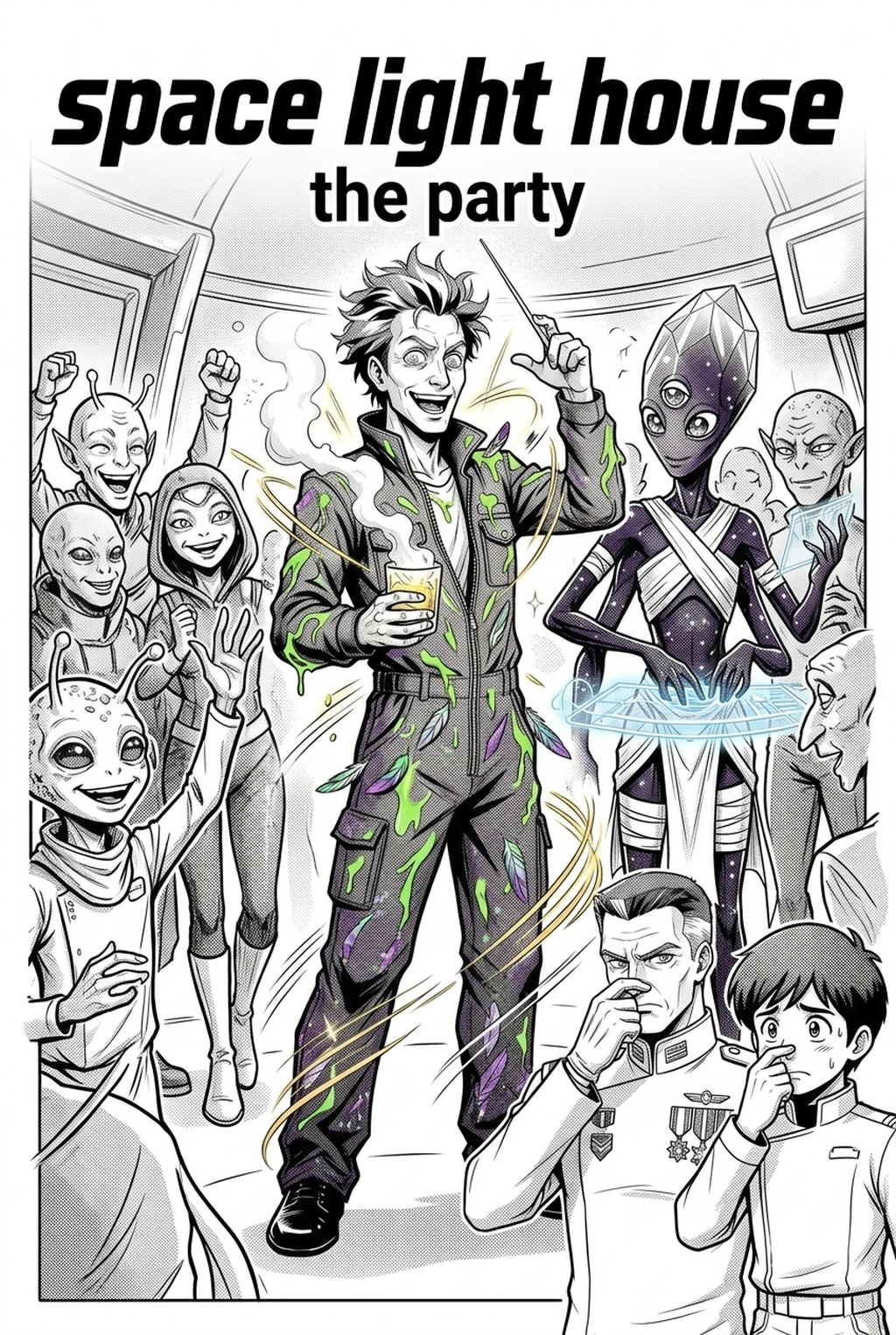
AI Manga Storyboard Builder: Understanding the Storyboard Structure
A storyboard acts as a low-fidelity draft used to plan panel placement, dialogue balloon size, and character positioning before you ever touch a digital pen for final line work. It focuses on 'koma' flow—guiding the reader’s eye naturally from the top-right corner to the bottom-left through deliberate spatial choices.
Effective planning maps out the 'eye-trace'—the invisible path the reader’s eye follows across the page—ensuring that key dialogue or action beats are never skipped. When you fail to account for these paths, you risk forcing the reader to backtrack, which breaks the immersion of your narrative.
This phase serves as the 'source context' for your final production process, such as inking and color stages. By nailing your panel layout here, you prevent the expensive mistake of having to redraw complex character poses because the panels were too small or poorly aligned to accommodate your intended art style.
Why Panel Pacing Matters for Manga Creators
Effective storyboarding controls the pacing of action, using large, 'bleed' panels for emotional impact and small, rapid-fire panels for acceleration. Mastering this flow is what separates a professional, readable chapter from one that feels confused or static to the audience.
In Shonen battle sequences, the effectiveness of a climactic strike depends on dynamic panel breaks that force the reader's eye to accelerate. If you provide a static, uniform grid for an intense fight, you effectively kill the speed of the action, as the reader's eyes will linger too long on secondary background elements rather than the focal strike.
Consistent layout structures are mandatory to prevent 'cognitive clutter,' which is a common failure mode in self-published manga pages where characters are squeezed into insufficient space. A clean, breathable layout ensures that each character’s expression remains legible on mobile screens or smaller print formats.
Check character consistency, panel readability, line quality, and export readiness before publishing. Creators should also record why the page passed review, which panel details still need manual cleanup, and which export format the next collaborator will use. That makes the subsection useful instead of leaving a short checklist under a large heading.
How Mangaka Optimizes Your Layout
Mangaka provides an AI storyboard builder that automatically arranges panels based on your narrative input, effectively acting as a 'review owner' for your page structure. Instead of manually struggling with panel geometry, you can trust the tool to suggest optimal panel distribution that respects traditional Japanese reading standards.
You significantly minimize time spent on layout iteration by using the tool to test different camera angles early. This allows you to focus your creative energy on script nuances and character design rather than fighting with the software’s ruler tools to align borders perfectly.
The system functions by mapping your script inputs to a frame-grid that balances character density and white space. By using manga storyboard with Mangaka early in your process, you can iterate on page density to ensure that no single panel feels overwhelmed, keeping your storytelling focused and professional.
Critical Use Cases for Panel Layout
You must plan for specific delivery formats, such as vertical scrolls or traditional print spreads, during the planning phase to avoid tedious re-work. Failing to account for gutter space early often results in important character details being cut off during final print production or web upload.
- Unbalanced Density: Overloading a single panel with too many characters makes the scene difficult to parse on mobile devices, leading to rapid reader drop-off. * Gutter and Trim Issues: Ignoring standard gutter spacing during the drafting phase often causes artwork to collide with the page trim, forcing a total layout redesign. * Format Mismatch: A layout designed for a wide print spread will fail to land its impact in a vertical scroll format, where the reader experiences one panel at a time rather than the full page impact.
Getting Started with Professional Layouts
Maintaining a 'visual library' of character poses and expressions allows you to map your characters onto the storyboard early, ensuring visual continuity throughout the entire chapter. Always test your initial ideas with a 'blank-state' generator before committing to a final, inked composition.
Consistency is the hardest part of manga production. Use your storyboard to check that a character’s proportions remain accurate across different camera angles and panel sizes. This prevents the common issue of 'scale drift,' where a character seems to grow or shrink depending on the frame.
Review every storyboard for 'eye-trace' to ensure key dialogue is never skipped or buried under complex background art. A simple rule is to confirm that the eye naturally lands on the speech bubble before the character's reaction, maintaining the logical flow of the conversation.
Creators should compare the generated line art with the original sketch and confirm that facial expressions, props, speed lines, and speech-bubble space still support the scene. A repeatable review pass should cover character consistency, panel readability, background clarity, and whether the final file is ready for coloring, lettering, or editor feedback. For longer projects, creators should save approved examples of line weight, face detail, clothing folds, and background density. Those references keep later chapters closer to the intended style.
The Bottom Line
Mastering your AI AI Manga Storyboard Builder workflow Builder workflow is the single most effective way to elevate the professionalism of your work, ensuring that your narrative flow is never hindered by technical layout errors. By utilizing AI tools to automate the technical structure, you gain more time to refine character depth and plot complexity. Start building your next chapter layout today at manga storyboard to see how automated panel generation changes your production workflow.
Related articles
Create a Professional Manga Storyboard in 2026 with AI
Mastering Manga Background Art: A Guide for 2026
Mastering Manga Storyboard Techniques: A Modern Guide 2026