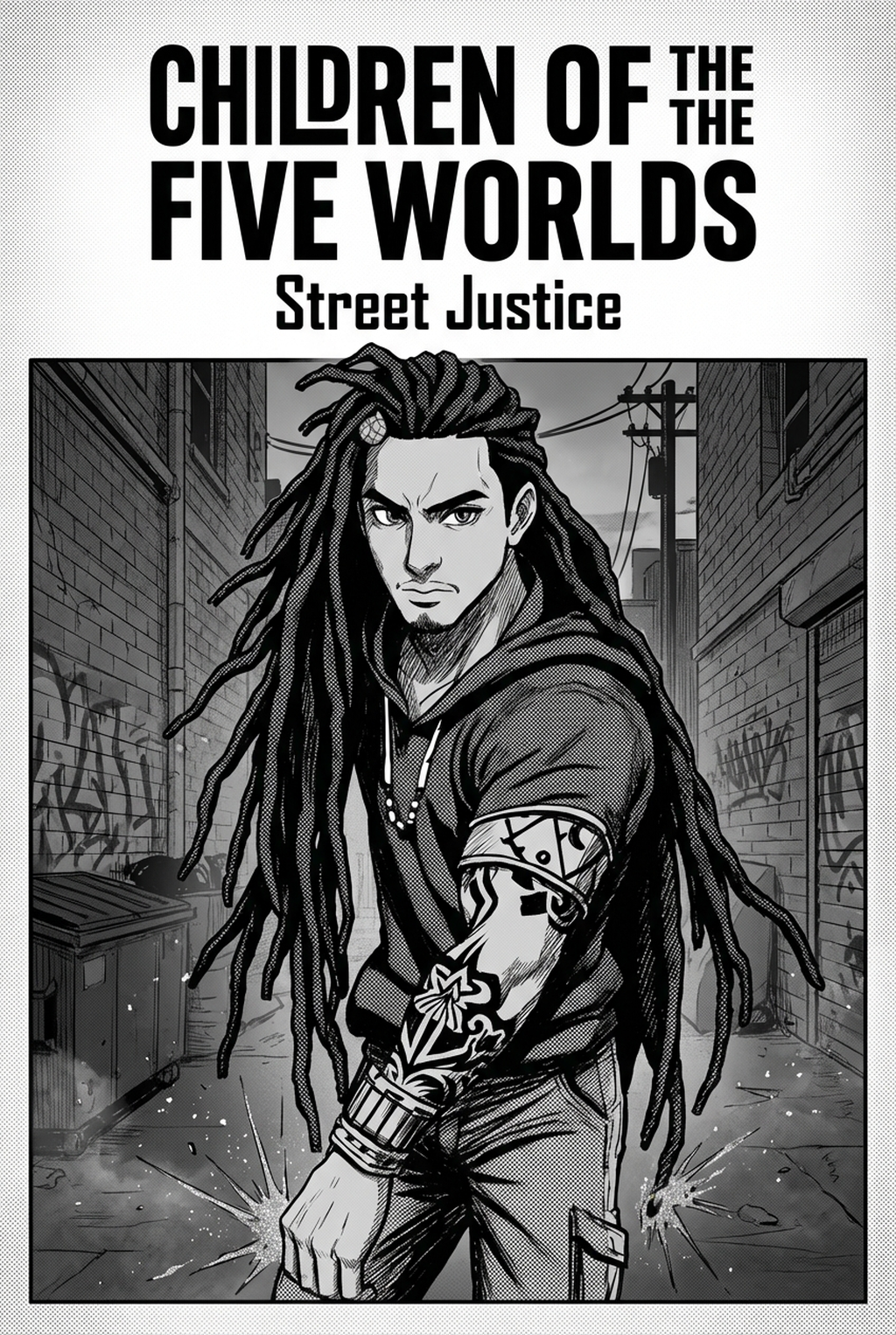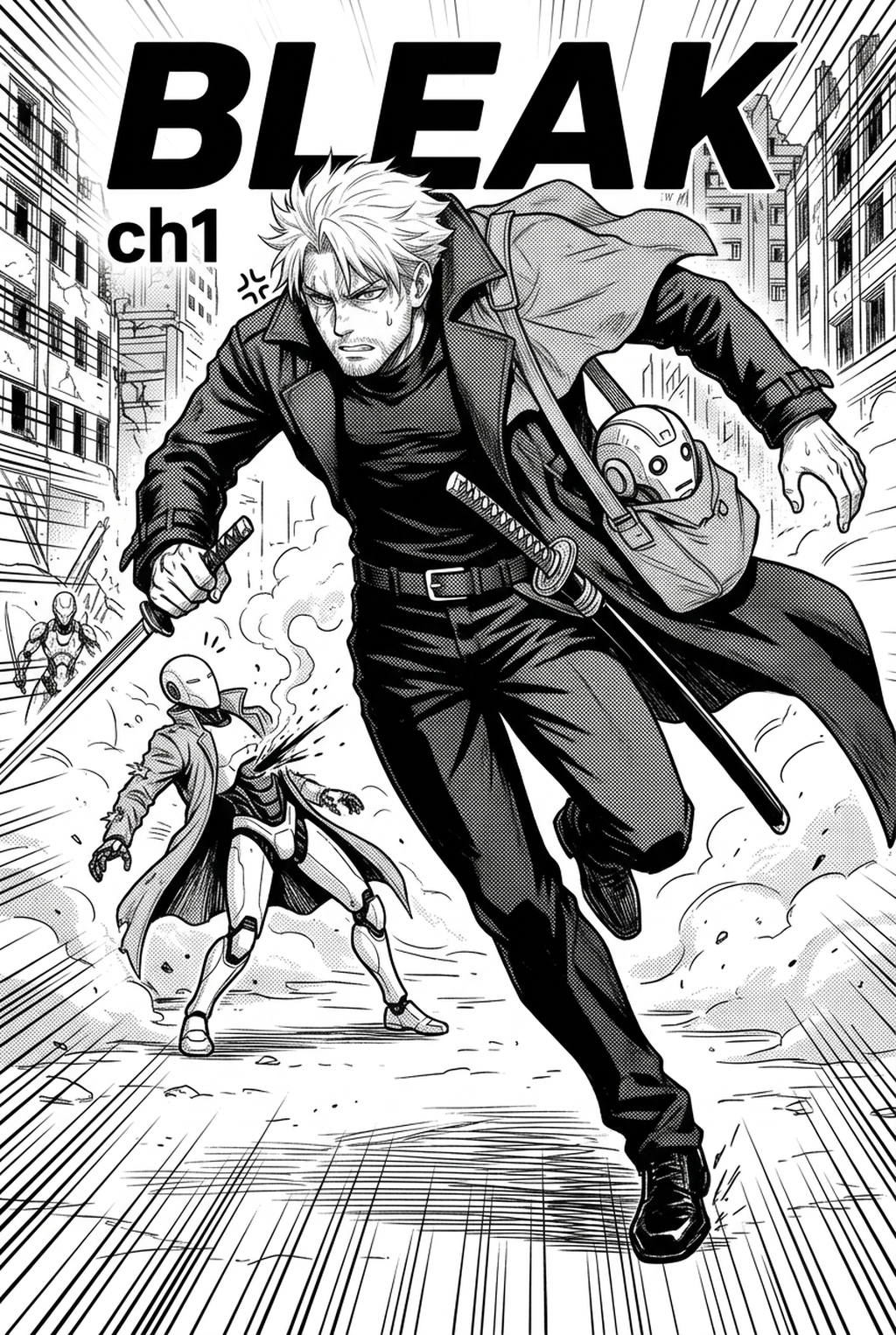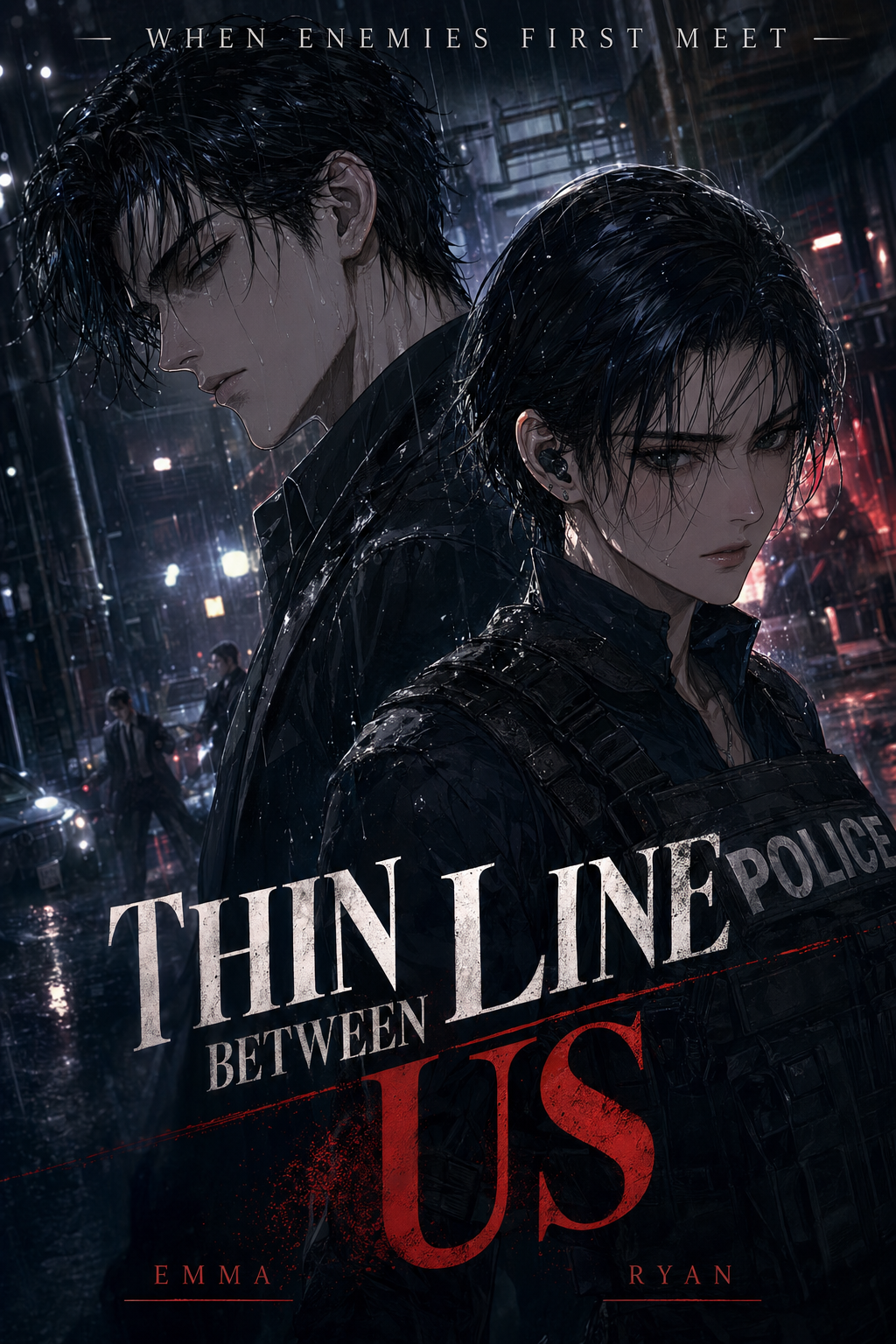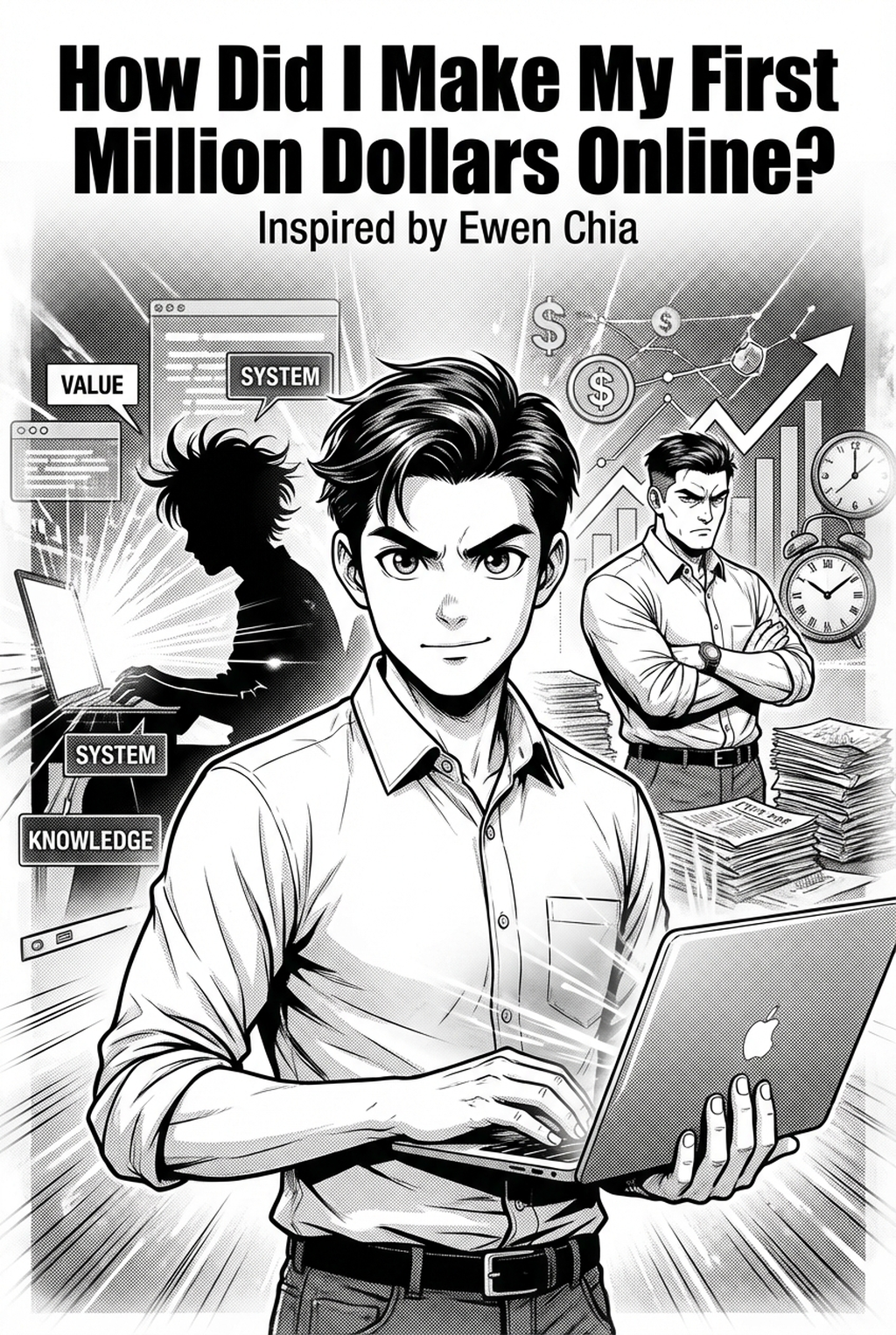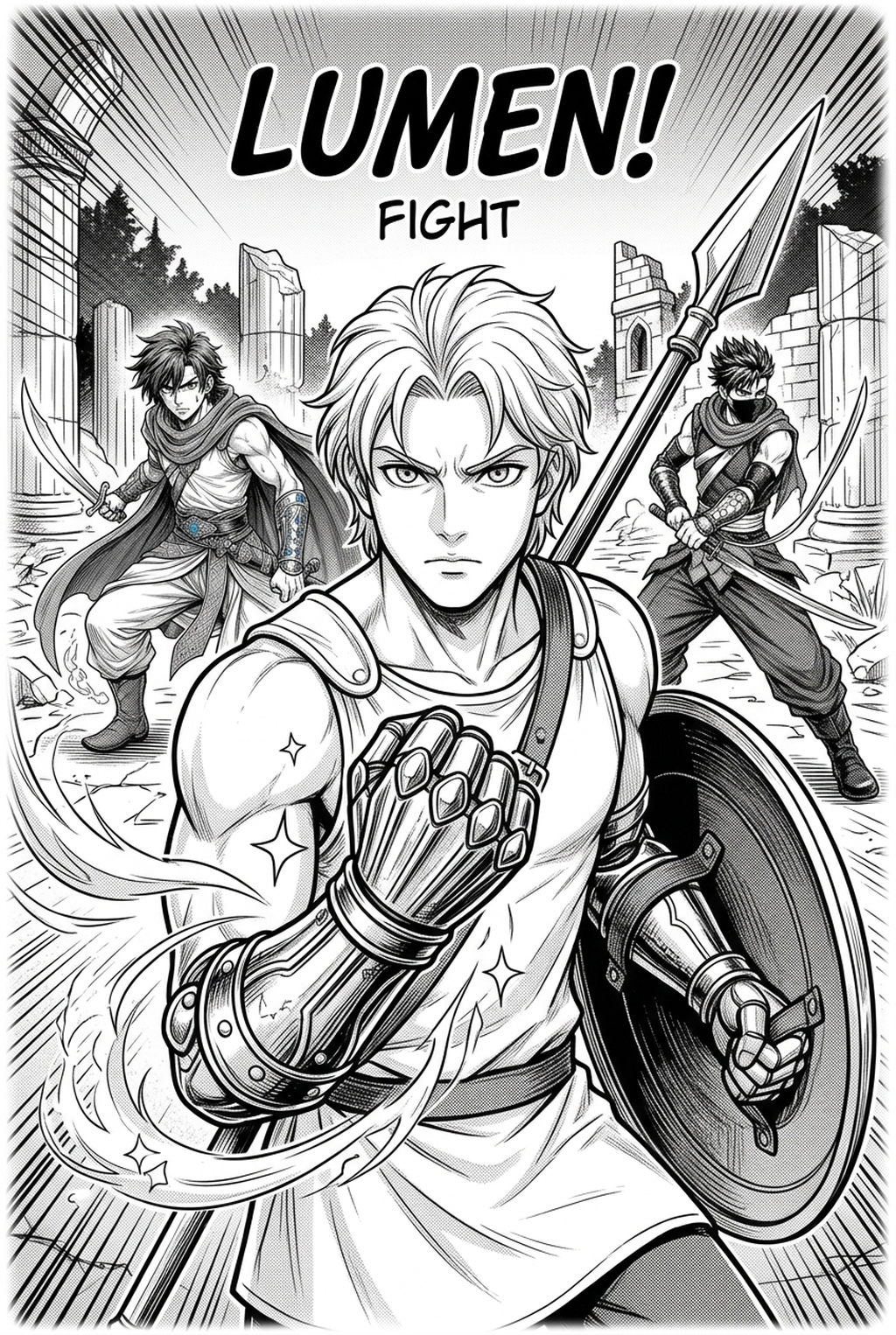
AI Manga Storyboard Builder: Visual Narrative Rhythms and Reader Flow
Effective storyboard planning relies on managing the reader's eye movement through deliberate panel hierarchy and gutter manipulation. If you fail to space your action panels correctly, the kinetic intensity of a scene will collapse, leading to a static, confusing sequence that lacks the impact required for professional publication.
Successful storyboards establish "visual rhythm" by alternating between high-intensity action panels and low-detail "breather" panels. You should use large, full-bleed panels for major reveals or heavy combat to maximize impact, while smaller, uniform frames handle dialogue-heavy segments where emotional weight takes precedence over movement.
Check character consistency, panel readability, line quality, and export readiness before publishing. Creators should also record why the page passed review, which panel details still need manual cleanup, and which export format the next collaborator will use. That makes the subsection useful instead of leaving a short checklist under a large heading.
The final panel on every left-hand page acts as a critical anchor point for narrative retention. You must design this panel as a "hook" that forces the reader to flip to the next page to resolve a question, reveal a secret, or unveil a new threat. Ignoring this placement often leads to a drop in engagement at the most expensive point of the reader's experience.
Why Technical Foundation Defines Professionalism
A storyboard functions as the invisible skeleton of your manga, ensuring that emotional beats land without requiring pages of dense dialogue. When you establish a clear visual hierarchy, you minimize the risk of layout confusion, preventing the common failure of "line-weight drift" where a character's scale or proportions appear to shift between neighboring panels.
In action-oriented genres, you must apply dynamic weight by sizing panels according to the kinetic intensity of the scene. A heavy, diagonal-cut panel forces the reader’s eye to traverse the page faster, simulating the speed of a high-stakes combat sequence. If you keep all panels equal in size, the "weight" remains neutral, rendering even the most violent clashes dull and lethargic.
In Seinen storytelling, you should prioritize the use of negative space to heighten emotional tension through character stillness. By leaving deliberate, wide gutters or empty background space in a character-focused panel, you force the reader to pause and process the internal conflict of the protagonist. This technical discipline is superior to over-crowding, which inevitably creates a cluttered, visually exhausting experience for the reader.
Optimizing Layouts with Artificial Intelligence
AI-assisted construction allows you to automate the mechanical aspects of panel arrangement, ensuring that your layout is technically sound before you invest time in expensive inking or final rendering. By using manga storyboard techniques with Mangaka to structure your page flow, you eliminate the tedious logistics of pixel-perfect alignment, allowing you to focus your energy on the emotional nuance of the character’s performance.
AI tools provide the unique ability to test multiple visual layouts for a single script, letting you see how different arrangements change the speed of your story. You can compare a traditional grid against a more cinematic, overlapping layout to determine which version maximizes the narrative punch of a specific climax. This process ensures that complex multi-panel spreads are balanced before you commit to the final art phase.
Over-crowding panels with too much detail in the initial sketch phase often causes a "muddy" final page. AI tools enforce structural guidelines that keep your compositions clean and readable, ensuring that your dialogue bubbles do not compete with the line art. When you build with a structured framework first, you preserve the readability of your character designs and make the subsequent inking phase significantly more efficient.
Application of Structural Best Practices
Failure to properly account for the "gutter impact" is a common reason for sluggish pacing, as the gaps between frames must dictate the passage of time. Narrow gutters should be used to denote rapid-fire action where time is moving quickly, whereas wider, more expansive gutters should imply a temporal break or an emotional pause.
- Panel Hierarchies: Use oversized primary frames to denote crucial narrative beats or intense character reveals. * Gutter Modulation: Adjust the space between panels to control the reader's temporal pacing, widening them for dramatic pauses. * Cinematic Blocking: Keep your character eye lines and spatial orientations consistent across cuts to avoid jarring perspective shifts. * Hierarchy Alignment: Ensure the reader's path is intuitive by following standard Z-pattern" or N-pattern" layouts unless a specific artistic choice demands otherwise.
Starting Your First Structured Project
Integrating digital tools requires an understanding of how to translate your creative intent into consistent layouts. Beginners often worry about losing their "artist's touch," but AI primarily serves as a drafting aid for structural templates, leaving all aesthetic choices, such as line-art style and character design, entirely to your control.
Creators should compare the generated line art with the original sketch and confirm that facial expressions, props, speed lines, and speech-bubble space still support the scene. A repeatable review pass should cover character consistency, panel readability, background clarity, and whether the final file is ready for coloring, lettering, or editor feedback. For longer projects, creators should save approved examples of line weight, face detail, clothing folds, and background density. Those references keep later chapters closer to the intended style.
The Bottom Line
Mastering AI Manga Storyboard Builder workflow is the bridge between a collection of disjointed drawings and a cohesive, compelling reading experience. By streamlining your layout flow and utilizing manga storyboard techniques to handle the logistical weight of panel construction, you free yourself to focus on the artistic vision that truly defines your work.
Related articles
Mastering 4-Koma Strip Creation: A 2026 Artist Guide
Streamline Your Manga Storyboard Workflow with AI | 2026
Manga Storyboard Techniques: Mastering Pacing for 2026