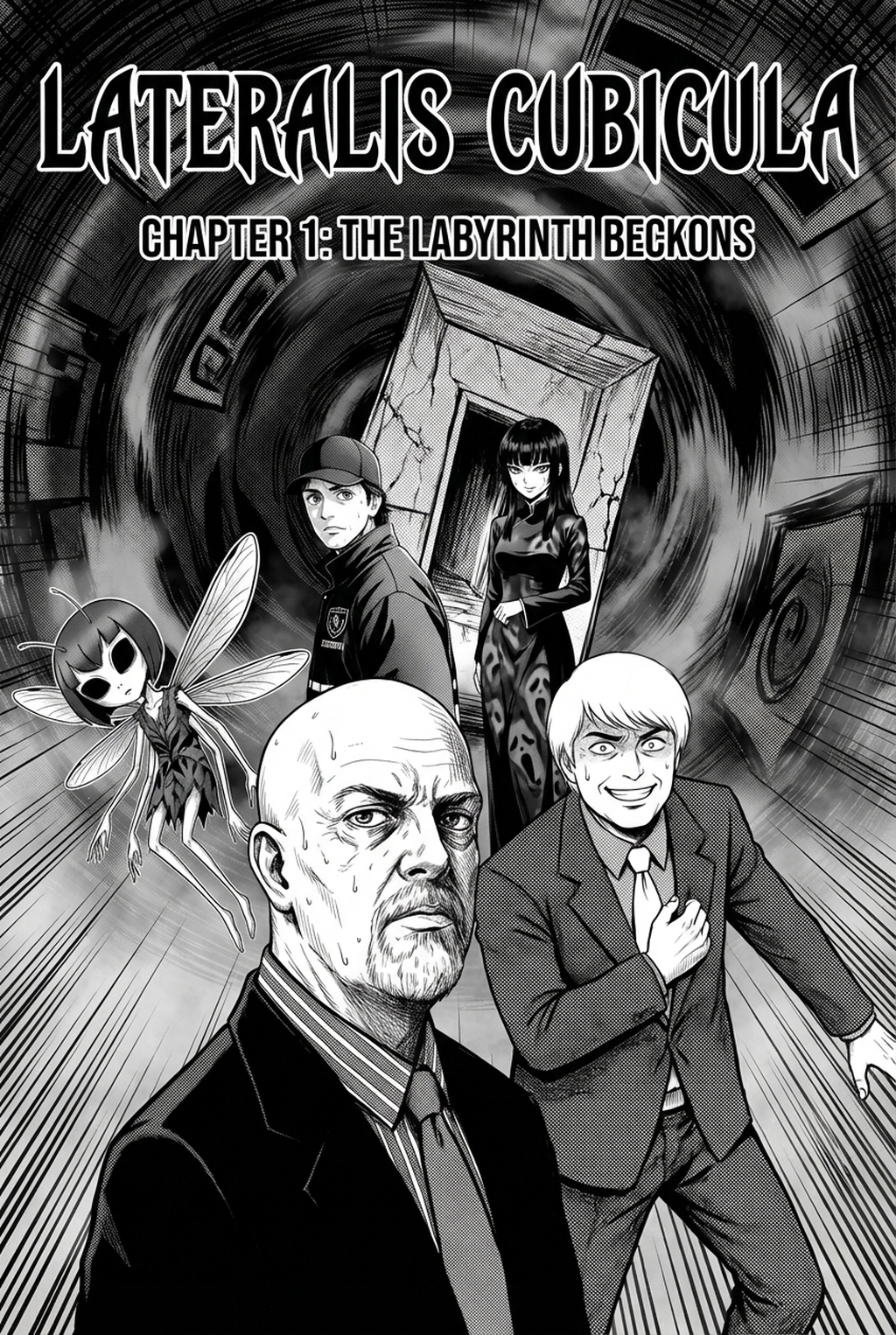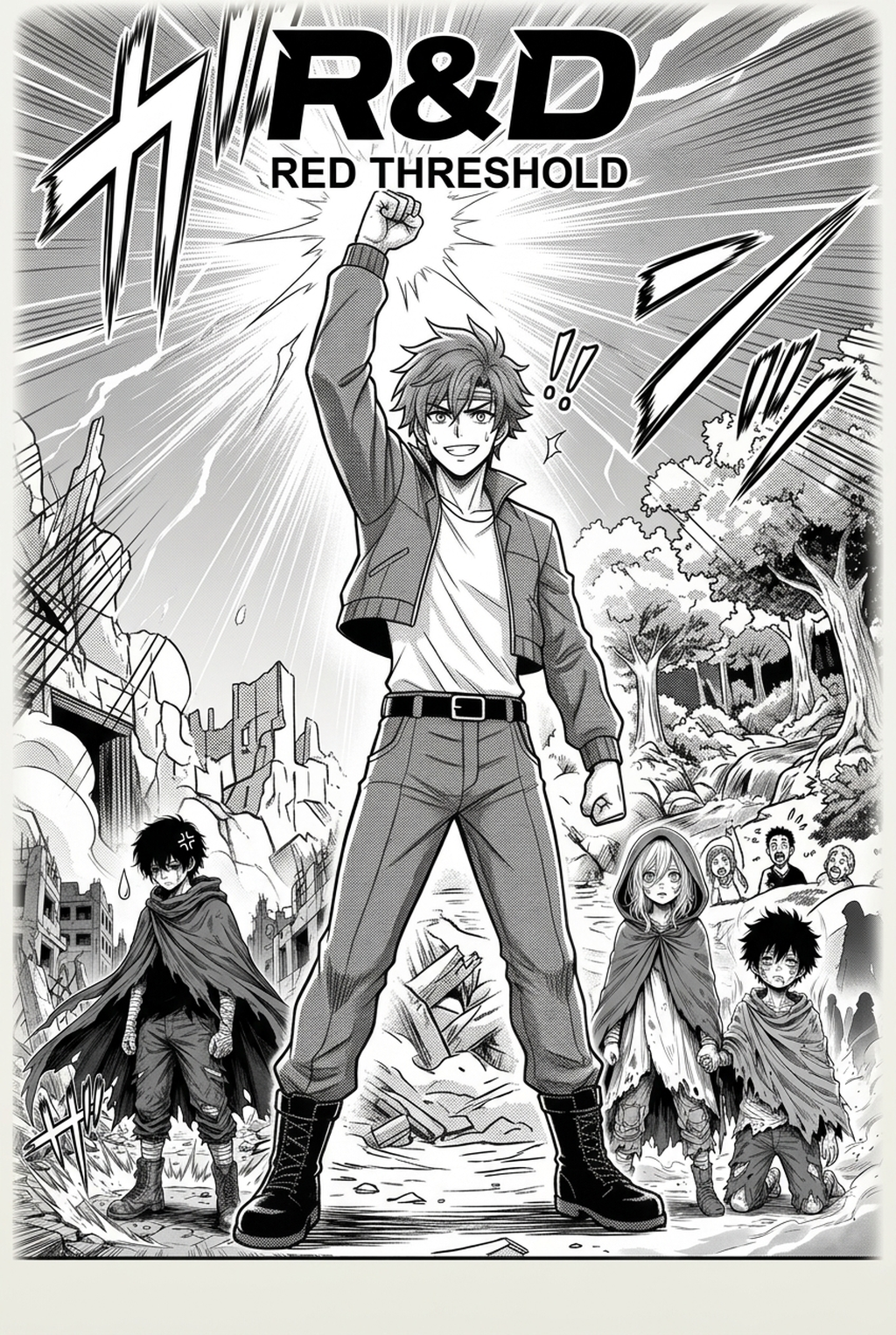
What Is Manga Storyboard?
A storyboard represents the initial visual sequence of your pages, prioritizing panel geometry and dialogue flow over detailed character rendering or shading. It acts as a primary narrative compass, forcing you to verify that the emotional impact of a scene remains clear through the final inking and tone stages before you invest hours in polish.
The core purpose of this phase is to map the Z-pattern of reading, ensuring that high-intensity action panels receive the visual weight they deserve within the page composition. By focusing on the structural arrangement, you identify "dangling dialogue" or confusing spatial relations between characters early, which protects the integrity of your visual hierarchy.
Why AI Manga Storyboard Builder Matters for Manga Creators
Proper panel sequencing acts as your primary pacing tool, dictating the precise speed at which a reader consumes a sequence of events. When creators skip this structural phase, they often encounter "spatial blindness" in a single action block, where the distance between a protagonist and an antagonist becomes impossible for the reader to track across flips of the page.
Organized planning allows for proactive negative space allocation, preventing the common "clutter-trap" that overwhelms the reader's eye in complex battle sequences. If your panels are not anchored by a clear flow, you risk losing the reader's interest before they reach the climactic final panel of a spread.
- Pacing Control: Thinner gutters accelerate the narrative, creating a sense of rapid, kinetic motion during fight scenes. * Dialogue Clarity: Proper spatial mapping ensures speech bubbles do not obscure critical character expressions or line art details. * Visual Equilibrium: Balancing heavy black-ink areas against white-space gutters prevents the reader from feeling fatigued during long chapters.
How Manga Storyboard Works with Mangaka
Mangaka leverages advanced AI to calculate optimal panel distribution based on your scene inputs, removing the tedious manual geometry work that often causes artists to abandon a draft. By auto-arranging panels to serve your specific narrative rhythm, the tool ensures you maintain a professional shonen-style impact even if you lack years of drafting experience.
The process converts raw story ideas into a rigid visual foundation, effectively liberating you to focus on the "artistic soul" of your characters rather than struggling with grid measurements. You can AI AI Manga Storyboard Builder workflow Builder workflow with Mangaka with a focus on narrative intent, allowing the system to handle the technical constraints of gutter alignment and margin stability while you refine the emotional stakes.
- Automated Distribution: The engine analyzes your scene description to determine whether a wide-shot or close-up best suits the emotional beat, preventing repetitive panel shapes. * Character Anchor Preservation: By defining character positions in the draft phase, the system maintains consistent proportions and orientation across multiple camera angles. * Structural Efficiency: You save hours of drafting time that would otherwise be spent on trial-and-error alignment, moving directly into detailed inking and tone work.
Use Cases for AI Manga Storyboard Builder
Strategic usage of the Gutter Strategy" transforms your page from a flat display into a dynamic, rhythmic experience for the audience. Creators who master the transition between wide, dramatic gutters for silent, reflective panels and narrow, bleeding-edge gutters for high-speed impacts always maintain a stronger grasp on the reader's attention.
Focusing on Character Anchoring" within your storyboard allows you to define a character's placement early, which is essential for maintaining consistency across complex multi-panel sequences. When you define the focal point of each panel, you build a clear path that guides the reader through complex action, ensuring they never miss a critical hit or reaction shot.
How to Get Started with Mangaka
A storyboard fundamentally differs from a rough sketch in its primary objective: the storyboard focuses on pacing and spatial flow, while sketches focus on character anatomy and rendering details. If you are starting a new vertical comic platforms or traditional print chapter, you should finalize your panel sequence to ensure the vertical or page-turn reading experience remains coherent.
The AI handles the rigorous structural constraints that previously required an expert eye to balance, yet you retain full creative control over the scene content. This hybrid approach is particularly necessary for short-form vertical comic platforms, where consistent panel spacing is the only thing keeping the reader engaged during the vertical scroll.
- Scene Input: Feed your narrative beats into the interface to establish the emotional core of each panel. * Layout Review: Examine the auto-arranged panels to see if they align with your intended reading speed. * Refinement: Use your artistic judgment to nudge panel sizes or swap positions while the software maintains the underlying grid integrity.
Creators should compare the generated line art with the original sketch and confirm that facial expressions, props, speed lines, and speech-bubble space still support the scene. A repeatable review pass should cover character consistency, panel readability, background clarity, and whether the final file is ready for coloring, lettering, or editor feedback. For longer projects, creators should save approved examples of line weight, face detail, clothing folds, and background density. Those references keep later chapters closer to the intended style.
The Bottom Line
For creators aiming for professional-grade pacing and clarity, adopting a tool-assisted storyboard workflow is no longer an optional perk but a standard for efficient, high-quality output. Modern builders handle the technical structural arrangements that previously required years of drafting expertise, allowing you to focus on the art that matters. You can start building your own sequence of high-impact layouts at Mangaka's storyboard builder and see how it streamlines your production phase today.
Related articles
Manga Storyboard Guide: How to Plan Your Pacing Like a Pro
How to Create a Shounen Manga Storyboard for Action Scenes
Manga Storyboard: The Essential Guide for Faster Drafting