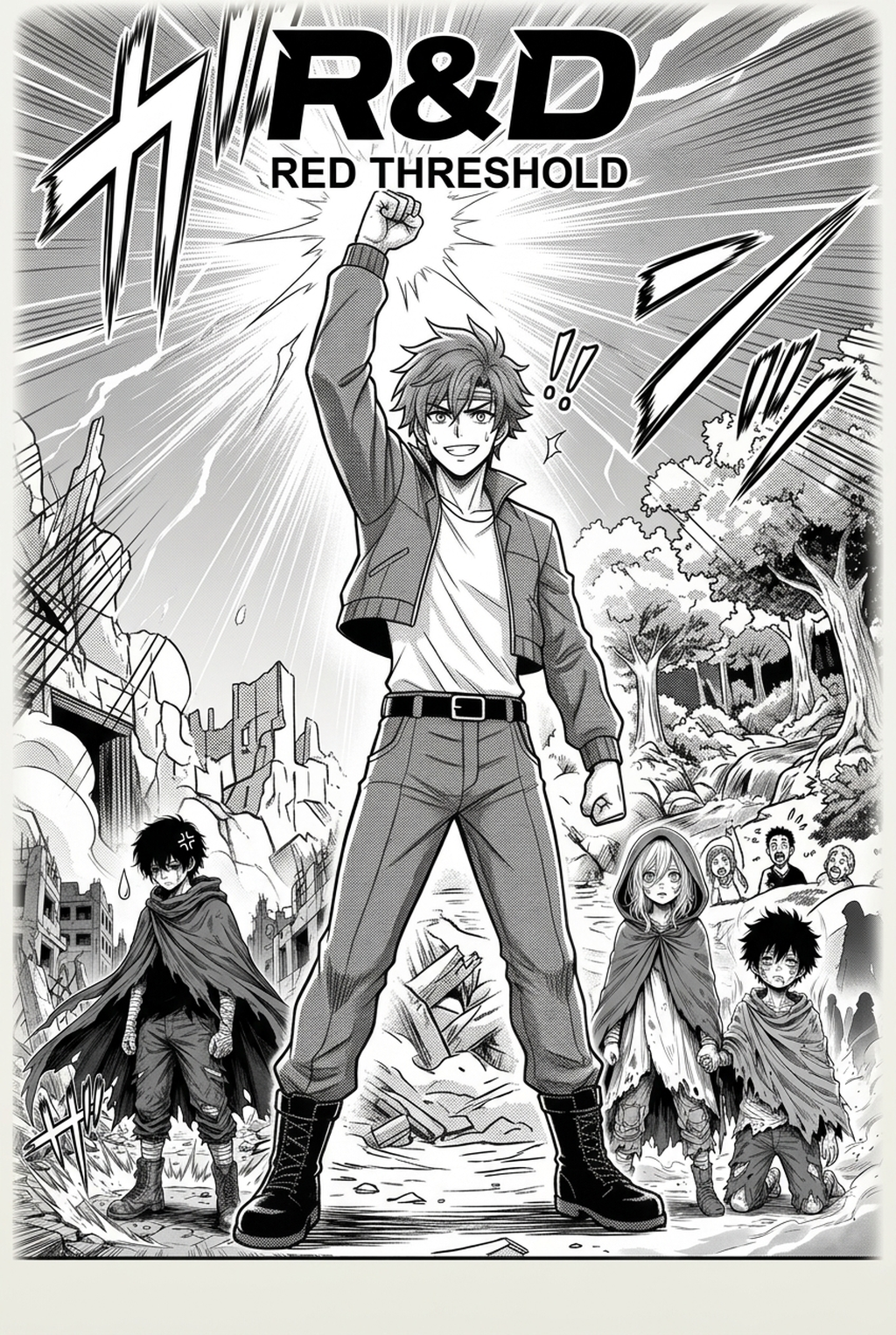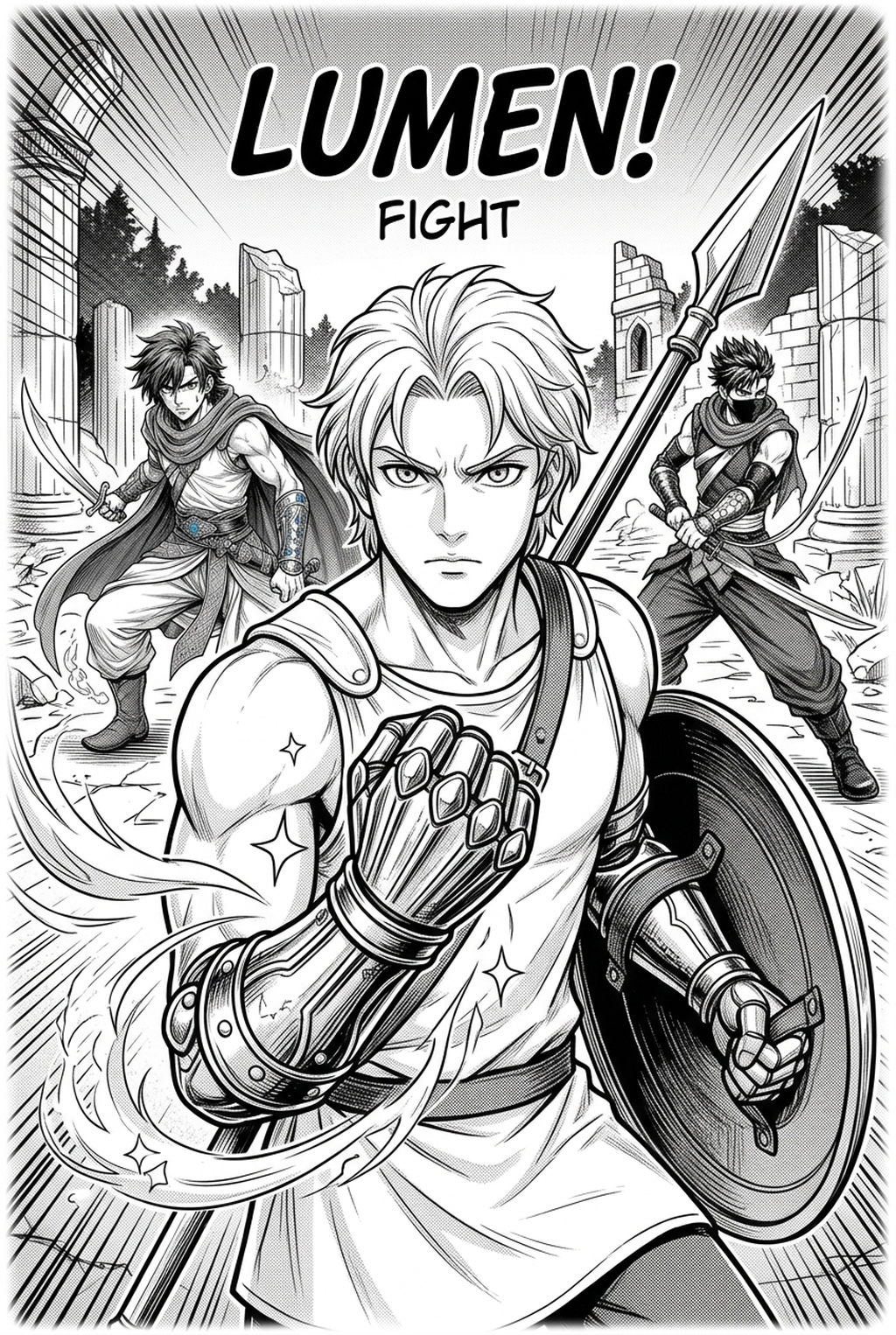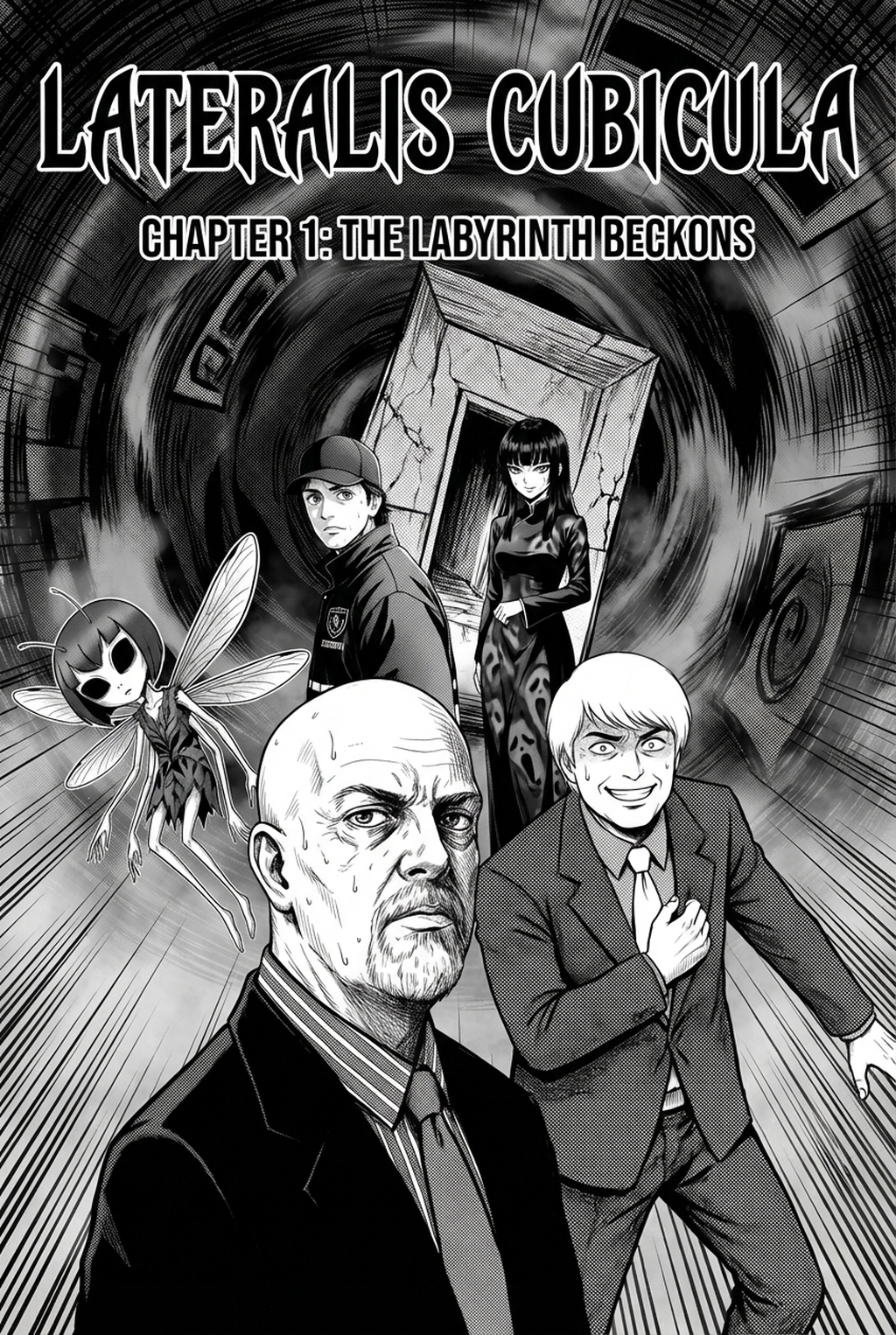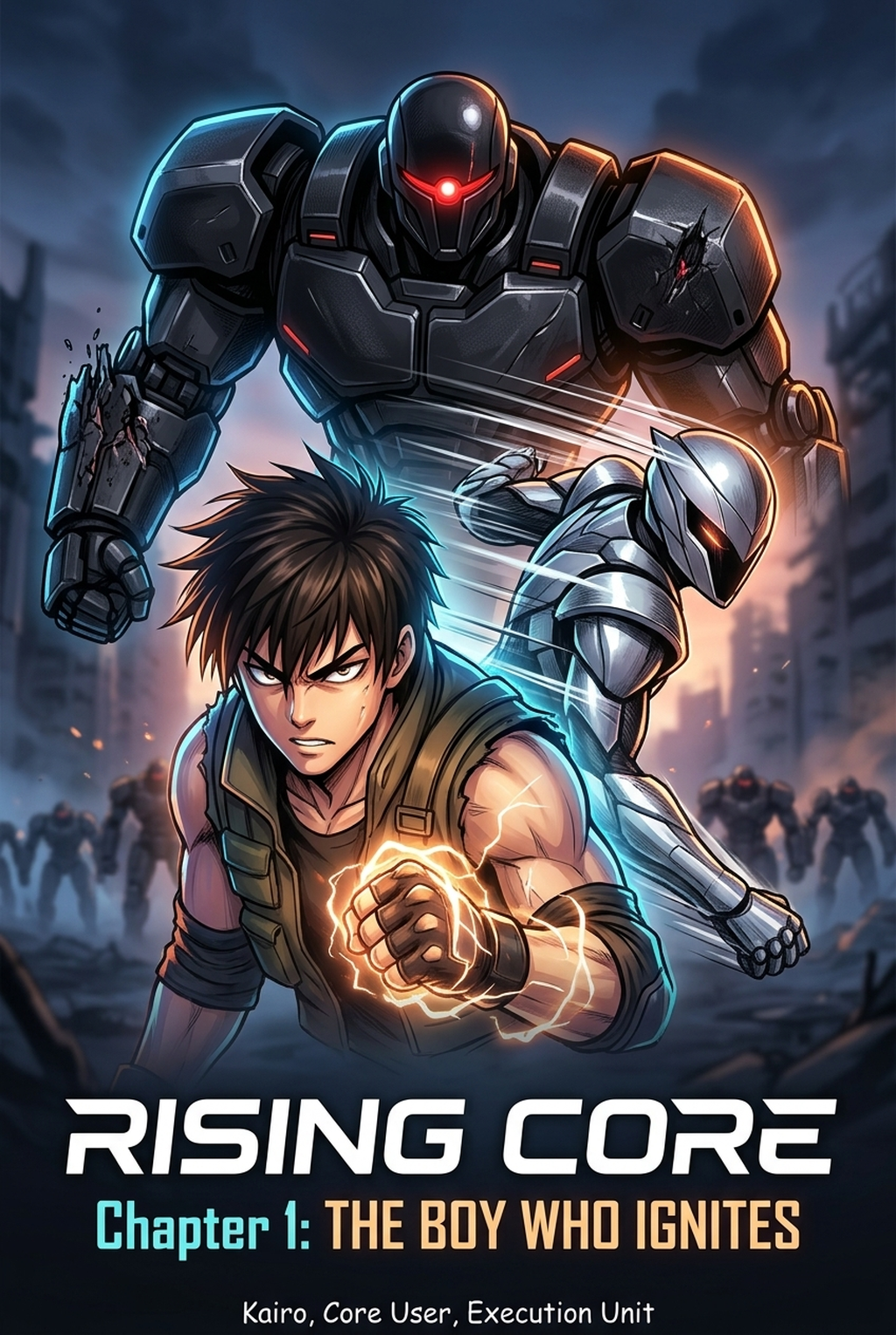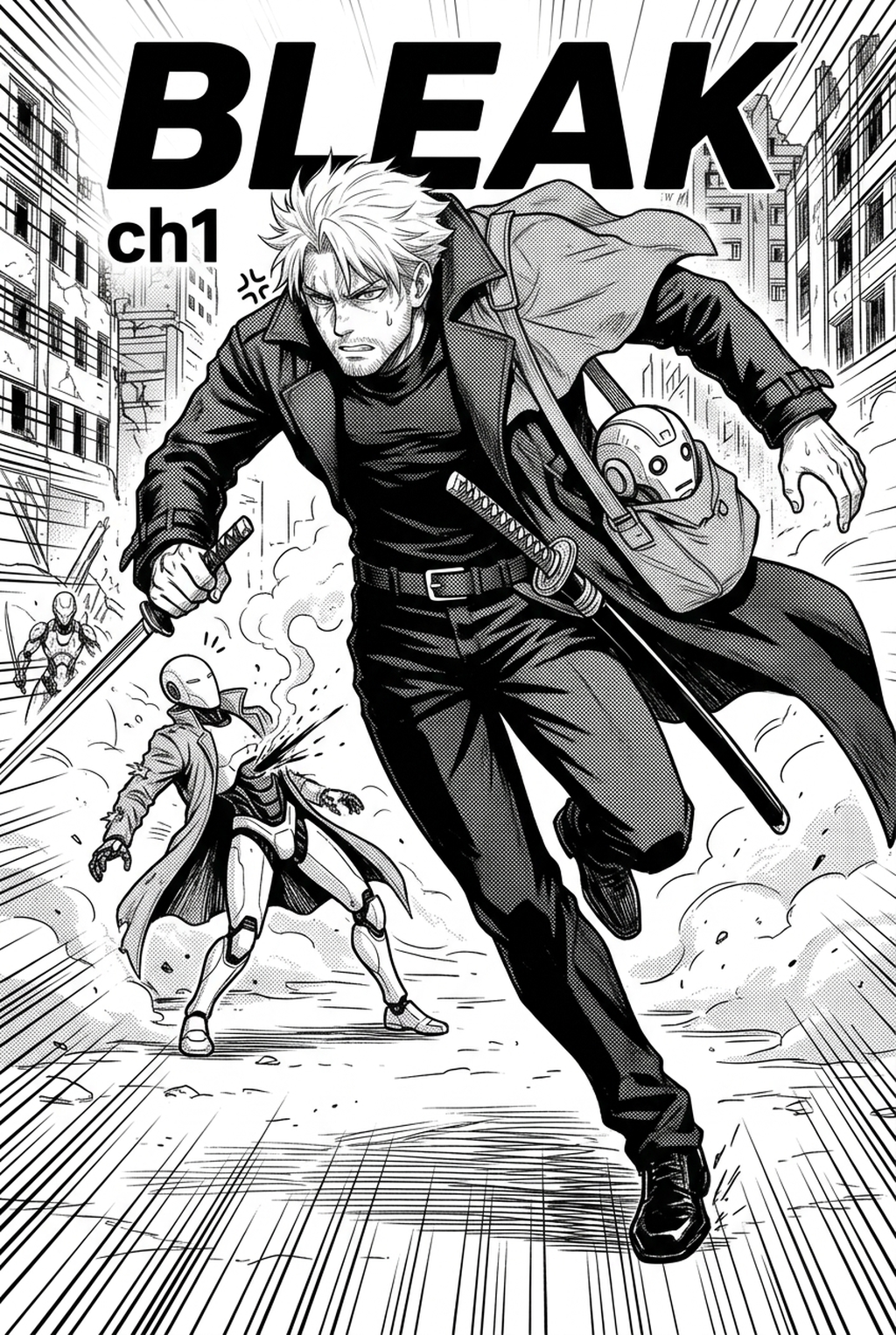
What Is a Manga Storyboard?
A storyboard acts as a structural map where camera angles, character placement, and dialogue timing are finalized before any high-fidelity drawing begins. It prioritizes the logic of the reader's eye-path, ensuring that the transition between frames feels natural and intuitive.
- Panel Variance: Professional layouts shift between large, cinematic wide shots for atmospheric impact and tight, jagged close-ups to heighten the urgency of a character’s reaction. * Dialogue Pacing: Speech bubbles are positioned to guide the eye across the gutter and into the next frame, maintaining the momentum of the scene. * Sound Effect Placement: Large, rhythmic sound effects are integrated as visual anchors that break the monotony of standard rectangular panels.
Why AI Manga Storyboard Builder Matters for Manga Creators
Effective planning serves as the primary defense against 'empty page syndrome' and the logistical frustration of redesigning a sequence once the ink is dry. By defining the composition early, you eliminate the risk of late-stage structural failure where panels appear too crowded or the action becomes unintelligible.
- Action Continuity: In high-speed combat sequences common in Shonen manga, clear action-line continuity is mandatory. If your character’s trajectory across a sequence of three panels doesn't align with the physics of the movement, the reader loses their sense of immersion. * Dialogue Weight: In character-driven Seinen works, the storyboard allows you to test whether a heavy block of dialogue overwhelms a delicate facial expression. If the text-to-art ratio is off during the draft, it is far easier to adjust the panel geometry than to redraw an intricately shaded background.
How Manga Storyboard Works with Mangaka
AI tools replace the tedious, manual drafting of geometric panel layouts by translating your script beats into logical, industry-standard visual arrangements. By leveraging AI AI Manga Storyboard Builder workflow Builder workflow with Mangaka to generate your initial structure, you ensure that the white space is distributed optimally for both digital and print formats. Transitioning from Draft to Final Art.
- Layout Iteration: Instead of spending hours calculating the math of a diagonal panel break, you can test multiple configurations instantly to see which creates the most impact. * Creative Focus: When the tool automates the construction of panels and standard character placement, you shift your energy from drafting technical guides to perfecting the emotional depth of the line art. This shift ensures the final inked page looks intentional rather than rushed, avoiding the common pitfall of jagged, uneven gutters.
Use Cases for AI Manga Storyboard Builder
Strategic sequencing of your panels allows you to manipulate the reader’s internal heartbeat, alternating between pauses and high-speed delivery. A well-constructed layout uses the gutter space not just as a gap, but as a silent beat in time, essential for professional-grade pacing.
- Z-Pattern Flow: The standard Japanese reading flow demands that the eye moves naturally from the top-right to the bottom-left corner of the page. Failure to adhere to this, especially on two-page spreads, results in reader confusion. * Shot Variety: Professional manga never stay on a single focal distance for too long. A page should typically cycle through a wide establishing shot, a medium character interaction, and a tight close-up to maintain engagement. * Mobile Digital Optimization: For vertical-scroll formats, the storyboard must account for how panels break on a small screen. Creating panels that are too wide can lead to the 'pinched zoom' effect, which destroys the flow of your narrative.
How to Get Started with Mangaka
You can begin by inputting your story beats into the interface, which automatically constructs a layout that respects standard manga production logic. This process bridges the gap between your initial rough concept and the high-fidelity final art by providing a professional, ready-to-ink grid.
- Input Script Data: Define your scene beats and character focus to receive a generated page map. * Adjust Layout Geometry: Fine-tune the automatically generated panels to ensure they emphasize your story's emotional climaxes. * Export for Inking: Export your structured layout as a high-resolution file to serve as the definitive base layer for your final line art, tone, and text.
- Before Export. Creators should compare the generated line art with the original sketch and confirm that facial expressions, props, speed lines, and speech-bubble space still support the scene. A repeatable review pass should cover character consistency, panel readability, background clarity, and whether the final file is ready for coloring, lettering, or editor feedback.
- For Longer Projects. Creators should save approved examples of line weight, face detail, clothing folds, and background density. Those references keep later chapters closer to the intended style. For collaboration, creators should mark which panels are final and which panels still need redraws. Clear status labels prevent an assistant, editor, or colorist from polishing the wrong version.
- For Publishing. Creators should review the page at the actual reading size before export. Small screens expose crowded dialogue, weak silhouettes, and line details that looked fine while zoomed in. For style control, creators should keep a short reference board beside the draft and compare hair shapes, eye details, costume folds, and texture choices before approving the final page.
The Bottom Line
A professional creator workflow is the fundamental backbone of every successful chapter, separating chaotic amateur output from polished, industry-standard storytelling. Mastering this stage of the production process gives you total control over how your reader navigates your world, pacing their engagement through every panel break and gutter. By using manga storyboard , you reclaim the time needed to focus on your character designs and emotional narrative delivery.
Related articles
Manga Storyboard Guide: Master Narrative Pacing & Layout
Understanding 4-Koma Manga: The Essential Guide for 2026
Manga Storyboard Guide: Master Your Pacing and Composition