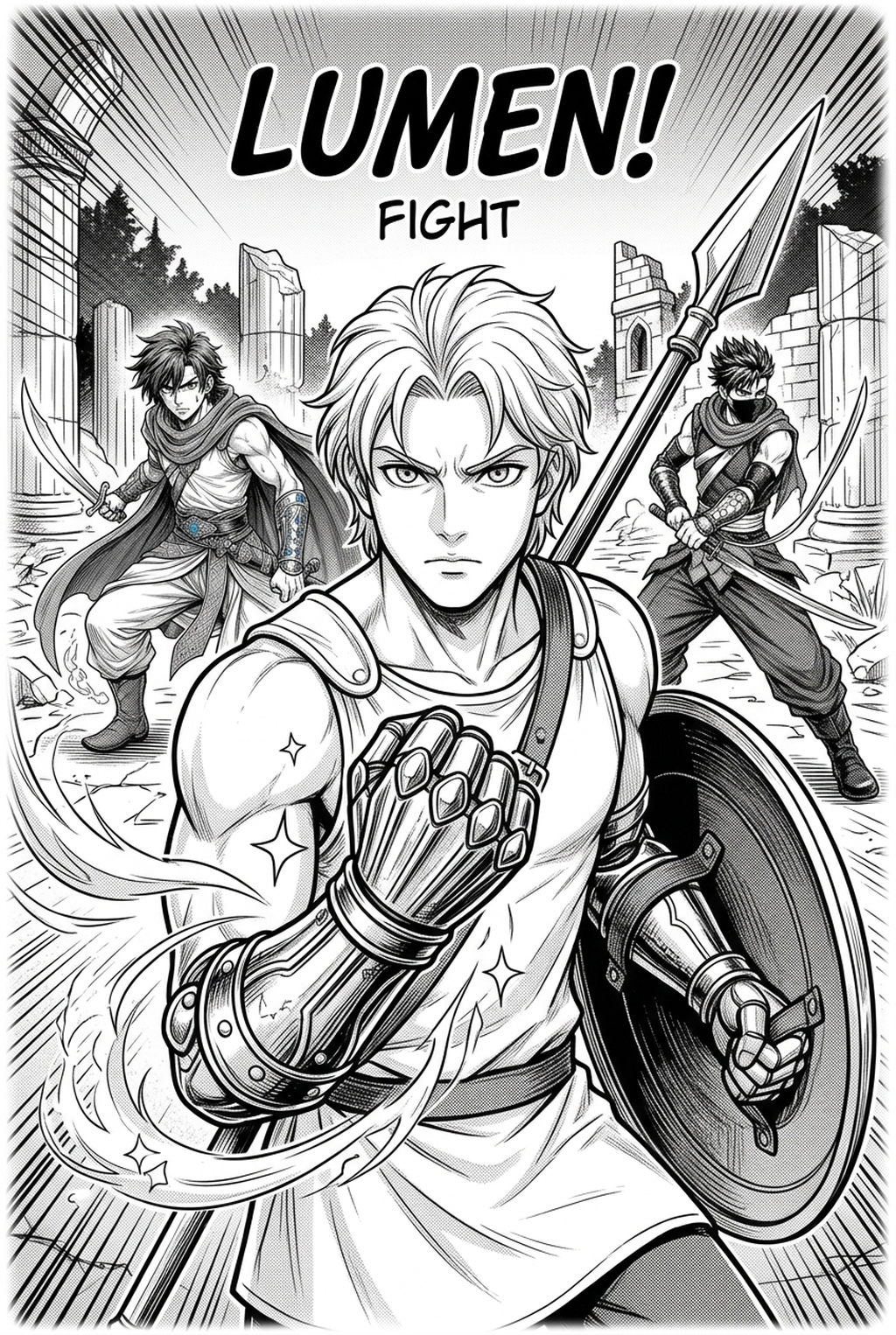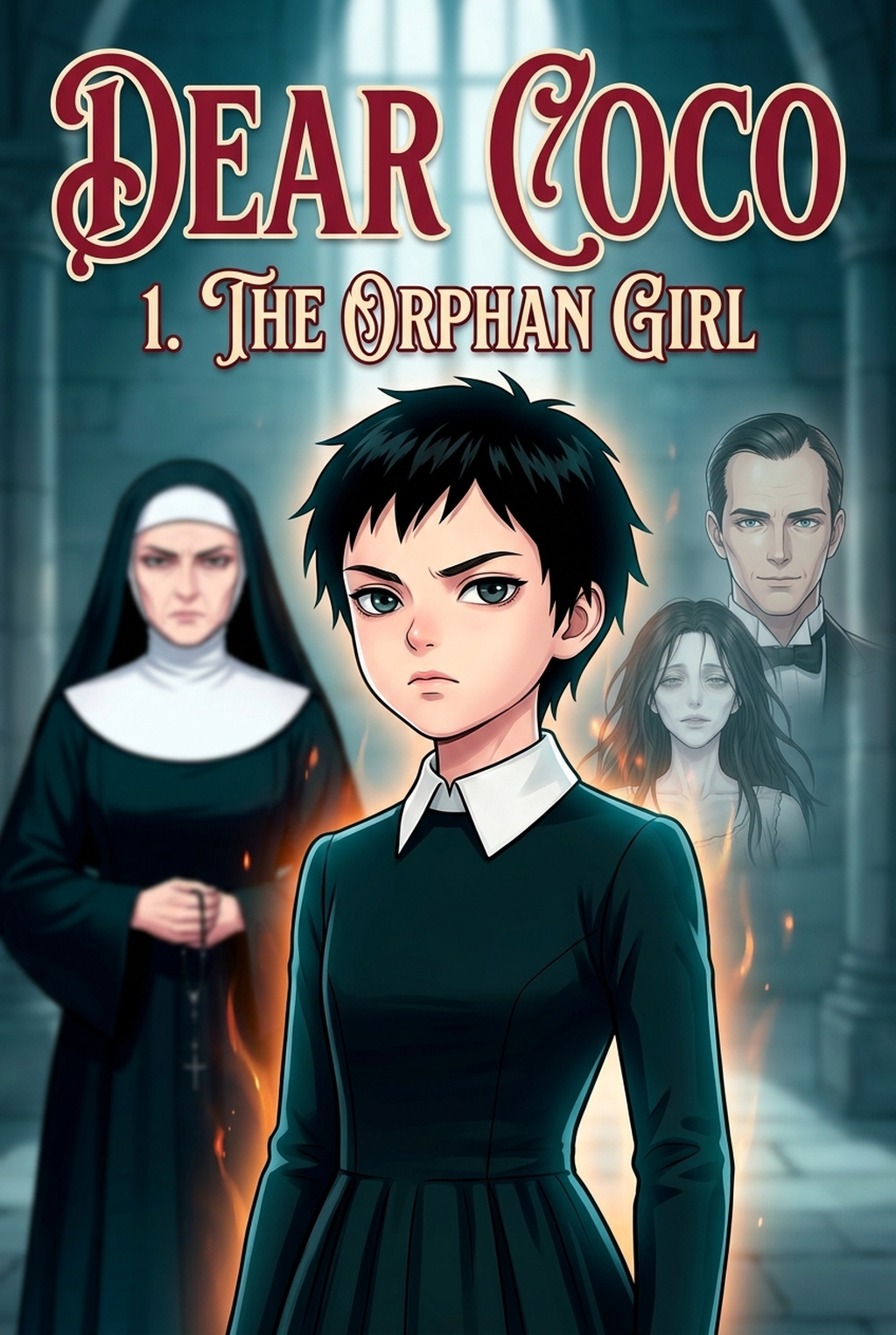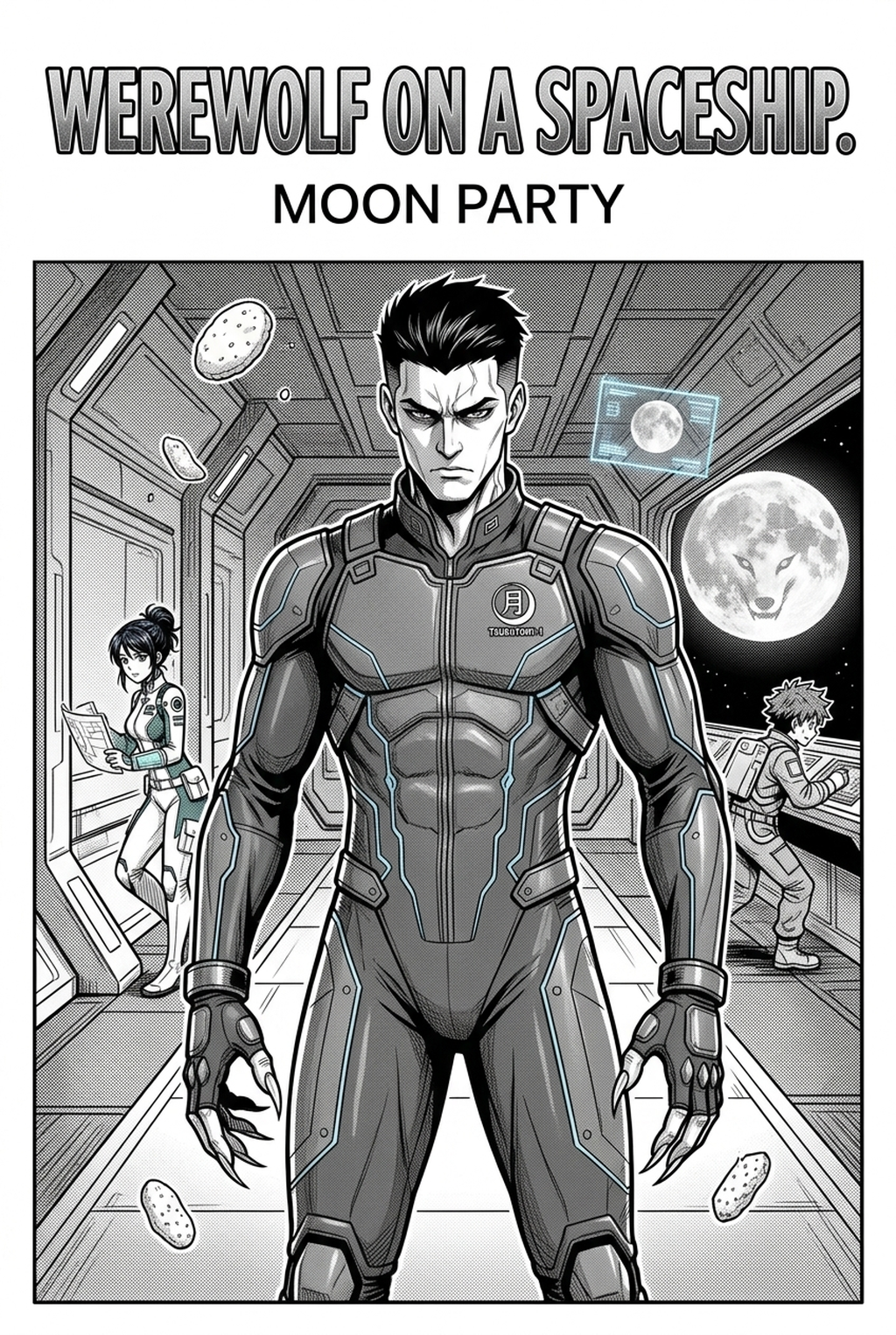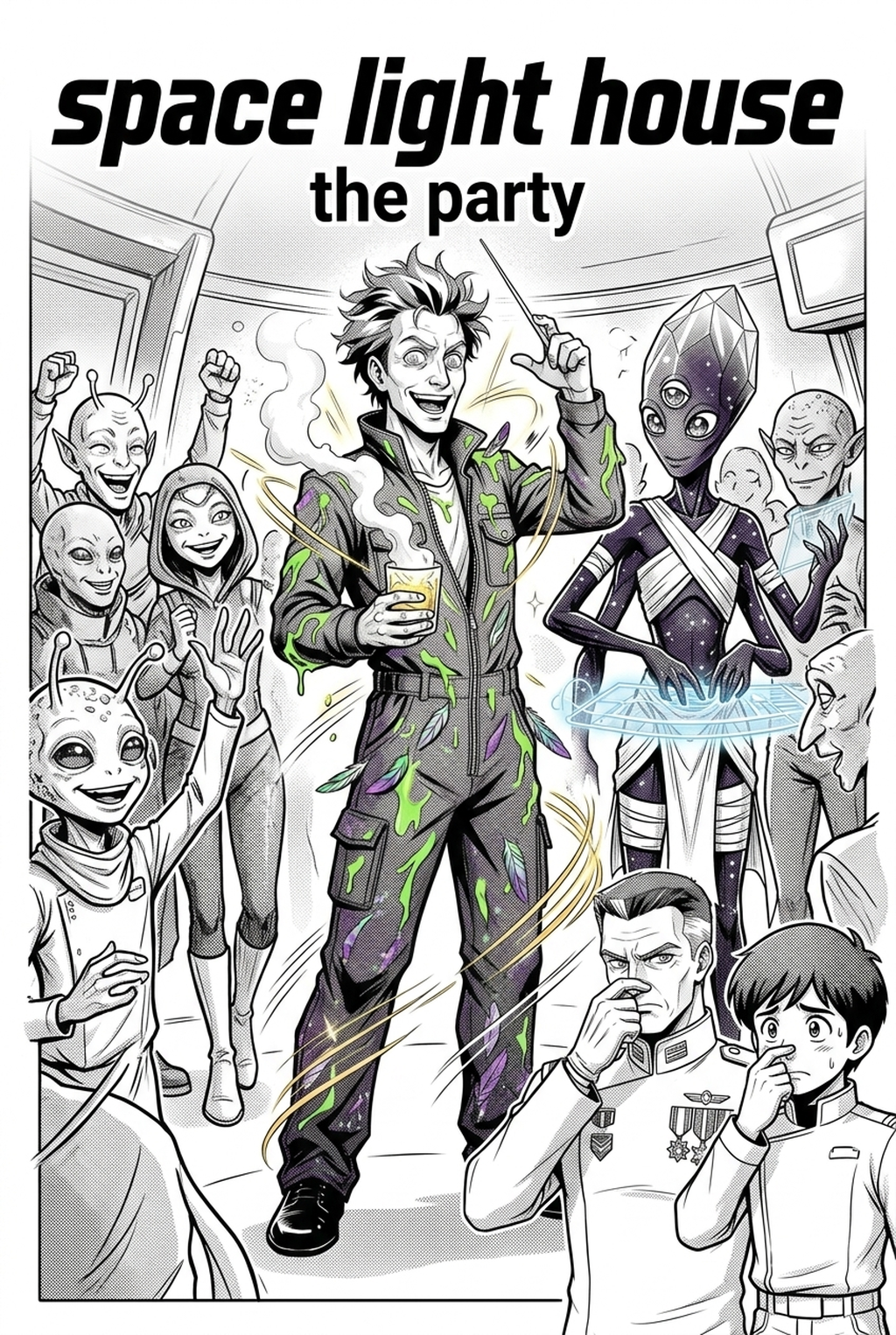
What Is Manga Storyboard?
A manga storyboard is the essential first step for any project. It consists of a sequence of structural panel templates and rough sketches that define the visual architecture of your pages. It serves as a testing ground for reading rhythm, allowing you to manipulate panel hierarchy and page real estate without risking your finalized character assets.
The primary goal is to establish an intuitive eye-path that guides the reader across the spread with zero friction. Without a concrete framework, creators often fall into the trap of uniform, repetitive panel sizes which fail to convey the emotional weight of a scene. By setting your geometric ratios early, you force the composition to serve the story, rather than forcing the story to fit into a random grid.
Approaching your project as a series of skeletons allows for rapid, low-stakes experimentation. You can swap the position of a close-up against a wide shot in seconds, evaluating how the pacing shifts the tension of an action sequence. This stage is where you solidify the composition, ensuring that the visual weight of your art aligns with the dramatic impact of your script.
Why AI AI Manga Storyboard Builder Builder Matters for Manga Creators
Effective narrative flow dictates how quickly a reader progresses through a scene; poor flow creates "dead air" where the story stalls due to a lack of visual movement. If your reader has to consciously pause to figure out the reading order of your panels, you have failed the fundamental mechanics of manga communication.
The discipline of your layout changes drastically depending on your chosen genre conventions:
- Shonen Combat Pacing: Utilize aggressive, tilted, or overlapping panel geometry to mirror the high-velocity movement found in battle sequences. * Seinen Atmospheric Spacing: Focus on generous negative space and wide, cinematic panels to build psychological depth and architectural environmental cues.
A structured planning stage saves hundreds of hours by catching composition errors while the page is still just a set of wireframes. If you proceed directly to inking without a confirmed layout, you often face the tedious task of resizing finished art, which destroys line quality and leads to inconsistent character proportions across the panel. Fixing these issues at the "thumbnail" stage is the hallmark of a professional workflow, ensuring that your final export is as clean as a high-end studio release.
How Manga Storyboard Works with Mangaka
Mangaka automates the complex task of panel arrangement, ensuring that the Gutter-to-Action ratio is mathematically optimized for reading comfort. By inputting your specific narrative beats, the software generates a structural skeleton that frees you from the tedious burden of manual grid-lining and ruler adjustments.
The engine behind the tool interprets your script requirements to suggest layouts that prioritize the focal point of each action. This helps you avoid the common amateur mistake of placing high-energy beats in low-impact panel shapes, essentially automating the "weight" of your storytelling.
Check character consistency, panel readability, line quality, and export readiness before publishing. Creators should also record why the page passed review, which panel details still need manual cleanup, and which export format the next collaborator will use. That makes the subsection useful instead of leaving a short checklist under a large heading.
Because the system understands industry-standard bleed, margin, and trim settings, your generated layouts are ready for professional print or digital publication from the start. You no longer need to calculate individual gutter widths or calculate page safe-zones manually, as the tool handles these constraints automatically, ensuring that your final AI AI AI Manga Storyboard Builder workflow Builder workflow Builder workflow with Mangaka maintains perfect registration every time.
Use Cases for AI AI Manga Storyboard Builder Builder
Strategic layout choices allow you to manipulate reader perception and emotional resonance on the page. You should always align your panel structure with the specific intent of the scene to ensure the visual rhythm matches your script.
| Use Case | Strategy | Result |
|---|---|---|
| Emotional Climax | Golden Ratio placement | Draws the eye directly to the focal point |
| High-Speed Action | Overlapping geometry | Breaks the frame for uncontrolled movement |
| Environmental Focus | Maximum negative space | Prevents "cramped" page syndrome |
How to Get Started with Mangaka
Getting started requires defining your scene requirements clearly so the AI can build a framework that supports your vision. Rather than starting with a blank canvas, you begin by outlining the sequence of your narrative beats and assigning them to specific panel types.
Once the tool generates your initial layout, you gain full control over the composition. You can manually adjust the panel borders or shift the focal anchors while the tool recalculates the surrounding gutters. This hybrid approach lets you keep your creative thumbprint on the page while the software handles the structural heavy lifting, allowing you to shift your focus entirely to character performance and detail work.
Creators should compare the generated line art with the original sketch and confirm that facial expressions, props, speed lines, and speech-bubble space still support the scene. A repeatable review pass should cover character consistency, panel readability, background clarity, and whether the final file is ready for coloring, lettering, or editor feedback. For longer projects, creators should save approved examples of line weight, face detail, clothing folds, and background density. Those references keep later chapters closer to the intended style.
The Bottom Line
The storyboard is the architectural backbone of your manga project, and modern AI tools are effectively removing the friction of mechanical layout design. By adopting a tech-integrated approach, you can match the output quality of professional studios while maintaining your unique creative voice. Experience how manga storyboard by visiting the builder to assemble your first project page today.
Related articles
Understanding 4-Koma Manga: The Essential Guide for 2026
Manga Storyboard Guide: Master Your Pacing and Composition
4-Koma Manga: A Guide to the Art of Four-Panel Storytelling