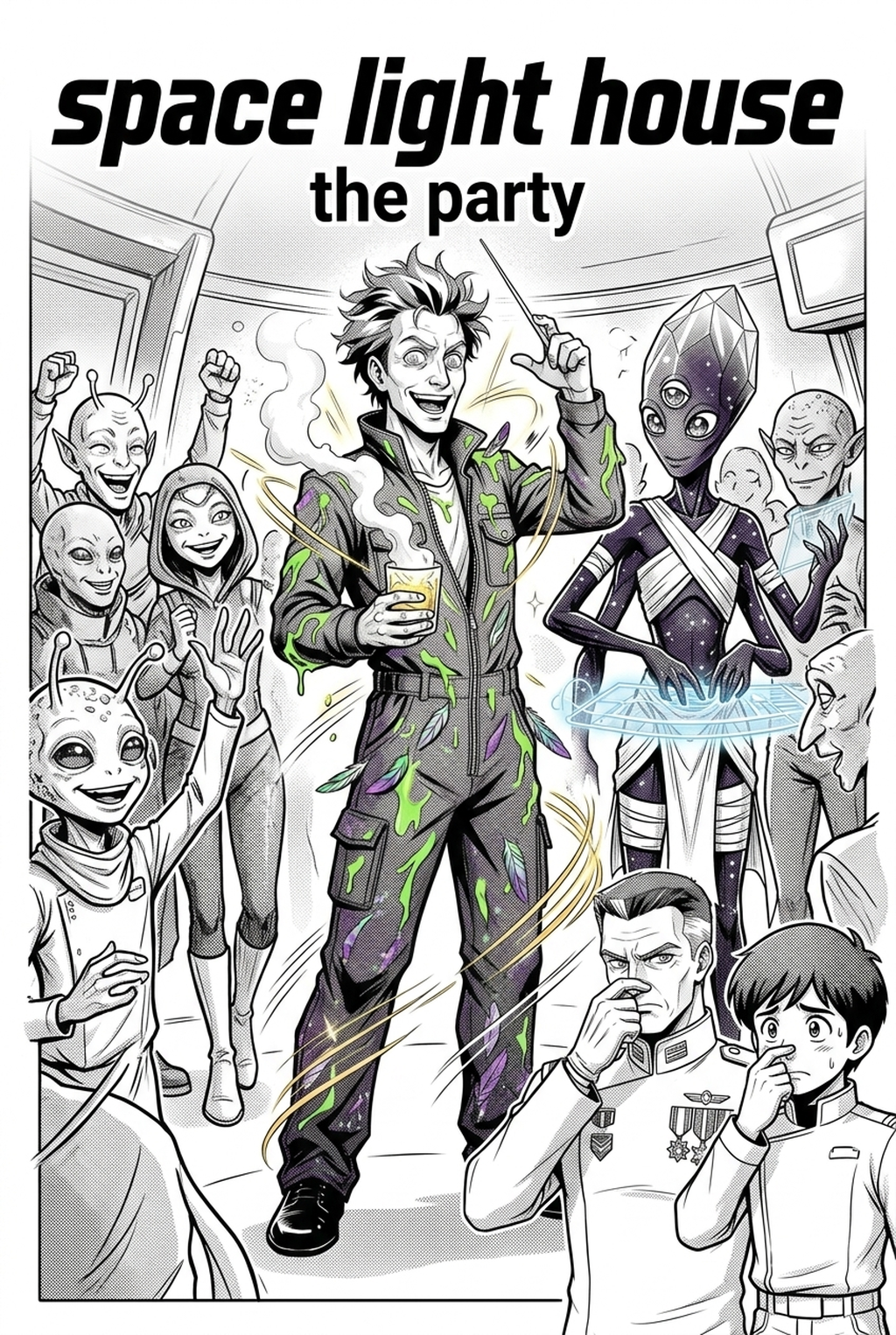
AI Manga Storyboard Builder: Defining the Structure of Kinetic Battle Flow
An effective storyboard prioritizes the 'line of action' and kinetic flow, ensuring the reader's eye moves naturally from a strike to its inevitable impact. It acts as the skeletal structure, defining exactly where characters land in the frame, the camera angle of the perspective, and the level of motion blur needed to sell the intensity of a movement.
By distinguishing between static reaction shots and explosive impact frames, you gain total control over the internal pacing of the fight. A common pitfall in amateur layouts is the 'shaky-camera' effect, where every panel feels equally intense, effectively muting the impact of the actual finisher. A well-planned storyboard assigns visual weight to specific, critical moments, leaving room for the eye to breathe between high-intensity strikes.
Impact of Strategic Planning on Page Clarity
Strategic planning prevents the visual clutter that often arises when dense ink work obscures the character's movement or spatial orientation. When you define the rhythm—beat, strike, impact, cooldown—before you ever pick up an inking pen, you avoid the devastating frustration of having to redraw complex sequences that simply look confusing on the page.
- Perspective Shift: Establishing a consistent hero-shot angle prevents the audience from losing track of which side of the room the protagonist occupies. * Gutter Pacing: Manipulating the space between panels controls the perceived speed; wider gutters between slow reaction shots increase the tension before a sudden, tight sequence of rapid-fire strikes. * Silhouetting: High-contrast pose planning ensures that characters remain distinct, even during intense brawls involving multiple combatants or overlapping limbs.
The cooldown phase is where you allow the reader to recover from a high-impact spread. Without this, the pacing feels frantic and disconnected, turning a choreographed duel into a noisy mess of lines that fail to communicate which character is actually winning.
Check character consistency, panel readability, line quality, and export readiness before publishing. Creators should also record why the page passed review, which panel details still need manual cleanup, and which export format the next collaborator will use. That makes the subsection useful instead of leaving a short checklist under a large heading.
Transforming the Creative Workflow with Technology
Modern AI tools allow creators to rapidly generate the spatial relationship of characters before committing to detailed art assets. Using Action manga combat storyboard with Mangaka transforms your rough script into a structured blueprint, where the system auto-arranges panels for narrative flow based on your specific scene requirements.
Instead of wrestling with manual placement, you can iterate on camera angles instantly, moving from isometric perspectives to low-angle hero shots that define the power dynamics of your fighters. This AI-driven setup handles the heavy lifting of composition, allowing you to focus on the 'director’s vision' rather than manual alignment of individual frame assets.
If a five-panel sequence requires a specific transition from a wide-angle environmental shot to a tight zoom on a facial expression, these tools generate the framing variations in seconds. This prevents the common issue of proportion drift, where a character's height or limb length changes inconsistently across a sequence of pages, preserving your visual storytelling continuity.
Core Strategies for High-Impact Fight Layouts
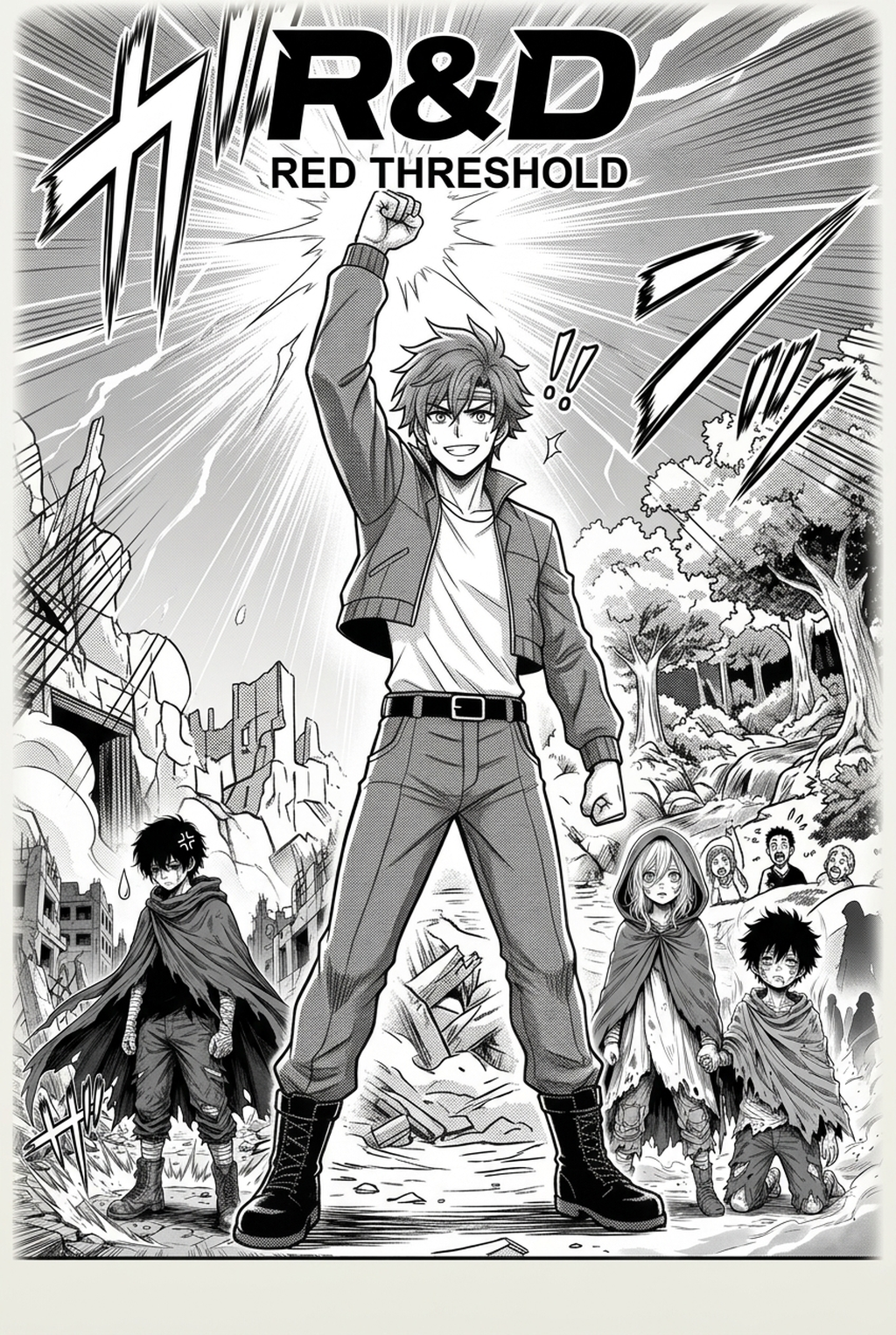
Always designate one focal panel per spread that captures the raw force of a technique, acting as an anchor for the surrounding action. Utilizing 'Speed-Line' spatial planning during the storyboard phase allows you to dictate exactly where the kinetic energy is directed, ensuring the eye is pulled toward the point of impact rather than floating aimlessly across the page.
- Impact-Moment Anchor: Treat the main impact panel as the 'gravity' center of the page; ensure all surrounding panels feed visual tension toward this center point. * Spatial Consistency: Keep your character's silhouette recognizable by defining clear lighting directions in your storyboard, which stops shadow-work from blending limbs into the background. * Dynamic Sequencing: Rotate between extreme close-ups, wide landscape shots, and character-focused medium shots to keep the viewer from experiencing 'action fatigue' during long combat chapters.
Initiating Your Project with Professional Tools
How much detail should I include in a storyboard versus the final page? The answer is that your storyboard should focus entirely on composition and narrative, not finish. You only need enough detail to verify that the choreography makes sense, allowing you to move to the inking and coloring stages without worrying about major layout changes or structural errors.
Can I use AI to help with the choreography of a fight? Yes, you can leverage these systems to suggest panel configurations that emphasize vertical movement or sudden depth changes, which are often difficult to map out by hand when dealing with complex aerial combat or supernatural ability sequences.
What is the most important element for keeping a fight scene readable? The most important element is the 'clear silhouette,' which means ensuring the character's primary posture remains identifiable against any background or particle effects. If the silhouette breaks, the reader stops seeing a person fighting and starts seeing a blurry mess of ink lines. Before export, creators should compare the generated line art with the original sketch and confirm that facial expressions, props, speed lines, and speech-bubble space still support the scene.
The Bottom Line
A professional combat sequence is built on the foundation of a clear, rhythmic layout that guides the reader's eye through the violence of the encounter. By utilizing Action manga combat storyboard , you can solve the most common technical hurdles—like layout confusion and character inconsistency—before you ever commit to a single permanent line, resulting in a much more polished and impactful final chapter.
Related articles
Mastering Gourmet Manga Background Art for Food Scenes 2026
How to Build a Magical Girl Manga Storyboard: A 2026 Guide
Mastering the Shonen Manga Combat Storyboard: A 2026 Guide