Anatomy of Effective AI Manga Character Designer
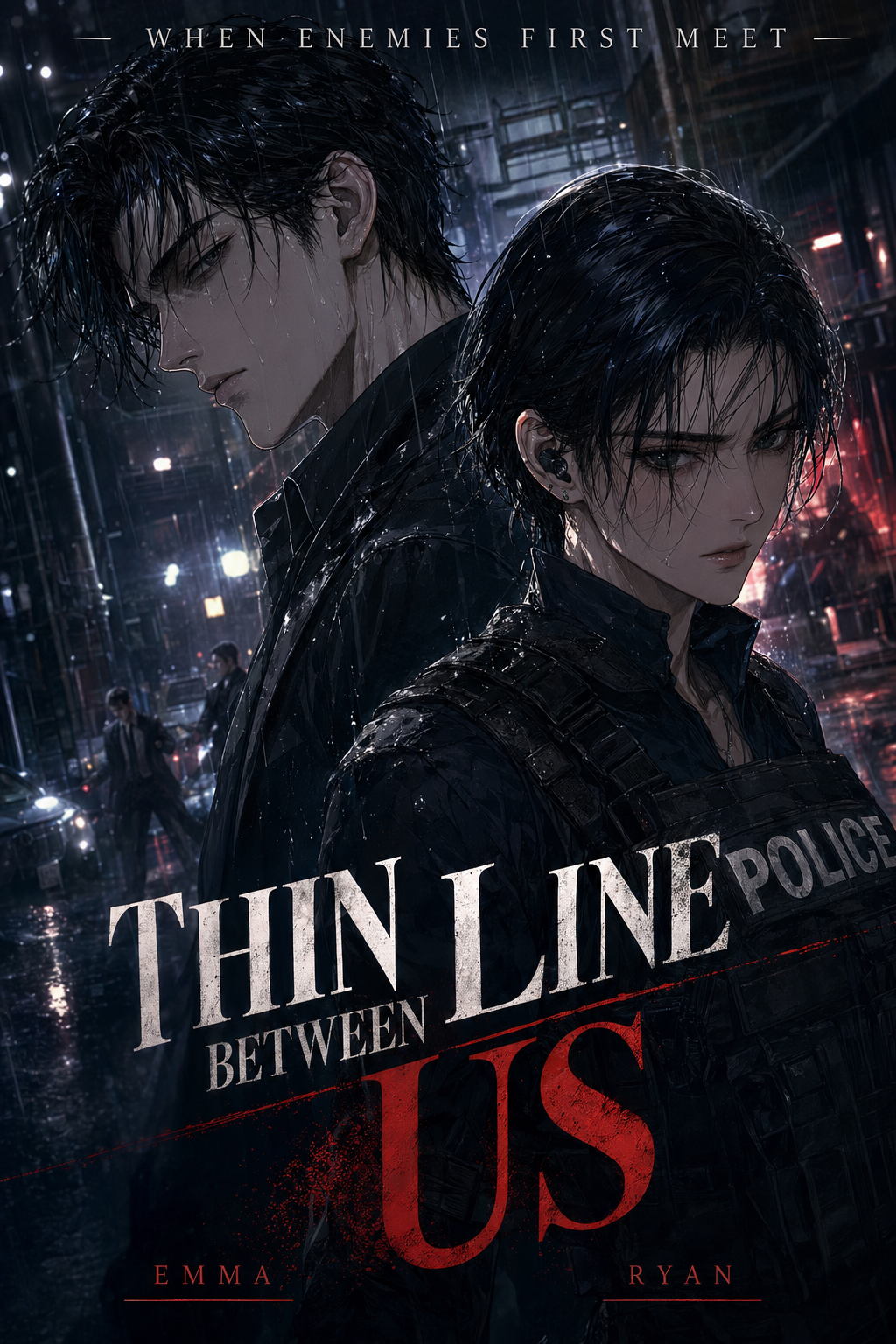
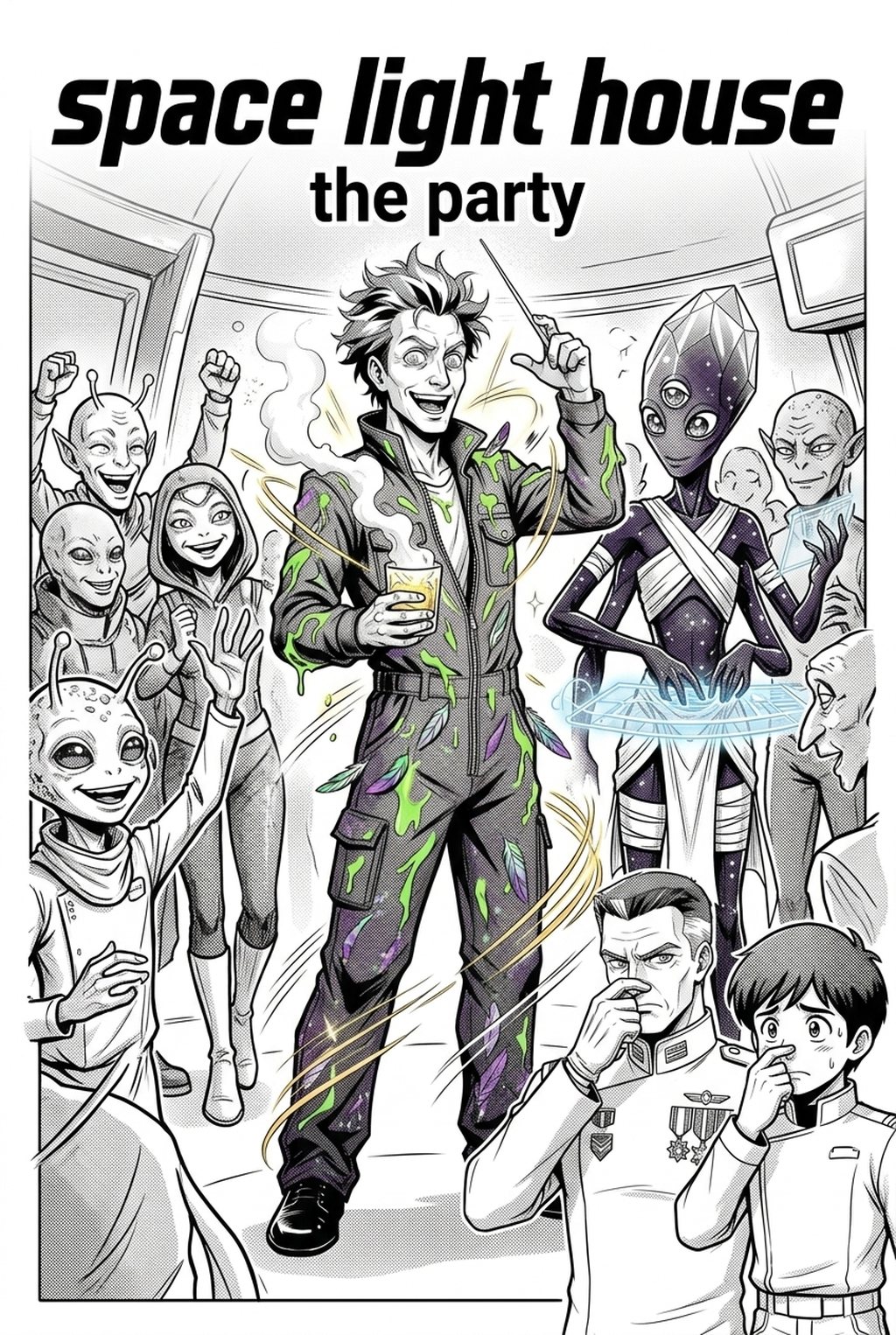
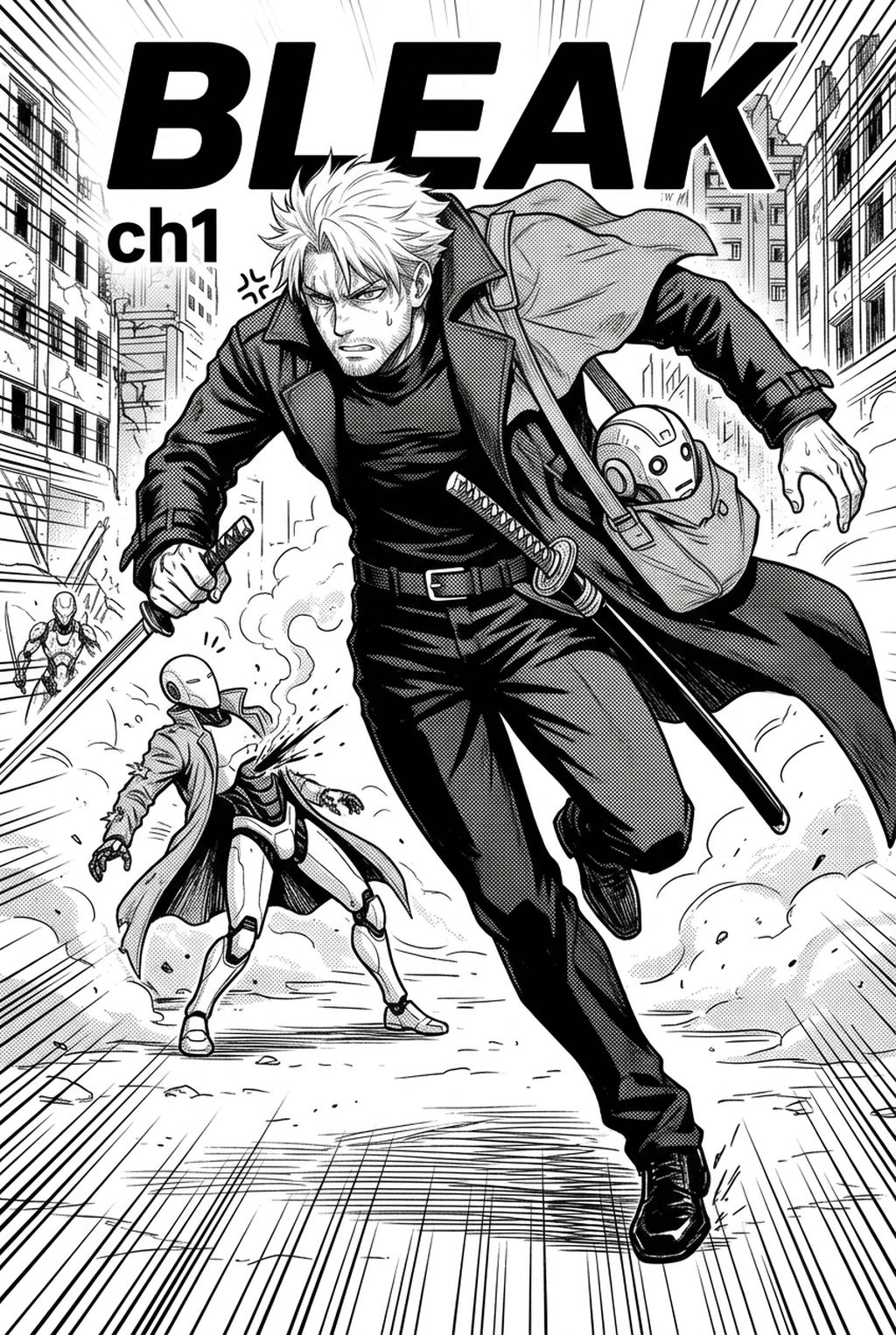
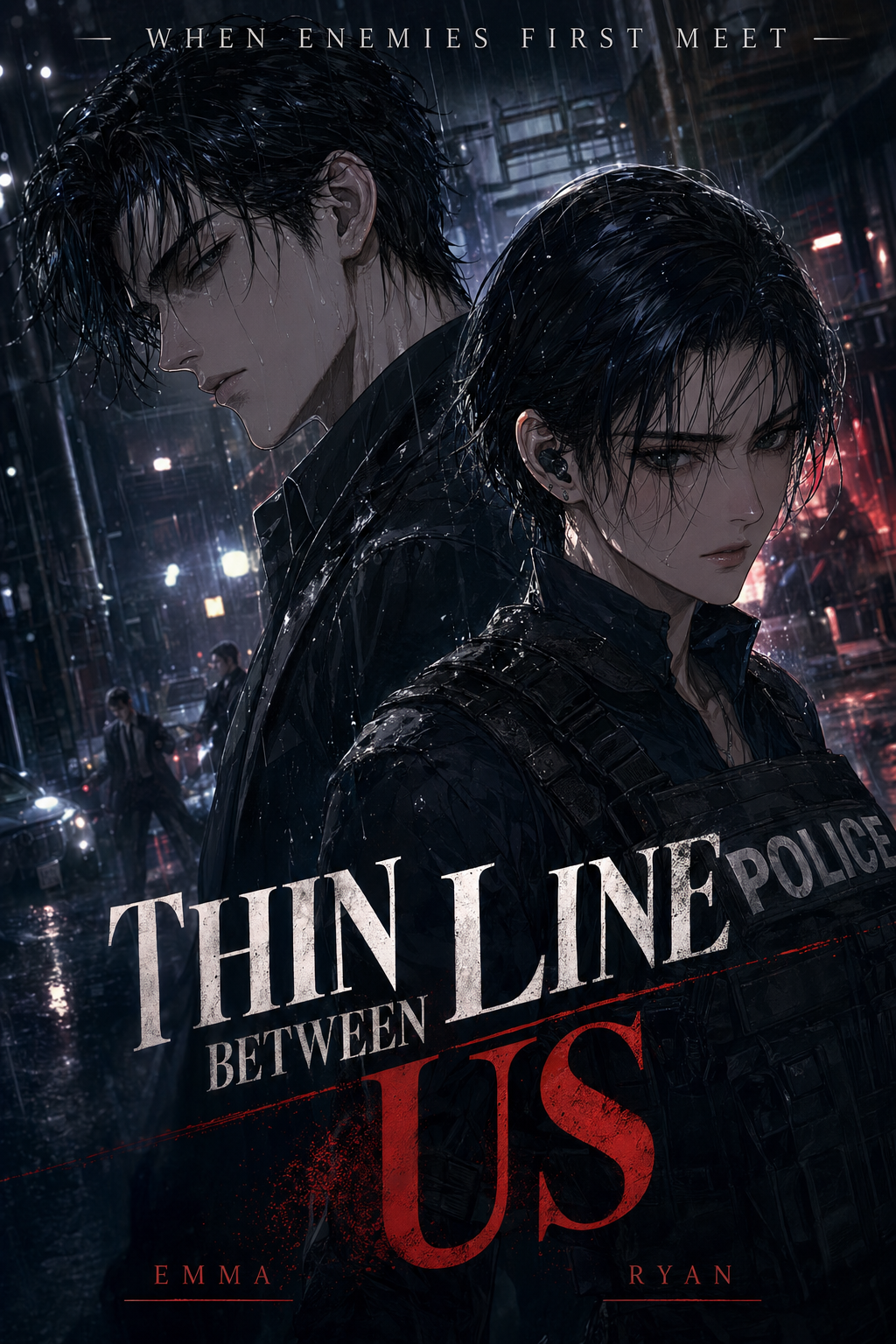
Effective character design relies on a precise mix of distinctive silhouettes and standardized traits that remain legible under high-pressure production schedules. For manga, this includes core stylistic markers like specific hair shapes, exaggerated emotional cues, and costume silhouettes that are easy to ink repeatedly.
- Distinctive Silhouettes: Your character should be recognizable by their outline alone, which prevents confusion during action-heavy panels. * Functional Model Sheets: Unlike a static illustration, a model sheet acts as a technical blueprint. It must clearly define the character’s look from front, profile, and three-quarter angles to prevent proportions from drifting during complex scenes. * Expressive Potential: Always build in a range of facial cues, as extreme emotional expressions often force an artist to push features beyond their standard resting state.
Why Visual Integrity Matters for Creators
Consistency is the most difficult challenge in long-form manga creation because viewers naturally track subtle details over time. When a character’s eye spacing shifts or a recurring accessory disappears between pages, the narrative pacing is disrupted, forcing the reader to mentally recalibrate their perception of the character.
- Mitigating Proportion Drift: Creators often lose their way when drawing characters at extreme angles, such as low-angle shots or high-speed motion sequences. * The Source Context Necessity: A reliable visual reference library serves as the single source of truth for your character’s appearance. This library should include fixed color palettes, accessory callouts, and specific item terminology, which ensures that every page adheres to the original creative brief. * Maintaining Immersion: When character details are locked into a repeatable format, the reader focuses on the storytelling rather than the technical inaccuracies of the art.
How AI Aids in Design Consistency
AI tools allow creators to instantly generate variations that strictly adhere to a primary style anchor, preventing the manual errors common in repetitive drawing. By utilizing AI Manga Character Designer workflow with Mangaka , artists can establish a base model that serves as the foundation for every panel, drastically reducing the hours spent on correcting line art and redraws.
- Iterative Variations: You can generate specific poses or angles for a character while keeping the core identity, such as height and facial structure, locked in place. * Workflow Optimization: Using AI for the initial generation phase lets you skip the tedious parts of drafting reference sheets, allowing you to focus on the high-level composition of your page layout. * Style Control: The review owner retains full creative control, using the AI to handle the mechanical heavy lifting while keeping the artistic direction grounded in their personal aesthetic.
Practical Use Cases for Design Sheets
A professional-grade character sheet requires far more than a single standing pose to be effective during production. It must serve as a comprehensive reference that accounts for every item, color palette, and recurring accessory, preventing ambiguity when you are deep into a production cycle.
- The Three-View Standard: Always include a front, profile, and three-quarter view to ensure you have a reference for every possible angle. * Character Terminology: Include item callouts for items like weapons, signature jackets, or unique tech, which keeps the visual language consistent. * Standardized Delivery Formats: Modern tools can export these sheets in formats that make inking and tone application much faster, ensuring that every panel adheres to your established style guide.
How to Get Started with Professional AI Tools
Getting started involves shifting your perspective on AI from a replacement for drawing to a specialized assistant that handles repetitive production phases. Creators can maintain a unique style by treating the output as a draft that they personally ink and refine, ensuring the "hand-drawn" soul remains intact.
- Preserving Identity: Customizing AI designs is an iterative process where you tweak individual features—like swapping an accessory or adjusting hair length—without losing the base character's established identity. * Retaining Final Control: The artist acts as the primary review owner, responsible for the final aesthetic polish and ensuring that every panel fits the overall manga vibe. * Focusing on Composition: By delegating the rote production of model sheets to AI, you free up significant time to focus on complex panel pacing, dialogue placement, and dynamic camera angles.
- Before Export. Creators should compare the generated line art with the original sketch and confirm that facial expressions, props, speed lines, and speech-bubble space still support the scene. A repeatable review pass should cover character consistency, panel readability, background clarity, and whether the final file is ready for coloring, lettering, or editor feedback.
- For Longer Projects. Creators should save approved examples of line weight, face detail, clothing folds, and background density. Those references keep later chapters closer to the intended style. For collaboration, creators should mark which panels are final and which panels still need redraws. Clear status labels prevent an assistant, editor, or colorist from polishing the wrong version.
- For Publishing. Creators should review the page at the actual reading size before export. Small screens expose crowded dialogue, weak silhouettes, and line details that looked fine while zoomed in. For style control, creators should keep a short reference board beside the draft and compare hair shapes, eye details, costume folds, and texture choices before approving the final page.
The Bottom Line
Mastering creator workflow requires a balance between creative vision and the technical discipline needed for long-term consistency. By leveraging modern tools to standardize your workflow, you can eliminate the time-consuming errors of manual repetition and focus on what matters most: your story. To start building consistent character models for your next project, visit Mangaka to design your manga characters today.
Related articles
10 Character Design Tips for Consistent Manga Protagonists
Character Design for Manga: A Guide for Creators 2026
Character Design for Manga: The Modern Creator’s Guide 2026