AI Manga Character Designer: Why AI Manga Character Designer Matters for Manga Creators
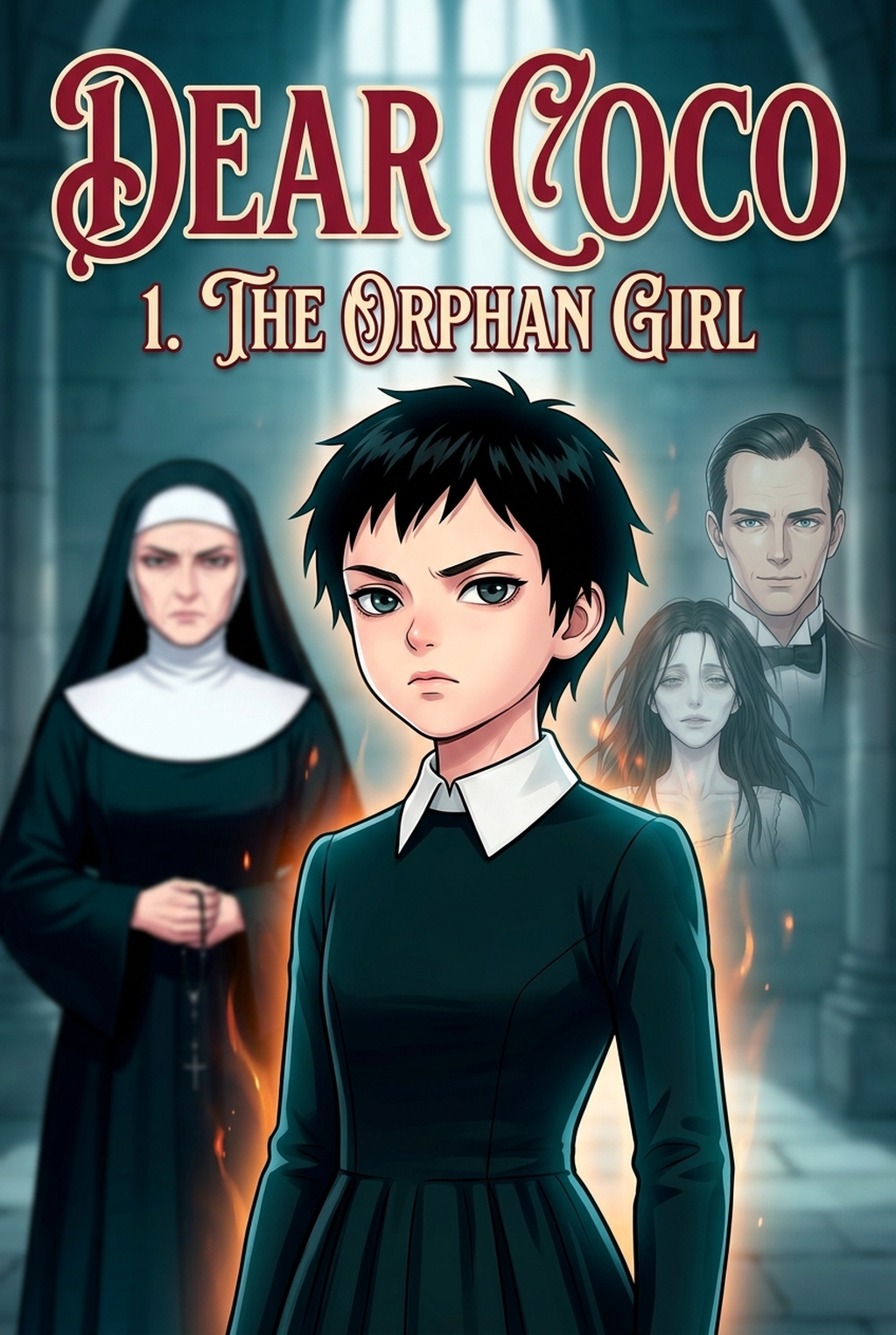
Gothic-romance manga requires specific character detailing to establish tone, focusing on expressive eyes and precise inking lines for formal attire that reflect the period's rigid social hierarchies. If your character models lack a unified visual signature, your page pacing will falter as the reader struggles to reconcile the character’s identity with the shifting environment of a moody, candlelit ballroom. Creators must prioritize consistency in these elements to preserve the immersive quality of their work across multiple panels, ensuring that the character remains the central anchor of the narrative.
- Lace-detail texture nodes: Use specific pattern overlays to ensure historical accuracy, as generic shading often fails to replicate the delicate, repetitive nature of Victorian lace. * Sharp-silhouette styling: Hair styling should favor rigid, dramatic shapes to match the series’ underlying tension, avoiding soft or rounded edges that dilute the gothic aesthetic. * Dark-palette color grading: Implement a strict color palette—primarily monochromatic or deep, desaturated jewel tones—to maintain a unified mood that bridges the gap between text and visuals.
How Firefly Wedding Character Design Works with Mangaka
AI tools like Mangaka allow creators to translate these intricate gothic tropes into consistent character models using specific descriptive creative briefs that preserve the creator's initial vision. By inputting core terminology such as Victorian-era formal wear," "stark gothic lighting," and "delicate ink-wash detailing," you can generate base designs that fit the Firefly Wedding genre without succumbing to the limitations of manual iteration. The tool automates the tedious inking phase, allowing the creator to maintain focus on high-level composition and thematic storytelling while delegating the repetitive rendering tasks to the software.
- Source context integration: By feeding the software specific physical traits and lighting preferences as a stable source context, you prevent character-proportion drift that typically occurs during the middle stages of a 200-page chapter. * Inking efficiency: Rather than manually tracing every lace fold, you can generate clean, high-fidelity line art that retains the desired weight and texture, which you then verify during your final review pass. * Model stability: The tool ensures that your protagonist’s silhouette remains identical across different camera angles, solving the issue of misaligned character features during high-stakes action panels.
Use Cases for AI Manga Character Designer
The key to adapting this style is to integrate the character design with a coherent, moody storyboard environment that emphasizes isolation and dramatic tension. Creators should focus on maintaining a visual delivery format that highlights character expression through dramatic shadows and intentional negative space, often leaving large sections of the panel intentionally dark to guide the reader’s eye. Always review your output against your original story context to ensure the character designs contribute to the established narrative tone rather than merely occupying space on the page.
- Panel-pacing integration: Use your character models to dictate the rhythm of the page, where a wide shot of a gothic landscape contrasts with tight, detail-heavy close-ups of the character's facial expressions. * Negative space composition: Reserve at least 30% of each panel for deep shadow, allowing the refined character design to pop without the clutter of excessive background detail. * Narrative mood-matching: When the plot enters a high-tension segment, adjust your generation parameters to favor sharper shadows and higher-contrast line work to visually amplify the character's internal conflict.
How to Get Started with Mangaka
Replicating this style effectively requires moving beyond traditional pen-and-paper limitations toward a more scalable, tech-integrated workflow. Provide the fastest path to maintaining character consistency across long-form chapters by acting as a persistent design assistant. To begin, establish a master character sheet with your desired traits, then use that sheet as your source context for every new panel generation, ensuring your stylistic choices are locked in before you start page-level composition. Best Practices for Consistent Output.
- Descriptive source context: Include consistent physical traits, clothing styles, and lighting preferences in every generation creative brief to keep your characters looking uniform. * Full-page generation: Utilize modern AI features to render entire pages in this style, allowing you to focus on the review owner responsibilities of refining composition and panel pacing. * Iterative refinement: Use the software to generate several variations of a single panel, selecting the one that best captures the intended emotional tone before moving to your final export phase.
Creators should compare the generated line art with the original sketch and confirm that facial expressions, props, speed lines, and speech-bubble space still support the scene. A repeatable review pass should cover character consistency, panel readability, background clarity, and whether the final file is ready for coloring, lettering, or editor feedback.
For Longer Projects. Creators should save approved examples of line weight, face detail, clothing folds, and background density. Those references keep later chapters closer to the intended style. Creators can use Firefly Wedding character design when they need a reviewed path from rough sketch to clean manga output.
Creators can evaluate Firefly Wedding character design with Mangaka mid-workflow when they need the product path tied directly to review, refinement, and export. A real test should use the same sketch, character goal, or panel sequence that would otherwise need manual cleanup after generation.
The Bottom Line
A creator workflow is a masterclass in gothic mood, and achieving it depends on precise attention to detail in clothing, lighting, and line-work. By leveraging AI-powered tools, mangaka can streamline the design process while ensuring the specific stylistic requirements of the genre are met consistently. Focus on the core aesthetic markers, iterate through your character designs, and let the software handle the heavy lifting of rendering and consistency.
Related articles
Dungeon Background Design: A 2026 Guide for Manga Creators
Designing a Fantasy Dungeon Manga Background: A 2026 Guide
Mastering the Cooking Manga Background: A Creator’s Guide