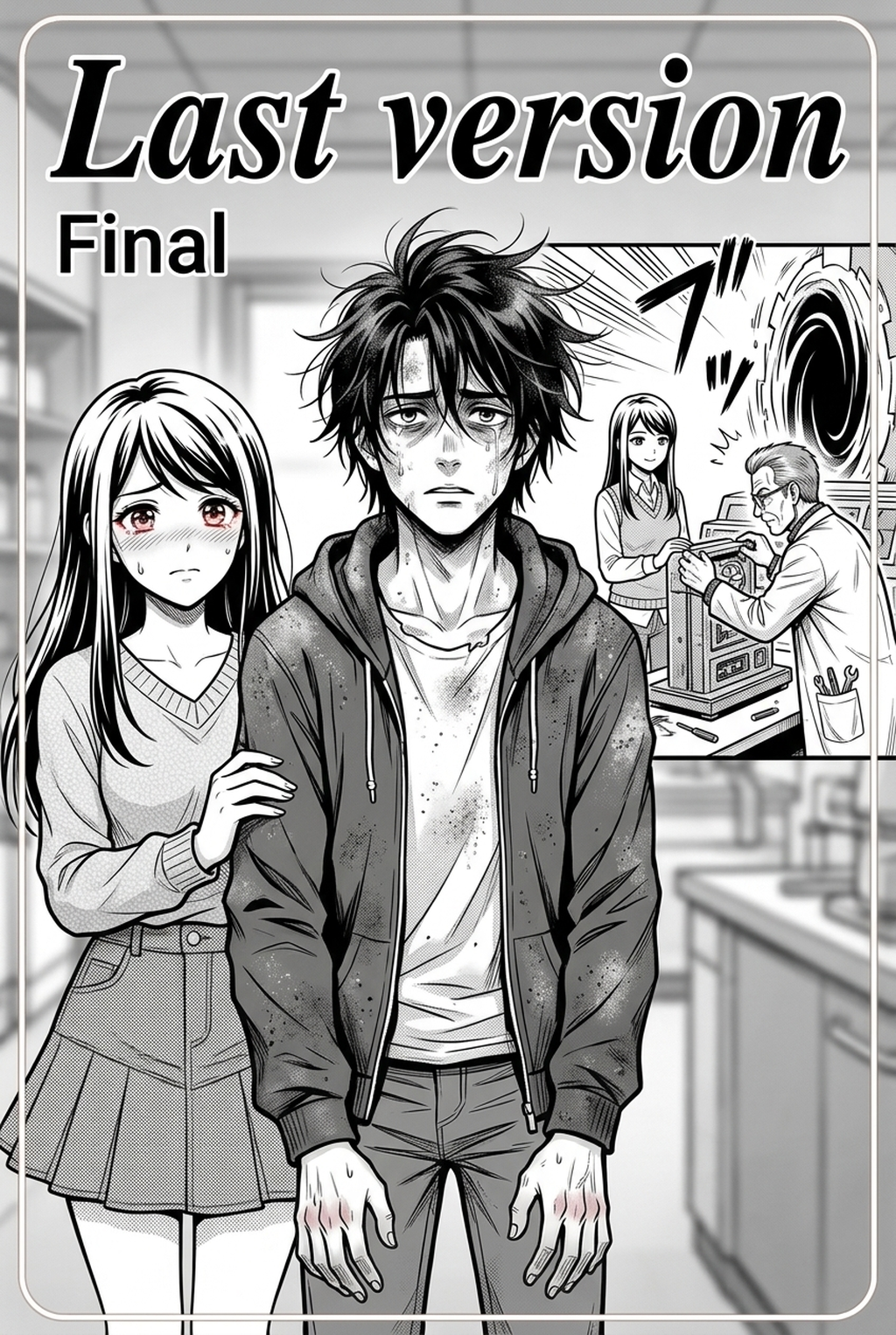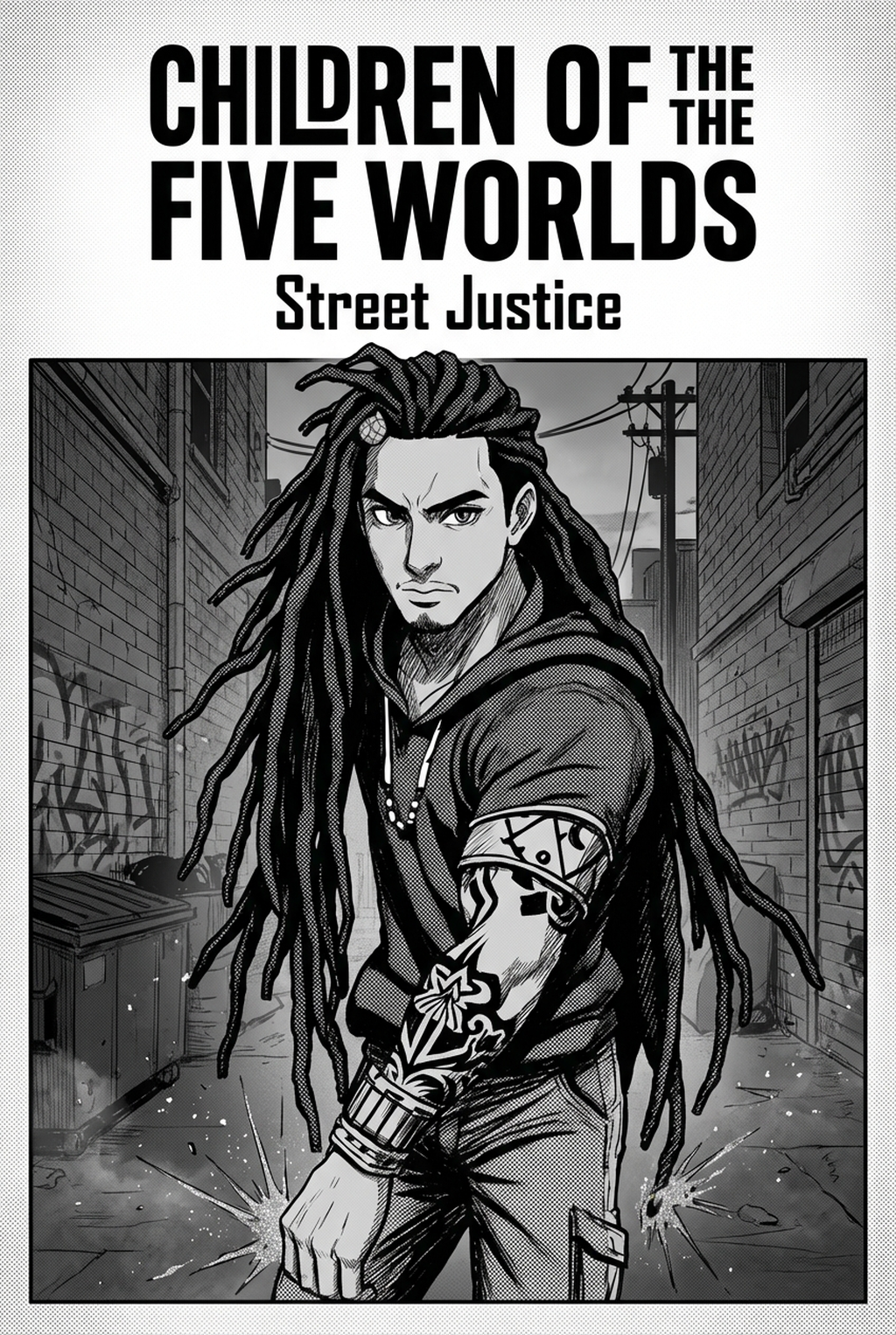
AI Manga Background Artist: Why Culinary Environments Elevate Reader Engagement
Detailed culinary backgrounds elevate reader engagement by providing a tangible sense of place that mirrors the sensory experience of cooking. For Slice-of-Life creators, the kitchen functions as a core character, necessitating precise delivery formats that remain consistent across multiple chapters and varying character positions.
High-fidelity scenes help sustain suspension of disbelief, particularly when depicting intricate techniques like dicing, tempering, or plating. When the background acts as a consistent anchor, the reader is more likely to accept the technical accuracy of the cooking process itself. If the kitchen layout shifts between panels, the sense of immersion breaks, and the reader loses track of the physical space where the 'food porn' aesthetic—so vital to the genre—is being cultivated.
Integration of Mangaka in the Workflow
Mangaka generates intricate kitchen architecture from text descriptions, effectively bypassing the hours of manual perspective drafting required for complex appliances. By inputting specific scene requirements, creators maintain stylistic unity across the entire project without sacrificing the final creative control of the panel's composition.
The AI manages the complex task of line-weight balancing, ensuring that the density of cookware, steam effects, and industrial hardware does not overwhelm the character art inking. This allows you to focus on the performance and expressions of the chef while the background remains technically grounded. When you need to keep your production cycle lean, this automation provides a significant advantage over manual redrawing for every new chapter.
Applied Culinary Scene Scenarios
Professional chefs’ kitchen layouts often require specific industrial hardware to ground the story in reality. Utilizing the right parameters, creators can populate a Seinen restaurant saga with authentic elements like salamanders, walk-in coolers, and bain-maries.
- Standardized Equipment: Automated generation of deep fryers, rice cookers, and high-pressure steamers provides consistency that manual sketches often lose over time. * Plate-to-Environment Scaling: Proper generation parameters prevent perspective distortion, allowing a smooth visual transition from a extreme close-up of a pan-seared scallop to a wide shot of the dining table. * Narrative Mood Toggles: Adjust the AI settings to shift the lighting logic from the frantic, high-contrast heat of lunch service to the quiet, desaturated tones of an empty kitchen after hours.
By using cooking manga background with Mangaka , you ensure that your backgrounds never suffer from 'smudged inking' or perspective collapse. When you move from a rough sketch to a final PDF export, the architecture maintains its integrity, saving the production lead from manual corrections.
Production Steps for New Creators
Maintaining a cohesive style in a long-form series is a common challenge for independent artists working with digital tools. Use a fixed AI seed or reference image input to ensure that the layout of your protagonist’s kitchen remains identical throughout the entire arc. Workflow Fit for Creator Output.
- Specialized Appliance Integration: Use descriptive creative briefs that define the exact Japanese kitchen hardware—like a specialized tempura fryer or a precise sushi prep station—to ensure your background is culturally and technically accurate. * Production Acceleration: Consider the AI as a dedicated architectural assistant; it handles the heavy technical lifting of perspective and line density, which frees the primary artist to focus exclusively on character performance and expressive inking.
- Before Export. Creators should compare the generated line art with the original sketch and confirm that facial expressions, props, speed lines, and speech-bubble space still support the scene. A repeatable review pass should cover character consistency, panel readability, background clarity, and whether the final file is ready for coloring, lettering, or editor feedback. - For Longer Projects. Creators should save approved examples of line weight, face detail, clothing folds, and background density. Those references keep later chapters closer to the intended style. For collaboration, creators should mark which panels are final and which panels still need redraws. Clear status labels prevent an assistant, editor, or colorist from polishing the wrong version. - For Publishing. Creators should review the page at the actual reading size before export. Small screens expose crowded dialogue, weak silhouettes, and line details that looked fine while zoomed in. This keeps the review focused on story intent, line weight, panel readability, and the export quality behind the final AI Manga Background Artist output.
- Before Export. Creators should compare the generated line art with the original sketch and confirm that facial expressions, props, speed lines, and speech-bubble space still support the scene. A repeatable review pass should cover character consistency, panel readability, background clarity, and whether the final file is ready for coloring, lettering, or editor feedback.
- For Longer Projects. Creators should save approved examples of line weight, face detail, clothing folds, and background density. Those references keep later chapters closer to the intended style. For collaboration, creators should mark which panels are final and which panels still need redraws. Clear status labels prevent an assistant, editor, or colorist from polishing the wrong version.
- For Publishing. Creators should review the page at the actual reading size before export. Small screens expose crowded dialogue, weak silhouettes, and line details that looked fine while zoomed in. For style control, creators should keep a short reference board beside the draft and compare hair shapes, eye details, costume folds, and texture choices before approving the final page.
The Bottom Line
Effective cooking manga backgrounds bridge the gap between technical accuracy and atmospheric storytelling, ensuring your kitchen environments support your characters' narratives rather than distracting from them. By leveraging cooking manga background , you can maintain a consistent, high-fidelity visual experience that keeps your production moving at a professional pace without sacrificing artistic control.
Related articles
Shounen Manga Character Design: A Guide to Iconic Looks 2026
Silent Hill F Character Design: A Guide for Manga Artists
Create a Professional Manga Character Design Sheet in 2026