Geometric Foundations in Panel Composition
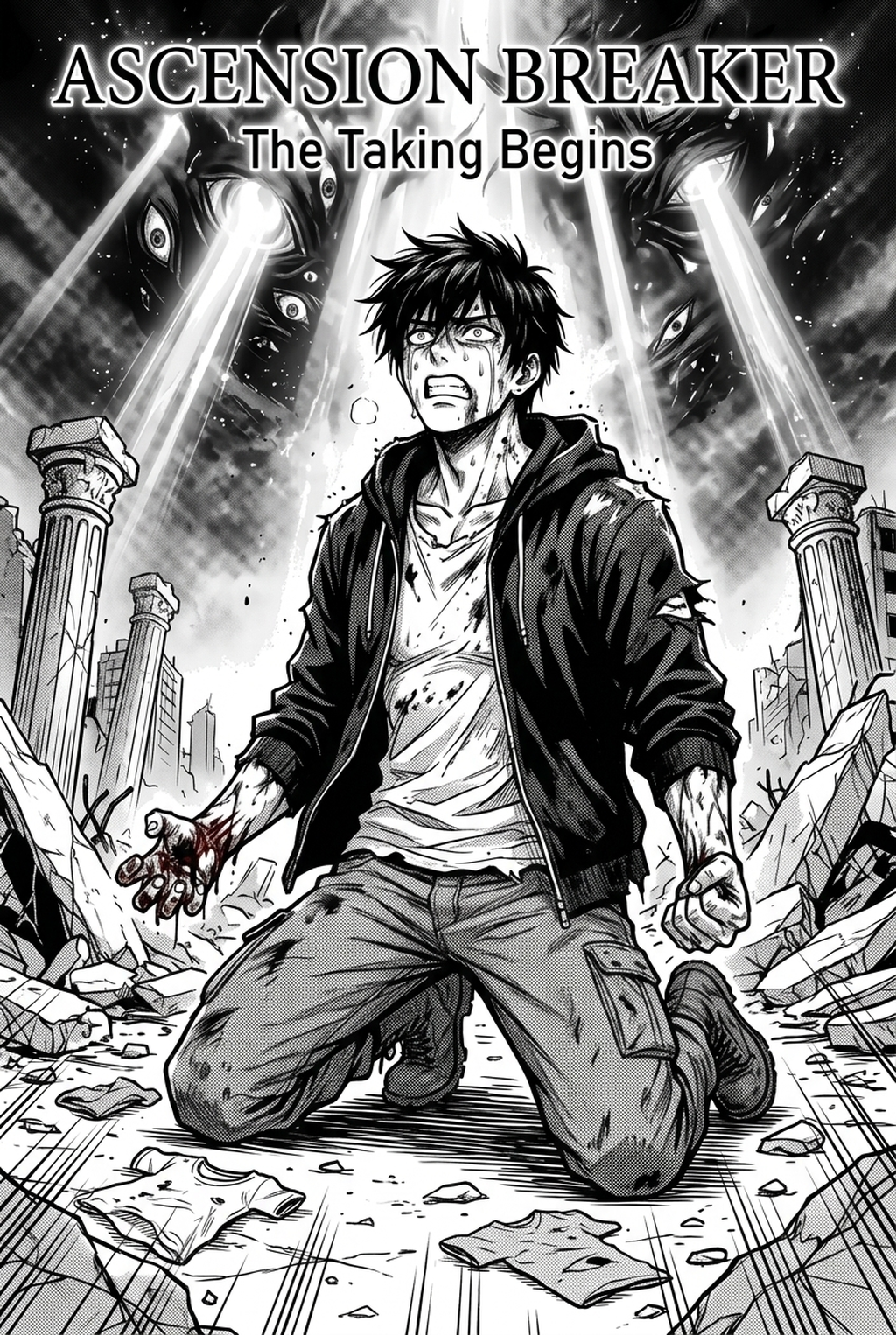
Manga background perspective relies on the precise application of linear, aerial, or three-point geometry to anchor illustrations in a believable 3D space. By placing horizontal eye-level lines and vanishing points, you provide the audience with a necessary visual anchor that guides their focus toward the central action of a panel.
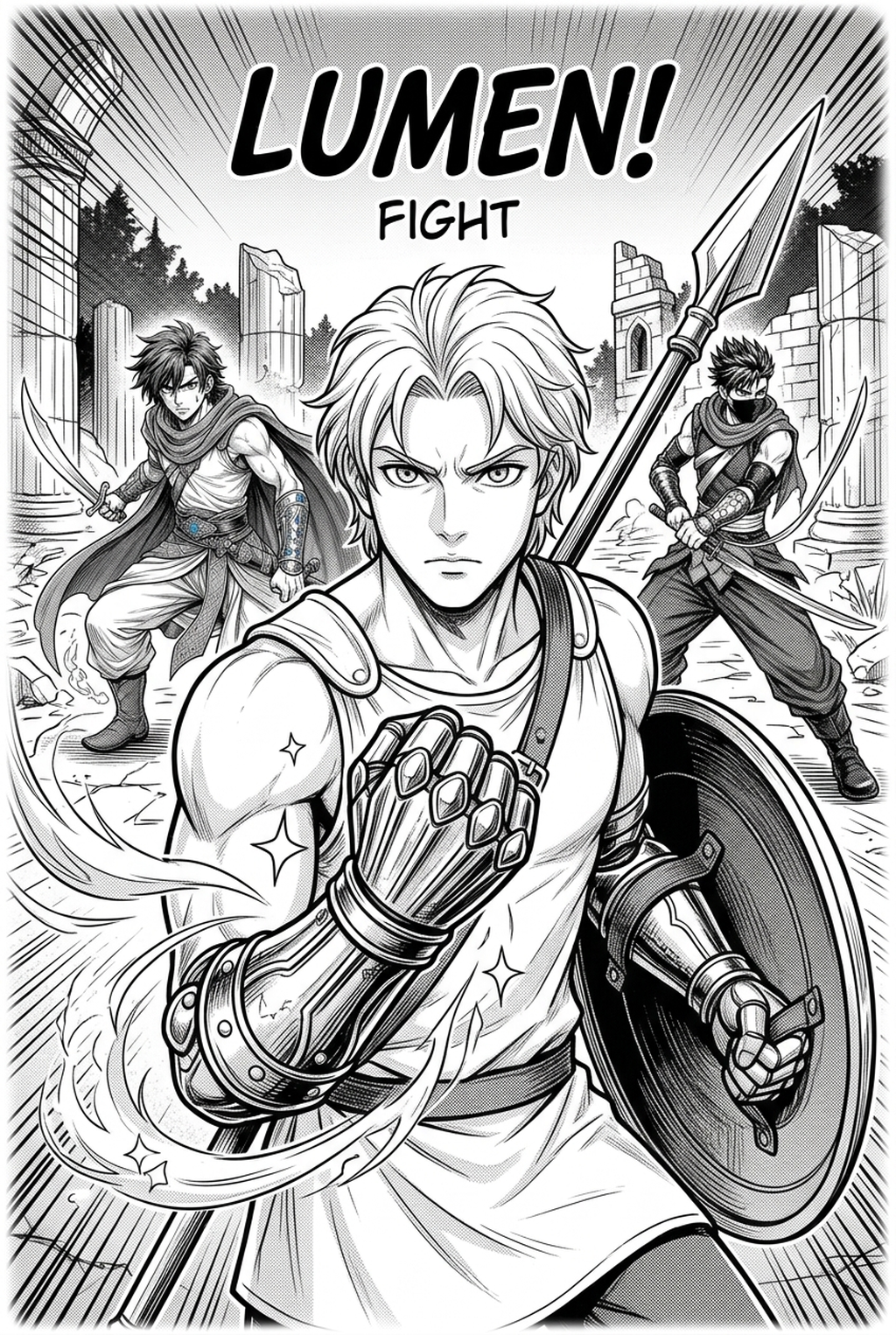
Shonen artists often utilize aggressive wide-angle, distorted perspectives to heighten the visceral impact of combat, stretching the background to emphasize speed lines and motion. Conversely, Seinen artists prioritize strict, realistic architectural scales to ground the setting in a tangible reality. This adherence to geometric rules ensures that even during rapid transitions, the reader maintains a clear sense of location, preventing spatial disorientation that ruins the immersion of your storytelling.
Importance of Spatial Consistency for Serialized Work
Proper background perspective prevents your characters from looking like they were pasted onto an unrelated photo, which frequently happens when line-weight drift occurs between the foreground figure and the setting. For serialized manga, maintaining depth consistency is critical, as recurring environments must appear identical across dozens of chapters, even when the camera angle shifts from a bird’s-eye view to a low-angle dramatic shot.
Many professionals employ "dynamic convergence," where the vanishing points are placed intentionally outside the actual panel frame. This technique forces the viewer's eye to follow the momentum of the character’s movement, effectively stretching the panel's internal energy. Without this level of geometric control, you risk flat compositions that fail to convey the intended stakes of the narrative.
How Mangaka Handles Complex Geometric Requirements
Mangaka utilizes advanced depth-mapping algorithms to convert your scene descriptions into multi-plane environments that inherently respect geometric rules. Instead of wrestling with drafting tools, you can input your specific scene context—such as the time of day, weather conditions, or the intended camera angle—to generate ready-to-ink backgrounds that require no manual grid layout.
- Architectural Presets: Maintain consistent brutalist or period-accurate urban aesthetics without having to manually recalculate your vanishing points for every panel shift. * Scene Context Input: Define environmental modifiers, such as rainy street reflections or overgrown ruins, to ensure the background atmosphere matches your character's emotional state. * Depth Mapping: Automatically generate environments that align with your specified horizon line, ensuring your characters remain anchored in the 3D space.
By using manga background perspective with Mangaka , you move past the technical hurdle of grid construction and focus on the artistic polish of your ink and tone work. This functionality addresses the common failure mode of misaligned perspective that often plagues high-volume production, where the time required to build a city street from scratch is simply not available.
Iteration and Pacing in the Storyboard Phase
Automated background tools are most effective during the initial storyboarding phase, where rapid iteration of layouts is essential to test your panel pacing. You can quickly generate multiple perspective angles for a complex interior—like a crowded, chaotic school hallway—to see which angle creates the most tension before committing to final inks.
- Rapid Layout Testing: Generate variations of a room to determine the most effective camera angle for a crucial dialogue reveal. * Crowded Setting Management: Offload the labor-intensive detail of intricate urban streets, which are traditional time-sinks for under-resourced independent studios. * Continuous Camera Movement: vertical comic platforms creators use vertical-scroll perspective generation to simulate a seamless camera pan, a feat that is nearly impossible to maintain by hand across a long-form series.
These tools allow you to iterate on your visual flow without the overhead of manual architectural drafting. By automating the technical foundation, you regain the ability to refine the emotional delivery of your panels through character expression and refined line weight.
Integrating AI into Your Professional Workflow
Does using AI for background construction replace your signature artistic style? Certainly not. AI serves as a base layer that you then ink and polish to match your specific aesthetic, ensuring the final output feels cohesive with your hand-drawn character work.
- Manual Adjustments: You retain full control over vanishing point locations, allowing for manual tweaks to camera angles that perfectly align with your existing character sketches. * Efficiency Gains: High-volume production cycles benefit significantly, as artists can reduce the time spent on basic layout construction by up to 70%. * Creative Focus: With the perspective bottleneck removed, you can allocate your remaining creative energy toward perfecting character detail, speech-bubble placement, and complex tonal effects.
By treating the AI-generated output as a rough layout or a secondary draft, you ensure the technical accuracy of your backgrounds while preserving your human touch. This hybrid approach keeps your production on schedule while maintaining the professional polish that audiences expect.
Creators should compare the generated line art with the original sketch and confirm that facial expressions, props, speed lines, and speech-bubble space still support the scene. A repeatable review pass should cover character consistency, panel readability, background clarity, and whether the final file is ready for coloring, lettering, or editor feedback.
The Bottom Line
Mastering perspective is the hallmark of a professional artist, but it should not become the primary constraint that limits your output or creative freedom. By integrating AI-based background generation into your creative process, you ensure architectural precision and spatial integrity while preserving your energy for storytelling and character-driven moments. When you are ready to remove the technical friction from your production, use manga background perspective and regain control over your chapter deadlines.
Construct Complex Manga Perspective Environments with Mangaka.app
Mastering perspective grids is essential for drawing believable urban environments, towering mecha hangars, and complex indoor chambers. Mangaka.app empowers creators:
- Automated Multi-Point Perspective Grids: Generate precise vanishing points and horizon line overlays tailored to dynamic camera angles.
- Depth-of-Field Atmospheric Toning: Apply realistic atmospheric perspective using soft screentone fades that push distant scenery back naturally.
- Architectural Detailing Engine: Rapidly add detailed window frames, floor tiling, ceiling fixtures, and masonry without tedious manual ruler work.
- Instant Camera Coordinate Re-Angling: Revisit any environment from multiple camera distances while preserving exact architectural dimensions.
Ready to elevate your serialized manga and speed up chapter production? Create your professional manga storyboard and character sheets on Mangaka and transform your creative workflow today.