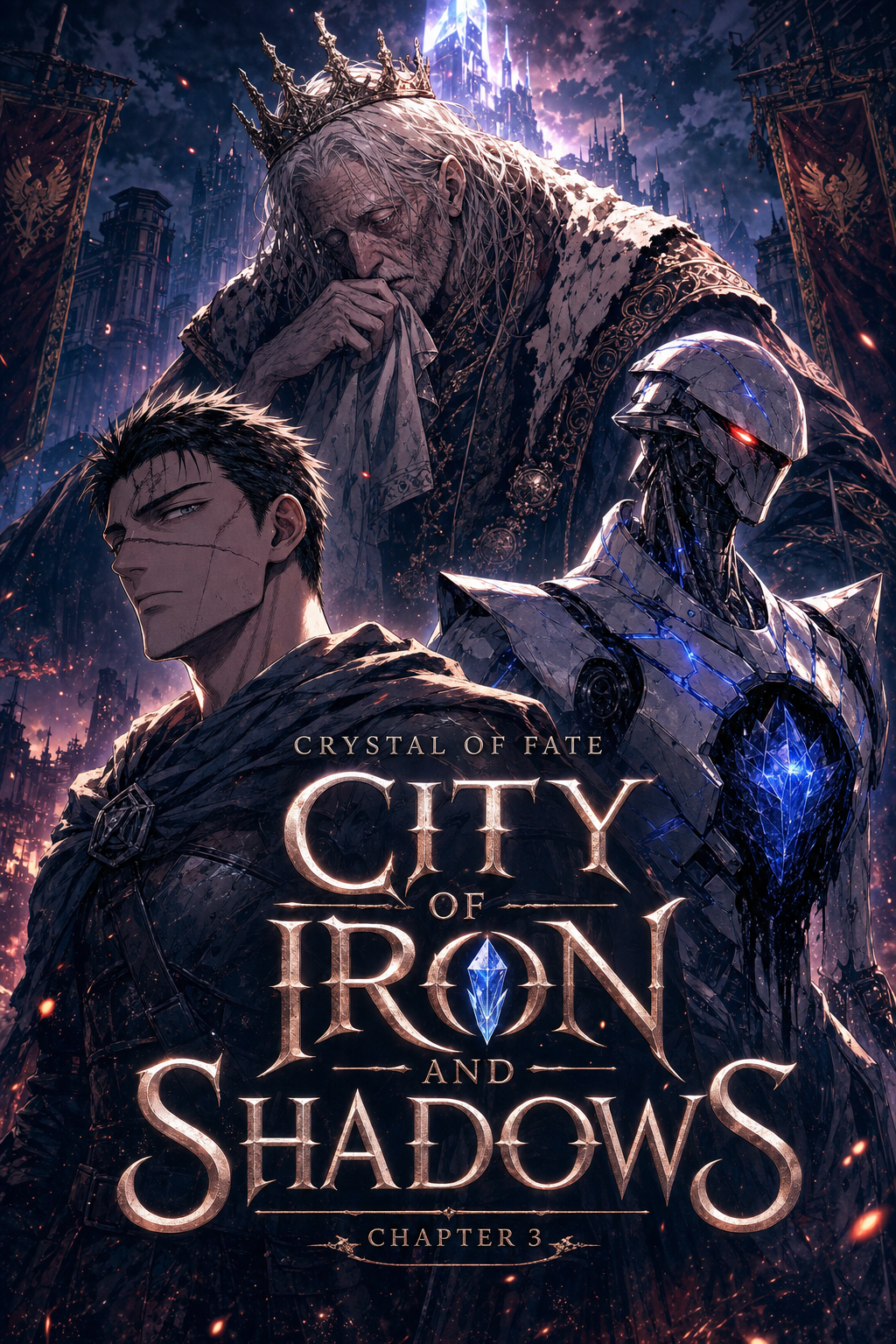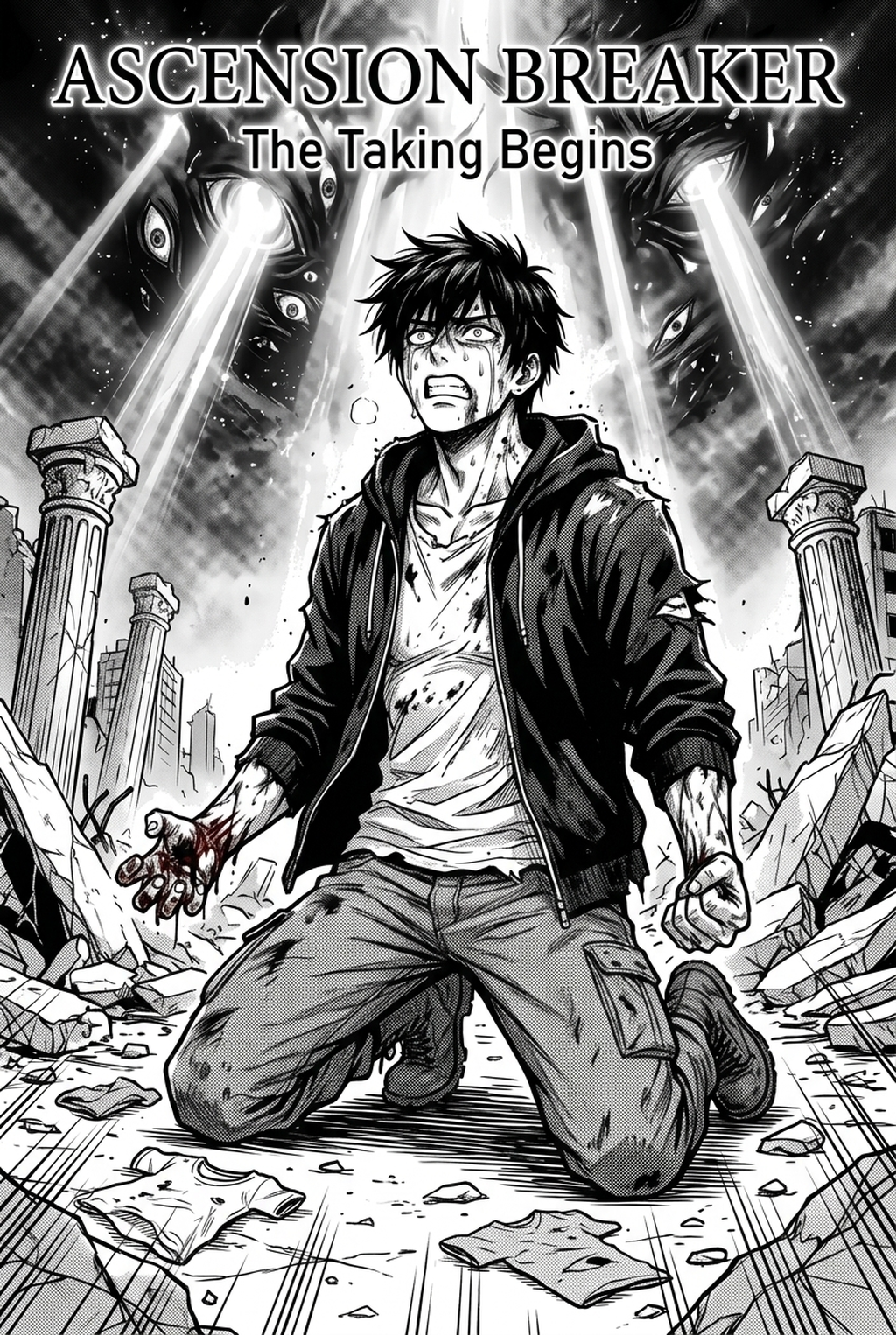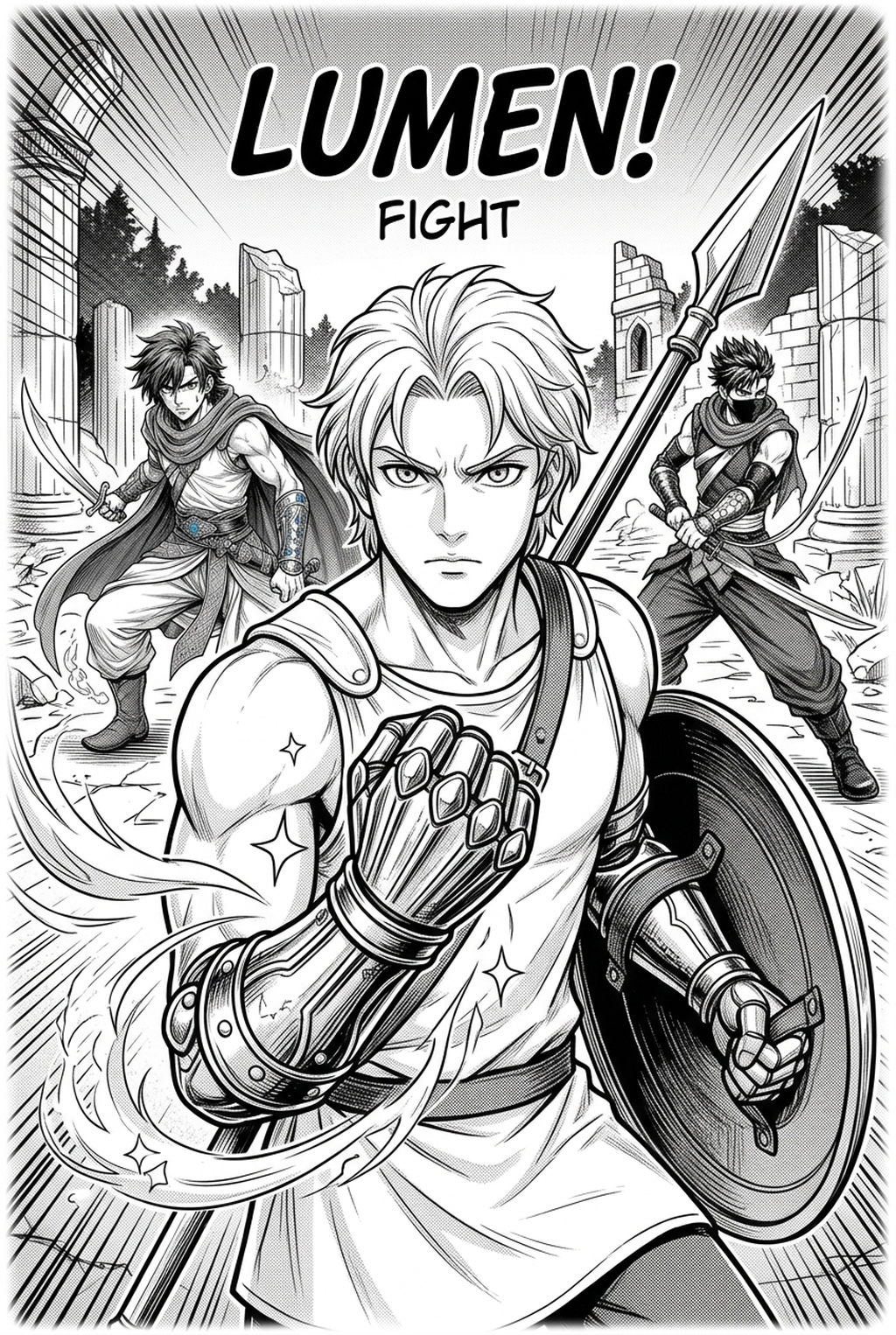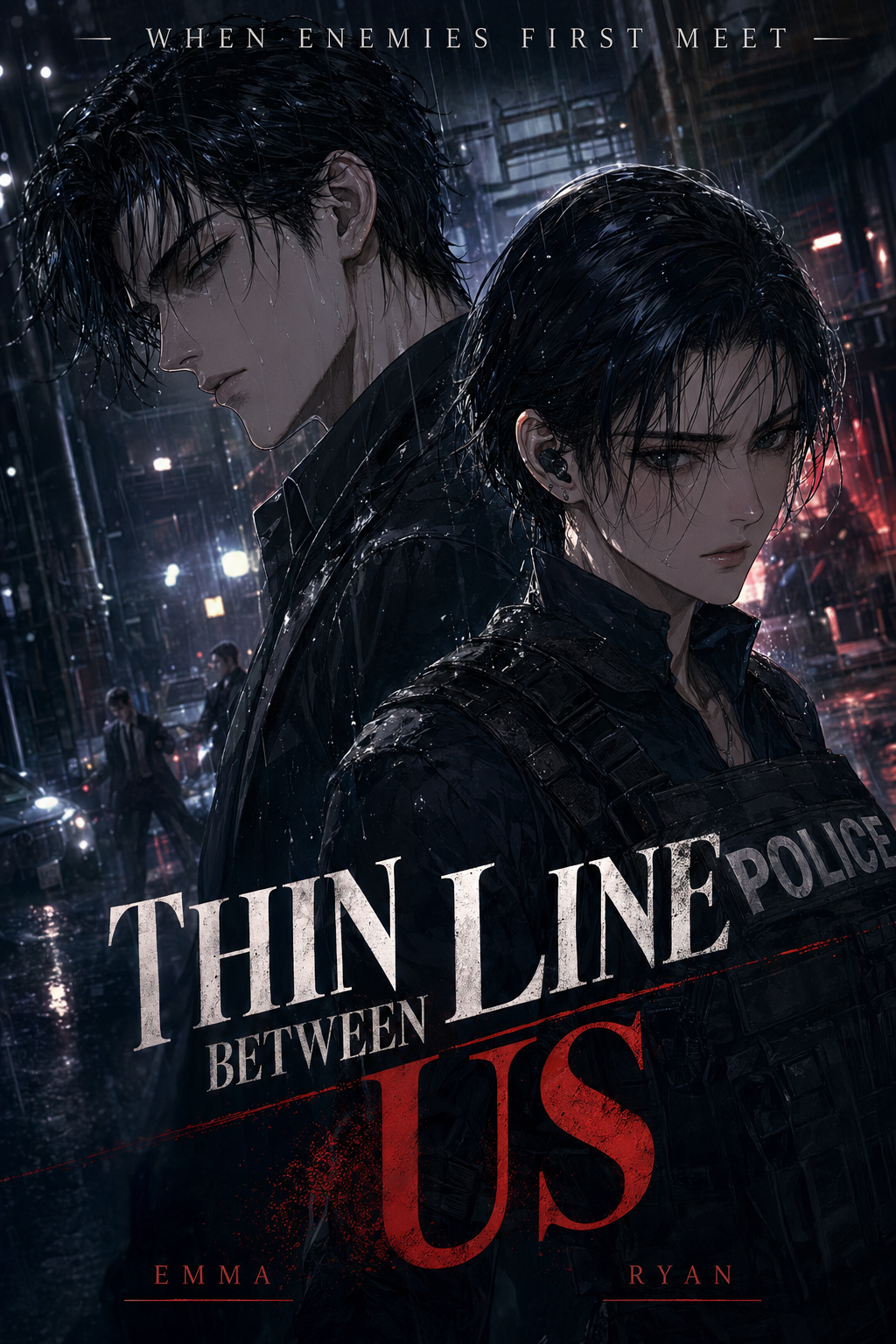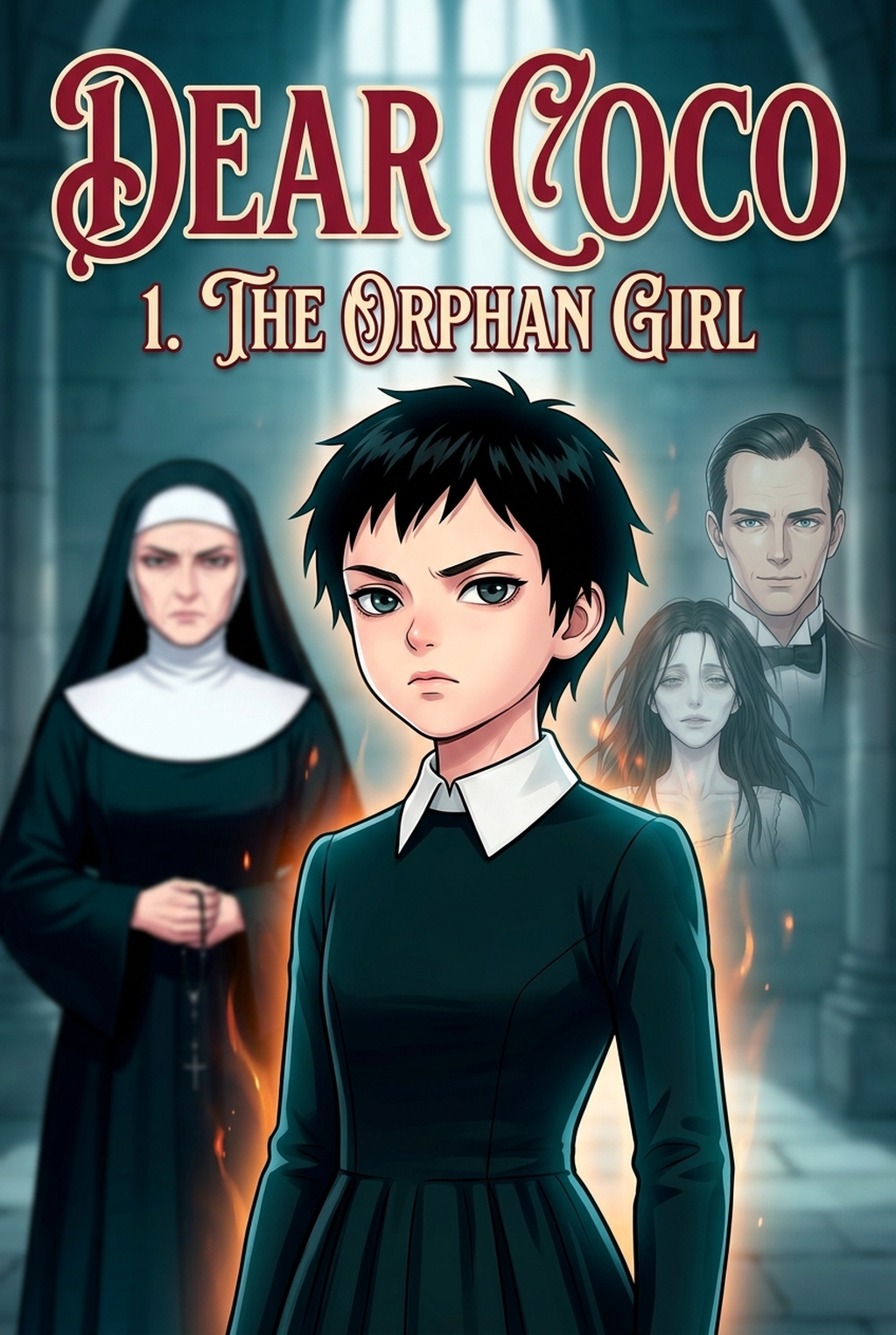
AI Manga Background Artist: Foundations of Visual Environmental Structure
Effective composition hinges on the Rule of Thirds and Leading Lines to guide the reader through the chaos of a fight or the intimacy of a quiet moment. By placing your primary character action along these invisible grids, you ensure the scene feels intentional rather than cluttered, balancing the density of the background against the white space of the page.
- Negative Space Control: Strategically leave open areas in your panels to prevent sensory overload, allowing the viewer to breathe between heavy action sequences. * Layering Planes: Build depth by clearly separating foreground, mid-ground, and background elements, which forces a 2D page to feel like a living, three-dimensional space. * Eye Tracking: Position structural elements like walls, fences, or natural foliage to funnel the reader's gaze toward the emotional epicenter of the panel.
Why Structural Planning Dictates Narrative Pacing
Strategically managed backgrounds govern the reader’s internal clock, shifting between rapid-fire action and slow, grounding drama. When a creator forces too much detail into a high-octane scene, it inadvertently drags down the pacing; conversely, overly simplistic backdrops in dramatic scenes fail to build the necessary emotional weight.
- Dynamic Perspective Shifts: Utilize forced perspective and Dutch angles to escalate tension in action panels, making the world seem to tilt or collapse around the characters during high-stakes combat. * Static Grounding: Use symmetrical, stable structures during slice-of-life dialogue to reassure the reader and emphasize the normalcy of a character’s environment. * Environmental Branding: Treat your recurring backgrounds as an anchor for world-building, ensuring that familiar landmarks become visual shorthand for the reader to identify location shifts instantly.
How AI Elevates Your Background Workflow
Mangaka automates the most time-consuming aspects of environmental drafting by generating precise architectural layouts from simple scene descriptions. By inputting your desired spatial requirements into the Manga background scene composition with Mangaka , you remove the need for manual construction of complex vanishing points, allowing you to focus your creative energy on character expression and dialogue placement.
The primary benefit of this approach is the total elimination of repetitive inking labor, which often leads to fatigue and stylistic inconsistency. By shifting the burden of structure to an automated assistant, you can ensure that every background maintains a cohesive aesthetic that aligns with your specific character line work.
- Fixed Perspective Consistency: Maintain perfect spatial alignment across dozens of panels by defining a core horizon line within the tool, preventing the common "perspective drift" that occurs when drawing environments by hand over long periods. * Automated Architectural Rendering: Let the engine handle the complex masonry, windows, or foliage details that would otherwise require hours of manual hatching and cross-hatching. * Seamless Integration: Import your AI-generated layouts directly into your preferred production software to overlay your character art, ensuring your final export remains a high-resolution, professional-grade page.
Real-World Scenarios for Background Application
Instead of hand-drawing the stalls and crowds for every frame, a creator generates 15 variations of the same marketplace from a single descriptive input, then adjusts the composition to fit the panel gutters. This process allows the artist to finish an inking session in four hours rather than twelve, while still producing high-contrast, atmospheric panels that perfectly capture the chaotic energy of the chase.
- Action Sequences: Favor high-contrast shadows and extreme angles to maximize the intensity of physical combat, using the background as a weapon of visual chaos. * Drama Focus: Use environmental storytelling by cluttering a background with personal items or subtle context clues that reflect the internal state of a character before a major plot turn. * Frame-within-a-frame: Utilize doorways, windows, or organic elements like overhanging branches to isolate characters in dialogue-heavy scenes, creating a sense of intimacy or claustrophobic isolation.
Beginning Your Production with Mangaka
To start integrating these tools into your workflow, you must first define your recurring style references to ensure the output matches your current inking. Start by applying a consistent horizon line across your scenes, as this is the most critical factor for maintaining spatial accuracy and reader immersion across multiple chapters.
- Maintaining Consistency: Always define a fixed vanishing point for your core locations, or rely on AI generation to keep the environment anchored when moving characters across different physical spaces. * Deepening Storytelling: Treat your backgrounds as a silent cast member; use them to communicate era, climate, or emotional climate in ways that text bubbles cannot reach. * Professional Adoption: High-output studios are increasingly adopting these workflows to manage the crushing demands of serialization, proving that automation is the new standard for competitive, high-quality production.
Creators should compare the generated line art with the original sketch and confirm that facial expressions, props, speed lines, and speech-bubble space still support the scene. A repeatable review pass should cover character consistency, panel readability, background clarity, and whether the final file is ready for coloring, lettering, or editor feedback.
Creators should save approved examples of line weight, face detail, clothing folds, and background density. Those references keep later chapters closer to the intended style. For collaboration, creators should mark which panels are final and which panels still need redraws. Clear status labels prevent an assistant, editor, or colorist from polishing the wrong version.
The Bottom Line
Mastering background composition is no longer about exhaustive manual drafting; it is about choosing the right tools to build an immersive world that supports your characters and plot. You can start generating professional environments for your next chapter by heading to the Manga background scene composition and optimizing your production workflow today.
Related articles
Start Your Manga Storyboard Today | AI-Powered Tool 2026
Manga Storyboard Guide: How to Plan Your Comic Layouts 2026
Drawing Manga Courtroom Scene Backgrounds: A 2026 Guide