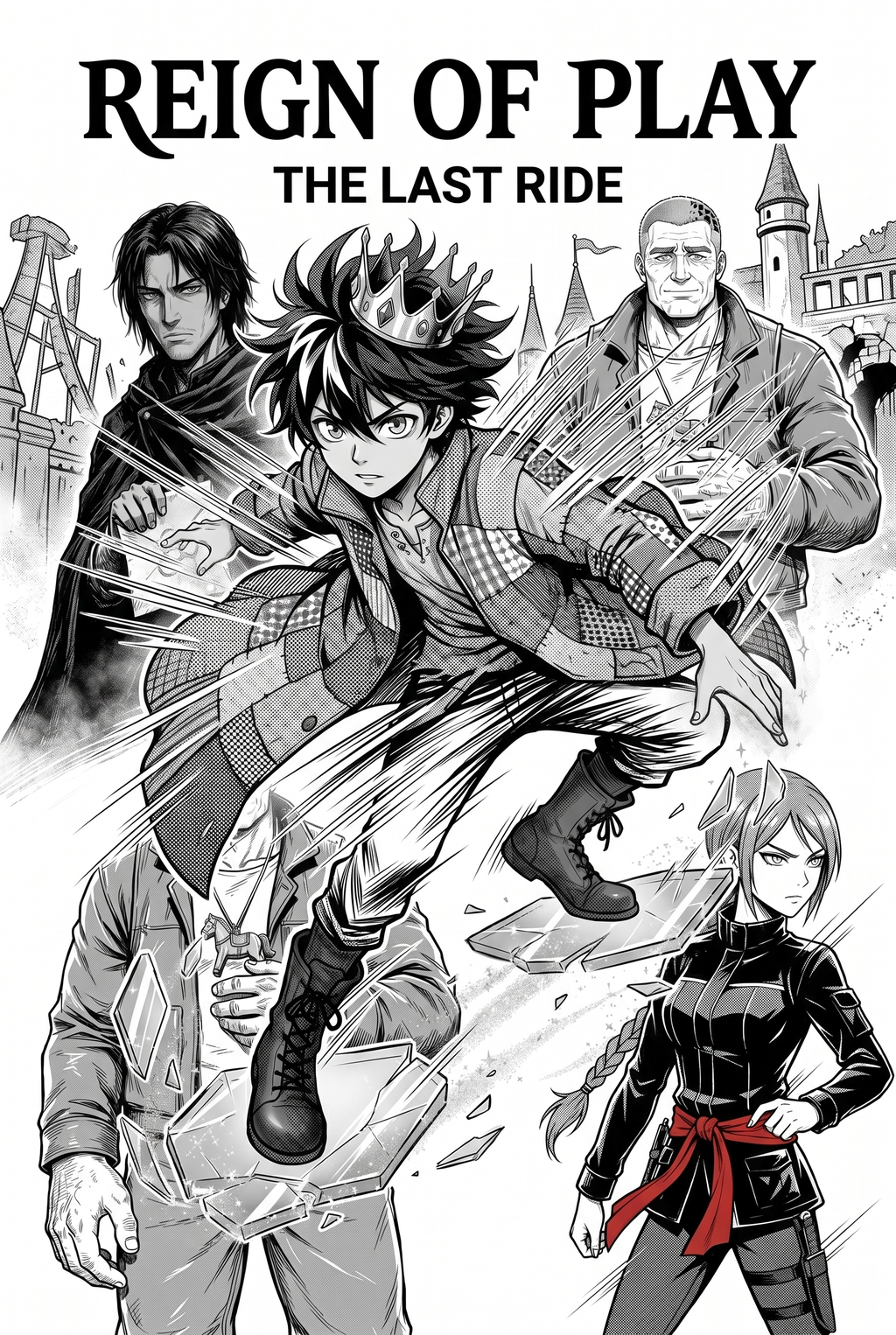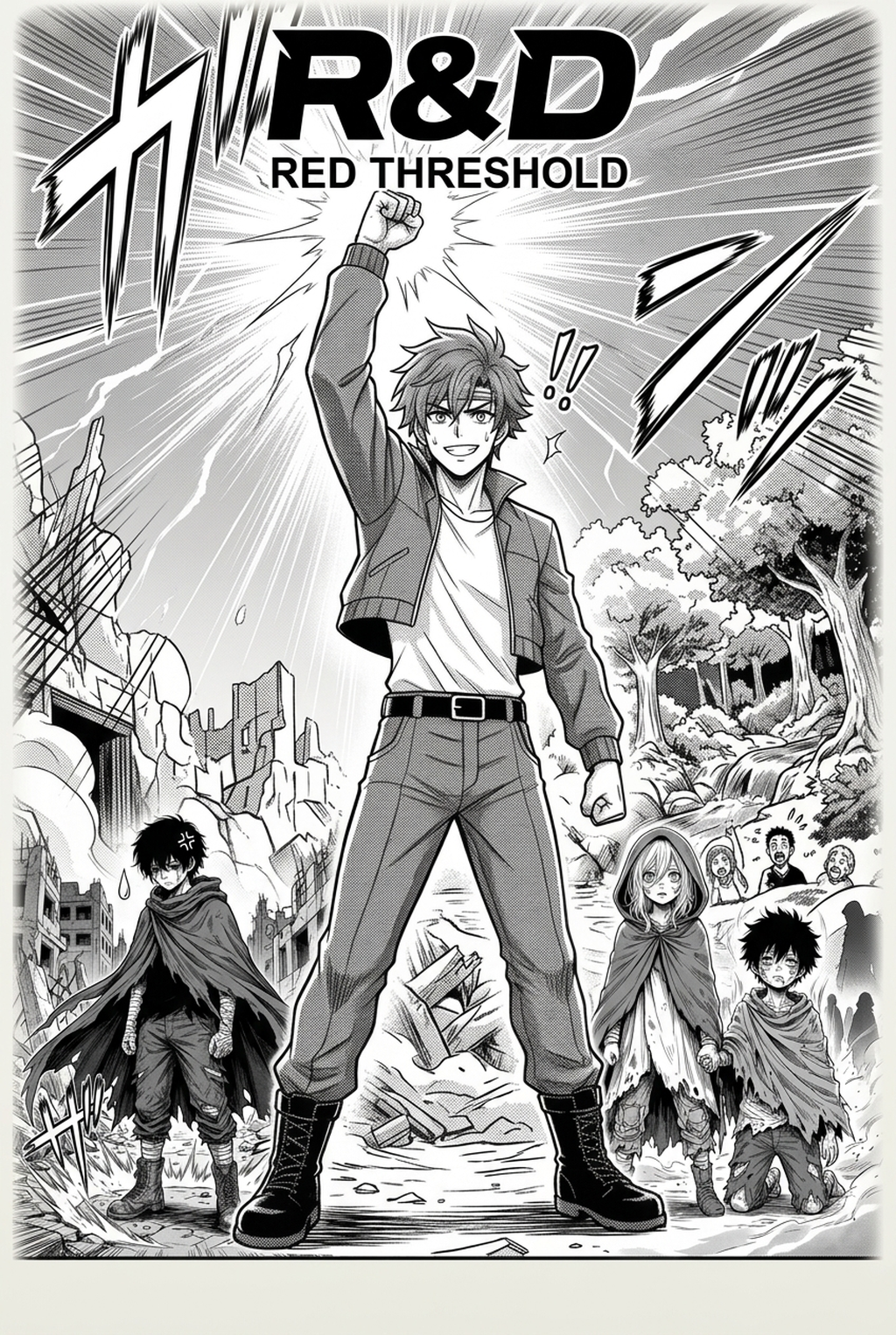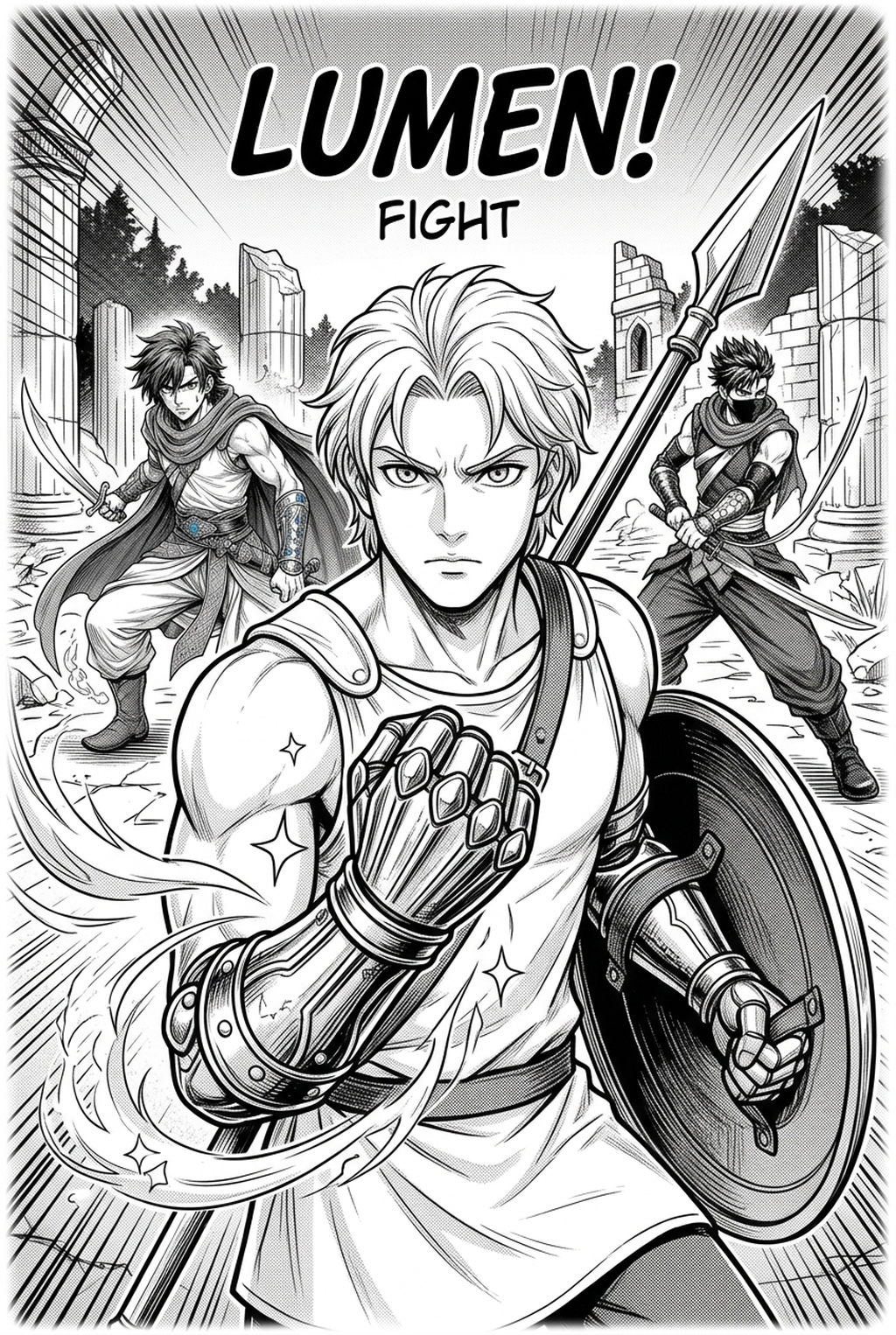
Defining AI Manga Background Artist and Spatial Intent
High-quality environmental art in comics relies on the geometric accuracy of vanishing points to establish a credible world for your characters to inhabit. Rather than acting as mere decoration, each background element serves as a narrative anchor, signaling shifts in time of day, location changes, or character isolation through the strategic use of foreground occlusion and atmospheric tone.
- Spatial Depth: Using layers to separate foreground objects from distant horizons prevents the "flatness" that ruins action-oriented panels. * Narrative Signaling: Dense, cluttered interiors can visually represent a character’s internal turmoil, whereas sparse, open vistas often denote relief or uncertainty. * Tone Application: Applying screen tones specifically to background architectural features allows you to push scenery into the background without compromising the clarity of character faces.
One controversial but essential design principle is the "40% Rule," where backgrounds should never consume more than 40% of the total visual data in a panel containing high-stakes action. If your scenery is too detailed, the reader’s eye will wander, losing the trajectory of a fight scene or the emotional beats of a quiet, dialogue-heavy page.
Why This Environmental Consistency Matters for Creators
Maintaining a library of reusable assets is the only way to scale production for long-form manga, as manual redrawing of every window frame or brick texture leads to inevitable errors in perspective and proportion. Consistent environmental details act as a visual shorthand for your audience, helping them maintain their orientation across chapters without needing to re-establish the location through repetitive expository panels.
- Structural Anchors: Using a Scene Anchor" reference sheet for key locations like a character's apartment or a school rooftop ensures that window placements and wall textures remain static across your entire series. * Asset Efficiency: For indie creators working alone, a central repository of pre-inked architectural styles eliminates the overhead of manual perspective drafting, allowing you to focus on line-weight consistency. * Professional Standards: Consistent environmental style signals to publishers and readers that the manga is produced with a coherent vision rather than through ad-hoc sketching.
How Your Production Workflow Integrates with Mangaka
Traditional inking requires manual perspective drafting, but modern creators are increasingly shifting to AI-assisted generation to match their unique signature style while maintaining physical grounding. By integrating Manga background scenery with Mangaka into your creative brief, you can offload the construction of complex vanishing points and foreshortening, ensuring that the generated scenery adheres to your established world-building rules.
Separating your background into distinct depth planes allows for non-destructive edits, meaning you can adjust the focus or blur of a background without re-inking your primary character lines. This separation prevents the "smudged inking" effect that often occurs when manual tones are applied to a single, flattened image layer.
The tool ensures that architectural features remain physically grounded by adhering to calculated vanishing points, which prevents the "floating wall" syndrome common in rushed hand-drawn perspectives. When you input a scene description, the system interprets the structural requirements of the panel, effectively automating the grid-matching process that usually takes hours of drafting time.
- Chapter cadence. Use the AI pass for pages where speed matters most, such as repeated action poses, transformation beats, or dense speed-line panels. Keep manual cleanup for hero panels where the line style defines the emotional peak.
- Character continuity. Compare the generated lines against the same model sheet, costume notes, and facial-expression range used during sketching. This prevents a fast inking pass from drifting away from the character identity readers recognize.
- Export readiness. Check whether the final manga output can move into lettering, coloring, or final layout without rebuilding panel borders or speech-bubble space. A good manga workflow should save time while keeping the next production step predictable.
Use Cases for Advanced Environmental Construction
Automated scenery generation is particularly useful for creators who need to generate diverse environments—from decaying urban alleyways to intricate high-fantasy cathedrals—without sacrificing the stylistic integrity of their line art. By offloading the heavy lifting of environmental construction to Manga background scenery , you can allocate significantly more time to the delicate art of refining character expressions and perfecting dialogue-heavy page layouts.
- Urban Cityscapes: Rapidly generate varying angles of a street-level city block to maintain continuity during a chase sequence. * Interior Spaces: Construct consistent room layouts, such as a classroom or office, that accommodate specific character interactions without needing to re-draw the furniture for every new page. * Genre-Specific Atmospherics: The AI adapts to the visual needs of the genre, ensuring that a gritty Seinen environment features heavy shadow contrast while a lighthearted Shonen background emphasizes clean, open lines.
- Before Export. Creators should compare the generated line art with the original sketch and confirm that facial expressions, props, speed lines, and speech-bubble space still support the scene. A repeatable review pass should cover character consistency, panel readability, background clarity, and whether the final file is ready for coloring, lettering, or editor feedback.
- For Longer Projects. Creators should save approved examples of line weight, face detail, clothing folds, and background density. Those references keep later chapters closer to the intended style. For collaboration, creators should mark which panels are final and which panels still need redraws. Clear status labels prevent an assistant, editor, or colorist from polishing the wrong version.
- For Publishing. Creators should review the page at the actual reading size before export. Small screens expose crowded dialogue, weak silhouettes, and line details that looked fine while zoomed in. For style control, creators should keep a short reference board beside the draft and compare hair shapes, eye details, costume folds, and texture choices before approving the final page.
The Bottom Line
Effective AI Manga Background Artist workflow strikes a balance between technical perspective accuracy and the atmospheric storytelling required to keep readers engaged. By embracing modern, AI-assisted tools like Mangaka, you can offload the time-intensive process of environmental construction and dedicate your creative energy to character expression and panel pacing. Start generating consistent, professional-grade environments for your next chapter by visiting Manga background scenery .
Related articles
Mastering Shonen Manga Storyboard Flow: A Creator's Guide
Mastering the Shoujo Manga Storyboard: A 2026 Guide
Manga Storyboard: A Blueprint for Visual Narrative Flow 2026