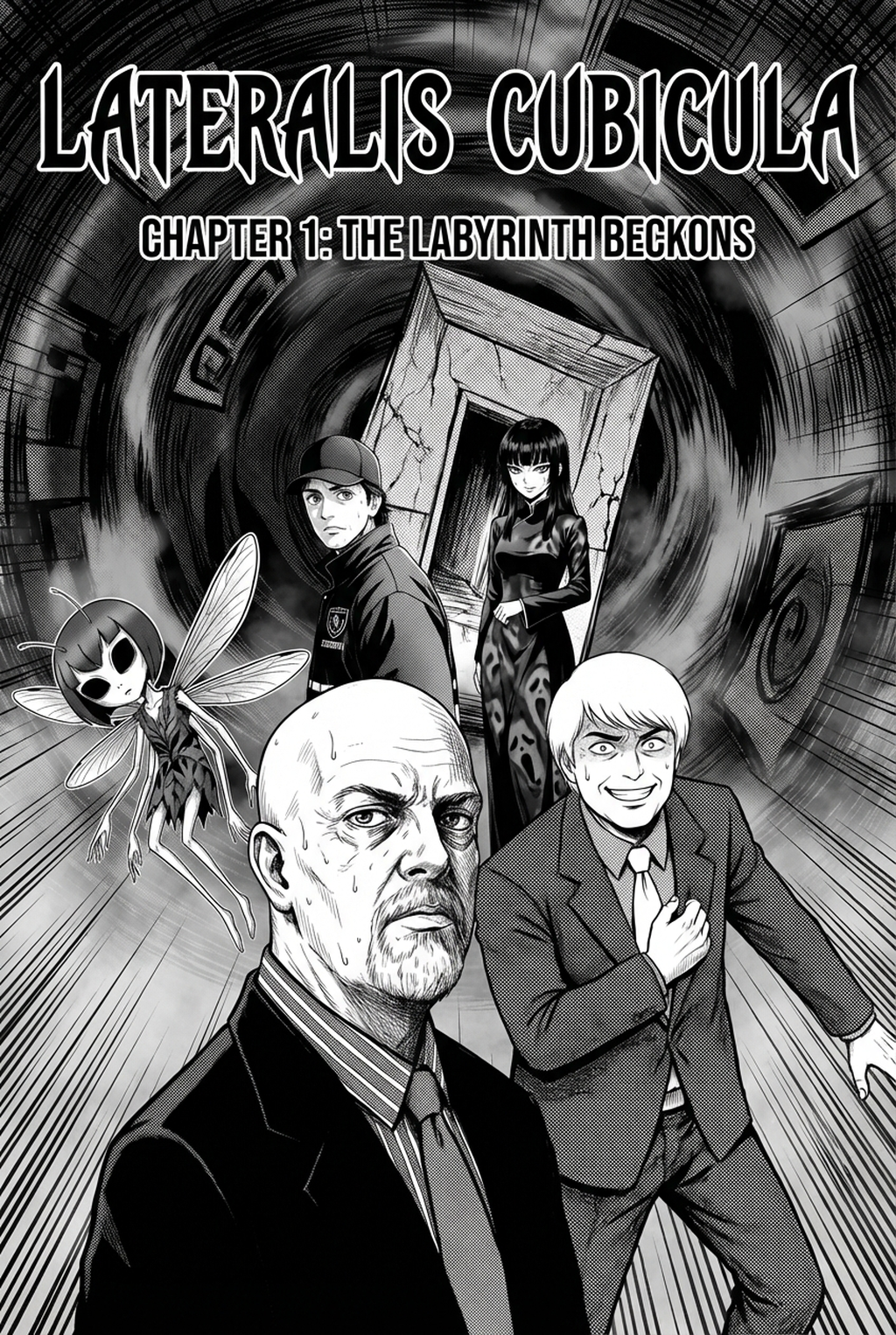
What Is Manga Storyboard Layout?
A manga storyboard layout acts as the structural blueprint for your narrative, governing how emotional weight shifts from one panel to the next. By manipulating gutters—the blank space between boxes—and employing the Z-pattern reading sequence, you dictate exactly when a reader accelerates through a sequence or pauses for a dramatic reveal.
Successful layouts hinge on the contrast between internal and external framing to define the scope of your scene. Establishing shots set the scale, while tight, intimate panels force the reader to focus on a character's internal conflict or a specific plot-critical object.
Check character consistency, panel readability, line quality, and export readiness before publishing. Creators should also record why the page passed review, which panel details still need manual cleanup, and which export format the next collaborator will use. That makes the subsection useful instead of leaving a short checklist under a large heading.
Varied panel density serves as the primary tool for controlling narrative tempo across a digital or print page. Overloading a page with too many small panels often leads to visual clutter, whereas intentional negative space around a single, full-page bleed enhances the gravity of a pivotal character moment.
Why AI Manga Storyboard Builder Matters for Manga Creators
The arrangement of your panels dictates the difference between a sluggish reading experience and a tightly paced, high-stakes narrative. If your sequences lack structural rhythm, you will find that readers struggle to parse action—a common failure mode where line-weight drift and chaotic panel overlaps obscure the choreography of a fight.
Consistency in your layout reinforces the tone of your work, whether you are aiming for the frantic, energy-heavy movement of a Shonen battle or the slow, psychological tension of Seinen noir. Misaligned panels often break the reading flow, leading to fatigue that causes creators to lose their audience before the story hits its climax.
Professional creators use the contrast between dense, overlapping action panels and open, atmospheric splashes to modulate the reader’s heartbeat. When you alternate between these extremes, you ground the narrative in a predictable yet exciting cadence that makes every major character beat feel earned.
How Manga Storyboard Layout Works with Mangaka
Creators leverage AI to establish a coherent composition, ensuring the initial layout respects traditional Japanese manga aesthetics while minimizing the friction of manual sketching. Instead of spending hours re-drawing panels to fix perspective errors, you can input your script beats to generate a structural map that preserves character consistency from the very first frame.
Automating the Structural Framework. AI-driven manga storyboard layout tools allow you to generate a robust layout that accounts for speech-bubble placement and gutter width. By automating this foundational step, you prevent the common issue of misaligned bubbles that often bleed into important line art, forcing you to delete and redo entire layers during your cleanup phase.
Modern AI builders enable you to manipulate panel dimensions in real-time, letting you test whether a wider cinematic frame better serves a specific dialogue exchange. This flexibility ensures that you can prioritize narrative flow—the actual "story" of the page—before committing to the time-intensive process of rendering final lines and tones.
Use Cases for AI Manga Storyboard Builder
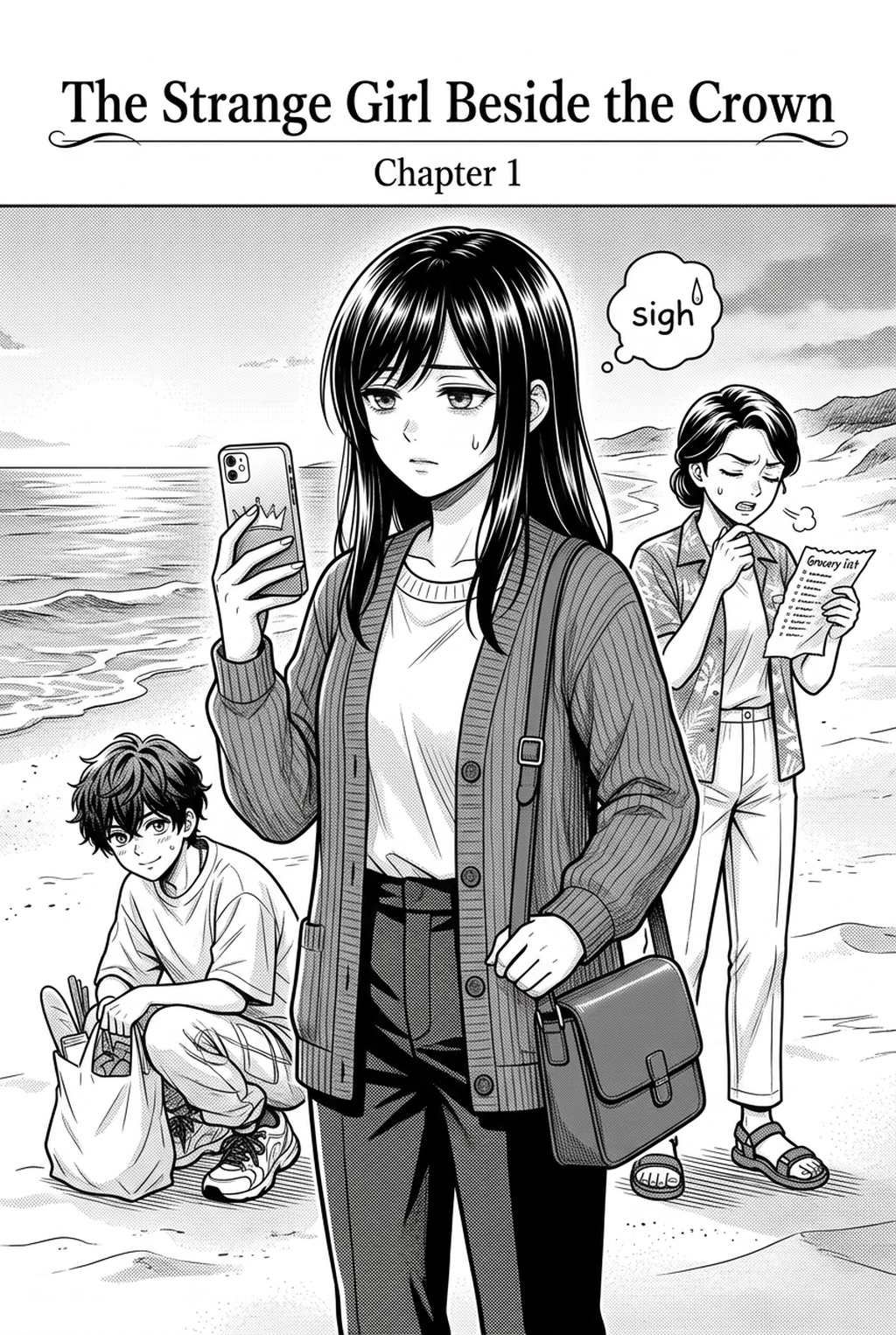
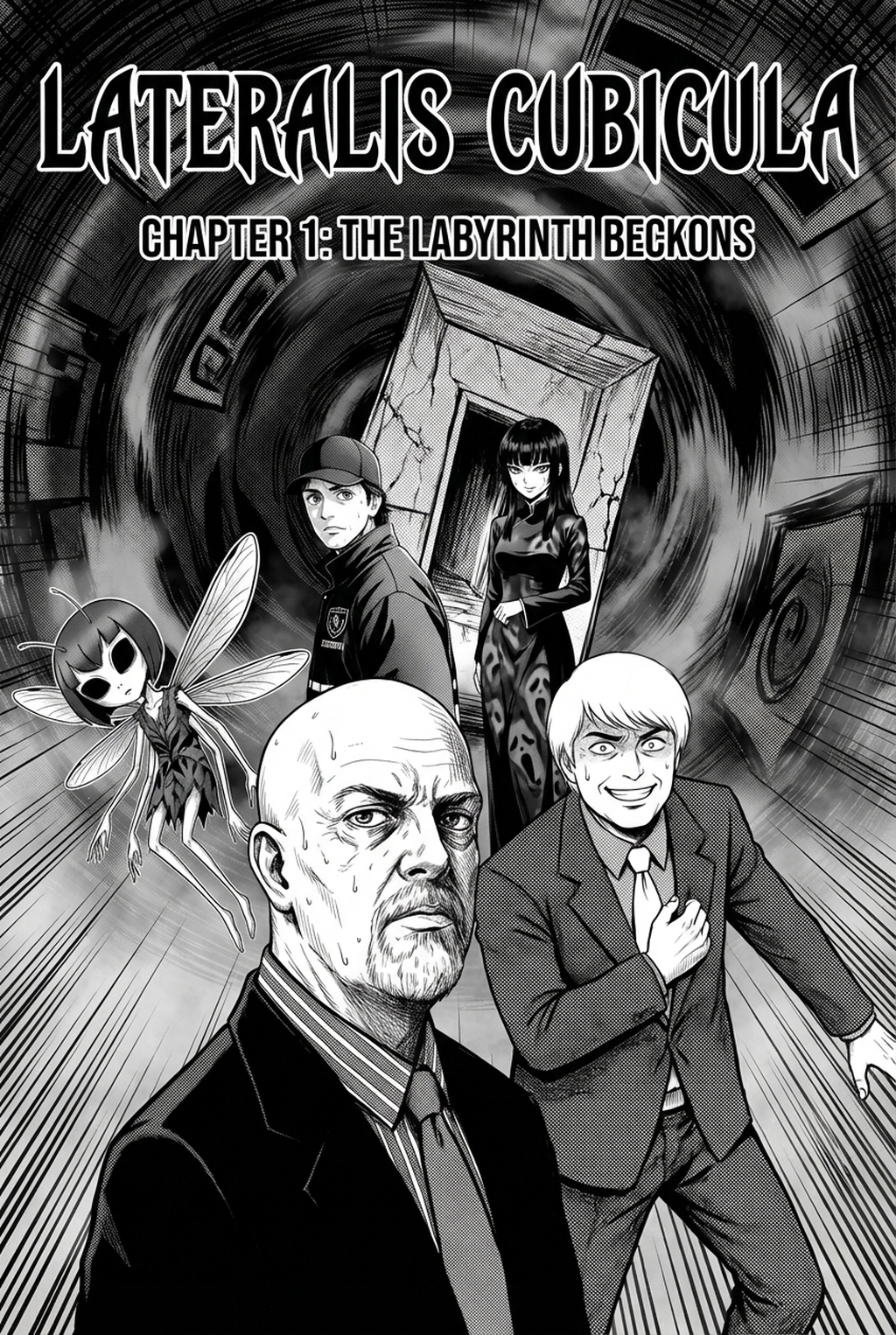
The choice of grid is often dictated by the specific requirements of your chosen genre, as different stories necessitate different levels of visual stability. A Seinen project typically requires a rigid, consistent grid to emphasize the grounded, gritty reality of the environment, whereas a Shonen title should break the grid frequently to show kinetic energy.
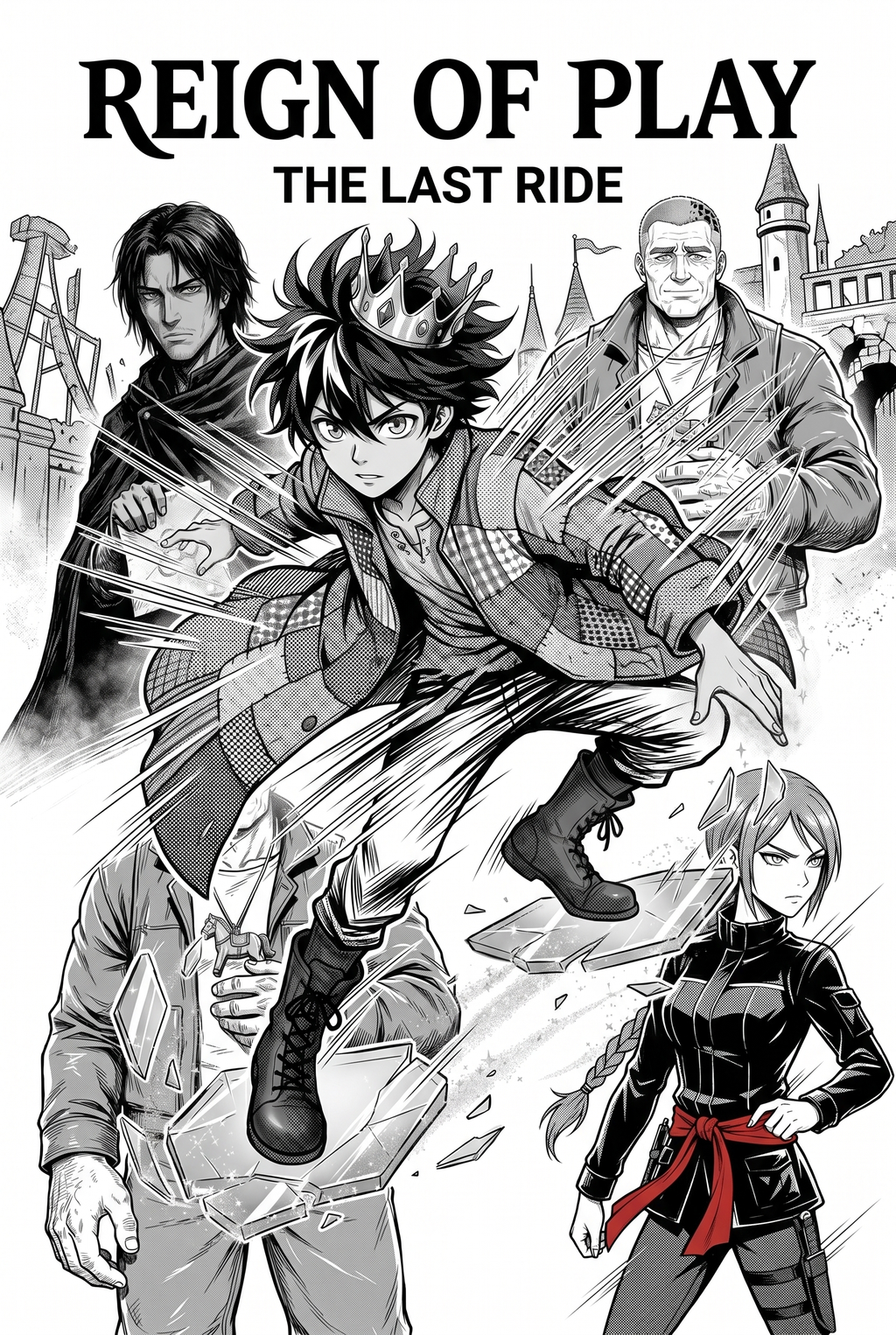
Shonen creators prioritize high-octane movement, often using diagonal gutters to force the eye to traverse the page faster. These dynamic bleeds pull the reader directly into the impact, making every strike feel like it is breaking the confines of the paper itself. Seinen works lean into uniform, structured panels to highlight psychological depth. By maintaining a clean, predictable grid, you draw attention to subtle facial expressions and complex, detailed backgrounds that might be lost in a chaotic or experimental layout.
How to Get Started with Mangaka
Transitioning your initial vision into a functional page requires distinguishing between the storyboarding phase and the final inking phase. While storyboard layout is about defining the narrative path, inking is strictly about refining those shapes into polished, readable line art that maintains character model integrity.
Once the AI provides an initial layout, you maintain total creative agency to modify panel dimensions and positions. If a particular frame feels too tight, you can shift the gutter or expand the bleed to give your characters more breathing room, ensuring the final export to PNG or PDF remains clean and professional.
This range allows enough room for essential dialogue without sacrificing the visual storytelling power of your art. Before export, creators should compare the generated line art with the original sketch and confirm that facial expressions, props, speed lines, and speech-bubble space still support the scene. A repeatable review pass should cover character consistency, panel readability, background clarity, and whether the final file is ready for coloring, lettering, or editor feedback.
The Bottom Line
Effective storyboard design is the primary vehicle for your story's emotional weight, separating amateur attempts from professional-grade narratives. By automating the technical constraints of panel arrangement, you can focus on pacing and character drama, ensuring that every page serves the broader arc. Start refining your visual composition today with the manga storyboard layout to give your next chapter the professional pacing it deserves.
Related articles
Create a Professional Manga Storyboard in Seconds | 2026
Understanding 4-Koma Manga: A Creator’S Guide for 2026
Manga Storyboard Guide: Master Your Pacing in 2026