AI Manga Character Designer: Anatomy and Mechanical Integration
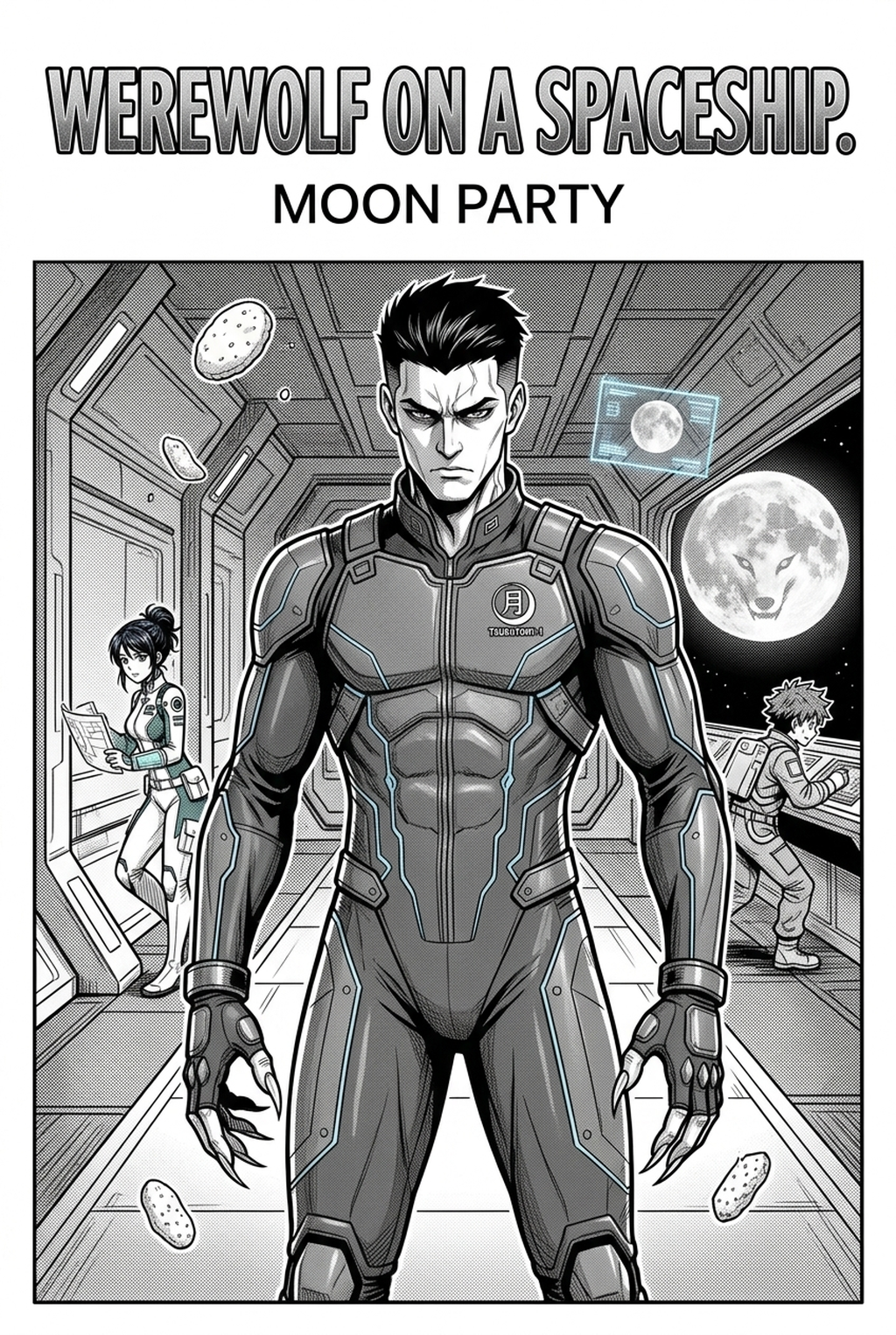
The fundamental aesthetic of a sci-fi character is forged in the tension between biological softness and the rigid, mathematical nature of hard-surface components. Effective design requires a deep understanding of how armor joints interact with organic musculature to prevent a character from appearing "stiff" or incorrectly proportioned during intense physical movement.
Visual storytelling in futuristic settings depends heavily on material shaders and color palettes that distinguish between civilian gear and combat-ready hardware. * Tactile Weathering: Apply heavy wear-and-tear textures to gear meant for long-term survival in harsh environments to convey a "lived-in" history. * Technological Status: Use neon-reactive shaders for energy-weapon holsters or interfaces to establish a hierarchy of tech levels within your universe. * Silhouette Utility: Prioritize dynamic, recognizable profiles for your protagonists so they remain identifiable even when masked by layers of heavy shielding or tactical helmets.
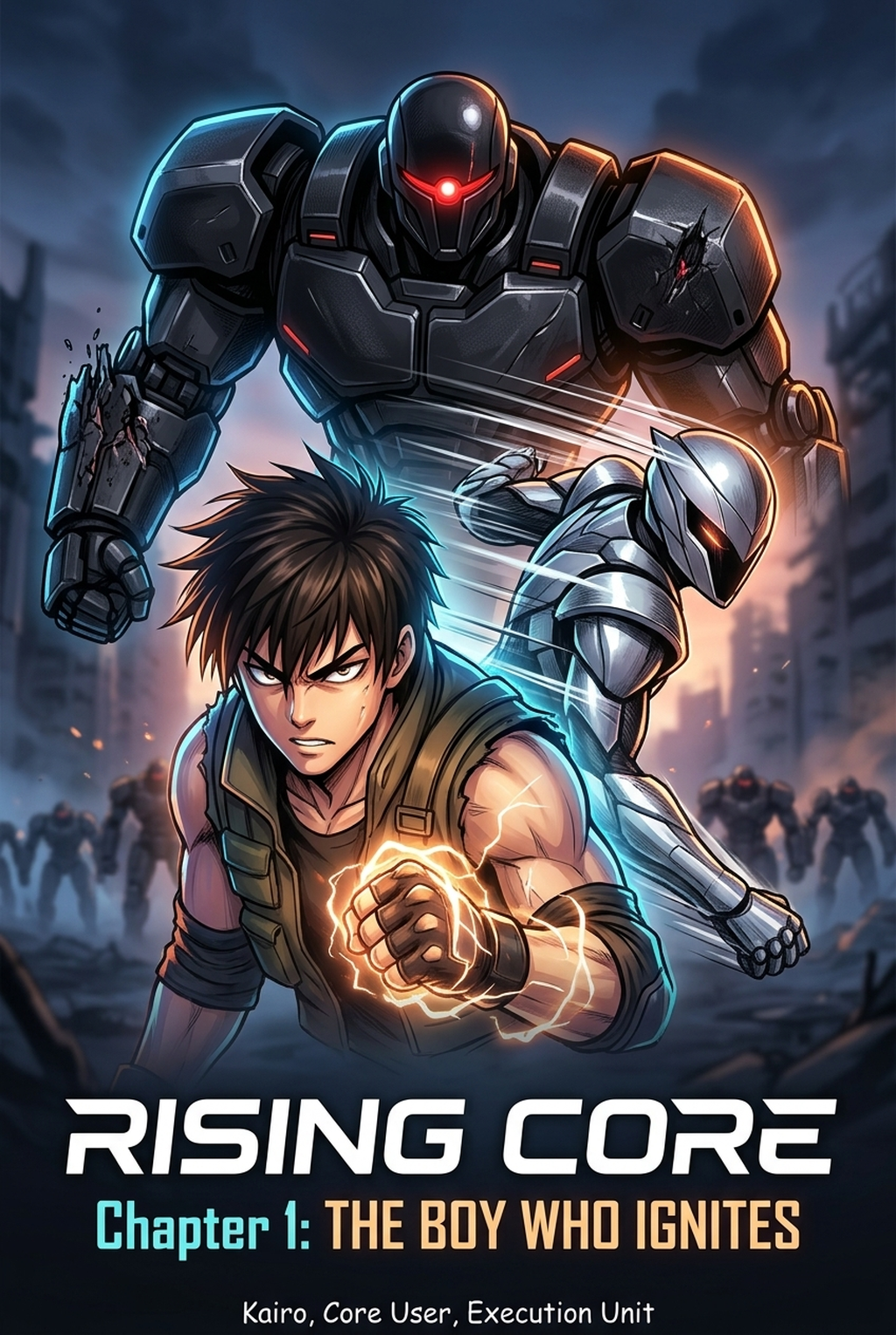
Your approach to hardware varies significantly based on the intended narrative tone of the manga. For Shonen-leaning titles, focus on expressive, oversized armor that highlights power and potential, allowing for larger-than-life silhouettes during combat. Conversely, Seinen-focused designs demand a more grounded approach, prioritizing functional design logic where every hinge, power-core placement, and hydraulic seal serves a clear, visible purpose in the character's survival.
Production Consistency for Creators
Consistency in mechanical detail is the most common failure point for creators producing long-form sci-fi content. Without a standardized source context for complex hardware like jet-packs or interface systems, small deviations in drawing style accumulate, leading to "character drift" that makes it impossible to maintain a professional look across dense, multi-page battle sequences.
Create comprehensive character reference sheets that act as the source of truth for your production. These sheets must include multiple viewing angles, exploded diagrams of high-tech weaponry, and close-ups of complex interface systems to serve as a constant manual for the artist during the drawing phase. Relying on these documents ensures that your technical designs remain identical whether you are rendering a character in a full-body static shot or a complex mid-battle perspective.
Technical Execution with Mangaka
Mangaka automates the rendering of intricate mechanical textures and repetitive patterns, allowing you to move past the tedium of hand-drawing every bolt and panel line. By leveraging generative AI to maintain strict design guardrails, you ensure that high-tech armor or cybernetic overlays remain identical even when the perspective demands complex, non-standard viewing angles.
The Mangaka engine empowers you to input specific stylistic modifiers that dictate how your tech looks on the page, ensuring that your characters strictly adhere to the established visual vernacular of your manga's specific universe. This prevents the AI-generic" look by anchoring the output to your own established character seeds. When you generate a new panel, the tool analyzes your baseline reference to ensure the line weight and mechanical density match your existing style perfectly.
Consider a 20-page chapter where your lead character, Pilot X, undergoes an armor repair sequence. You start by inputting your baseline character seed into the sci-fi manga character design with Mangaka to generate 15 variations of the character’s torso under different stages of repair. By setting a specific "maintenance state" modifier, you obtain high-fidelity PNG assets that show exposed internal wiring and recessed power cells. You then export these files as 300dpi PSD layers, allowing you to ink over the precise mechanical structure while keeping the core silhouette of the armor perfectly aligned with the previous ten chapters.
Design Use Cases for Futurism
High-quality character sheets are more than just reference art; they are functional components of your production production process. Effective documentation must facilitate easy access during the drafting phase, allowing for quick internal hardware logic checks whenever a design question arises.
- Exploded Hardware Views: Detail the internal components of energy-weapon holsters to ensure they are drawn correctly during rapid-fire scenes. * Interface Overlays: Map out the placement of HUD elements or control buttons that appear on the character's armor to maintain consistency in panel layouts. * Repair States: Include visual records of what happens when the gear breaks, showing the underlying synthetic muscle or skeleton, which adds layers of narrative depth to the tech design.
Launching Your Sci-Fi Project
Addressing the complexity of biomechanical designs is manageable when you stop treating every panel as a new drawing challenge. Instead, view your character as a library of snapshots that serve as the visual baseline for all your production needs. You do not need advanced mechanical drawing skills to execute high-tech characters. AI tools lower the barrier to entry by handling the technical rendering of textures, lighting, and complex perspectives. This lets you focus entirely on the character's "soul," personality, and narrative development, rather than spending hours worrying about the perspective alignment of a bionic joint.
If you struggle with maintaining intricate armor details throughout your series, utilize "design seeds" as your primary anchor. By treating these seeds as your master production file, you ensure that every panel remains on-model. If a particular piece of gear requires a change due to a story update, you simply update the seed, and the AI maintains the new, consistent version throughout your ongoing work.
The Bottom Line
Mastering sci-fi character design is ultimately about balancing high-tech complexity with the reliable, consistent rendering that keeps readers focused on your story. By integrating specialized tools into your workflow, you can stop fighting against mechanical repetition and start focusing on the narrative depth that makes your manga successful. You can sci-fi manga character design today to ensure your future world remains consistent and professional.
Related articles
Designing a Fantasy Courtroom: A Manga Background Guide 2026
Mastering the Castlevania Art Style for Modern Manga 2026
Persona 4 Character Design: Mastering the JRPG Aesthetic