AI Manga Character Designer: Elements of the JRPG Visual Style
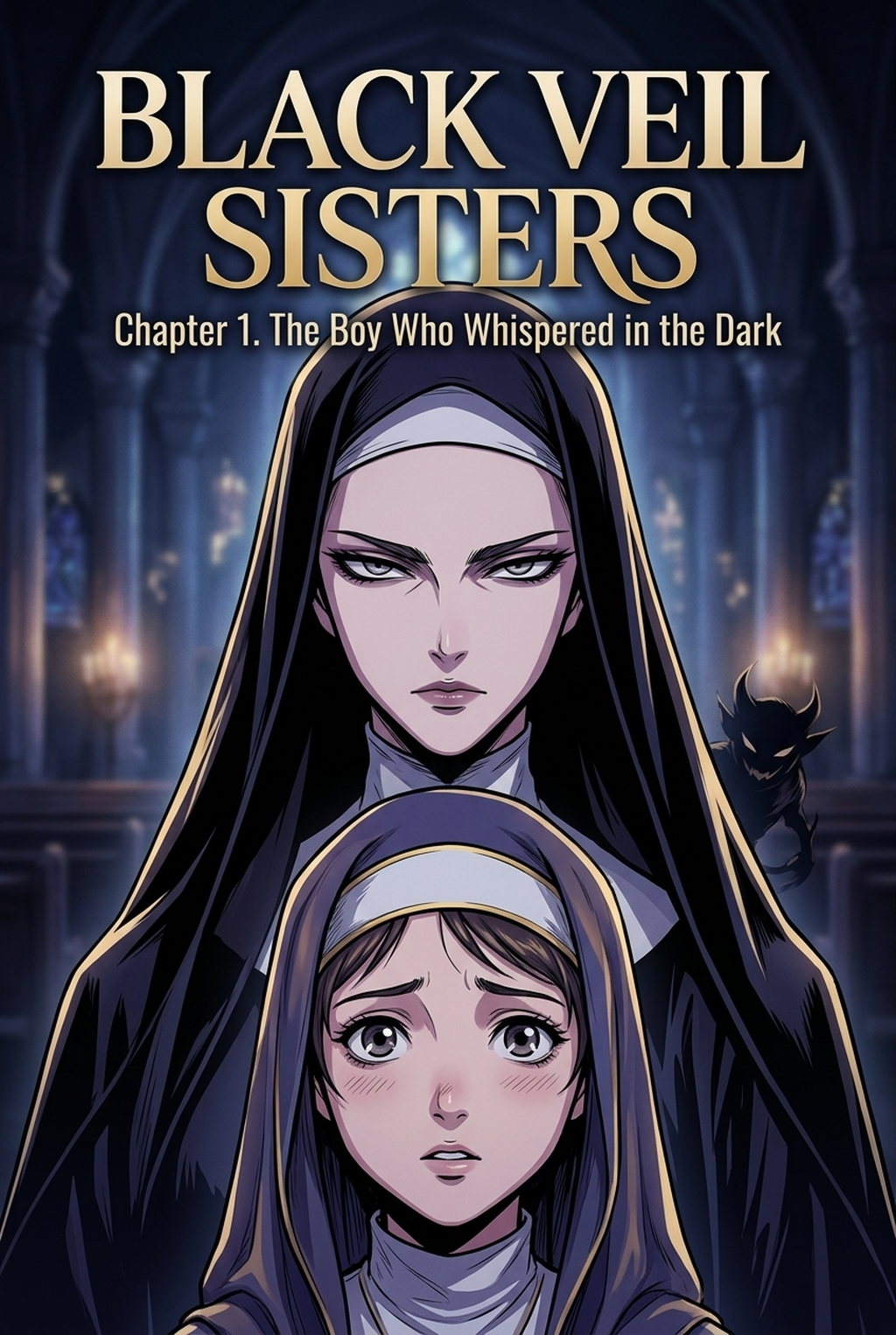
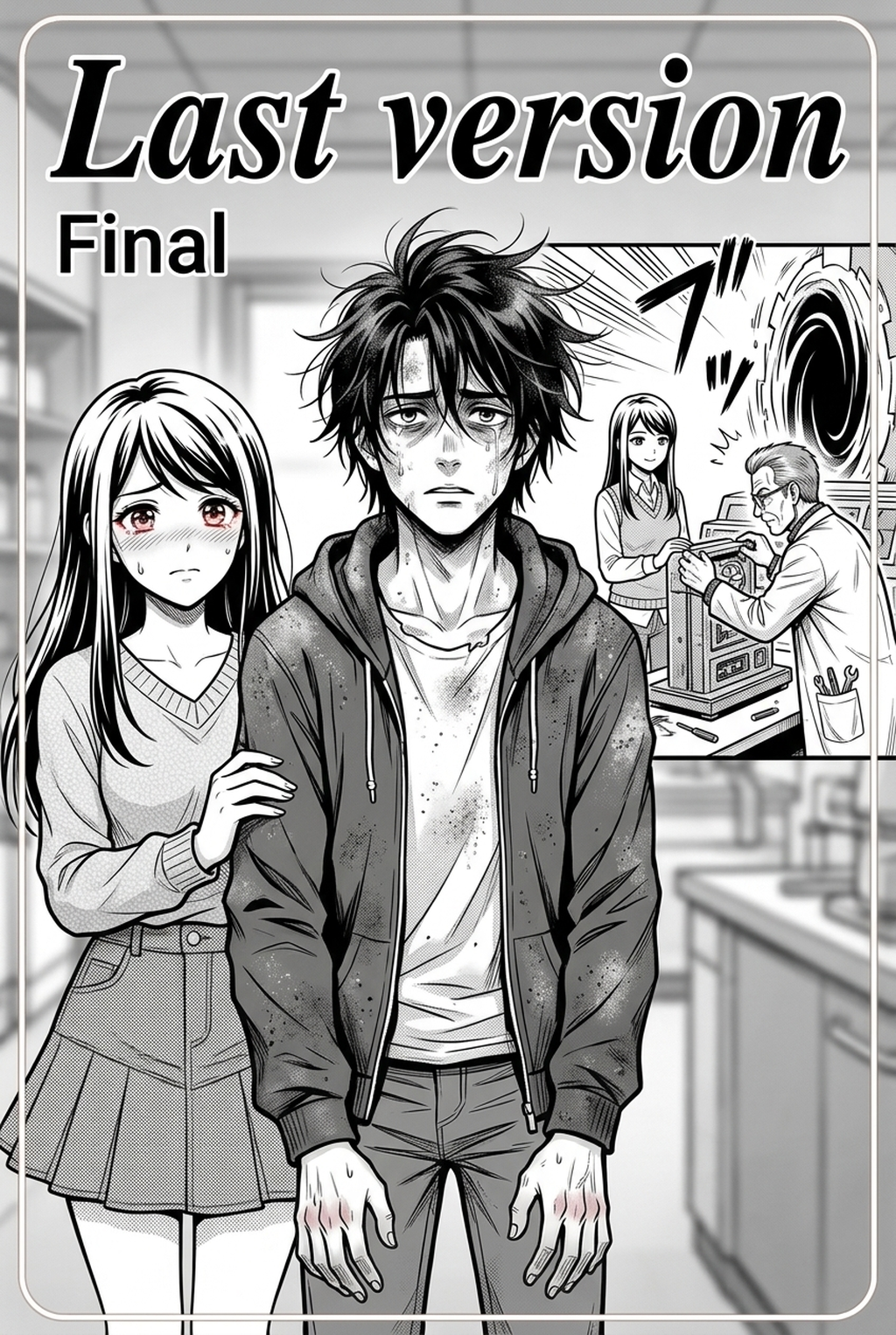
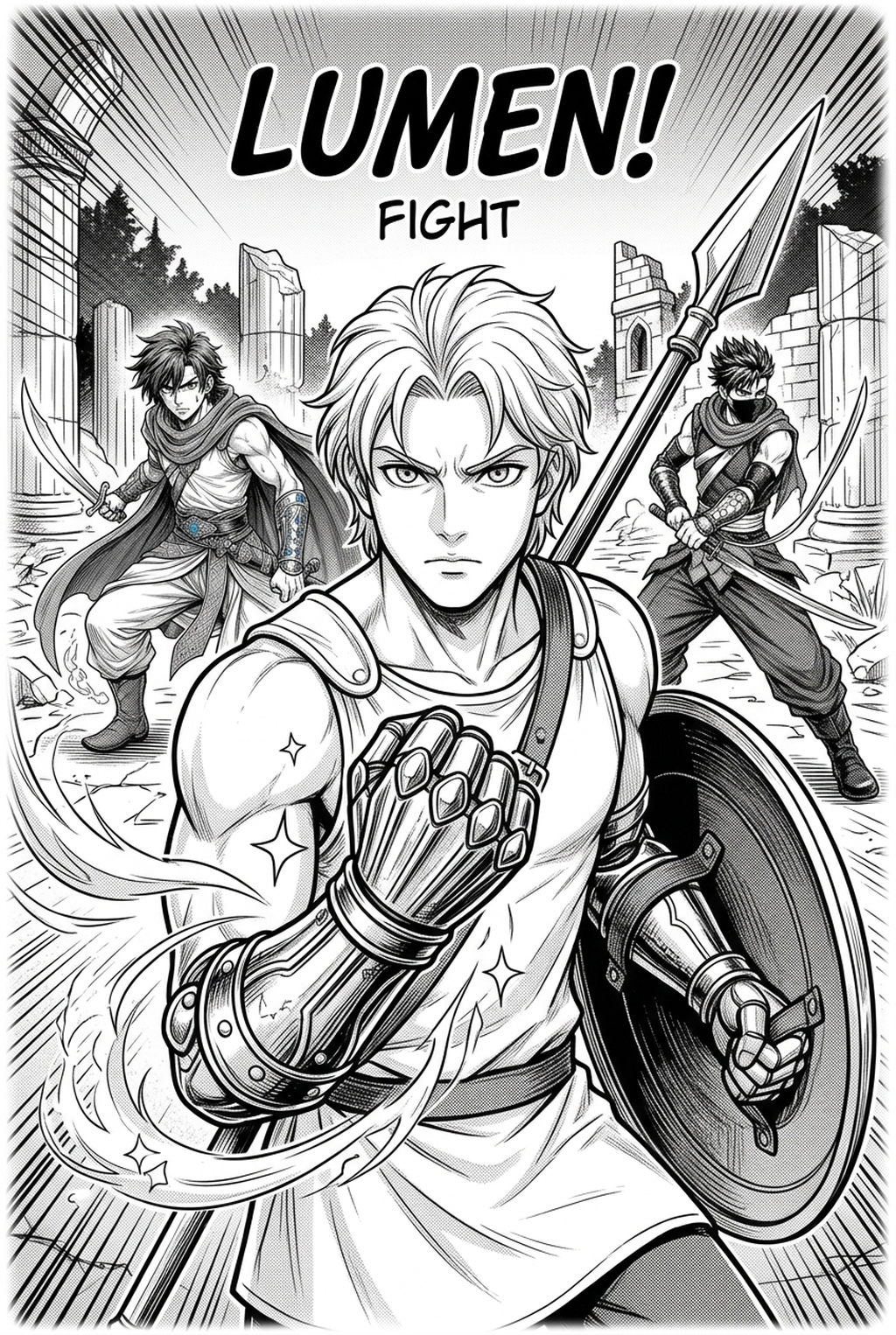
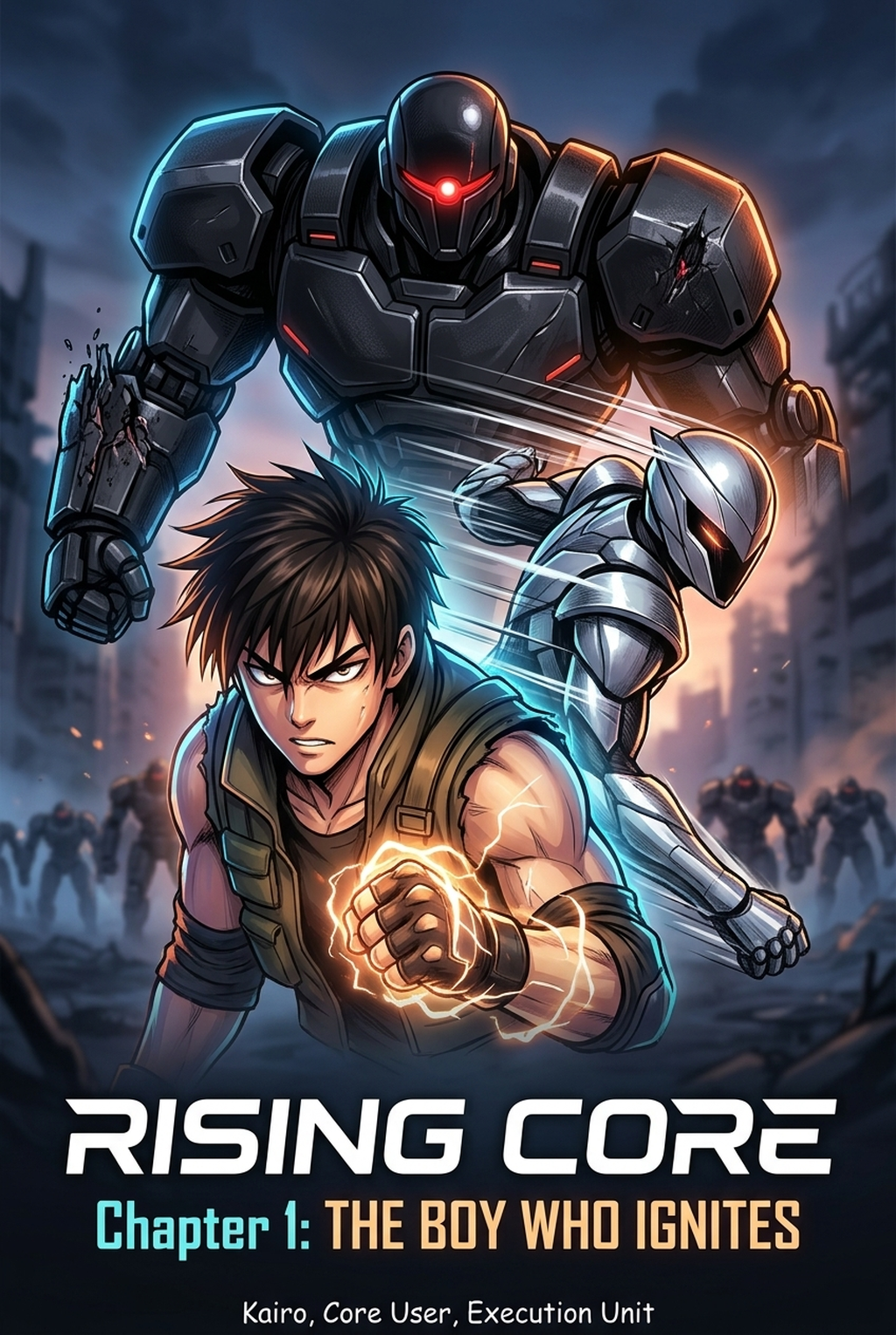
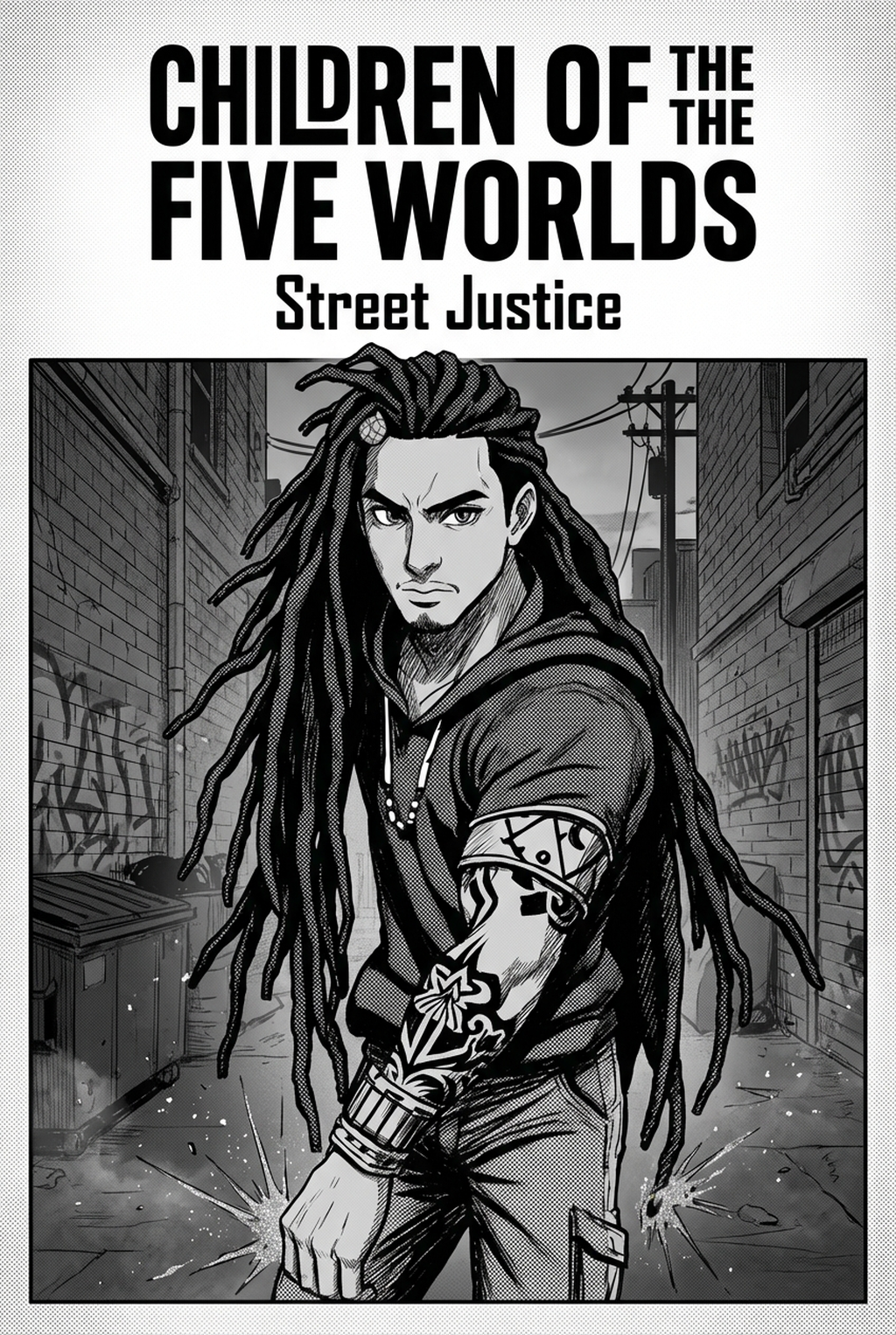
The signature aesthetic relies on thick, defined outlines and deliberate 'cel-shaded' color blocking to create immediate high visual impact. Unlike soft-shaded styles that hide structure, this approach uses sharp geometric shadows to define form, making characters appear tactile and ready for action.
Designers prioritize distinct, fashion-inspired outfits that serve as shorthand for character personalities in both game and manga formats. By utilizing specific clothing items—like iconic yellow scarves, layered oversized blazers, or branded sneakers—you create a silhouette that remains instantly recognizable even when the character is placed in long shots or busy, low-contrast urban environments.
Consistency is achieved through a rigid, color-coding system that ties individual character traits to their primary and secondary color palettes. If a character’s primary identifier is a specific shade of "electric yellow," that hue must remain constant across every page, from day-lit school scenes to high-intensity dungeon combat, regardless of the ambient lighting intensity.
Why This Design Style Matters for Manga
Effective character design requires creating 'readability'—ensuring characters are instantly recognizable regardless of their pose or framing within a page. When your readers scan a panel, the character’s specific silhouette must function as a visual anchor before they even engage with the speech bubbles or background details.
Balance modern street-wear influences with traditional manga proportions to maintain a timeless, contemporary look. Over-reliance on hyper-realistic folds can muddy your ink lines, whereas simplifying street-wear into a "symbolic" version of a garment—where the bold shape of a hoodie or skirt is prioritized—ensures the character pops against the background.
Incorporating 'environmental color-echoing' ensures the character stays grounded in your narrative world. This involves shifting the character’s base palette slightly to reflect the tone of the scene; for example, shifting from cool, flat blues in a somber, indoor dialogue panel to warmer, high-contrast hues when the narrative intensity spikes during an action sequence.
Integrating AI into Your JRPG Workflow
Mangaka acts as a creative assistant that maintains the 'model sheet' integrity, ensuring your character’s features remain identical across multiple panels. By locking in a base model sheet, you stop the common problem of eyes shifting in size or nose-bridge structure altering between a close-up and a wide-angle action shot.
Users can input specific design parameters to replicate the bold, high-contrast style of JRPG character artists without manual redrawing. You can dictate the specific line-weight values, ensuring that your contours remain heavy and consistent, which is crucial for preventing the "sketchy" look that often plagues rapid digital ink-work.
- Layering Logic: Specify the order of garments in your creative brief, such as "hoodie over button-down," to ensure the AI correctly stacks clothing elements. * Accessory Locking: Identify 3-4 defining visual traits like "chunky silver chain" or "patterned school socks" as anchor points that the AI must never omit. * Palette Enforcement: Explicitly define your color-coding system in the generation parameters to keep the character's primary and secondary hues within a strict, predefined range.
Practical Use Cases for Design
The most efficient workflows start with defining the 'character core'—the 3-4 defining visual traits—before moving into scene generation. If you define your character as "the energetic protagonist with a yellow scarf and thick-soled boots" at the start, every generated panel will inherit these anchors, preventing the need for massive file cleanup later.
Utilize AI-assisted inking to maintain those thick, clean, and bold outlines that characterize the Persona 4 look. This step acts as your digital inking pass, ensuring that every edge is sharp enough to be legible at standard 300 DPI print resolutions or when compressed for mobile reading.
Developing a 'Style Reference Sheet' within your project workspace ensures your AI-generated panels maintain the correct lighting and shadow density consistently. If you decide that shadow intensity should be at a 70% opacity with hard edges, storing this as a style reference prevents the "shadow drift" that makes character shading look incoherent from one page to the next.
Getting Started with Consistent Design
Can I use the tool to generate characters in a specific style? Yes, by providing descriptive creative briefs about the silhouette, color scheme, and fashion style, Persona 4 character design with Mangaka helps you iterate on that specific aesthetic quickly.
Does this design style work for all manga genres? While highly effective for urban fantasy or youth-focused slice-of-life manga, the core principles of color balance and silhouette work across almost any visual storytelling format. How do I keep my characters from looking different on every page? By using built-in consistent generation features, you can lock your design specs and ensure the AI references your base model sheet for every panel you generate.
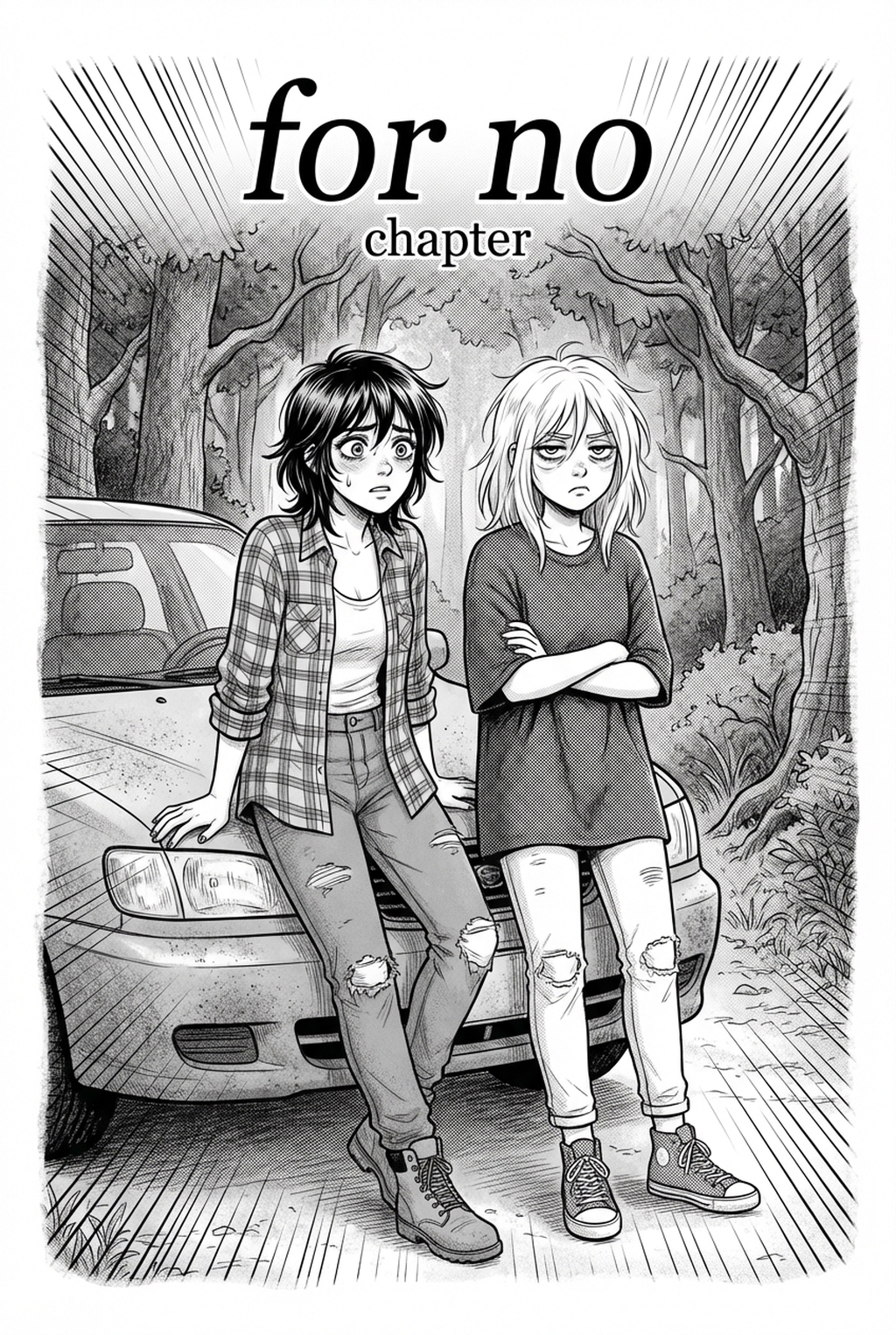
Creators should compare the generated line art with the original sketch and confirm that facial expressions, props, speed lines, and speech-bubble space still support the scene. A repeatable review pass should cover character consistency, panel readability, background clarity, and whether the final file is ready for coloring, lettering, or editor feedback.
The Bottom Line
AI Manga Character Designer workflow is a powerful study in contrast and fashion-forward storytelling that can elevate the visual quality of any indie manga project. By utilizing AI tools like Persona 4 character design to handle the technical execution of consistent silhouettes and styling, you can focus more on the narrative beats of your stories. Start your design process by defining your character's visual shorthand and use the platform to maintain that look throughout your entire manga project.
Related articles
Mastering Fairy Tale Manga Character Design for 2026 Hits
Bride of the Barrier Master Character Design Guide 2026
Mastering the Villainess Manga Art Style: A 2026 Guide