AI Manga Character Designer: Aesthetic Foundations in Character Styling
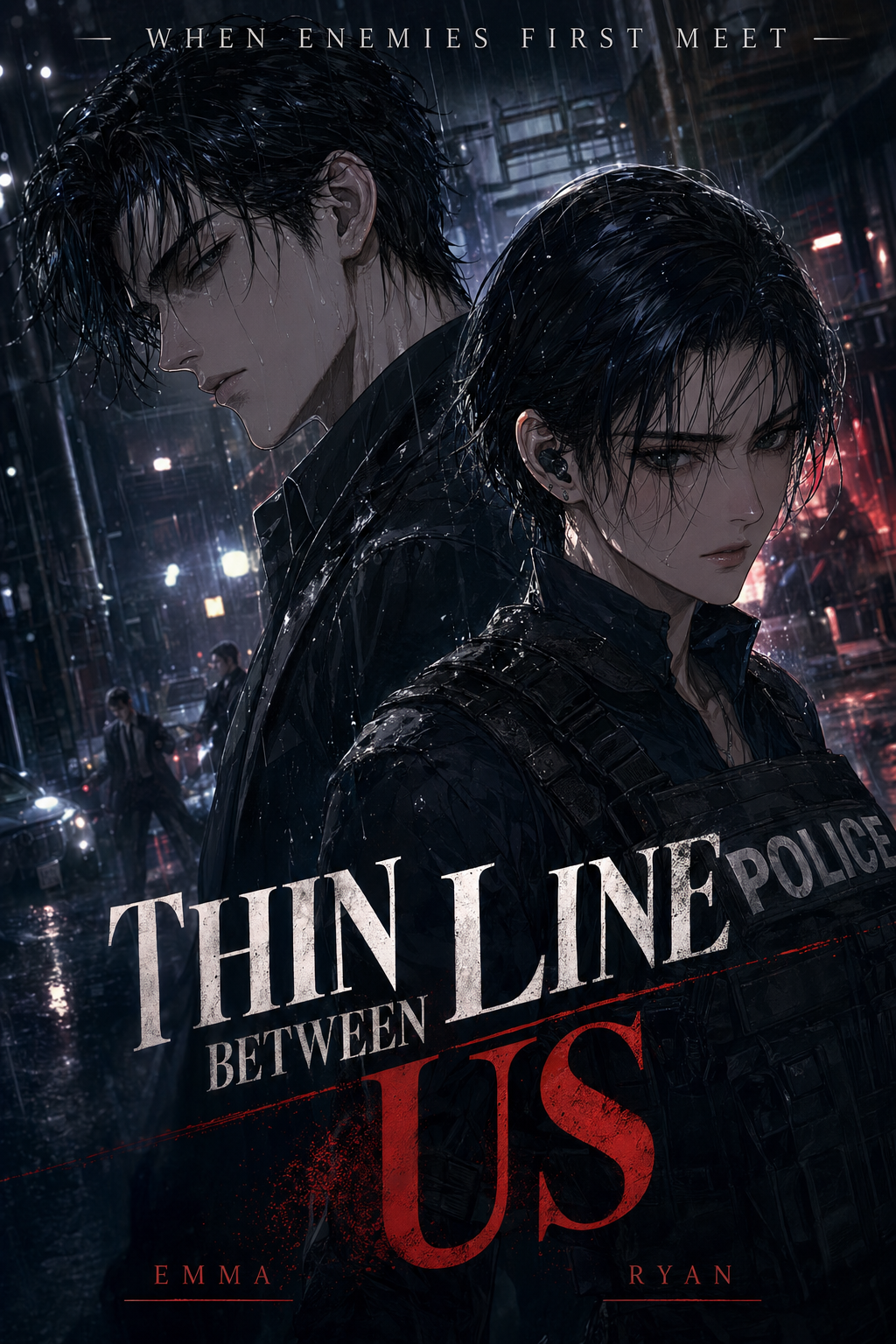
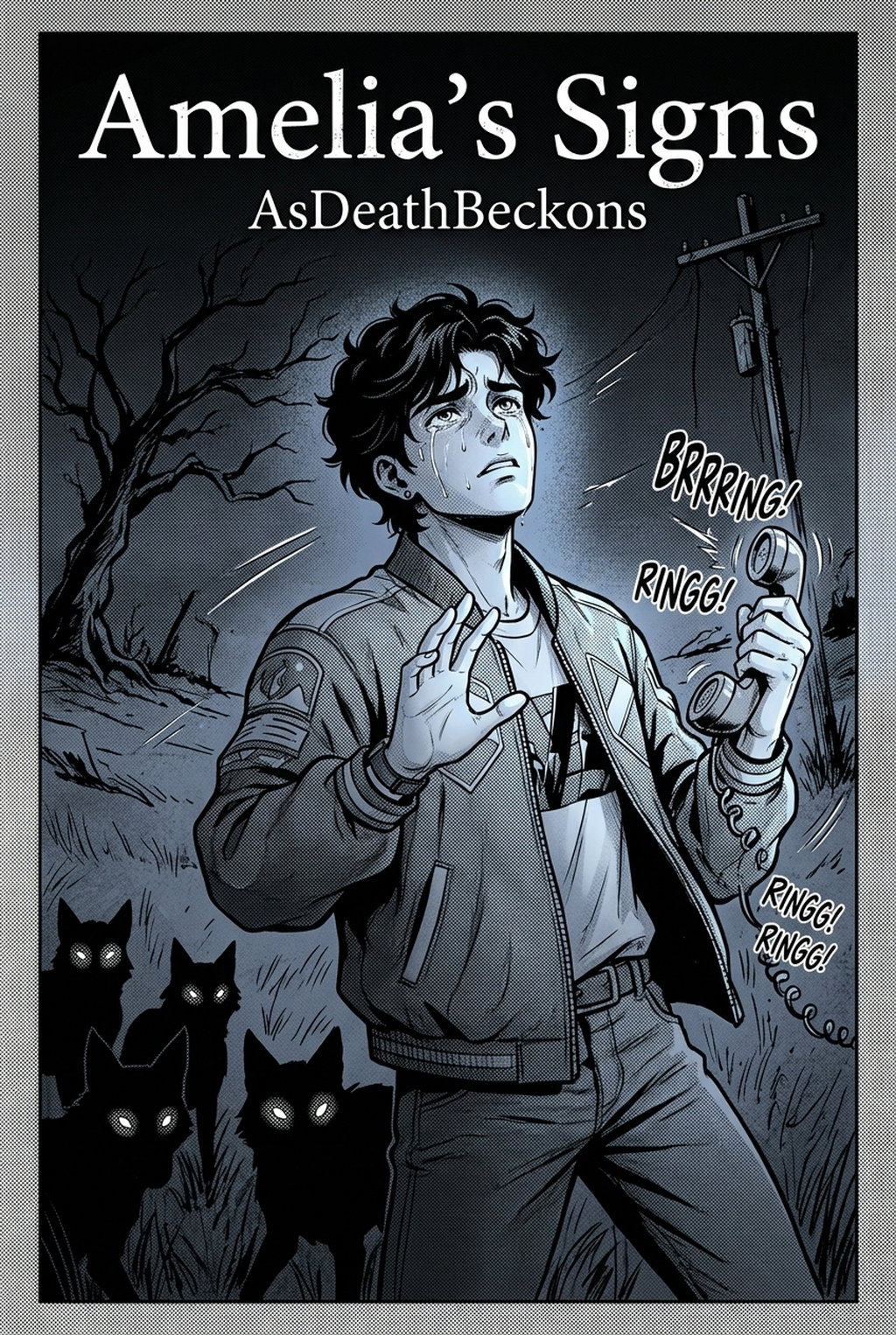
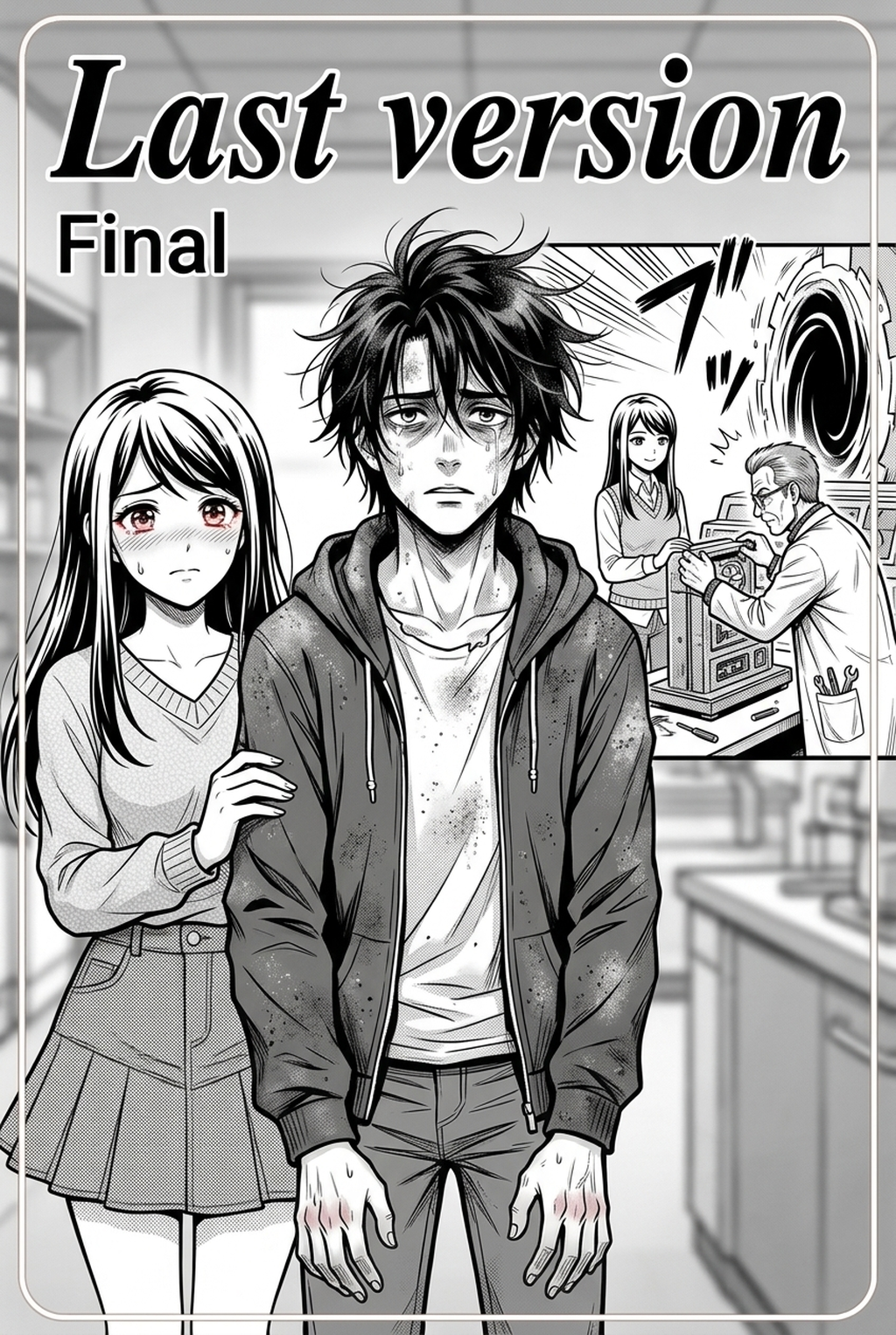
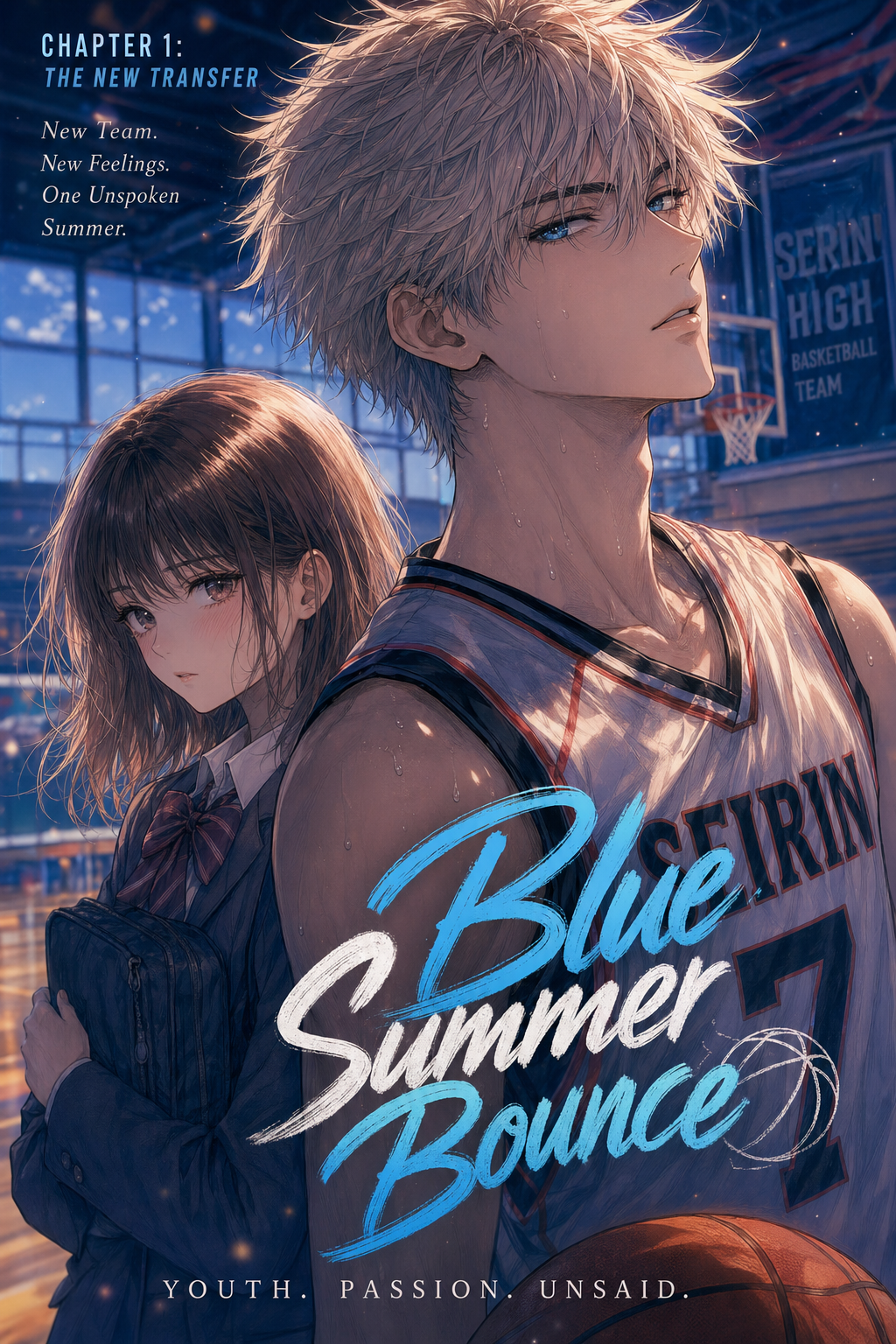
Shojo designs demand a departure from the harsh, high-contrast shadows common in Seinen series, opting instead for soft-focus lighting and flowery, ethereal overlays. This aesthetic focuses on conveying a romantic or dramatic atmosphere that highlights the character’s emotional vulnerability.
- Delicate Proportions: Long-limbed anatomy emphasizes grace and movement, which is essential for scenes involving dance or expressive hand gestures. * Sparkle Effects: Intricate star-burst reflections in the eyes and light-diffusing screentones create the signature "dazzle" that defines the genre's look. * Emotive Minimalism: Using sparse backgrounds shifts the focus entirely toward the facial expression, ensuring the reader captures the subtle shift in a character's mood.
The use of delicate lighting is not just a stylistic choice but a narrative tool. By avoiding heavy, jagged shadows, you create an environment where the protagonist’s emotional growth feels unobstructed and clear. This keeps the review focused on story intent, line weight, panel readability, and the export quality behind the final AI Manga Character Designer output.
Check character consistency, panel readability, line quality, and export readiness before publishing. Creators should also record why the page passed review, which panel details still need manual cleanup, and which export format the next collaborator will use. That makes the subsection useful instead of leaving a short checklist under a large heading.
Why Consistency Matters for Solo Creators
Maintaining anatomical consistency throughout a weekly release cycle is the greatest technical hurdle for independent artists. Visual drift occurs when the character's eye-spacing or hair-parting changes slightly from panel to panel, causing the reader to disconnect from the story’s emotional continuity.
Without a rigid character sheet to act as a reference, your protagonist’s chin length or shoulder width will inevitably shift as you move from high-action sequences to quiet, dialogue-heavy scenes. You must enforce strict adherence to a master style guide, ensuring that every signature accessory, like a recurring hair ribbon or pendant, stays in the same relative position.
Creators often fall into the trap of over-rendering every panel, which leads to burnout during the inking and toning phase. You should strive for a design that balances "idealized" beauty with mechanical simplicity, allowing you to produce high-quality line art without spending excessive hours on minor character details that disappear in smaller print formats.
Bridging Style with AI Design Tools
Modern creators can use AI tools to generate consistent reference sheets that serve as an anchor for their entire series. By converting your initial sketches into a stable, multi-angle model, you can automate the repetitive task of re-drawing complex character features, ensuring that the character looks identical from every angle in every panel.
Generating Consistent Character Anchors. You can utilize shojo manga character design with Mangaka to maintain visual continuity across your entire project, effectively eliminating the risk of character proportion drift during tight deadlines. By training the AI on your specific art style—rather than relying on generic manga archetypes—you ensure that the output feels native to your series' brand, preserving your unique vision while offloading the labor-intensive drafting work.
Using this technology does not replace the artist; it acts as a production assistant for the iterative drafting phase. You retain full editorial authority, using the AI-generated panels as a foundation that you then refine through your own manual inking and final tonal touch-ups, ensuring the final output meets your exact standards for line weight and emotional impact.
Practical Use Cases for Design Growth
Your protagonist’s design must mirror their internal journey, which requires a deliberate approach to subtle character evolution. A character should show growth through gradual shifts in hairstyle or clothing, providing the reader with a visual timeline of their personal development.
Effective shojo design relies on "silhouette recognition," where a character remains immediately identifiable by their outer shape alone. You should test your designs by filling them with black; if the character's unique hair shape or accessory placement is not distinguishable, you may need to simplify the secondary details.
- Consistent Symbols: Assign a specific, unchanging accessory to key characters, such as a signature ring or a distinct hair-clip design. * Visual Progression: Alter these items slightly as the character experiences major story beats, signaling change without needing to rewrite the base anatomical model. * Pattern Simplification: Avoid overly intricate clothing patterns that require hand-drawn adjustments in every panel, as these increase the probability of line-work errors during the ink-and-tone pass.
Initializing Your Creative Workflow
Getting started requires a mindset shift from "drawing everything manually" to "managing a consistent production standard. Many creators wonder if their characters will look robotic or stiff when using digital tools to assist with posing or layout. To prevent a static look, incorporate varied line weights and dynamic pose references into your initial sketches. Even if the base model is generated by an AI tool, your final pass—where you manually adjust line thickness to emphasize foreground elements versus background depth—will restore the organic feel of hand-drawn art.
Whether you are aiming for the high-volume hair styling of 90s classic shojo or the crisp, minimalist aesthetic of modern digital-first series, you can achieve the look by using style-specific creative briefs. By feeding your own previous work as context, you ensure the AI outputs align with your preferred line quality, whether that is soft, pencil-like brushes or sharp, high-contrast digital nibs.
The Bottom Line
AI Manga Character Designer workflow demands a delicate balance of emotional depth and technical rigor, where consistent proportions are as vital as the drama itself. By leveraging advanced tools to manage the repetitive aspects of character consistency and layout, you can dedicate more time to the narrative storytelling that defines the genre. If you are ready to stabilize your visual production and reduce the time spent on anatomical corrections, you can shojo manga character design .
Related articles
Mastering Firefly Wedding Character Design for Manga 2026
Dungeon Background Design: A 2026 Guide for Manga Creators
Designing a Fantasy Dungeon Manga Background: A 2026 Guide