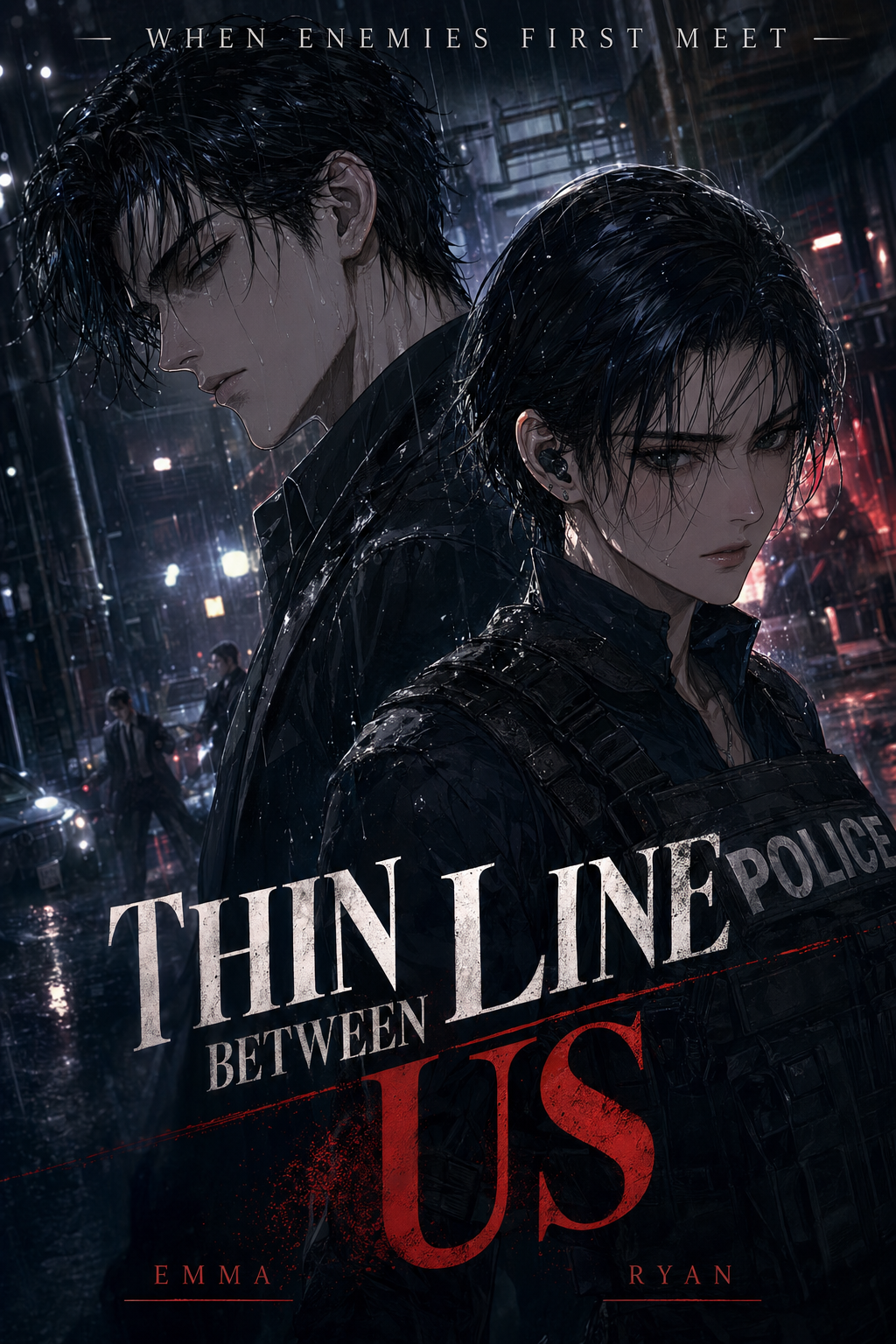
AI Manga Background Artist: Understanding Traditional Shonen Environmental Design
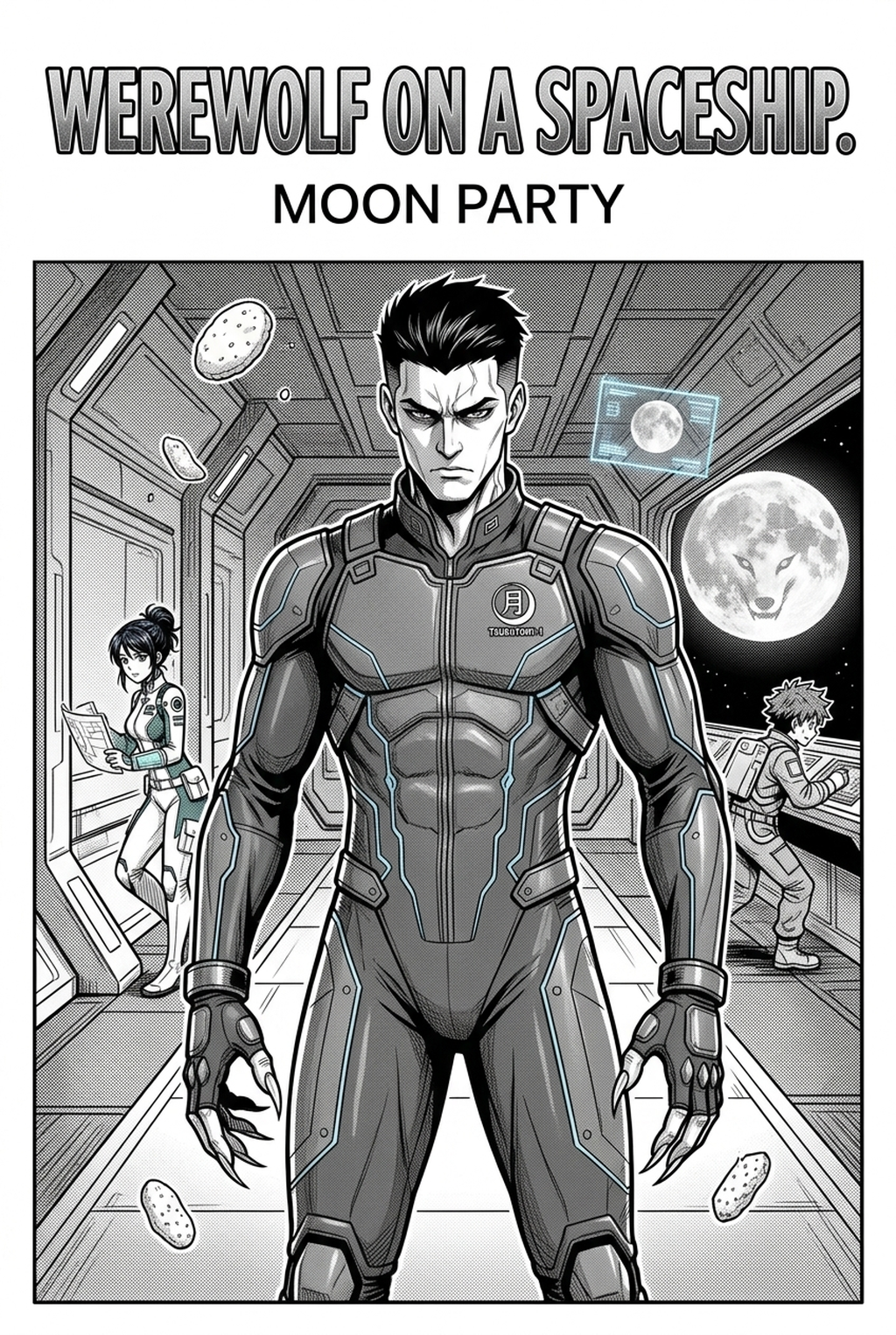
Effective background art in popular battle series relies on a precise balance between high-contrast black-and-white ink density and the necessary negative space required to prevent visual clutter. While character expressions and poses command the foreground, the environment must act as a static anchor that keeps the reader oriented during rapid movement.
Iconic series leverage specific visual techniques to amplify the feeling of momentum within a static frame. Without these, even the most dynamic power-up sequence can feel stagnant or disconnected from its setting. This keeps the review focused on story intent, line weight, panel readability, and the export quality behind the final AI Manga Background Artist output.
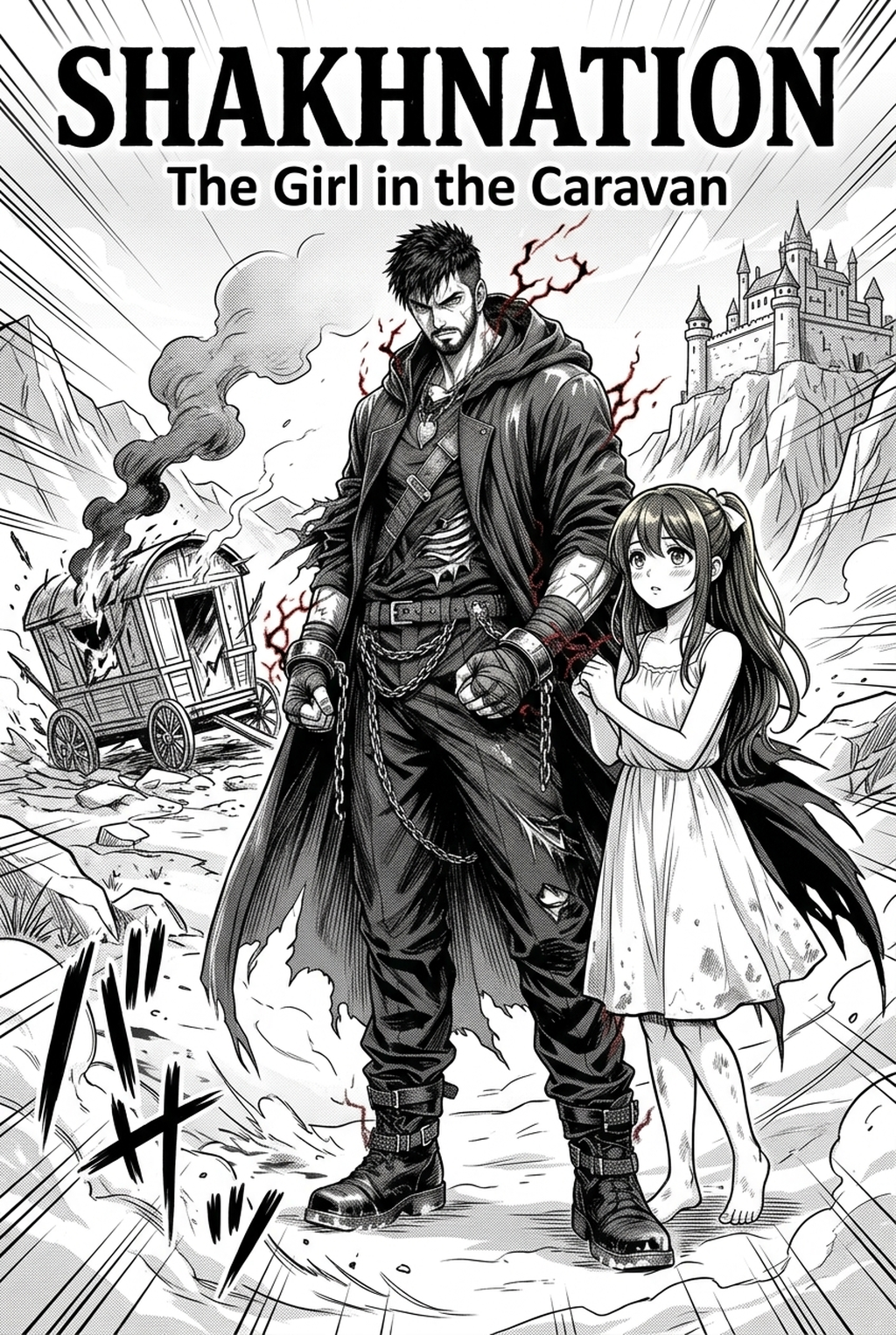
- Speed line integration: You must merge architectural edges directly into speed-line grids to force the viewer's eye toward the focal point of the impact. * Ink density management: High-contrast areas are reserved for shadows cast by structures, leaving the primary action paths clean and readable. * Perspective staging: The placement of the horizon line determines the scale of the threat; a low horizon line during a transformation scene makes the character appear dominant, whereas a high horizon line emphasizes a crushing sense of defeat.
Achieving professional results requires mastery over how your ink interacts with the page surface. You should focus on three specific technical pillars to ensure your environmental art matches the intensity of your character designs.
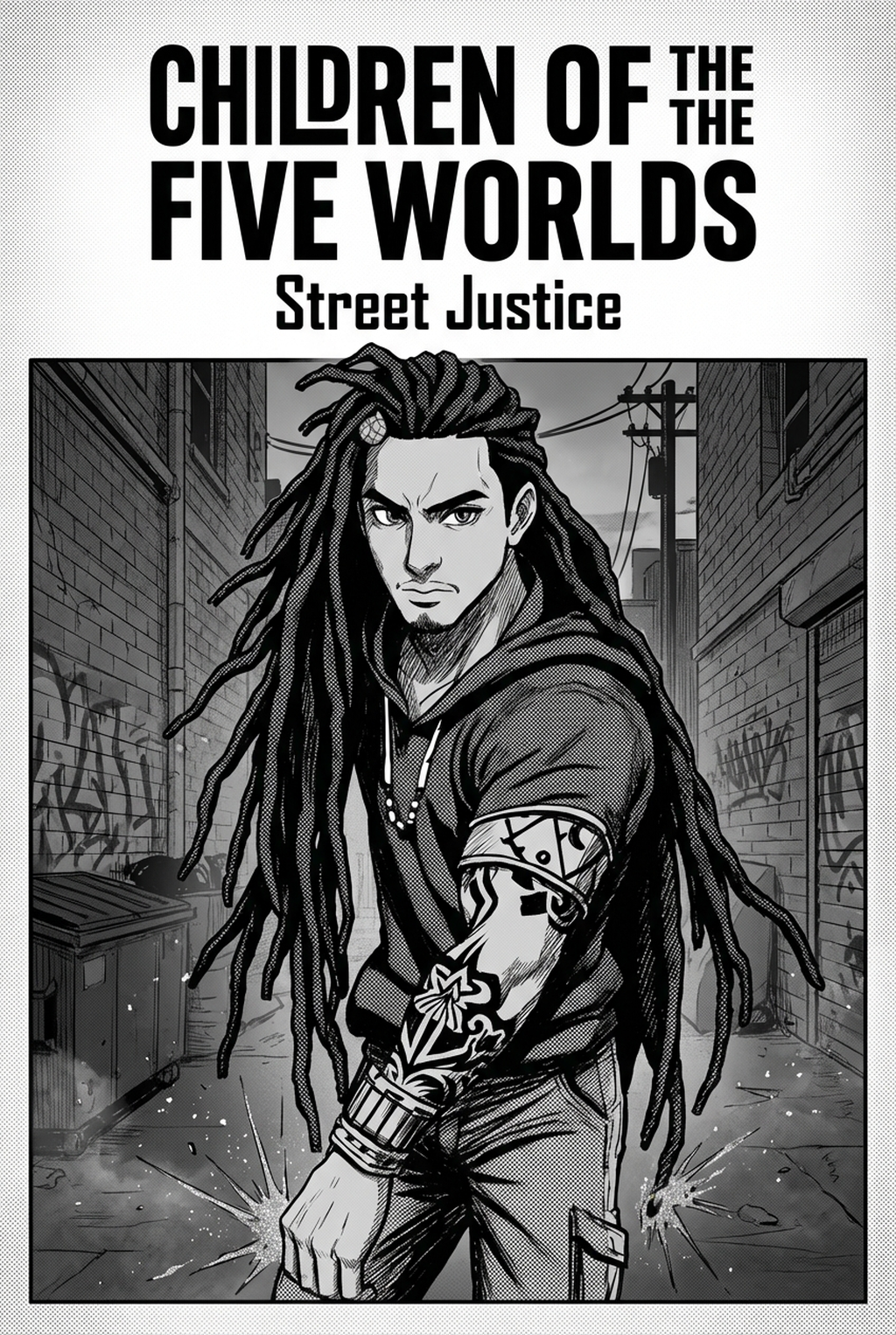
- Cross-hatching for texture: Use dense cross-hatching to define gritty, industrial, or weathered surfaces without bleeding into the character’s silhouette. * Tone-mapping strategies: Differentiate your focal points by using lighter gray-scale tones for distant, blurred backgrounds and deeper black ink for foreground architecture. * Perspective grid precision: Every structure must align with a unified vanishing point, or the reader will subconsciously detect a spatial error, which breaks the immersion of your fight scenes.
Why AI Manga Background Artist Matters for Your Workflow
Detailed backgrounds function as the spatial coordinate system for your entire narrative, dictating how readers perceive the scale of a hero’s struggle. If the environment lacks depth, you force the reader to guess the distance between combatants, which sabotages the pacing of your dialogue and reaction shots.
Creators frequently use perspective distortion to amplify shonen energy, manipulating architectural shapes to curve around the center of the action. By bending buildings and urban debris to follow the arc of a punch or the blast of a signature move, you turn the environment into an active participant in the battle rather than a passive backdrop.
How Mangaka Streamlines Your Environmental Output
The "inking tax"—the hours you spend manually drawing complex structural details—is the primary bottleneck in meeting a weekly release schedule. Many professional studios address this by using 3D block-outs or pre-rendered assets, but these often require extensive cleanup to match the hand-drawn quality of your character linework.
Mangaka shonen manga background art from scene descriptions, effectively offloading the technical burden of perspective and line weight to an AI-driven engine. This tool allows you to treat environmental rendering as an iterative part of your creative process rather than a static chore. Instead of laboring over a complex cityscape for three hours, you define the environment’s architectural style and vanishing point, and the system produces a high-fidelity line-art panel that is ready for your final inking pass.
Use Cases for Advanced Background Generation
When you incorporate an AI background engine, you reclaim the hours previously spent on repetitive technical drafting. This allows you to focus your creative energy on character expression, panel layouts, and the nuance of your action choreography, which are the elements that truly define your series.
- Urban combat scenes: Automatically render dense, debris-filled city blocks that retain sharp line weights, ensuring they do not look "muddy" when paired with fast-moving action characters. * Internal temple or headquarters: Generate intricate, consistent interior architecture that respects your established light sources and shadows, preventing the need for manual perspective correction. * Dramatic, wide-angle establishing shots: Create complex, high-detail bird’s-eye views that would normally take a day to hand-render, allowing you to set the tone for a new arc with ease.
Getting Started with Mangaka
Maintaining a consistent aesthetic across multiple chapters is a critical concern for any serial artist. By establishing a library of custom creative brief templates that define your specific line-weight preferences, you can ensure that the AI consistently renders background assets that match your unique hand-drawn character style.
- How do I enforce my line weight preference? Integrate your specific ink-pen setting into the scene description, ensuring the AI maintains the same line intensity across both characters and backgrounds. * Can the AI handle extreme angles? The generator interprets complex spatial descriptors, allowing you to render precise worm’s-eye or bird’s-eye perspectives that align perfectly with your pre-set vanishing points. * Does this replace my technical skill? No, it acts as a force multiplier that automates the laborious rendering of architecture, leaving you full control over the creative framing and narrative emotional beats.
Creators should compare the generated line art with the original sketch and confirm that facial expressions, props, speed lines, and speech-bubble space still support the scene. Creators can use each revision decision to clarify panel readability, character consistency, and export quality before publishing or sharing.
The Bottom Line
Mastering your production production process is essential for keeping up with the grueling demands of serial manga creation without sacrificing quality. By leveraging the AI Manga Background Artist to handle the heavy lifting of environmental rendering, you ensure your work stays ahead of your delivery deadlines while focusing on the narrative depth that keeps readers hooked. Spend less time on tedious linework and shonen manga background art to craft the next hit in your series.
Related articles
Mastering Shonen Manga Inking Techniques: A Pro Guide 2026
AI Manga Speech Bubble Layout for Shonen Manga 2026
Pro-Quality AI Manga Speech Bubble Layout for Isekai