AI Manga Inker: Why AI Manga Inker Matters for Creators
Efficiency is maintained through established workflows, focusing on consistent pen pressure and the strategic use of white space to prevent 'muddy' panels. Many creators are moving away from manual G-pen and India ink toward digital tools to reduce drying time and eliminate smudging risks.
Digital inking allows for 'non-destructive editing,' enabling artists to adjust line thickness or correct anatomy without having to redo the entire panel from scratch. When you notice a character proportion error on page 14 of a 20-page chapter, the ability to tweak the digital path is a significant time-saver over restarting the entire inking pass.
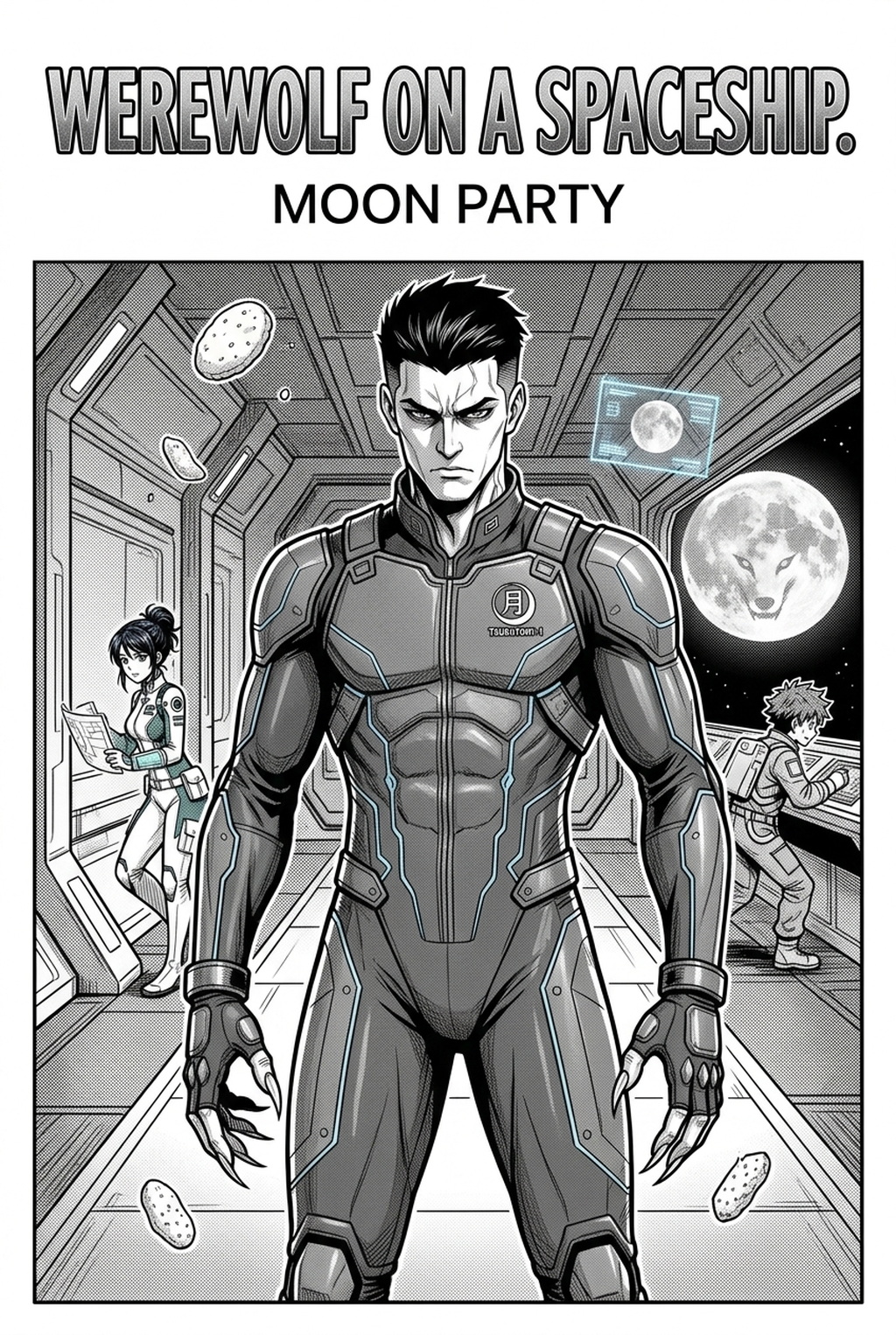
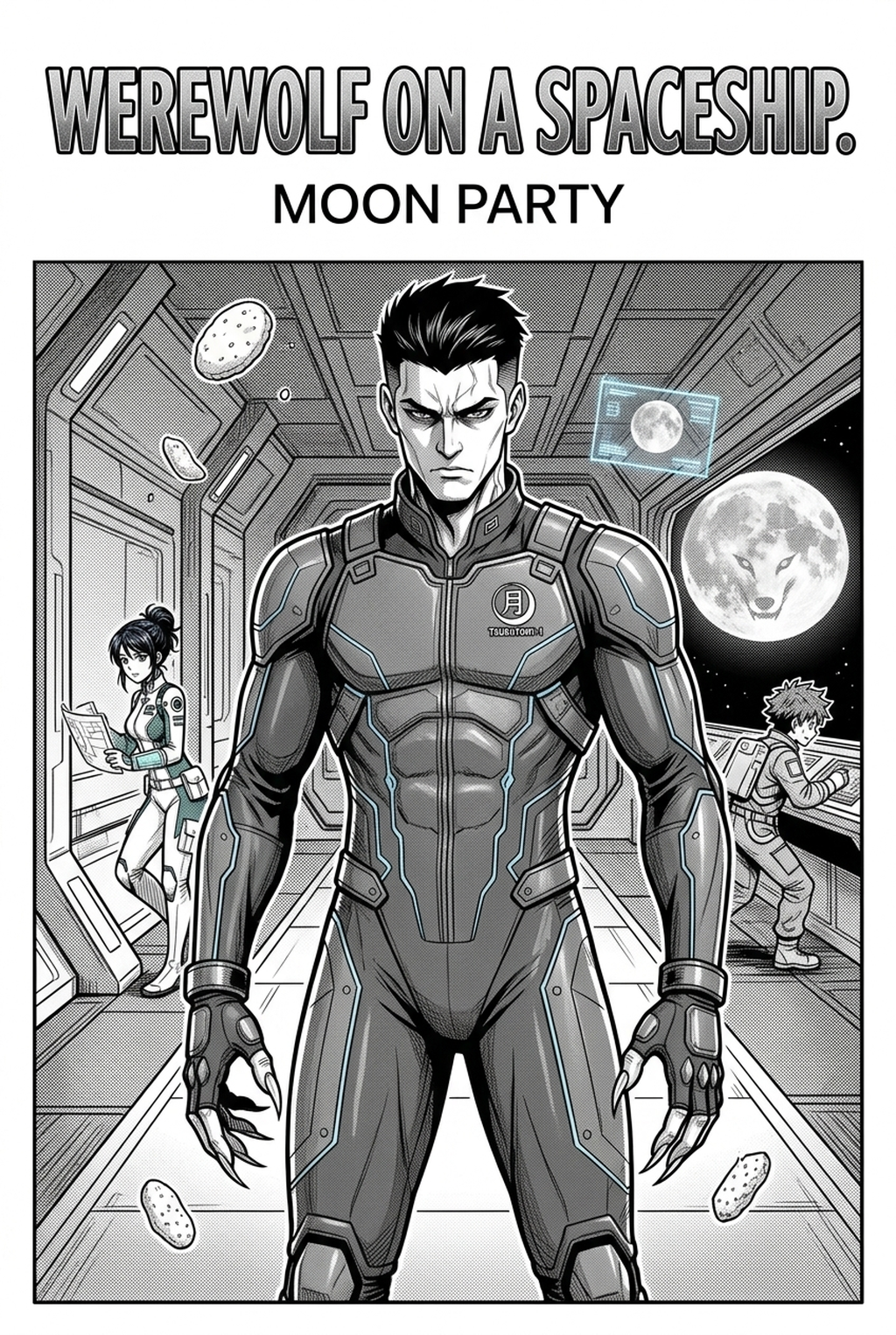
Tools like the shonen manga inking techniques now bridge the gap by automating the conversion of pencil sketches into clean digital lines, allowing artists to focus on artistic expression rather than manual tracing. This technology identifies your intentional pencil strokes and generates smooth vector-ready lines, effectively eliminating the common fatigue associated with repetitive inking sessions.
How Shonen Manga Inking Techniques Work with Mangaka
Effective inking with Mangaka focuses on 'speed lines' and 'impact frames' that guide the reader’s eye across the page in a rapid, energetic flow. You must ensure that your sketch inputs retain the intended kinetic energy, as the tool excels at preserving the core flow of your original composition.
Variable line pressure is the key to emphasizing musculature and kinetic energy, ensuring that character poses feel powerful rather than static. By utilizing the platform to refine your sketches, you can ensure that the lines defining the biceps or the clenched fist of a protagonist carry more visual weight than the background debris.
When working on a full chapter, maintaining a unified visual tone is often more challenging than completing a single panel. By using the AI-assisted platform to handle the heavy lifting, you lock in a baseline for line thickness across the entire page layout. This ensures that a character appearing in panel one looks consistent with their appearance in the final splash page, preventing unwanted artistic drift.
Use Cases for AI Manga Inker
| Technique | Manual Effort | AI-Assisted Workflow | Visual Outcome |
|---|---|---|---|
| Silhouette Inking | High | Automated | High contrast, bold |
| Background Detail | Very High | Segmented cleanup | Defined, non-distracting |
| Speed/Motion Lines | Medium | Path alignment | Clean, directional flow |
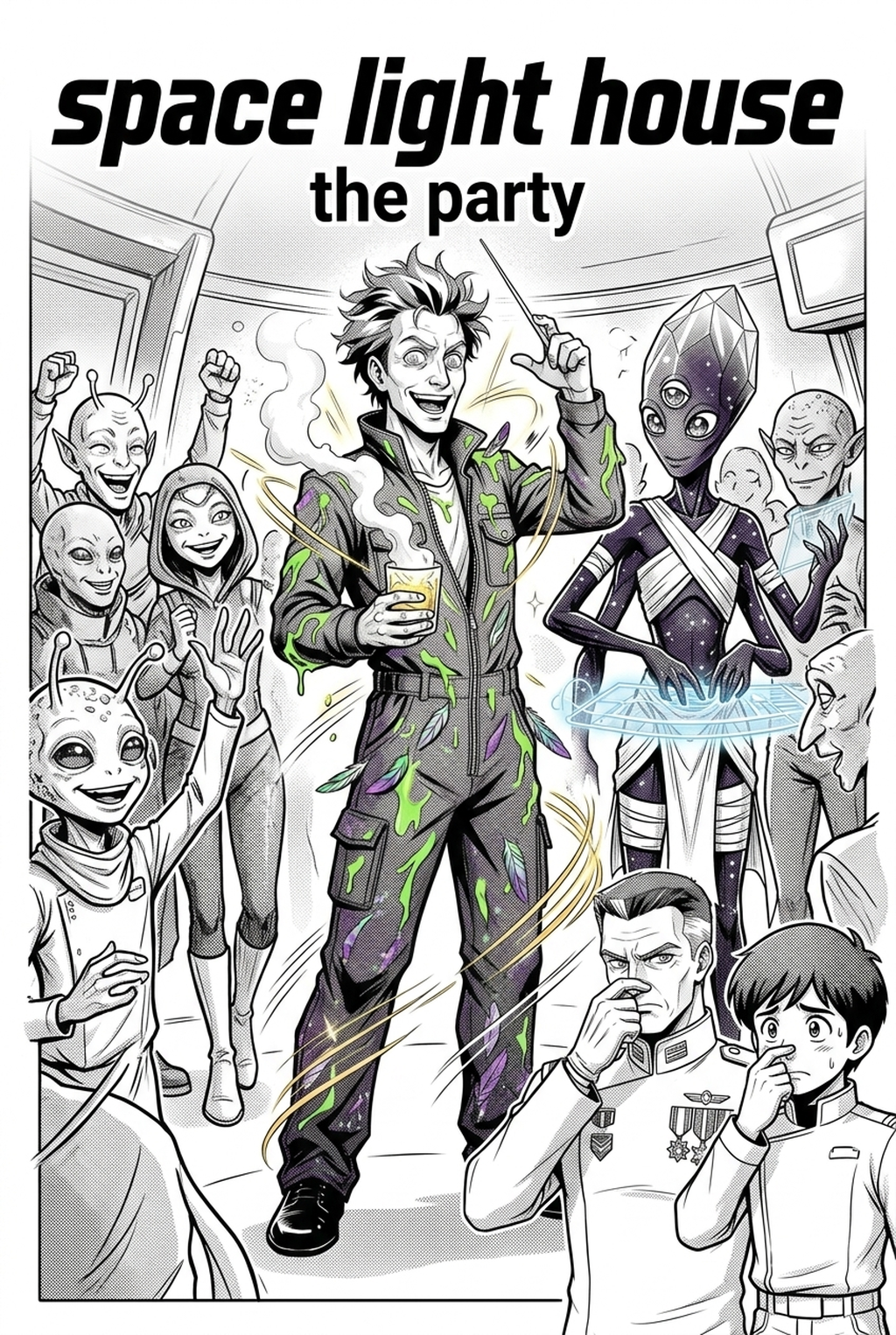
AI-assisted inking tools automatically identify pencil strokes to generate clean, vector-ready line art, significantly reducing the 'ink and clean-up' phase. Instead of spending six hours inking a single page, creators can input their pencil draft and generate a clean version in minutes, leaving more time for narrative pacing and dialogue placement.
Creators can maintain their unique 'artistic voice' by inputting their specific sketch style while using the tool to handle repetitive tasks like background detail or consistent line weight. This hybrid workflow allows for a faster 'time-to-page' without sacrificing the soul or energy of hand-drawn manga.
- Chapter cadence. Use the AI pass for pages where speed matters most, such as repeated action poses, transformation beats, or dense speed-line panels. Keep manual cleanup for hero panels where the line style defines the emotional peak. - Character continuity. Compare the generated lines against the same model sheet, costume notes, and facial-expression range used during sketching. This prevents a fast inking pass from drifting away from the character identity readers recognize. - Export readiness. Check whether the final manga output can move into lettering, coloring, or final layout without rebuilding panel borders or speech-bubble space. A good manga workflow should save time while keeping the next production step predictable.
How to Get Started with Mangaka
Getting started requires evaluating how your specific pencil sketches translate into the digital environment. While traditional G-pen techniques rely on natural hand tremor and pressure, the digital output provides a sharp, professional finish that is ideal for print-ready PDFs.
The digital approach offers a much faster 'final output' compared to traditional India ink. While the G-pen provides a unique texture, the risks of smudging or uneven ink flow on standard manuscript paper often create unnecessary waste. Digital tools provide a consistently clean output, ensuring every file exported for the printer maintains a high DPI and perfectly black lines.
AI tools are increasingly capable of handling the expressive, jagged lines required for shonen action sequences. By setting the sensitivity to accommodate your rougher, high-energy strokes, you preserve the 'grit' of a battle scene while ensuring the final lines are clean enough for clear reproduction.
Creators should compare the generated line art with the original sketch and confirm that facial expressions, props, speed lines, and speech-bubble space still support the scene. A repeatable review pass should cover character consistency, panel readability, background clarity, and whether the final file is ready for coloring, lettering, or editor feedback.
Creators should save approved examples of line weight, face detail, clothing folds, and background density. Those references keep later chapters closer to the intended style. For collaboration, creators should mark which panels are final and which panels still need redraws. Clear status labels prevent an assistant, editor, or colorist from polishing the wrong version.
The Bottom Line
Shonen manga inking is a balance of technical discipline and creative flair, where line weight and contrast define the tone of the narrative. Modern creators are increasingly adopting AI-driven workflows to automate the labor-intensive aspects of inking, allowing for greater focus on storytelling and panel composition. If you are ready to refine your professional workflow and cut down your production time significantly, explore these modern shonen manga inking techniques .
Related articles
AI Manga Speech Bubble Layout for Shonen Manga 2026
Pro-Quality AI Manga Speech Bubble Layout for Isekai
AI Manga Background Artist for Shojo Manga Costs 2026