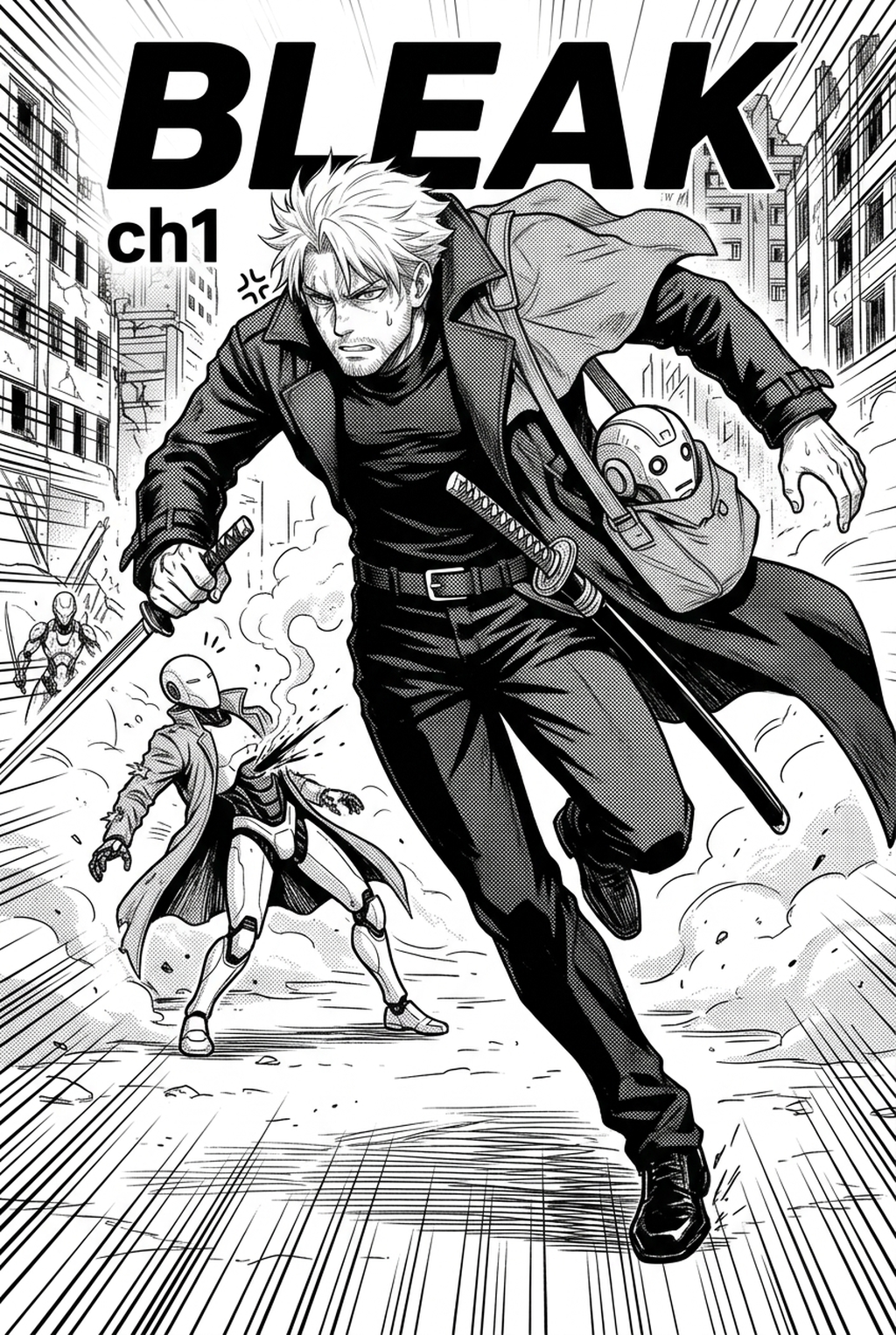
Defining Essential Narrative Pacing
Effective shonen manga storyboard techniques rely on alternating between high-action 'full-bleed' spreads and tight, rhythmic close-ups to manipulate reading speed. By modulating these visual shifts, you control the time a reader spends on a single encounter, preventing the "skimming" effect that occurs when too many mid-sized frames appear in a row.
The Kishōtenketsu structure—introduction, development, twist, and conclusion—must be mapped to physical page turns to maximize cliffhanger impacts. Placing the 'Ten' (the twist or pivotal shift) on the bottom-left corner of a verso page forces the reader to flip to the recto side to see the resolution, naturally increasing the tension of the reveal.
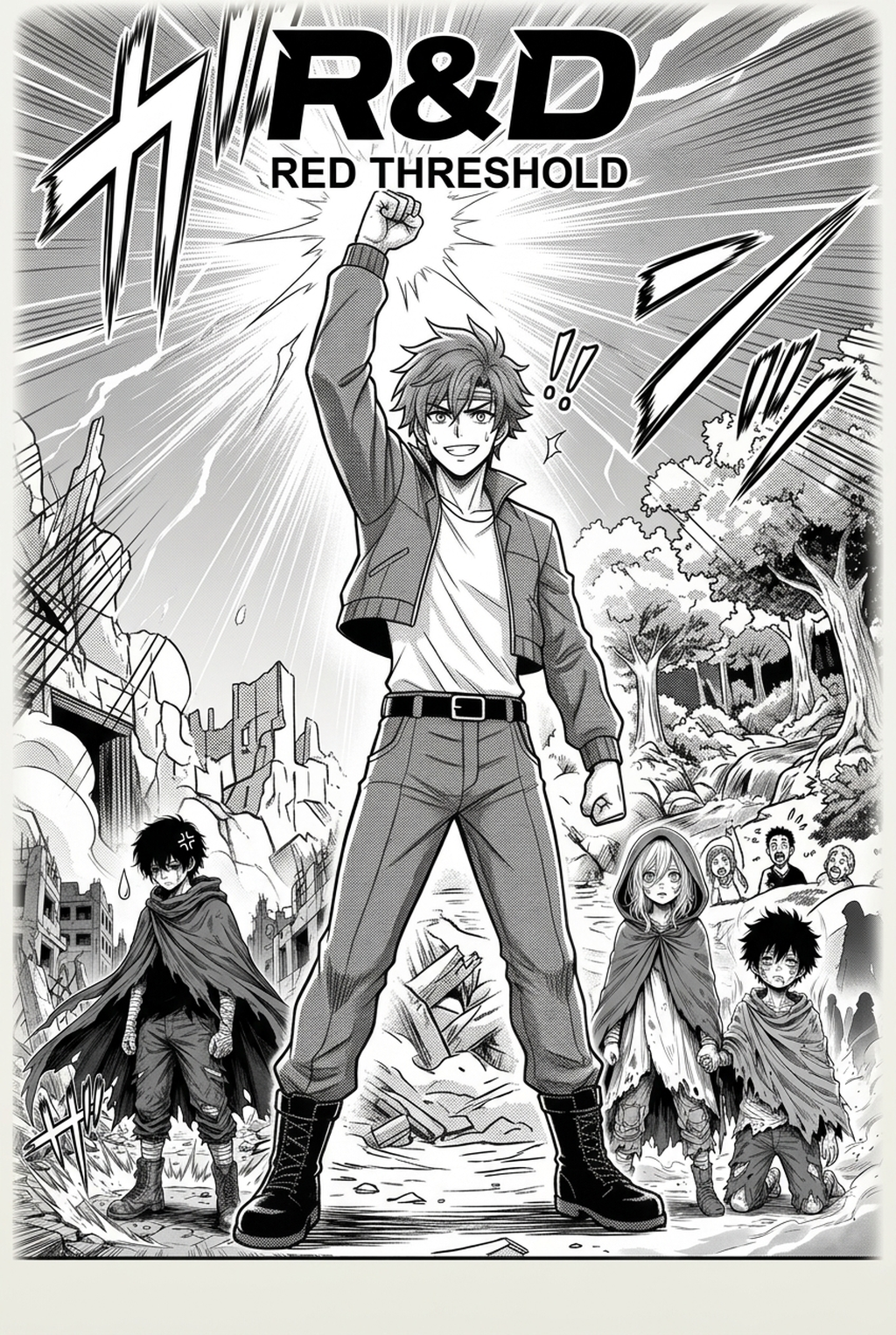
Unlike other genres, shonen requires specific 'impact panel' placement that prioritizes diagonal leading lines to guide the eye toward dynamic action sequences. When a character throws a punch or uses a power-up, the gutter lines should physically point toward the next focal point, creating a 'Gutter Path' that keeps the reader’s eye moving forward without hesitation.
Why Narrative Flow Matters for Creators
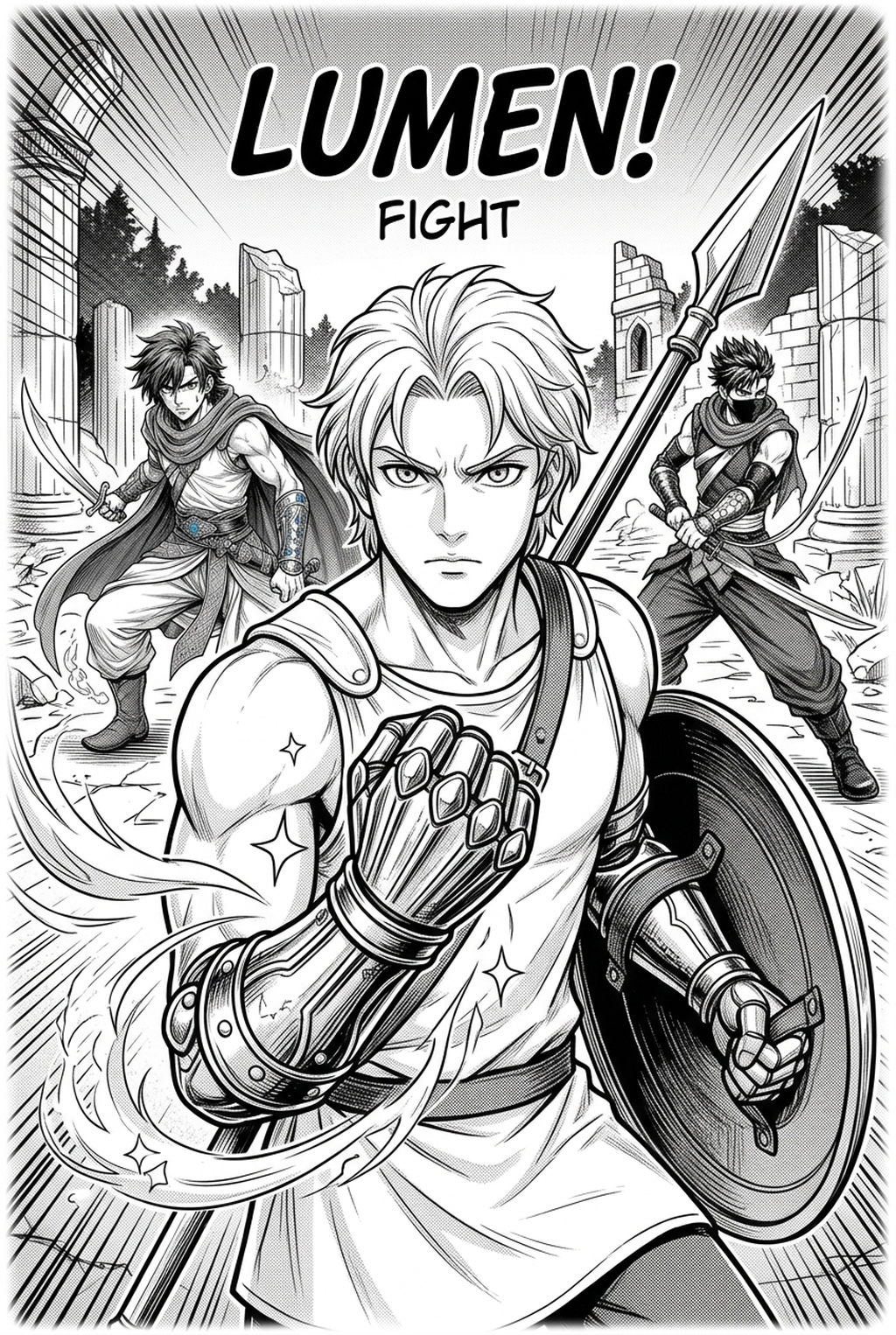
Combat layouts succeed when they utilize variable panel sizing to reflect the intensity of a clash, using larger frames for impact and smaller, overlapping panels for speed. When the panel gutter disappears or overlaps, the reader processes the action as a single, continuous, and high-speed motion rather than distinct, separate moments.
Visual weight is managed by balancing high-ink action zones against negative space to prevent viewer fatigue during long battle chapters. Without the calculated inclusion of "breather" panels, a reader can easily become overwhelmed by dense line art, leading to a loss of clarity in the fight choreography.
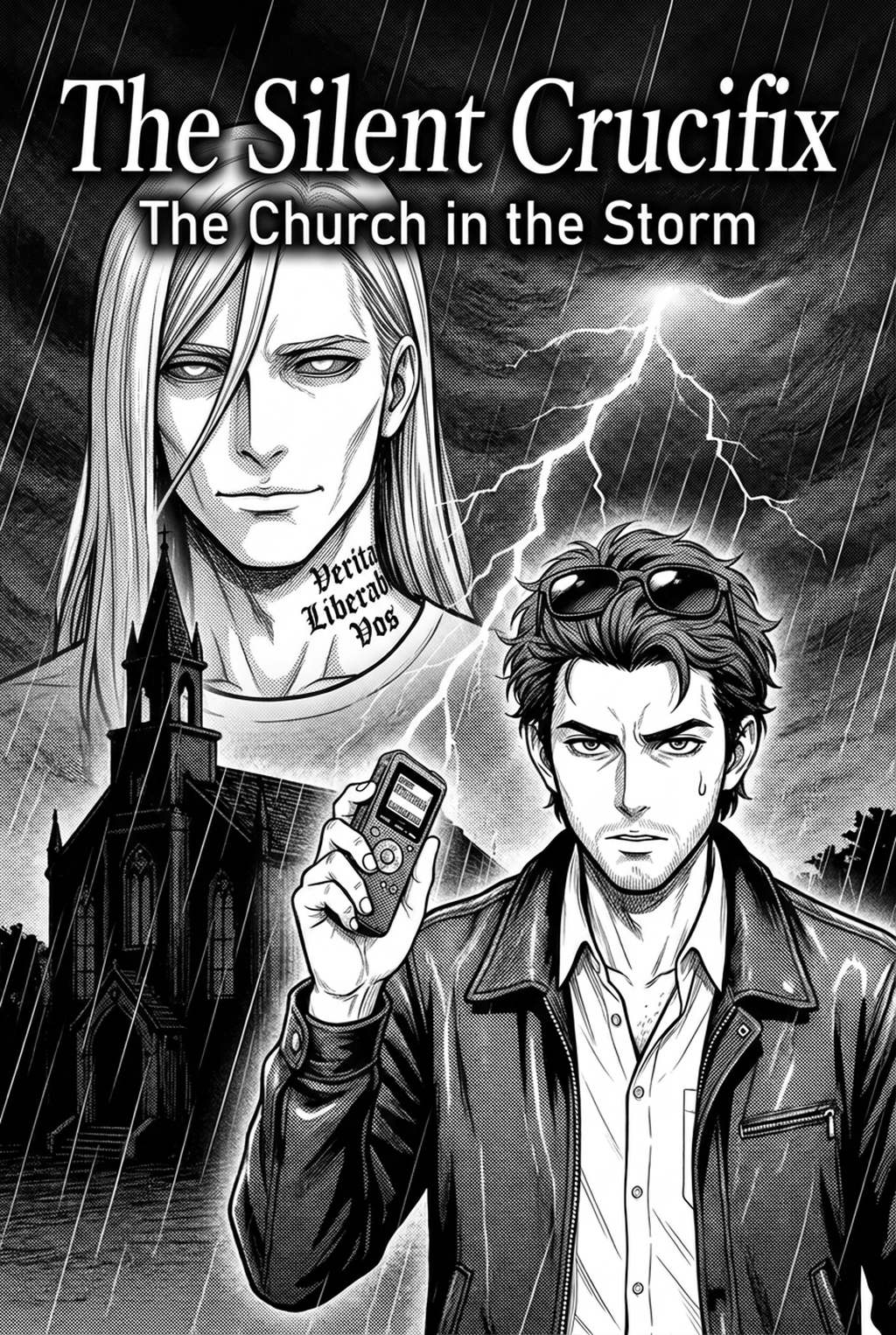
Strategic placement of 'white space' or silence before a page turn functions as a rhythmic 'beat,' allowing the reader to process the buildup before a massive kinetic release. A silent panel of a character inhaling or a single drop of sweat can act as a crucial narrative anchor, ensuring the subsequent, high-octane scene hits with maximum impact.
How Mangaka Elevates Storyboard Construction
Modern creators use AI-assisted tools to instantly arrange panel layouts based on script input, ensuring narrative flow is preserved before committing to detailed art. By using shonen manga storyboard techniques with Mangaka , you can offload the technical configuration of perspective grids and panel boxes, which traditionally consumes hours of manual drafting time.
The Mangaka builder allows users to focus on the 'director’s vision' by handling the technical arrangement of panels and perspective grids. This keeps the review focused on story intent, line weight, panel readability, and the export quality behind the final AI Manga Storyboard Builder output.
Check character consistency, panel readability, line quality, and export readiness before publishing. Creators should also record why the page passed review, which panel details still need manual cleanup, and which export format the next collaborator will use. That makes the subsection useful instead of leaving a short checklist under a large heading.
By offloading the technical composition to the builder, the creator gains more time for character-specific expression, ensuring the emotive intent is not lost in the drafting phase. This prevents the common pitfall of "tunnel vision," where a creator spends so much time aligning squares that they forget the core dramatic objective of the scene.
Common Pitfalls in Visual Composition
To avoid 'tunnel vision,' you must break the monotony of same-sized panels, which often creates a static, boring reading experience lacking the characteristic dynamism of shonen. If you find your reader’s eye getting lost, the impact of the storyboard is effectively neutralized, meaning the action has lost its sense of direction and gravity.
Creative Decisions and Export Quality. Always review your storyboard at 50% scale to ensure that the primary focal point of each page is immediately recognizable even in a thumbnail format. If you cannot identify the main character or the primary action in a 50% view, your composition is likely too cluttered, and you should consider removing secondary elements that distract from the main narrative beat.
The gutter functions as the master controller of your story’s timeline. A narrow, non-existent gutter signifies immediate, rapid-fire action, whereas a wider, clearer gutter suggests a scene pause or a shift in the environment that gives the reader room to breathe between chaotic sequences.
- Before Export. Creators should compare the generated line art with the original sketch and confirm that facial expressions, props, speed lines, and speech-bubble space still support the scene. A repeatable review pass should cover character consistency, panel readability, background clarity, and whether the final file is ready for coloring, lettering, or editor feedback.
- For Longer Projects. Creators should save approved examples of line weight, face detail, clothing folds, and background density. Those references keep later chapters closer to the intended style. For collaboration, creators should mark which panels are final and which panels still need redraws. Clear status labels prevent an assistant, editor, or colorist from polishing the wrong version.
- For Publishing. Creators should review the page at the actual reading size before export. Small screens expose crowded dialogue, weak silhouettes, and line details that looked fine while zoomed in. For style control, creators should keep a short reference board beside the draft and compare hair shapes, eye details, costume folds, and texture choices before approving the final page.
The Bottom Line
Mastering these techniques is the difference between a cluttered drawing and a compelling, readable manga experience that keeps readers invested. By combining traditional narrative theory with modern tools like the shonen manga storyboard techniques , you can iterate faster and deliver the high-octane pacing that shonen readers demand. Start your next project with a structured plan to ensure your narrative impact is locked in from page one.
Related articles
How to Create a Manga Storyboard: A 2026 Guide for Creators
Mastering the Manga Storyboard: A 2026 Beginners Guide
How to Build a Manga Storyboard: A 2026 Modern Guide