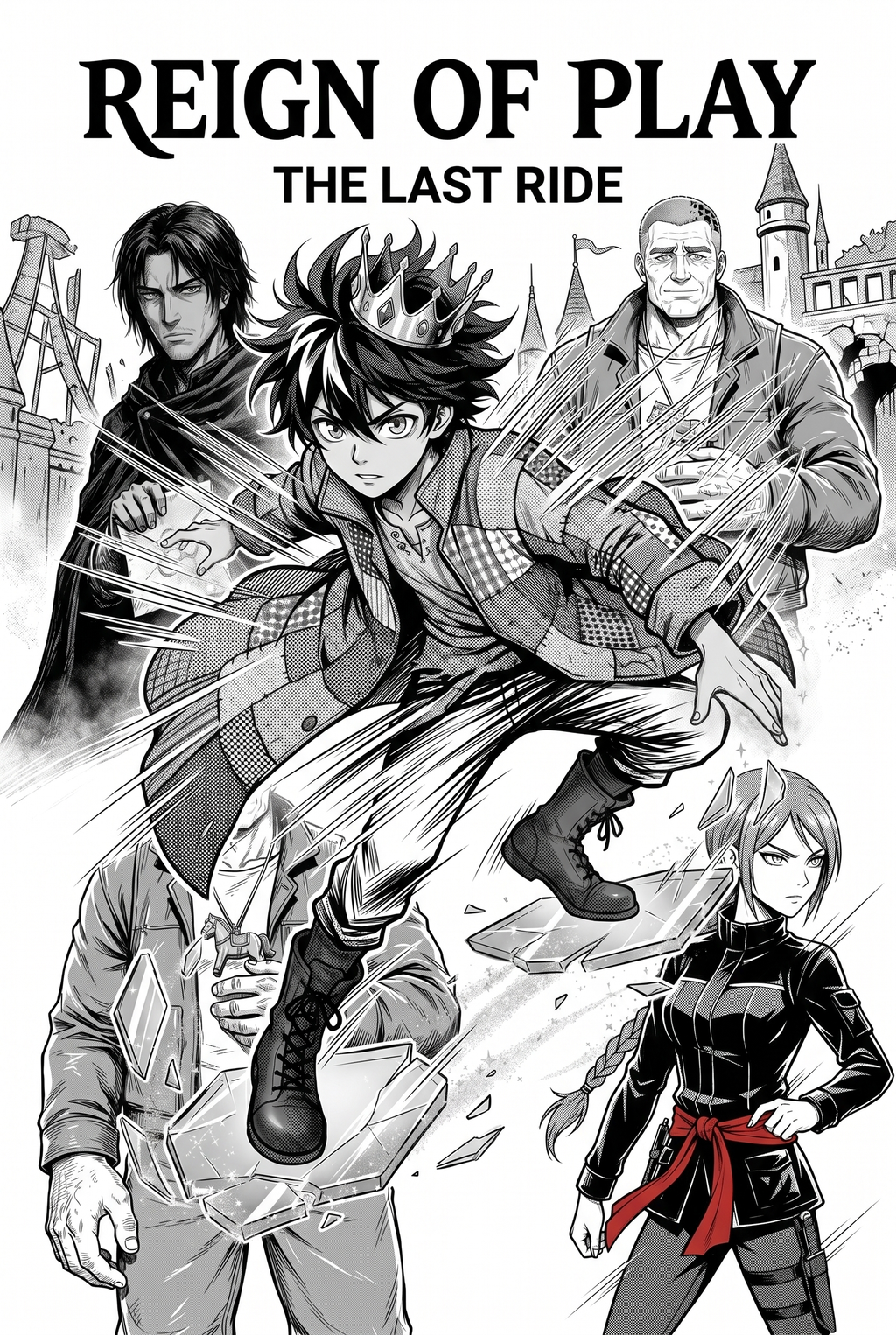
Defining the Visual Blueprint
A manga storyboard is a rough visual draft that maps out panel arrangement, character positioning, and perspective before final rendering. It acts as a narrative roadmap for creators, ensuring that visual weight and page turns trigger the intended emotional impact for the reader.
Key components that define this stage include:
- Panel Hierarchy: The deliberate sizing of frames to signal importance, where a full-page bleed commands silence or awe compared to a dense cluster of small, rapid-fire action panels. * Gutter Spacing: The precise calibration of negative space between frames, which controls the tempo at which a reader consumes the dialogue and movement. * Eye-flow Mapping: The strategic placement of character line-of-sight and action trajectory, guiding the reader’s gaze toward speech bubbles or critical plot reveals.
Why Narrative Structure Dictates Quality
Planning via storyboards prevents artistic drift, where characters lose consistent proportions or scene framing becomes confusing mid-chapter. For Shonen-style action, the storyboard stage is essential for choreographing complex motion sequences that require dynamic perspective changes to maintain high-octane energy.
Professional production relies on predictable efficiency, and the storyboard serves as the ultimate diagnostic tool. By laying out the entire chapter in rough form, you identify "dead space" on a page—those pockets of empty background or awkward cropping that would otherwise waste hours of meticulous inking time. If a reader feels the pacing stumble, the fault almost always lies in a poorly constructed storyboard rather than a lack of finishing detail.
Automated Layout and Narrative Flow
AI-driven tools redefine this phase by automating the complex task of panel arrangement, allowing you to focus on the director’s intent rather than manual geometric layout. By offloading the geometric precision to manga storyboard with Mangaka , you ensure that your panel gutters and frame proportions remain mathematically sound, effectively neutralizing the risk of "crooked" layouts that plague many hand-drafted pages.
| Feature | Manual Storyboarding | AI-Assisted Layout |
|---|---|---|
| Panel Alignment | Manual, prone to error | Auto-calculated grid |
| Character Consistency | Varies by drawing speed | Anchored to style reference |
| Pacing Adjustments | Hours of redrafting | Real-time frame manipulation |
You gain the ability to experiment with cinematic framing and dynamic panel bleeding—the high-level techniques that define the difference between amateur layouts and industry-standard manga. Using digital placeholders ensures the final composition matches your original vision, drastically reducing the need for costly redrafts once you move into final line art.
Targeted Layouts for Different Genres
The demands of your story depend heavily on the demographic you are targeting, requiring vastly different approaches to visual density and panel rhythm. A storyboard that works for a slow-burn mystery will fail completely if applied to a high-energy combat sequence.
- Shonen Priorities: These layouts lean heavily into high-impact "big panels" and vertical speed-lines to emphasize power scaling, visceral movement, and overwhelming force. You must prioritize the "climax frame," often utilizing a double-page spread to maximize the emotional payout of a character’s transformation or decisive strike. * Seinen Priorities: Here, the focus shifts to atmospheric, high-detail panel clusters that lean into nuanced dialogue, non-verbal expression, and complex character interplay. You need to provide enough white space to allow the reader to dwell on subtle facial shifts and background details that establish a grounded, mature tone. * Efficiency Gains: Regardless of genre, you reach peak production by selecting templates that respect the reading speed of your audience. If your storyboard forces the reader to stop and decipher the layout, you have failed the most basic test of professional manga production.
Establishing Your Production Workflow
Getting started with automated storyboard tools means shifting your focus away from the "how" of drawing and toward the "why" of the scene. You retain total control over character performance and emotional beats while the tool handles the spatial heavy lifting.
If you struggle with maintaining spatial consistency during complex fight scenes, the platform specializes in auto-arranging panels to keep the viewer oriented. This eliminates the confusion that occurs when a character suddenly flips their orientation or changes height relative to their opponent mid-sequence. By controlling the "reading time" through larger panels that force a pause or overlapping panels that accelerate the reader’s eye speed, you dictate the experience with surgical precision.
- Before Export. Creators should compare the generated line art with the original sketch and confirm that facial expressions, props, speed lines, and speech-bubble space still support the scene. A repeatable review pass should cover character consistency, panel readability, background clarity, and whether the final file is ready for coloring, lettering, or editor feedback.
- For Longer Projects. Creators should save approved examples of line weight, face detail, clothing folds, and background density. Those references keep later chapters closer to the intended style. For collaboration, creators should mark which panels are final and which panels still need redraws. Clear status labels prevent an assistant, editor, or colorist from polishing the wrong version.
- For Publishing. Creators should review the page at the actual reading size before export. Small screens expose crowded dialogue, weak silhouettes, and line details that looked fine while zoomed in. This keeps the review focused on story intent, line weight, panel readability, and the export quality behind the final AI Manga Storyboard Builder output.
The Bottom Line
The storyboard is the single most important document in your manga production process, serving as the bridge between raw ideas and finished, polished art. Leveraging an AI AI AI Manga Storyboard Builder workflow Builder workflow Builder streamlines the transition from concept to execution, ensuring professional-grade narrative flow every time you start a new chapter. By investing more time in the storyboarding phase, you produce higher-quality, more readable manga with fewer revisions, saving your energy for the inking and coloring stages.
Related articles
Mastering the Manga Storyboard: A 2026 Beginners Guide
How to Build a Manga Storyboard: A 2026 Modern Guide
What Is a Manga Storyboard? The 2026 Essential Guide