AI Manga Background Artist: Why Background Consistency Matters
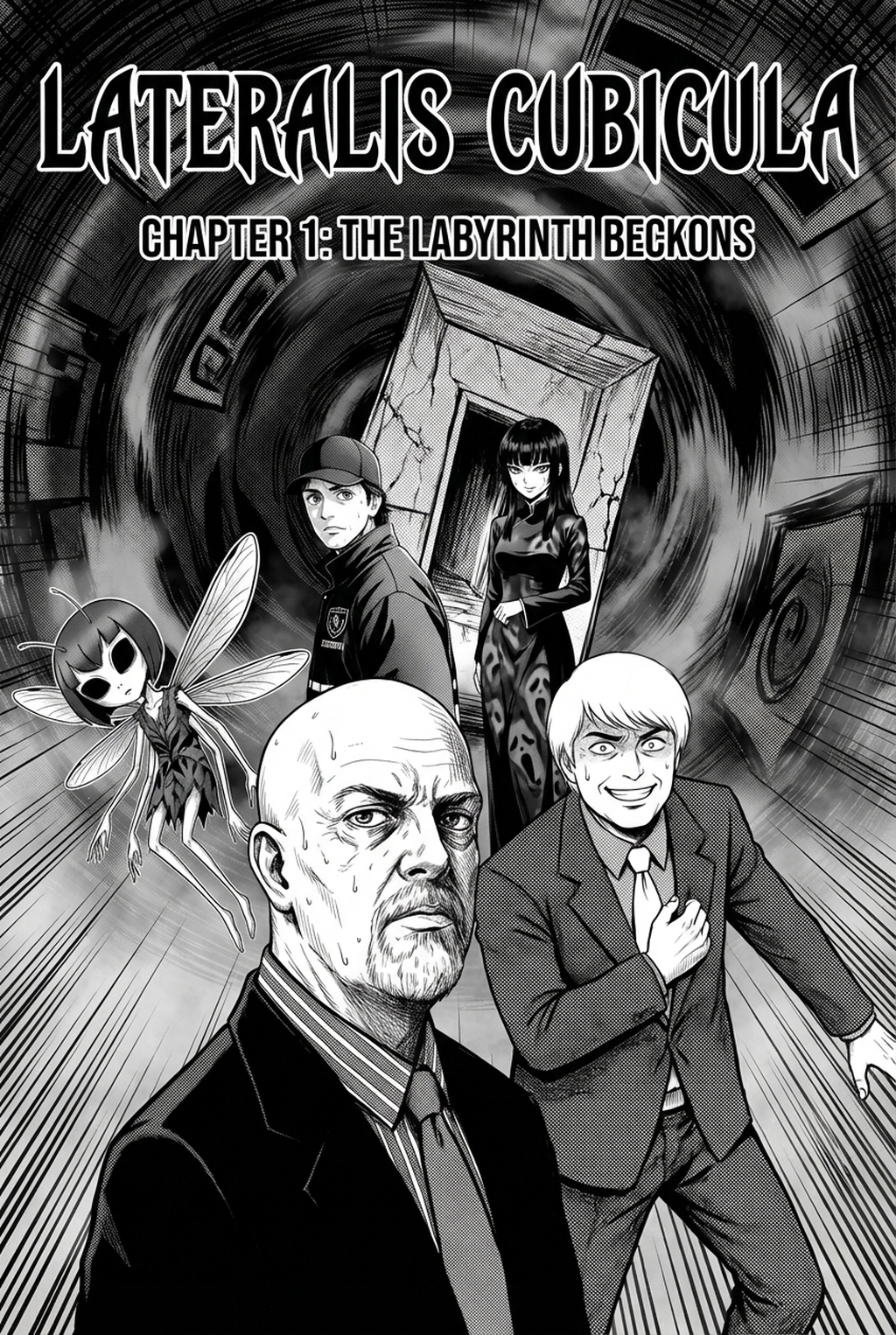
" Maintaining Visual Lore. This keeps the review focused on story intent, line weight, panel readability, and the export quality behind the final AI Manga Background Artist output. Your environments function as a visual language. If you establish that spirit-realm entrances feature specific, swirling patterns, you must replicate that texture precisely across every chapter. This prevents the confusion that occurs when readers struggle to track the rules of your world, keeping them locked into the narrative instead of questioning the visual logic of your layouts.
Amateur panels often fail because the background looks like an afterthought layered behind the character. By utilizing a unified source context for your background assets, you ensure that the perspective lines in your environment naturally guide the reader toward the action, rather than competing with it for attention.
Integrating AI in Your Production
The AI Manga Background Artist allows you to move beyond the hours of manual perspective drawing by generating intricate, high-fidelity backdrops directly from your script’s scene descriptions. Instead of spending three hours on a single cross-hatched altar, you can generate the base, clean up the lines to match your specific style, and move to the next panel in minutes.
You can achieve precise control by treating the AI as an assistant that understands your specific aesthetic needs. This provides the tool with the necessary parameters to export a background that already fits the line-weight of your characters. The tool acts as a delivery format for your production, allowing you to bypass the initial sketch phase entirely. You generate the background, export the image as a high-resolution file, and then perform a final review to ensure the lines harmonize with your hand-inked foreground characters. This is how you reclaim your schedule without sacrificing the quality of your horror environments.
Applied Use Cases for Creators
Incorporating environmental foreshadowing is a technique used by top-tier mangaka to reward observant readers. You can hide recurring, subtle supernatural runes within the background architecture that only reveal their true shape when a character reaches a specific "trigger" point in the plot.
Use scale manipulation to emphasize your character’s frailty during high-stakes encounters. By placing your protagonist against massive, imposing, or impossible structures, you visually reinforce their vulnerability against the supernatural entities they are fighting. This requires the background to have enough detail to be imposing, but enough clarity to ensure the character remains the focal point of the page.
You should adjust your shadow density based on the spiritual intensity of the scene. Consider a walkthrough of a five-panel page:
- Panel 1-2: Low-density, clear architecture; the character is safe. * Panel 3: Sudden increase in shadow density as the background architecture becomes more jagged and oppressive. * Panel 4-5: High-density, almost completely black backgrounds; the environment itself is swallowing the protagonist, signifying a total loss of control.
- Chapter cadence. Use the AI pass for pages where speed matters most, such as repeated action poses, transformation beats, or dense speed-line panels. Keep manual cleanup for hero panels where the line style defines the emotional peak. - Character continuity. Compare the generated lines against the same model sheet, costume notes, and facial-expression range used during sketching. This prevents a fast inking pass from drifting away from the character identity readers recognize. - Export readiness. Check whether the final manga output can move into lettering, coloring, or final layout without rebuilding panel borders or speech-bubble space. A good manga workflow should save time while keeping the next production step predictable.
Getting Started with Mangaka
and test your first scene description using a focused, style-specific creative brief. You do not need to be an expert in perspective math to create world-class environments, as the tool manages the spatial geometry for you. Simply ensure that you use consistent base creative brief settings across your chapters to maintain the visual rules of your story, preventing style drift as your series progresses.
Creators should compare the generated line art with the original sketch and confirm that facial expressions, props, speed lines, and speech-bubble space still support the scene. A repeatable review pass should cover character consistency, panel readability, background clarity, and whether the final file is ready for coloring, lettering, or editor feedback.
- Before Export. Creators should compare the generated line art with the original sketch and confirm that facial expressions, props, speed lines, and speech-bubble space still support the scene. A repeatable review pass should cover character consistency, panel readability, background clarity, and whether the final file is ready for coloring, lettering, or editor feedback.
- For Longer Projects. Creators should save approved examples of line weight, face detail, clothing folds, and background density. Those references keep later chapters closer to the intended style. For collaboration, creators should mark which panels are final and which panels still need redraws. Clear status labels prevent an assistant, editor, or colorist from polishing the wrong version.
- For Publishing. Creators should review the page at the actual reading size before export. Small screens expose crowded dialogue, weak silhouettes, and line details that looked fine while zoomed in. Creators can use Supernatural manga background art when they need a reviewed path from rough sketch to clean manga output.
Creators can evaluate Supernatural manga background art with Mangaka mid-workflow when they need the product path tied directly to review, refinement, and export. A real test should use the same sketch, character goal, or panel sequence that would otherwise need manual cleanup after generation.
The Bottom Line
Mastering supernatural backgrounds is the difference between a flat comic and a truly immersive experience that haunts the reader long after they finish the page. Creators can use each revision decision to clarify panel readability, character consistency, and export quality before publishing or sharing.
Related articles
Automate Your Manga Inking: Get Clean Lines in Seconds 2026
Mastering Historical Manga Backgrounds: A Creator's Guide
Automate Inking Digital Manga Sketches with Mangaka AI 2026