AI Manga Style Transfer: Why This Aesthetic Choice Matters for Creators
Maintaining a cohesive art style builds essential world-building credibility, ensuring your magical elements feel grounded within the story's own visual logic. Without a unified stylistic approach, the transition between high-action sequences and intimate character dialogue becomes jarring, breaking the reader's immersion.
Managing the "visual tone shift" between chapters is critical to avoiding reader friction. When shifting from a light-hearted, village-centered scene to a tense, forest-based encounter, using a consistent palette prevents the reader from feeling like they have jumped into a completely different story.
Check character consistency, panel readability, line quality, and export readiness before publishing. Creators should also record why the page passed review, which panel details still need manual cleanup, and which export format the next collaborator will use. That makes the subsection useful instead of leaving a short checklist under a large heading.
Establishing a strict "palette-lock" for unique creatures ensures they remain immediately recognizable across varying environmental backdrops. By keeping your signature color codes for magical entities consistent, you remove the mental labor the reader must spend identifying character types in wide-shot panels.
Focusing on "ornate detail density" in your background panels is a common point of failure for fantasy artists. You must reduce the ink weight on architectural textures when a character is speaking in the foreground, ensuring the reader’s eye follows the dialogue flow rather than getting trapped in the background filigree.
How Fairy Tale Manga Art Style Works with Mangaka
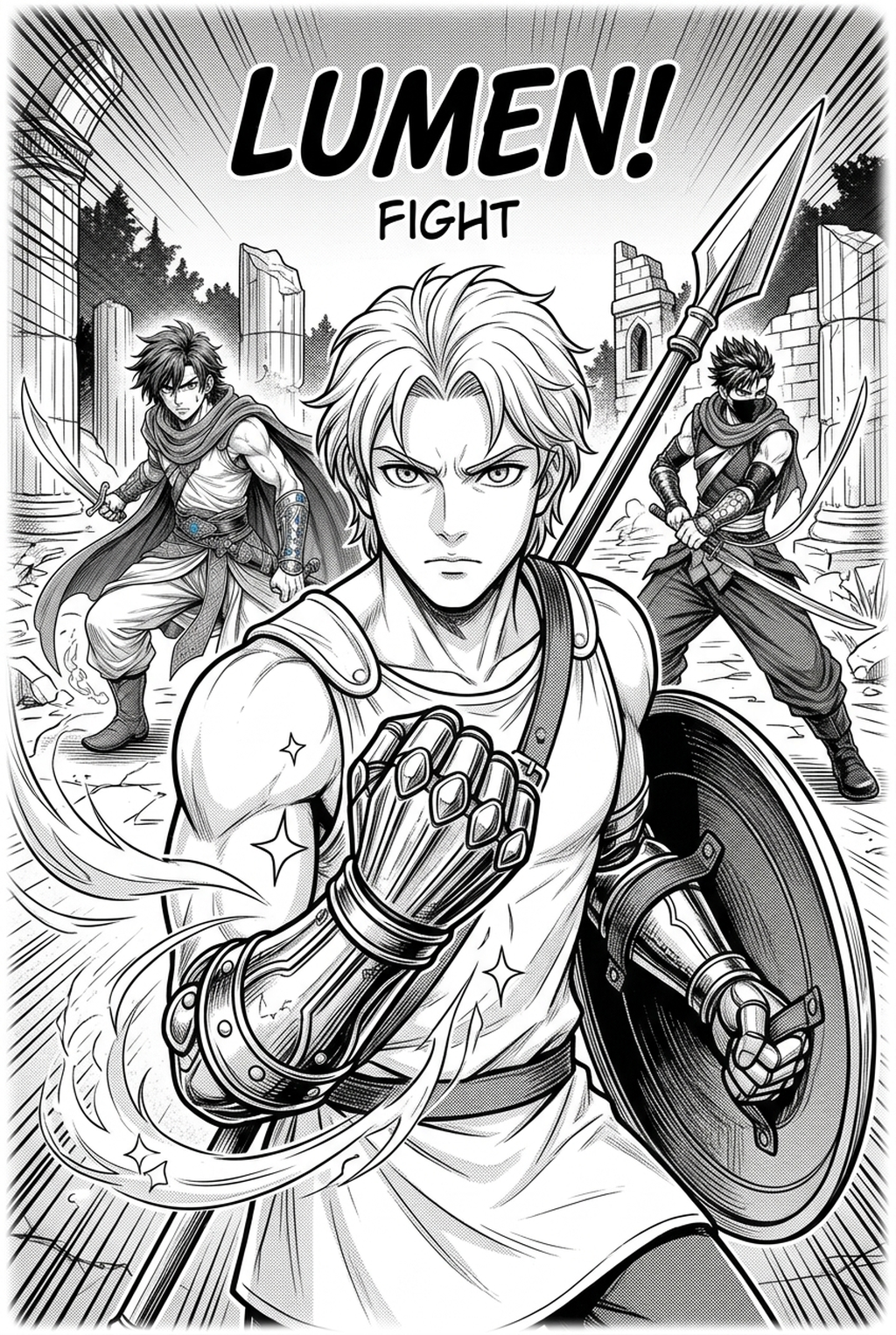
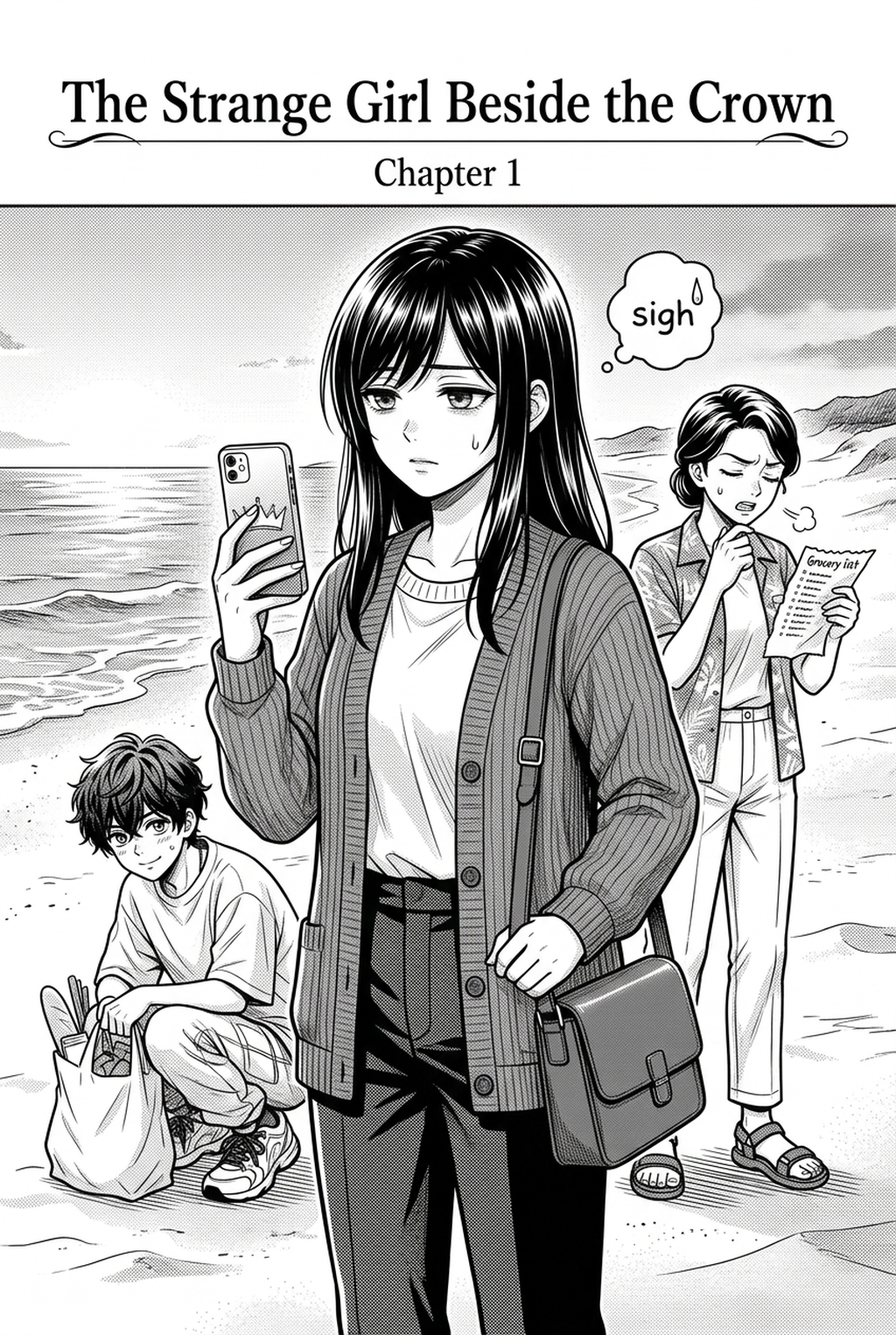
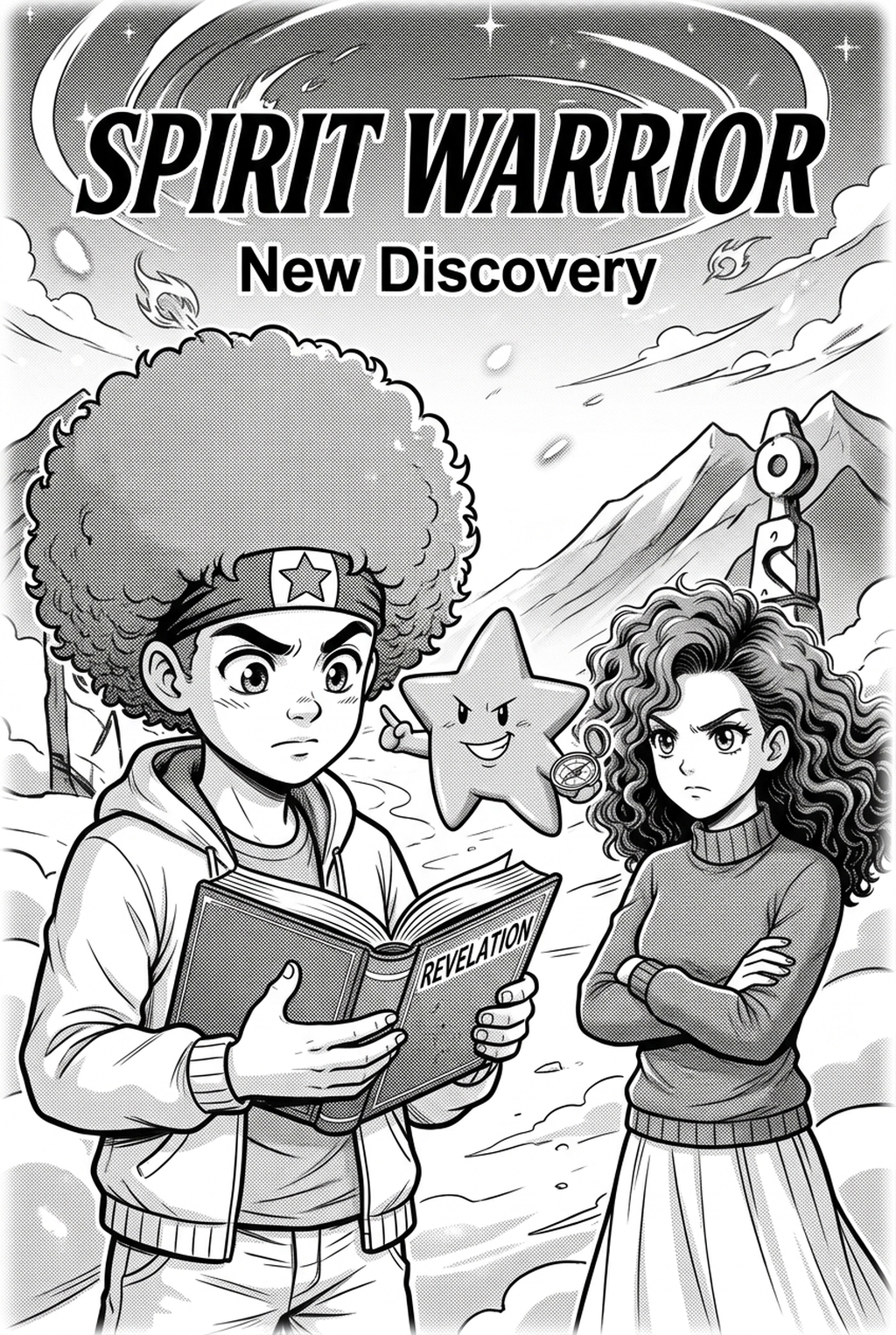
AI-driven style transfer allows you to convert rough storyboards into finished panels that strictly adhere to your chosen fantasy aesthetic. You can now offload the tedious manual inking of lace patterns and floral backgrounds to fairy tale manga art style , ensuring that every page maintains a consistent line-weight quality regardless of your current fatigue levels.
By automating the application of diffuse lighting and texture mapping, you regain hours of production time. Instead of spending six hours inking a single castle gate, you can process your high-fidelity sketch and focus your human creativity on refining character expressions or perfecting the panel-to-panel narrative pacing.
The system enables artists to map fairy tale rendering parameters directly onto raw sketches. This ensures that the line-weight and shading remain uniform across your entire project, eliminating the "line-drift" that often occurs when an artist attempts to ink 20+ pages of high-fantasy clothing by hand in a single sitting.
Use Cases for AI Manga Style Transfer
Creating a successful page involves layering soft, diffuse light effects over clean, high-contrast character art to maintain overall readability. Effective page construction uses varied panel sizes to frame magical key moments, contrasting intimate, "story-book" close-ups with wide, sprawling fantasy landscapes that utilize the same aesthetic rendering.
Your original sketch remains the source of truth for the final render. Ensuring your input sketch provides high-fidelity line work allows the AI to interpret complex costume motifs correctly, resulting in cleaner, more professional final exported files that retain your authorial signature without the manual strain of repetitive inking.
How to Get Started with Mangaka
You can apply the fairy tale art style to specific characters or scenes without affecting the aesthetic of the entire page, which provides modular control over your composition. This means your high-action sequences can retain a sharper edge while your mystical, world-building panels transition smoothly into the signature fairy tale look.
Workflow Fit for Creator Output. Using AI as a base for your sketches ensures your unique style remains intact, as the tool merely automates the most time-consuming rendering aspects. By controlling the input fidelity, you retain absolute authority over the character proportions and the emotional weight of each frame.
When working with ornate fantasy armor, clarity is your best tool. Use clear, thick lines for your primary character silhouettes in your rough sketch to allow the rendering model to map complex patterns onto your characters with precision, turning a basic sketch into a high-detail final panel. Before export, creators should compare the generated line art with the original sketch and confirm that facial expressions, props, speed lines, and speech-bubble space still support the scene.
- Before Export. Creators should compare the generated line art with the original sketch and confirm that facial expressions, props, speed lines, and speech-bubble space still support the scene. A repeatable review pass should cover character consistency, panel readability, background clarity, and whether the final file is ready for coloring, lettering, or editor feedback.
- For Longer Projects. Creators should save approved examples of line weight, face detail, clothing folds, and background density. Those references keep later chapters closer to the intended style. For collaboration, creators should mark which panels are final and which panels still need redraws. Clear status labels prevent an assistant, editor, or colorist from polishing the wrong version.
- For Publishing. Creators should review the page at the actual reading size before export. Small screens expose crowded dialogue, weak silhouettes, and line details that looked fine while zoomed in. For style control, creators should keep a short reference board beside the draft and compare hair shapes, eye details, costume folds, and texture choices before approving the final page.
The Bottom Line
Adopting a creator workflow is an effective way to elevate the emotional resonance of your project, and leveraging AI tools like fairy tale manga art style ensures you can achieve high-level professional results without sacrificing the human-led storytelling process. Focus your energy on consistent, high-fidelity sketches and thoughtful color palettes to ensure your world remains as magical as the story you are telling.
Related articles
Creating an Immersive Gourmet Manga Background: 2026 Guide
Automate Your Action Manga Inking with Mangaka AI in 2026
Creating 4-Koma Manga Strips: A Beginner’s Guide in 2026