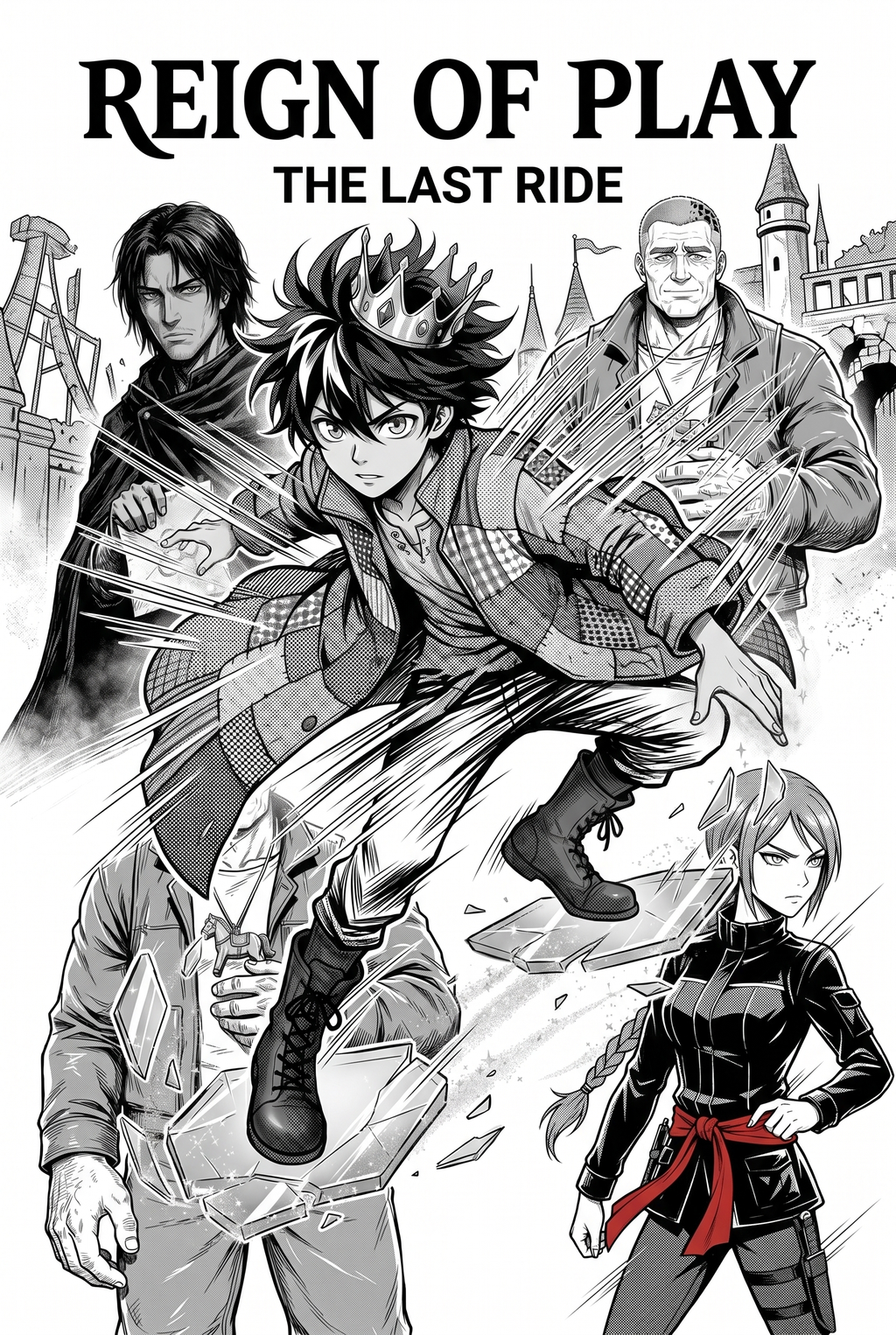
What Defines a Period-Accurate Storyboard Structure
A historical manga storyboard acts as the structural foundation, prioritizing architectural accuracy, costume continuity, and period-specific visual language. Unlike contemporary settings where urban sprawl is standard, historical pieces require rigorous source context documentation to ensure that props, weaponry, and social hierarchies remain consistent within every panel sequence.
The primary goal is establishing the narrative flow, the precise emotional rhythm that keeps readers engaged while adhering to the technical constraints of the chosen era. Without a solidified structure that honors historical reality, even the most dynamic action sequence loses its gravity, as viewers are distracted by the visual dissonance of period-inaccurate background elements or weapon handling.
Essential Benefits for Period-Driven Creators
Historical manga creators constantly battle the immersion challenge, where one accidental anachronism can force the reader out of the story. Managing visual encyclopedias is the most demanding aspect of this process, as you must track character reference sheets that include period-specific attire variations, such as the distinct layering techniques for Edo-period kimonos or the evolving military insignia of the Meiji era.
Cultural fidelity also involves embedding socio-political constraints into your page layout. Rigid, narrow panel structures can effectively communicate the stifling nature of a restrictive era, while sprawling, unconstrained panels better suit the narrative beats of transformative historical milestones or the vast scale of traditional architecture.
| Feature | Modern Setting Approach | Historical Setting Requirement |
|---|---|---|
| Architectural Depth | Generic city street assets | Verified structural scale |
| Character Attire | Seasonal fashion trends | Period-accurate material layering |
| Combat Dynamics | Freestyle movement | Armor-constrained kinetic energy |
Workflow Optimization with Mangaka
AI-driven tools now handle the mechanical burdens of panel arrangement, allowing you to prioritize the delivery format of your extensive historical research. The Historical manga storyboard with Mangaka allows you to input specific narrative beats, automatically generating layouts that respect the spatial demands of your environment, such as the dense, intricate woodwork of traditional interiors or the expansive, sparse geography of rural landscapes.
By automating the review phase of layout design, you can visualize the pacing of action sequences and the composition of complex scenes before a single inking pen touches the page. This capability prevents the common failure of line-weight drift caused by overworking background details to compensate for inaccurate spacing or skewed perspectives.
Practical Use Cases for Era-Specific Paneling
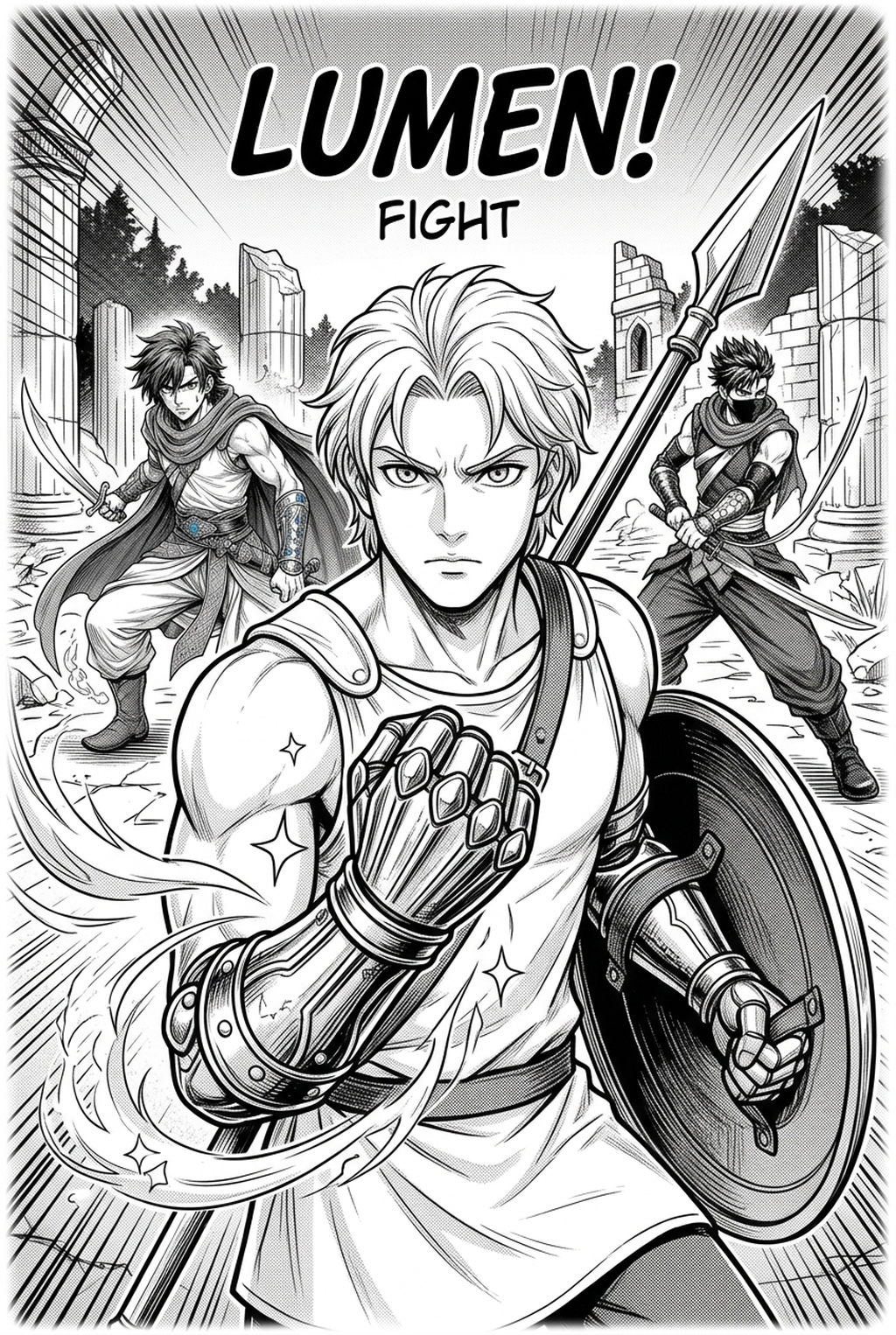
Action sequences in historical narratives require a delicate balance between period-accurate combat terminology and modern, cinematic paneling techniques. Integrating field-of-vision constraints—such as simulating the restricted visibility inside a samurai's kabuto helmet—via selective panel borders and focused composition, can significantly heighten the tension of a scene without sacrificing visual clarity.
Perspective shifts during complex skirmishes represent a major failure point for many artists, often resulting in distorted building scales relative to the combatants. AI-assisted perspective management ensures that a castle gate or a fortress wall maintains its imposing stature consistently across every panel, preventing the jarring shifts in size that usually occur when drawing dynamic scenes by hand.
Initiating Your Historical Design Process
Ensuring your research remains intact throughout the storyboard phase requires linking supplemental metadata to each scene block, effectively creating an annotated map of your visual requirements. You can handle specific historical architectural requirements by providing descriptive, context-heavy inputs that serve as the primary source for panel generation.
Creative Brief and Source Input
Creative Brief and Source Input. Digital storyboarding offers distinct advantages over traditional paper sketches for historical pieces, as it allows for the rapid iteration of complex background assets. Maintaining consistency in environments—such as the specific density of trees in a feudal forest or the arrangement of tatami mats in a merchant house—is significantly more reliable when assets are stored digitally and projected into your storyboard workflow.
Every panel in a historical sequence must account for the specific architectural tropes of the era, which often dictate the flow of the characters within the space. Using descriptive keywords for building materials—such as unfinished cedar, stone foundations, or tiled gables—ensures the AI layout builder respects the physical limits of the location, preventing the generation of implausible spatial relationships.
Reference sheets should be treated as constant variables in your scene builder, linking specific character ID tags to their respective attire. If a scene requires a specific winter variant of a character's robes, the system ensures that those design elements persist across the entire chapter, eliminating the need to manually verify every panel for inconsistent costume details during the inking process. Before export, creators should compare the generated line art with the original sketch and confirm that facial expressions, props, speed lines, and speech-bubble space still support the scene.
Generation Review and Export
A repeatable review pass should cover character consistency, panel readability, background clarity, and whether the final file is ready for coloring, lettering, or editor feedback. For longer projects, creators should save approved examples of line weight, face detail, clothing folds, and background density. Those references keep later chapters closer to the intended style.
Creators should mark which panels are final and which panels still need redraws. Clear status labels prevent an assistant, editor, or colorist from polishing the wrong version. For publishing, creators should review the page at the actual reading size before export. Small screens expose crowded dialogue, weak silhouettes, and line details that looked fine while zoomed in.
The Bottom Line
Effective historical storytelling requires a synthesis of rigorous, period-specific research and precise, purposeful narrative structure. By utilizing the Historical manga storyboard to handle the heavy lifting of layout design and perspective management, you can focus entirely on the historical nuance and emotional weight that defines a memorable epic.
Related articles
Fantasy Manga Storyboard Builder | Build Your Story with AI
What Is 4-Koma Manga? A Complete Guide to the Format 2026
How to Create a Fantasy Manga Storyboard That Hooks Readers