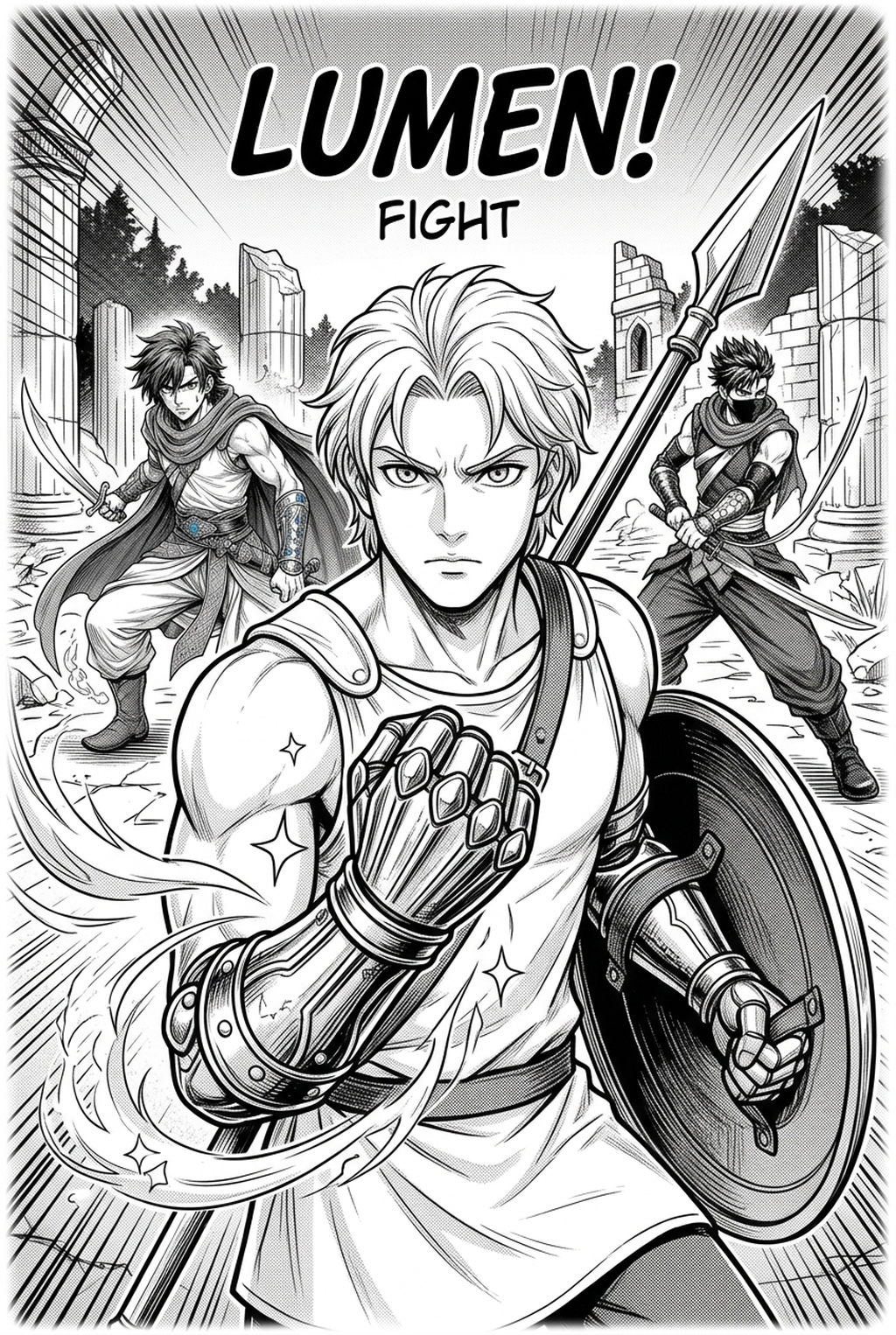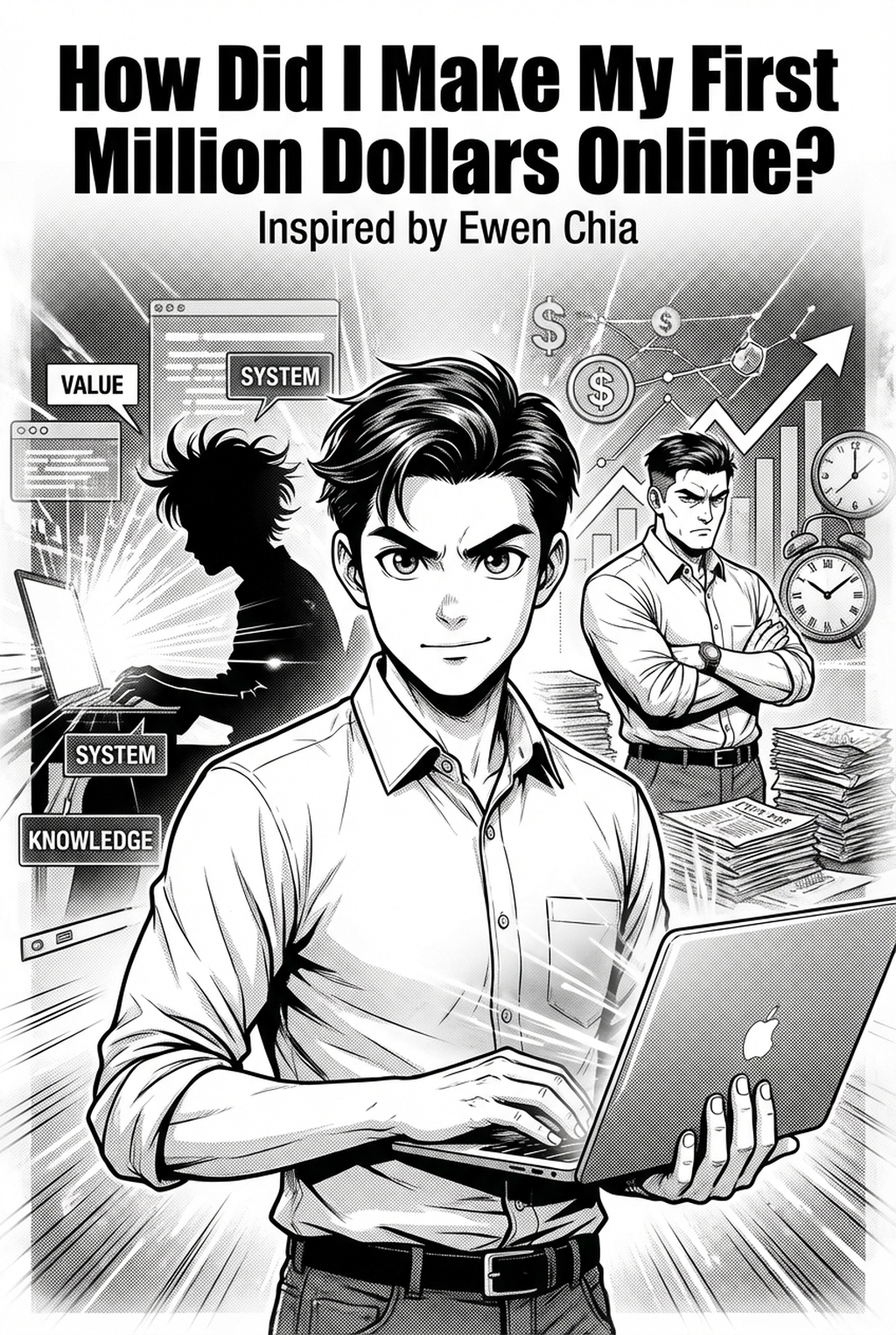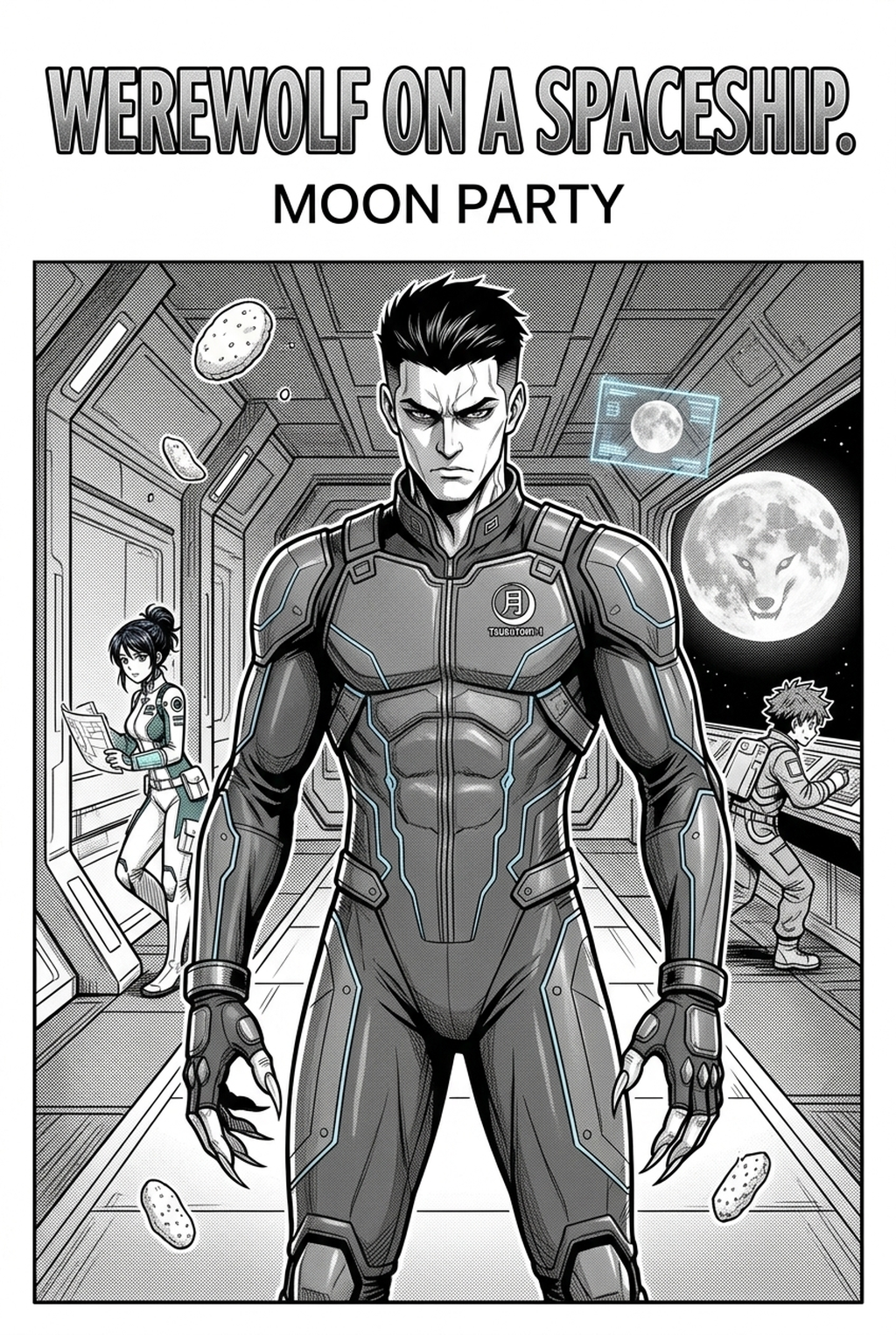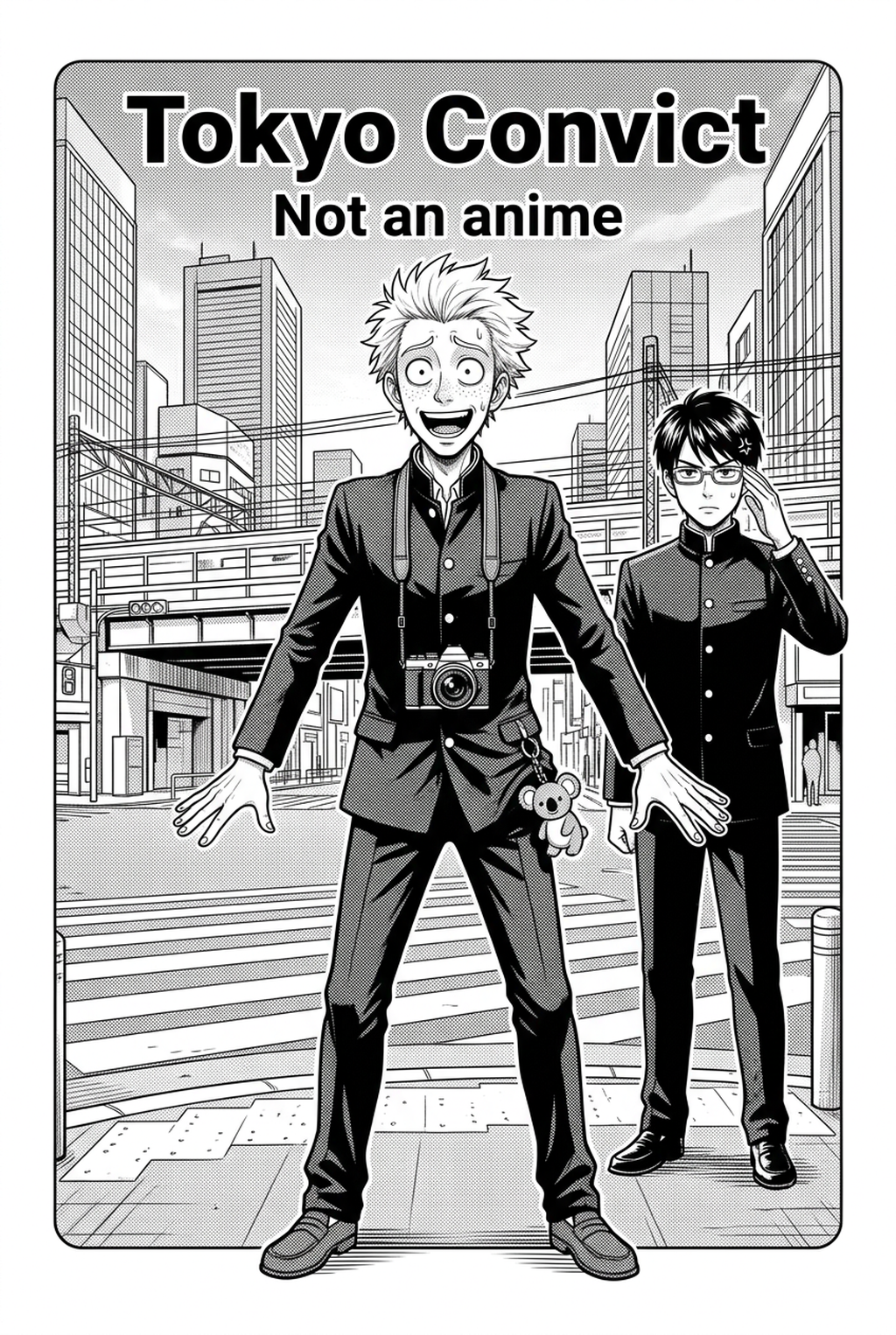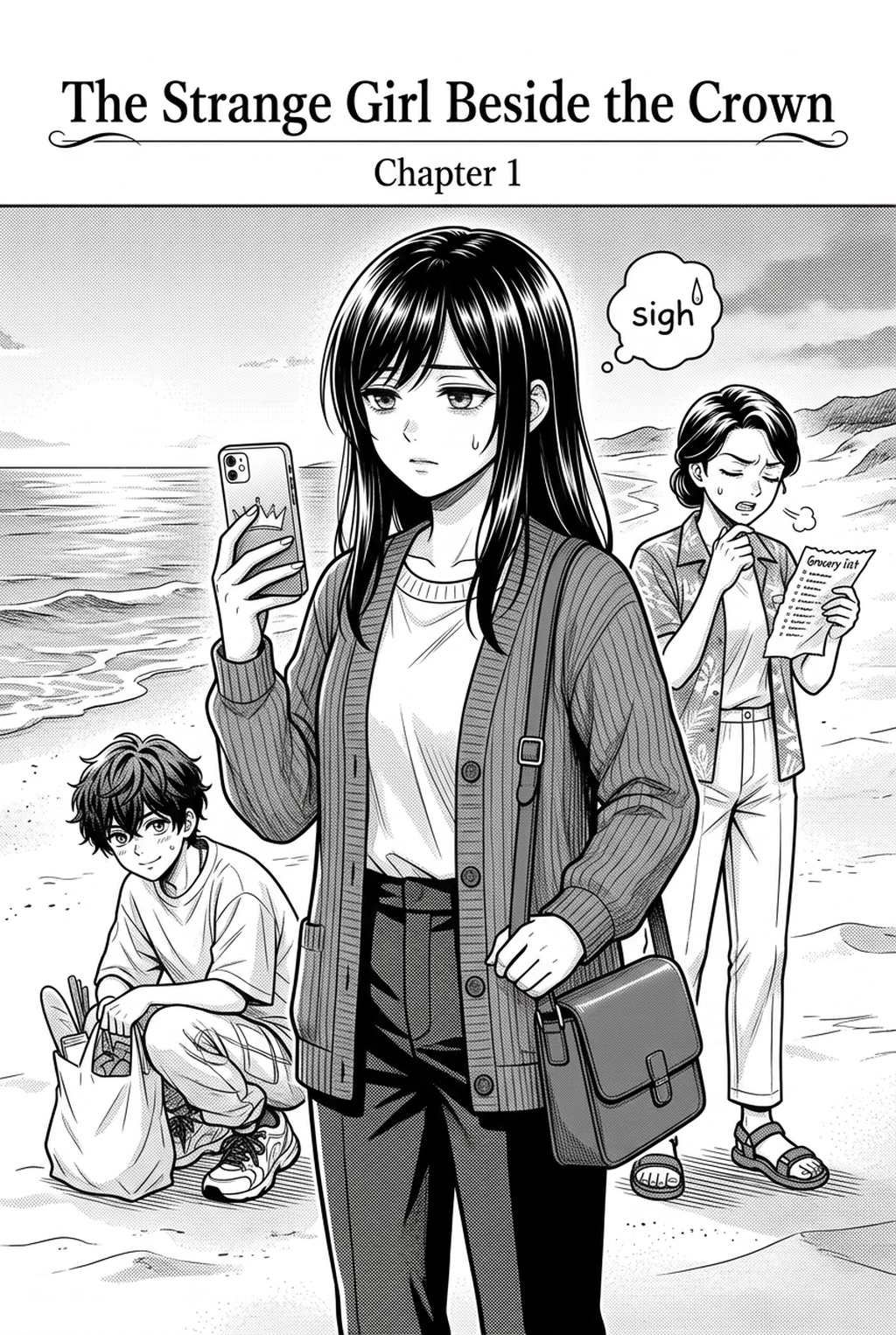
Defining the AI Manga Storyboard Builder
A fantasy manga storyboard is the foundational blueprint that organizes panel sequences to emphasize epic scale, magical choreography, and emotional stakes. Unlike the contained framing of slice-of-life titles, this format requires deliberate whitespace to communicate the vast geography of otherworldly realms and the erratic mobility of non-human antagonists.
It serves as the critical "source context" where you must reconcile character design requirements with the structural demands of high-fantasy environments. Without a robust layout, your final inked panels may suffer from character-proportion drift or cluttered action lines, particularly when depicting massive scale differences between protagonists and world-ending threats.
Importance for Narrative Impact
Effective narrative flow guides the reader's eye through impossible geography and non-human character movements that are common in the fantasy genre. When you neglect your storyboard pacing, your readers often feel disconnected during large-scale magic battles where the visual stakes are poorly defined.
Proper panel arrangement ensures that high-intensity magical battles do not become visually confusing for the reader. Fantasy readers prioritize "impact moments," and using large, unconventional gutters in your storyboard helps delineate between the mundane world and high-stakes supernatural sequences.
- Verticality Management: High-fantasy scenes require tall, narrow panels to emphasize the height of legendary creatures or the reach of long-distance spells. * Gutter Variation: Adjusting the gap between panels forces the reader to pause, which is essential after a high-energy explosion or a sudden magical reveal. * Focus on Clarity: A well-structured layout prevents the "clutter effect" where too many overlapping magical effects render the character's core action unreadable.
The Mangaka Layout Integration
You must balance action-dense panels with character reaction shots to prevent reader fatigue during long-form fantasy arcs. The Mangaka tool acts as your layout partner, allowing you to manipulate the spatial delivery of your story before you commit to expensive, time-consuming inking phases.
One key to maintaining quality is incorporating "magic system telegraphing" into your layout, ensuring the storyboard shows the wind-up of a spell so the payoff panel feels earned. You can control the delivery of speed lines and visual effects through varied panel shapes, ensuring that the final art never overwhelms the underlying story logic.
- Panel Auto-Arrangement: The system analyzes your script inputs and automatically suggests layouts optimized for fantasy pacing, saving hours of manual drafting. * Flow Reconciliation: You can quickly iterate on your sequence if the transition between a quiet character moment and an intense battle feels too abrupt. * Stylistic Control: By defining your panel boundaries early, you retain full authority over the visual weight of your art before the final export process.
Strategic Use Cases for Layout Builders
AI-assisted tools like the Fantasy manga storyboard allow creators to auto-arrange panels specifically optimized for fantasy narrative pacing. By offloading the technical burden of perspective grids and rigid panel counts, you gain the freedom to focus entirely on the directorial "review owner" role, iterating on storytelling impact rather than manually plotting vanishing points.
Creators often leverage this technology to experiment with "cinematic verticality," which involves panels that span the height of the page to emphasize monster size or magical scale. For example, a 12-panel page might feature a massive, vertical splash panel covering 60% of the page to show a dragon's descent, followed by four tight, small panels to show a hero’s desperate counter-maneuver.
- Rapid Prototyping: Build three different variations of a high-stakes combat sequence in under twenty minutes to see which version maximizes the emotional payoff. * Scale Consistency: Use the tool to ensure your main character maintains a consistent silhouette size even when the background geometry changes drastically. * Export Flexibility: Easily export your finished storyboard as a high-resolution PDF or PSD, preserving your layer structure for later coloring and inking.
Initializing Your Creative Workflow
You do not need to be a professional illustrator to use a storyboard builder, as the tool handles the layout logic so you can focus on the sequence of events. Whether you are drafting a shonen-style power struggle or a dark, atmospheric seinen journey, the tool provides the structural foundation required for professional results.
- Workflow Flexibility: While the software provides smart defaults for panel flow, you retain full control over manual overrides for emotional emphasis or experimental layouts. * Rework Mitigation: A solid storyboard drastically reduces the risk of expensive rework, as you have already verified your composition before committing to the detailed, final inking phase. * Genre-Specific Logic: The interface allows you to toggle between different narrative modes, ensuring your paneling style matches the tone of your specific fantasy world.
Creators should compare the generated line art with the original sketch and confirm that facial expressions, props, speed lines, and speech-bubble space still support the scene. A repeatable review pass should cover character consistency, panel readability, background clarity, and whether the final file is ready for coloring, lettering, or editor feedback. For longer projects, creators should save approved examples of line weight, face detail, clothing folds, and background density. Those references keep later chapters closer to the intended style.
The Bottom Line
A successful creator workflow bridges the gap between a chaotic creative vision and a structured, highly readable chapter that keeps readers turning the page. By utilizing AI-assisted tools to manage your narrative architecture, you can focus on delivering high-quality, epic stories that resonate with your target audience. You can Fantasy manga storyboard by defining the flow first; your readers will notice the difference in pacing and impact immediately.
Related articles
Mastering Historical Manga Background Art for 2026 Pieces
How to Build a Manga Storyboard: A Beginner Guide 2026
Create Your Manga Storyboard Fast with AI-Powered Layouts