AI Manga Character Designer: Defining the Scavenger Aesthetic
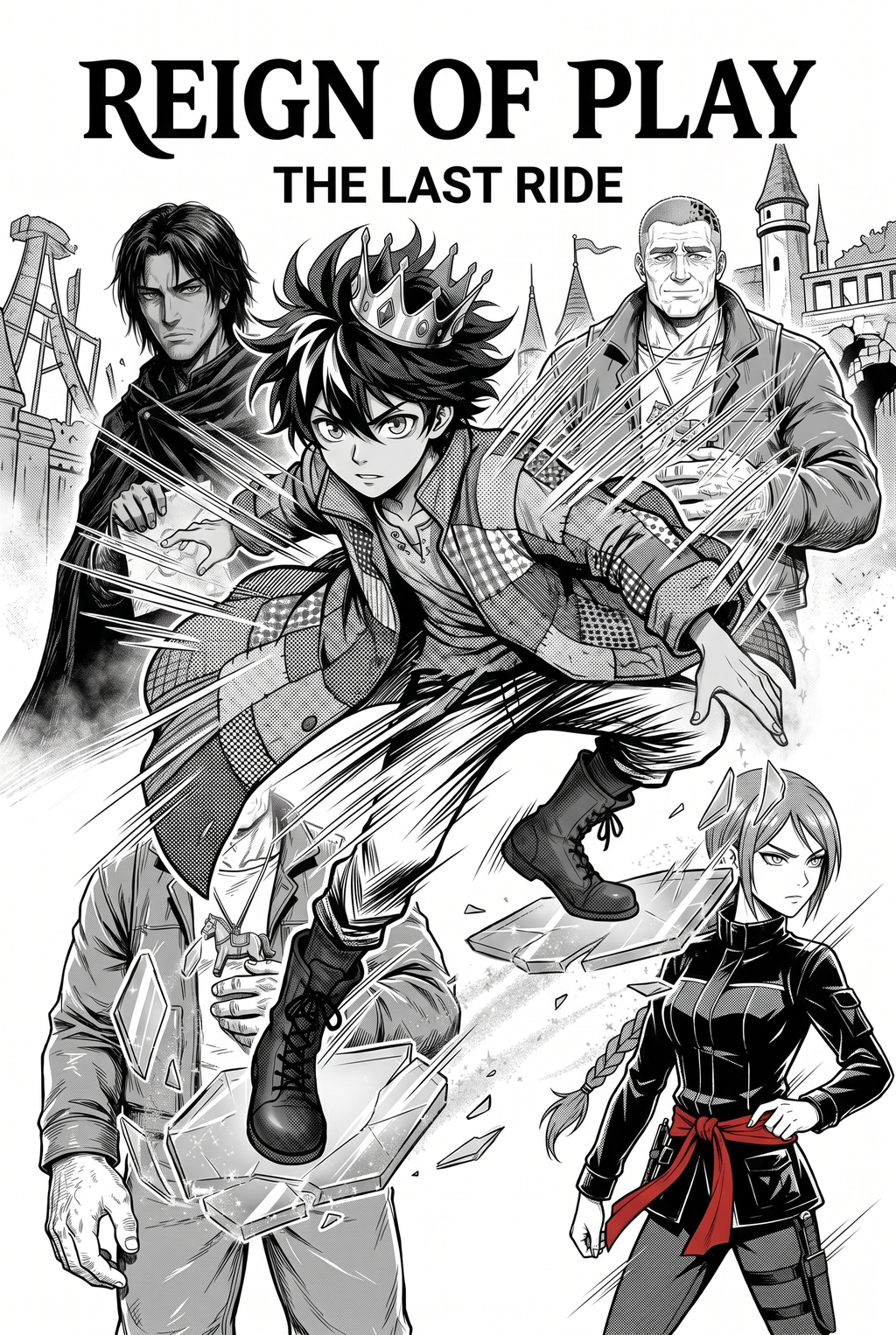
The Rebuild World aesthetic relies on the visual tension between rugged, worn-out scavenger equipment and the sleek, advanced-tech weapon silhouettes that contrast against a ruined landscape. You should prioritize a design language that emphasizes modular clothing, tactical vests loaded with utility pouches, and the integration of inorganic, exposed cybernetic limb structures.
Aim for a desaturated, dust-heavy earth tone base to mimic the environment of a scavenged wasteland. Inject vibrant neon highlights only when signaling active energy-based tech or artificial components, as this creates a focal point that guides the reader's eye through dense panel compositions.
Why This Design Logic Matters
Character design for Seinen manga demands a focus on realistic wear-and-tear, where equipment damage serves as a crucial narrative device to communicate a character's survival history. The scavenger-tech visual language uses layered textures—scratched metal, reinforced fabric, and exposed cabling—to establish a gritty, high-stakes atmosphere that standard generic fantasy designs fail to capture.
Maintaining character consistency in long-form manga requires you to define 'anchor traits' that reappear in every panel, such as a signature mechanical motif or specific recurring chest rig configuration. If you ignore these anchor points during the layout phase, you will experience significant character-proportion drift that breaks reader immersion by the time you reach the second volume.
Integrating AI into Your Production
Mangaka allows you to manage the 'mechanical-meets-organic' synergy by letting you input descriptive text descriptions that fixate on the gear-to-body ratio required for a scavenger character. Instead of sketching every belt or cable manually, you can use the tool to maintain visual consistency by utilizing seed images and stable character references that force the scavenger aesthetic to remain unified across multiple chapters.
| Feature | Manual Drawing | Mangaka Workflow |
|---|---|---|
| Gear Consistency | High risk of drift | Seed-locked reference |
| Mechanical Detail | Hours of sketching | Instant structural logic |
| Line-weight Sync | Requires manual pass | Preserved via output |
The tool facilitates rapid iteration of complex gear configurations, allowing you to visualize tactical rigs that would traditionally require hours of extensive manual sketching to render correctly. By offloading these repetitive structural tasks, you ensure the character remains recognizable even when they are heavily obscured by environmental clutter or combat damage.
Application in Your Production Production Process
Integrating AI into your production production process helps bridge the gap between initial character concepts and final inked panels by standardizing your design terminology across the entire team. You should use AI-generated outputs as a foundational reference layer, which streamlines your sketching phase specifically for complex, high-detail weapon schematics or layered tactical rigs.
- Reference Layering: Utilize the AI output to sketch your base perspective before finalizing line work in your preferred software. * Asset Standardization: Keep a library of generated scavenger gear components to ensure consistency when drawing different characters from the same faction. * Compositional Aid: Insert AI-generated poses into your panel layouts to check for spatial clearance between characters and background debris.
The delivery format of these AI assets is optimized for standard digital workflows, allowing for seamless integration into existing coloring suites or background composition layers. This approach allows you to focus on the emotional weight of your storytelling rather than getting bogged down by the complexity of intricate sci-fi hardware.
Getting Started with Consistent Designs
To ensure your characters perfectly match the tone of the genre, use descriptive keywords like 'tactical scavenger', 'exposed cybernetic implants', and 'gritty post-apocalyptic tech' to guide your generation. Consistency is the most important feature for any long-term manga project; you must utilize stable reference models that maintain proportional and stylistic integrity across every page.
Tools like Rebuild World character design with Mangaka are specifically built to support creators in developing original intellectual property, meaning your designs remain your own. You can use these generated assets commercially to expand your manga world without the worry of copyright ambiguity. If you find your character design drifts, re-feed your best panel into the reference model to reset the stylistic parameters for your current chapter.
- Before Export. Creators should compare the generated line art with the original sketch and confirm that facial expressions, props, speed lines, and speech-bubble space still support the scene. A repeatable review pass should cover character consistency, panel readability, background clarity, and whether the final file is ready for coloring, lettering, or editor feedback.
- For Longer Projects. Creators should save approved examples of line weight, face detail, clothing folds, and background density. Those references keep later chapters closer to the intended style. For collaboration, creators should mark which panels are final and which panels still need redraws. Clear status labels prevent an assistant, editor, or colorist from polishing the wrong version.
- For Publishing. Creators should review the page at the actual reading size before export. Small screens expose crowded dialogue, weak silhouettes, and line details that looked fine while zoomed in. For style control, creators should keep a short reference board beside the draft and compare hair shapes, eye details, costume folds, and texture choices before approving the final page.
The Bottom Line
AI Manga Character Designer workflow is a masterclass in blending tactical grit with futuristic innovation, and modern tools now make achieving this specific look accessible to individual creators who need to maintain tight production deadlines. By focusing on design logic—rather than just aesthetic flair—you significantly reduce production time while elevating the quality of your manga panels. You can start refining your own consistent, high-tech character concepts today by visiting the Rebuild World character design to build your unique scavenger cast.
Related articles
Mastering the Thunder 3 Art Style for Modern Manga 2026
Mastering the Supernatural Manga Art Style for 2026
Maid Character Design: A Guide for Manga Artists in 2026