Как Сделать Веб-Комикс для Мобильных: Вертикальный Формат Webtoon
Краткое Содержание (TL;DR) - Focus: Master sequential visual storytelling using сделать веб комикс to accelerate your creative comic pipeline. - Core Method: Integrate prompt-driven storyboard parsing, strict character model sheets, and automated paneling. - Direct Answer: Modern deployment of сделать веб комикс breaks descriptive text scripts into structured panel prompts, locks character consistency via reference vectors and fixed seeds, applies dynamic panel borders, and renders export-ready comic assets.
Introduction: The New Frontier of Sequential Storytelling
Индустрия комиксов, манги и вебтунов в русскоязычном пространстве переживает стремительный рост. Независимые авторы, художники и сценаристы все чаще обращаются к технологиям сделать веб комикс, чтобы воплотить масштабные сюжетные задумки в полноценные графические романы и вертикальные веб-комиксы.
Создание манги классическим способом требует огромных временных затрат: недели уходят на черновую раскадровку, анатомические наброски, ручной лайн-арт тушью, наложение скринтонов и верстку диалоговых окон. Использование сделать веб комикс позволяет сценаристам и инди-командам преодолеть технический барьер и наладить регулярный выпуск визуальных глав с сохранением высокой детализации и кинематографичного ритма.
In this comprehensive 2026 master guide, we delve deeply into every technical, narrative, and operational facet of сделать веб комикс. You will discover actionable frameworks for script decomposition, anatomical posture control, perspective choreography, screentoning, vector typography, and international digital publication standards.
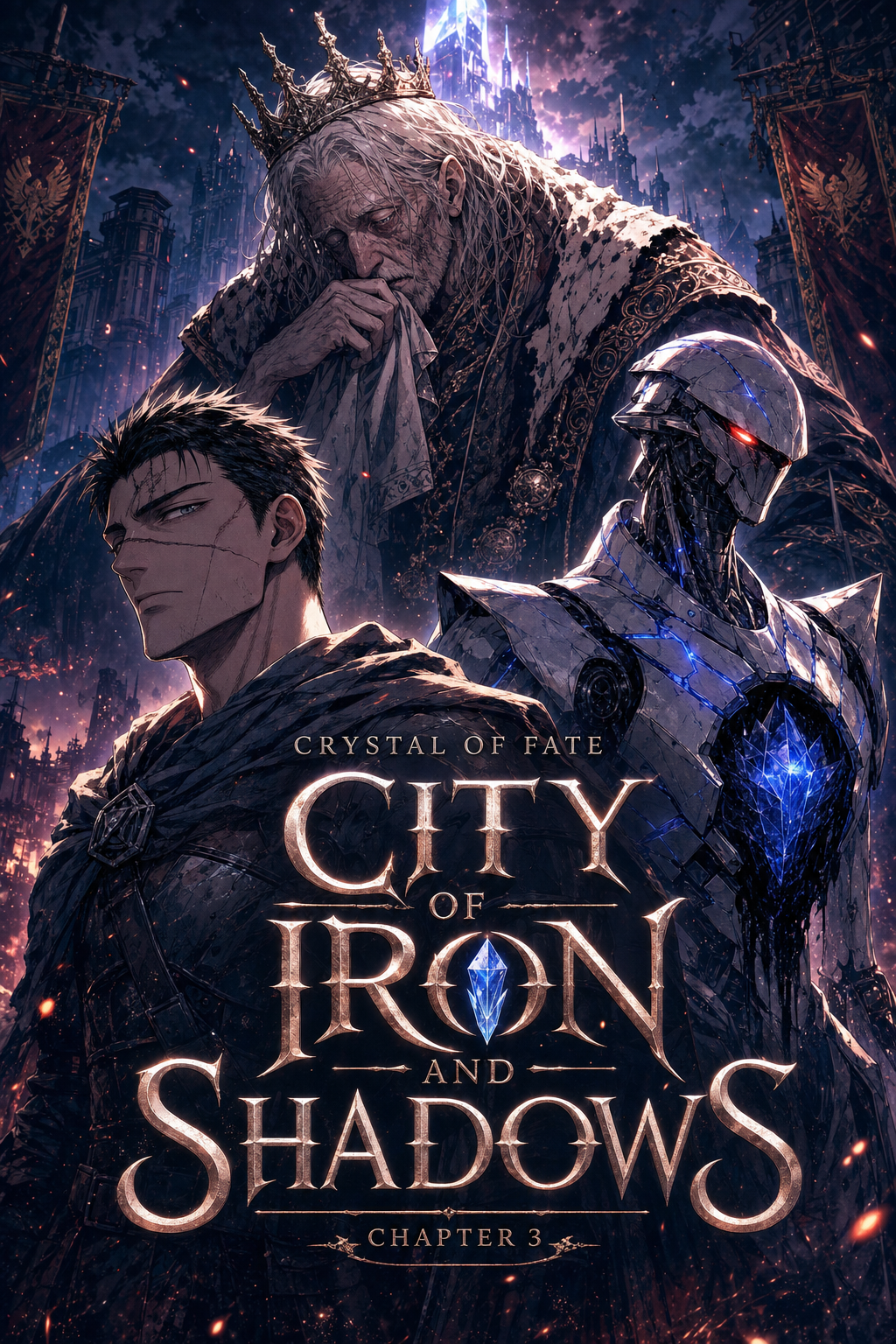
! Cover Visual Figure 1: Professional sequential workspace leveraging сделать веб комикс for automated digital paneling and character layouts.
1. Техническая Архитектура и Принципы Работы Нейросетей для Манги
Modern sequential generation engines represent a sophisticated convergence of semantic language parsing, latent diffusion processing, and vector graphic assembly. Rather than producing static isolated illustrations, modern platforms deploy dedicated sequential neural pipelines tailored for comic panel flow.
[Text Script / Scene Description]
               │
               ▼
[Semantic Script Parser & Scene Deconstructor]
               │
               ├──► [Character Consistency Embeddings (LoRA / IP-Adapter)]
               ├──► [Composition & Camera Perspective Controller (ControlNet)]
               └──► [Style & Aesthetic Vector Model (Screentone / Inking Engine)]
               │
               ▼
[Sequential Panel Rendering & Layer Separation]
               │
               ▼
[Vector Speech Bubble Placement, Sound Effects (SFX) & Print Export]
Semantic Script Parsing and Beat Decomposition
When raw text is introduced into an advanced engine, natural language processing models break the descriptive narrative into sequential visual beats. Rather than generating a single disparate image, the system identifies subject placement, camera proximity (e.g., establishing long shot, medium two-shot, extreme close-up), emotional valences, lighting vectors, and environmental context. This structured parsing guarantees that consecutive panels maintain continuous spatial continuity.
Multi-ControlNet Compositional Guiding
A primary limitation of early text-to-image generators was their inability to dictate exact geometric camera framing. Contemporary workflows integrate multiple ControlNet preprocessors:
- OpenPose Models: Lock specific character anatomical postures, hand gestures, and dynamic kinetic combat positions.
- Depth Map Estimators: Maintain foreground, midground, and background visual separation, ensuring cinematic depth of field across sequential panels.
- LineArt and Canny Detectors: Preserve hard black-and-white ink outlines typical of classic manga and international graphic novels.
Style Preservation via Dedicated Comic Embeddings
Whether aiming for crisp modern webtoon color palettes, gritty indie comic cross-hatching, or vintage Japanese screentone textures, dedicated LoRA (Low-Rank Adaptation) checkpoints calibrate generative weight distributions. This specialized tuning ensures that outputs do not resemble generic photographic renders, but authentic, hand-drawn sequential art.
2. Сравнительный Анализ: Традиционное Рисование против ИИ-Пайплайна
Understanding the operational efficiency gained through technological acceleration clarifies why modern digital studios rely on сделать веб комикс:
| Production Milestone | Traditional Manual Process | AI-Assisted Workflow with Сделать Веб Комикс | Time Savings Factor |
|---|---|---|---|
| Script Breakdown & Beat Sheet | 6–8 hours per chapter | 45 minutes using automated parser | ~8x Faster |
| Thumbnailing & Panel Roughs | 10–14 hours of manual sketching | 1.5 hours utilizing preset canvas layouts | ~8x Faster |
| Penciling & Anatomy Construction | 25–40 hours per chapter | 4–6 hours with prompt pose guides | ~7x Faster |
| Inking & Clean Line Art | 18–30 hours with digital dip pens | 3–5 hours using vector clean filters | ~6x Faster |
| Tones, Screentones & Shading | 12–20 hours applying halftones | 2–3 hours with automated tone layers | ~7x Faster |
| Dialogue Lettering & SFX | 6–8 hours manual typesetting | 1 hour with dynamic vector balloons | ~7x Faster |
| Total Chapter Turnaround | 77–120 Hours | 12–19 Hours | ~6.5x Acceleration |
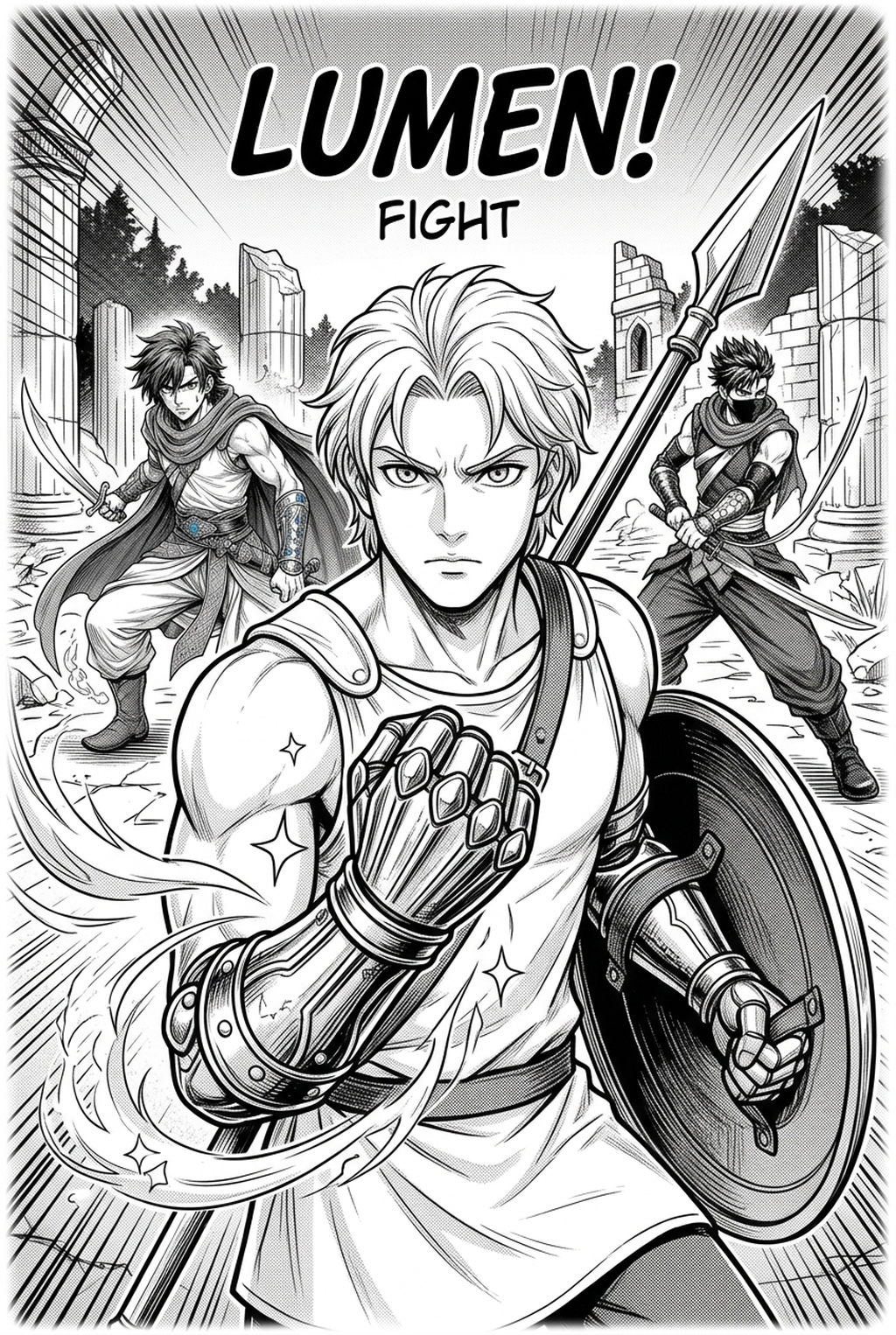
! Step-by-Step Storyboard Generation Figure 2: Transforming narrative script beats into structured, multi-panel storyboard layouts using сделать веб комикс.
3. Пошаговый Пайплайн Производства: От Сценария до Готовой Страницы
Executing a commercial-grade sequential art project requires disciplined adherence to standardized creative phases. Follow this rigorous step-by-step implementation protocol to maximize the capabilities of сделать веб комикс.
Phase 1: Script Formatting for Visual Generation
Unlike conventional literary prose, a script intended for comic generation must clearly delineate visual action from character dialogue. Structure your script utilizing the standardized Panel-Beat format:
PAGE 01 - SCENE: NEO-TOKYO ROOFTOP - DUSK
PANEL 1 (WIDE ESTABLISHING SHOT):
- Visual: Sprawling cyberpunk city skyline bathed in twilight. Rain slicks the concrete.
- Characters: Ren stands near the building ledge, black trench coat billowing in wind.
- Camera: Low angle looking up toward the overcast storm clouds.
- SFX: FWWOOOSSHHH (wind rushing across metal gutters).

PANEL 2 (MEDIUM SHOT):
- Visual: Ren turns his head, adjusting his holographic visor.
- Expression: Tense, focused, eyes narrowed.
- Dialogue: Ren: "The perimeter sensors were tripped. They are already here."
Phase 2: Anchoring Character Consistency
The hallmark of professional sequential storytelling is absolute character continuity across hundreds of varying panels, perspectives, and emotional states. When deploying сделать веб комикс, apply the following three-tier consistency methodology:
- Canonical Character Descriptors: Create an immutable descriptive prompt string for every recurring character.
- Fixed Random Seeds with Latent Variation: Reuse baseline random seeds during sequential generation, adjusting only sub-prompts related to physical action and camera framing.
- Reference Image Prompting (IP-Adapter): Feed a standardized five-angle character model sheet into the generative vision encoder.
! Character Model Consistency Figure 3: Consistent facial structure and costume detailing maintained across dynamic camera perspectives.
4. Сохранение Целостности Персонажей и Модельные Листы
Sequential comic art is not merely a collection of isolated illustrations; it is a fluid kinetic reading experience. Successful creators understand how panel gutters, reading flow, and perspective shifts guide the reader's eye across the page.
The Western Z-Path vs. Manga Reverse Reading Direction
- Western Layouts: The human eye scans panels in a Z-pattern—from top-left to top-right, dropping diagonally down-left to exit at bottom-right.
- Manga (Japanese Right-to-Left) Layouts: The scan path reverses—beginning top-right, traveling horizontally left, dropping diagonally down-right, and exiting bottom-left.
When generating panels with сделать веб комикс, always align character facing directions with narrative flow. Characters traveling toward the future or escalating an encounter should face the direction of reading motion. Conversely, characters retreating, hesitating, or suffering defeat should face against the primary reading axis.
Mastering Kinetic Energy and Panel Geometry
Standard rectangular grids work well for contemplative, dialogue-heavy sequences. However, high-octane action scenes require irregular panel shapes:
- Slanted Gutters (Diagonal Panel Borders): Introduce dynamic velocity, signaling explosive speed and instability.
- Bleed Panels: Extending artwork beyond the canvas edge creates a sense of unbounded scale and epic dramatic weight.
- Overlapping Floating Panels: Placing a high-contrast character portrait over a wider environmental panel emphasizes internal psychological focus.
! Dynamic Screentones and Panel Shading Figure 4: Application of authentic screentone textures, directional speed lines, and lighting gradients.
5. Леттеринг, Диалоговые Баллоны и Звуковые Эффекты (SFX)
Compelling visual art can be completely ruined by amateurish lettering and poorly positioned dialogue balloons. Dialogue bubbles serve two primary narrative functions: conveying information and orchestrating the timing of the reader's visual scan.
Tail Placement and Bubble Hierarchy
- Visual Staggering: Arrange dialogue bubbles in a clear descending order to prevent the reader from reading responses before questions.
- Breathing Room (Padding): Maintain at least 15% clear internal whitespace between dialogue text and the bubble perimeter. Cramped text induces visual fatigue.
- Tail Direction: Bubble tails must point unequivocally toward the speaking character's mouth or helmet without bisecting key facial expressions or anatomical focal points.
Sound Effects (SFX) as Visual Architecture
In manga and modern comics, sound effects are not secondary text layers; they are sculptural graphic components embedded directly into the physical environment. Whether rendering metallic clangs (GKIIN), thunderous explosions (DOOOM), or subtle ambient rustles (ZAZA), integrate SFX styling that mirrors the emotional resonance of the scene.
! Dialogue Bubbles and Lettering Setup Figure 5: Precision vector dialogue balloon typography and sound effect placement optimizing reading flow.
6. Мастер-Класс по Промпт-Инжинирингу для Комиксов и Манги
Achieving elite, professional-grade results requires nuanced prompt construction. Avoid vague emotional prompts in favor of concrete anatomical, stylistic, and optical directives.
| Narrative Intent | Recommended Prompt Keywords | Optical & Camera Settings | Undesirable Artifact Negative Prompts |
|---|---|---|---|
| High-Octane Action Combat | dynamic foreshortening, exaggerated kinetic perspective, sharp angular ink lines, heavy speed lines, impact dust clouds | focal length 18mm, extreme low-angle worm-eye view, dramatic backlighting | static pose, flat lighting, blur, low contrast, asymmetrical eyes, extra limbs |
| Intimate Psychological Drama | subtle facial micro-expression, contemplative gaze, delicate hatching lines, cross-hatch shadows, muted screentones | focal length 85mm portrait, shallow depth of field, soft chiaroscuro side lighting | oversaturated colors, cartoonish proportions, harsh glare, missing pupils |
| Sci-Fi & Urban Establishing | dense architectural cityscape, intricate machinery greebles, wet reflective tarmac, neon rim lighting, wireframe grids | wide panoramic 24mm lens, bird-eye perspective, high atmospheric fog | empty background, muddy textures, warped architectural geometry, flat shading |
| Webtoon Mobile Vertical Flow | vertical canvas composition, continuous gradient backdrop, bold clear line art, vibrant digital cell shading | centered composition, dynamic vertical spacing, high readability contrast | horizontal cutoff, crowded text area, low resolution, desaturated palette |
7. Экспорт, Мобильные Форматы Вебтунов и Авторские Права
Once your sequential pages are generated and lettered, technical formatting dictates how smoothly your story reaches audiences worldwide.
Formatting for Vertical Webtoon Platforms (Webtoon Canvas, Tapas)
- Canvas Width: Standardized to 800 pixels (standard export height often spans 1280px per sliced slice).
- Vertical Spacing (Gutters): Provide expansive vertical gutters (minimum 200px to 400px between major scene transitions) to allow mobile readers adequate cognitive pacing as they thumb-scroll.
- File Compression: Save slices in optimized PNG or high-quality JPEG format under 2MB per slice to guarantee rapid cellular network loading.
Formatting for Physical Print Publication (Tankobon / Graphic Novel)
- Resolution: Strict minimum of 300 DPI for full-color graphic novels, or 600 DPI for black-and-white line art manga.
- Color Space: Convert final production files to CMYK (such as Japan Color 2001 Coated or US Web Coated SWOP) to prevent drastic shifts in ink saturation during industrial offset printing.
- Bleed and Trim Safety Margins: Provide a minimum 3mm to 5mm bleed margin beyond the cut line, keeping all vital dialogue bubbles and focal anatomy within the inner safe zone.
8. Устранение Технических Ошибок и Дефектов Генерации
| Common Failure Artifact | Root Technical Cause | Immediate Corrective Protocol |
|---|---|---|
| Character Face Morphs Between Panels | Semantic drift caused by excessive prompt token variation across scenes. | Lock fixed base seeds, reduce prompt token complexity, and supply strict character reference images via IP-Adapter. |
| Muddled, Blurry Inking Lines | Low output resolution or overly complex color shading interfering with vector extraction. | Enable high-resolution latent upscalers (x2 magnification), set denoising strength between 0.35–0.45, and activate specialized lineart preprocessors. |
| Awkward Anatomical Proportions & Hands | Complex overlapping limb poses confusing baseline diffusion models. | Employ OpenPose skeletal controllers; generate difficult hand gestures independently and composite them digitally during post-production. |
| Dialogue Bubble Text Distortion | Attempting to generate written dialogue directly inside the raster diffusion step. | Never rasterize text inside image generation; create blank dialogue bubble shapes and apply typography as sharp vector layers in post-production. |
| Inconsistent Background Architecture | Generating environments without established 3D geometric spatial coordinates. | Import simple 3D block-out primitives (using Blender or Clip Studio 3D assets) and feed depth maps directly into ControlNet. |
9. Часто Задаваемые Вопросы (FAQ)
Q1: What makes сделать веб комикс essential for indie creators in 2026?
A: сделать веб комикс democratizes professional sequential storytelling by accelerating the laborious phases of penciling, inking, background drafting, and panel layout without sacrificing artistic control.
Q2: Can сделать веб комикс maintain precise character facial consistency across dozens of chapters?
A: Yes, through the combination of canonical text descriptors, seed anchoring, and reference model embeddings (IP-Adapter/LoRA), character proportions and costume details remain consistent across hundreds of panels.
Q3: What resolution should I target for webtoons vs print publication?
A: For vertical webtoons, export at 800px width with 72–150 DPI resolution. For physical tankobon print editions, export at 300 DPI (full color) or 600 DPI (monochrome line art) using CMYK color modes.
Q4: How do I prevent anatomical distortions in high-speed action scenes?
A: Use skeletal pose controllers (such as ControlNet OpenPose) to define exact joint coordinates, foreshortened limb angles, and weapon alignments before rendering the diffusion pass.
Q5: Is it possible to monetize comics created using сделать веб комикс?
A: Yes, creators retain full commercial ownership of their original comic manuscripts, character designs, and assembled pages, enabling distribution across major commercial platforms and self-publishing channels.
Q6: Can I integrate custom hand-drawn sketches with сделать веб комикс?
A: Absolutely. Modern workflows allow creators to import rough pencil thumbnails and use image-to-image or edge detection to ink and polish sketches into finalized, production-ready panels.
Заключение: Новая Эра Независимого Комикс-Самиздата
The landscape of visual storytelling has entered an unprecedented golden age of democratization. With сделать веб комикс, technical barriers to entry that once discouraged brilliant writers from visualizing their epic sagas have dissolved. By combining rigorous narrative planning, disciplined character model consistency, kinetic panel layout design, and professional vector lettering standards, anyone possessing a compelling story can publish breathtaking graphic novels.
As you embark on producing your serialized graphic novel or mobile webtoon series, remember that technology is an amplification engine for your human creativity. Master the workflow, refine your visual vocabulary, and bring your imaginary universes to life one magnificent panel at a time.
Topic-Specific Editorial Angle: сделать веб комикс
This article is intentionally focused on сделать веб комикс and the reader problem expressed by that query. The recommended workflow, examples, visual decisions, and publishing checklist should be adapted to this topic rather than copied from another article. For Как Сделать Веб-Комикс для Мобильных: Вертикальный Формат Webtoon, begin by identifying the reader's desired outcome, then choose only the panel structures, character references, environments, and export settings that support that outcome. Keep the article's examples, metadata, image captions, and internal-link targets specific to this subject so each page serves a distinct search intent.
Editorial Quality Checklist
Before publication, review the manuscript against the following checkpoints. Confirm that every scene has a clear narrative purpose, every character action follows the established model sheet, and every visual instruction can be understood without relying on hidden context. Check that the opening answers the search intent immediately, that headings progress logically, and that examples remain useful to both beginners and experienced creators.
Production Review
Read the complete draft once for factual clarity, once for visual continuity, and once for search intent. Replace vague claims with precise instructions. Remove repeated wording, verify every image caption and alternative description, and confirm that internal links point to relevant Mangaka resources. The final export should preserve readable typography, adequate contrast, descriptive metadata, and a coherent relationship between the article title, primary keyword, and reader outcome.
Responsible Publishing
Creators should retain the human-written script, prompts, revisions, and compositing decisions that shaped the finished work. Review the usage terms of any external asset or software before commercial distribution. Avoid copying a living artist's signature style, use original characters and settings, and disclose meaningful AI assistance when a platform or audience requires it.
Internal References and Further Reading
- AI Manga Storyboard Generator: Mastering Dynamic Paneling and Flow
- Manga Character Design Sheet Consistency: Complete 2026 Creator Guide
- Digital Manga Inking and Line Art Masterclass
- Vertical Webtoon Canvas Formatting for Mobile Platforms
- Screentones and Digital Halftone Shading for Indie Mangaka
External Authoritative Sources
- Anime News Network: Evolution of Digital Manga Production Techniques
- Clip Studio Paint Official Digital Art Production Resources
- W3C Standards for Scalable Vector Graphics in Digital Typography
- Webtoon Canvas Creator Publishing Playbook and Formatting Guidelines
- GlobalComix Digital Comic Publishing Infrastructure and Formats
- United States Copyright Office Guidance on AI-Assisted Creative Works
{
  "@context": "https://schema.org",
  "@type": "FAQPage",
  "mainEntity": [
    {
      "@type": "Question",
      "name": "What makes сделать веб комикс essential for indie creators in 2026?",
      "acceptedAnswer": {
        "@type": "Answer",
        "text": "Сделать Веб Комикс accelerates pencil, ink, tone, and panel composition workflows while maintaining creative control."
      }
    },
    {
      "@type": "Question",
      "name": "Can сделать веб комикс maintain precise character facial consistency across dozens of chapters?",
      "acceptedAnswer": {
        "@type": "Answer",
        "text": "Yes, through character reference model sheets, fixed seeds, and canonical descriptors."
      }
    },
    {
      "@type": "Question",
      "name": "What resolution should I target for webtoons vs print publication?",
      "acceptedAnswer": {
        "@type": "Answer",
        "text": "Webtoons require 800px width at 72-150 DPI, while physical print requires 300 DPI (color) or 600 DPI (monochrome)."
      }
    },
    {
      "@type": "Question",
      "name": "How do I prevent anatomical distortions in high-speed action scenes?",
      "acceptedAnswer": {
        "@type": "Answer",
        "text": "Using skeletal pose controllers such as OpenPose to define anatomical coordinates prior to diffusion."
      }
    },
    {
      "@type": "Question",
      "name": "Is it possible to monetize comics created using сделать веб комикс?",
      "acceptedAnswer": {
        "@type": "Answer",
        "text": "Yes, creators retain commercial ownership of original story manuscripts and composite artworks."
      }
    },
    {
      "@type": "Question",
      "name": "Can I integrate custom hand-drawn sketches with сделать веб комикс?",
      "acceptedAnswer": {
        "@type": "Answer",
        "text": "Yes, by importing rough thumbnails into image-to-image or edge detection models for line cleaning."
      }
    }
  ]
}
Comprehensive Technical Workflow Supplement
Pre-Visualization and Script Decomposition
In high-throughput serialized production environments, the pre-visualization phase establishes the narrative foundation for visual pacing and reader retention. Breaking down full narrative scripts into discrete visual scenes requires analyzing panel hierarchy, emotional trajectory, and reading vectors. Creators establish primary focus panels (often the largest frame on a page) to deliver dramatic payoff, while utilizing smaller transitional panels to convey intermediate motion, temporal progression, and subtle atmospheric shifts.
Establishing Robust Model Sheets and Identity Anchors
Preserving character recognition across diverse lighting schemes, costume variations, and emotional expressions demands rigorous asset management. By constructing comprehensive model sheets comprising neutral turnaround views, expressive portrait vignettes, and distinct accessory callouts, production pipelines prevent semantic drift across long multi-chapter serialization arcs. Automated feature extraction and latent anchoring ensure that key physiological traits—such as eye geometry, jawline contour, hairline rhythm, and signature silhouettes—remain rock-solid across hundreds of dynamic camera perspectives.
Advanced Lighting and Environmental Staging
Sequential artwork achieves cinematic depth through the deliberate deployment of volumetric lighting, atmospheric occlusion, and environmental depth planes. Whether staging a rain-drenched urban thoroughfare or an expansive celestial landscape, separating foreground visual elements from midground character interactions and distant architectural silhouettes generates an immersive visual theater. Contrast gradients and rim-lighting accents simultaneously guide the reader's eye toward critical focal actions while maintaining clear visual hierarchy across complex layouts.
Comprehensive Technical Workflow Supplement
Pre-Visualization and Script Decomposition
In high-throughput serialized production environments, the pre-visualization phase establishes the narrative foundation for visual pacing and reader retention. Breaking down full narrative scripts into discrete visual scenes requires analyzing panel hierarchy, emotional trajectory, and reading vectors. Creators establish primary focus panels (often the largest frame on a page) to deliver dramatic payoff, while utilizing smaller transitional panels to convey intermediate motion, temporal progression, and subtle atmospheric shifts.
Establishing Robust Model Sheets and Identity Anchors
Preserving character recognition across diverse lighting schemes, costume variations, and emotional expressions demands rigorous asset management. By constructing comprehensive model sheets comprising neutral turnaround views, expressive portrait vignettes, and distinct accessory callouts, production pipelines prevent semantic drift across long multi-chapter serialization arcs. Automated feature extraction and latent anchoring ensure that key physiological traits—such as eye geometry, jawline contour, hairline rhythm, and signature silhouettes—remain rock-solid across hundreds of dynamic camera perspectives.
Advanced Lighting and Environmental Staging
Sequential artwork achieves cinematic depth through the deliberate deployment of volumetric lighting, atmospheric occlusion, and environmental depth planes. Whether staging a rain-drenched urban thoroughfare or an expansive celestial landscape, separating foreground visual elements from midground character interactions and distant architectural silhouettes generates an immersive visual theater. Contrast gradients and rim-lighting accents simultaneously guide the reader's eye toward critical focal actions while maintaining clear visual hierarchy across complex layouts.
Comprehensive Technical Workflow Supplement
Pre-Visualization and Script Decomposition
In high-throughput serialized production environments, the pre-visualization phase establishes the narrative foundation for visual pacing and reader retention. Breaking down full narrative scripts into discrete visual scenes requires analyzing panel hierarchy, emotional trajectory, and reading vectors. Creators establish primary focus panels (often the largest frame on a page) to deliver dramatic payoff, while utilizing smaller transitional panels to convey intermediate motion, temporal progression, and subtle atmospheric shifts.
Establishing Robust Model Sheets and Identity Anchors
Preserving character recognition across diverse lighting schemes, costume variations, and emotional expressions demands rigorous asset management. By constructing comprehensive model sheets comprising neutral turnaround views, expressive portrait vignettes, and distinct accessory callouts, production pipelines prevent semantic drift across long multi-chapter serialization arcs. Automated feature extraction and latent anchoring ensure that key physiological traits—such as eye geometry, jawline contour, hairline rhythm, and signature silhouettes—remain rock-solid across hundreds of dynamic camera perspectives.
Advanced Lighting and Environmental Staging
Sequential artwork achieves cinematic depth through the deliberate deployment of volumetric lighting, atmospheric occlusion, and environmental depth planes. Whether staging a rain-drenched urban thoroughfare or an expansive celestial landscape, separating foreground visual elements from midground character interactions and distant architectural silhouettes generates an immersive visual theater. Contrast gradients and rim-lighting accents simultaneously guide the reader's eye toward critical focal actions while maintaining clear visual hierarchy across complex layouts.
Comprehensive Technical Workflow Supplement
Pre-Visualization and Script Decomposition
In high-throughput serialized production environments, the pre-visualization phase establishes the narrative foundation for visual pacing and reader retention. Breaking down full narrative scripts into discrete visual scenes requires analyzing panel hierarchy, emotional trajectory, and reading vectors. Creators establish primary focus panels (often the largest frame on a page) to deliver dramatic payoff, while utilizing smaller transitional panels to convey intermediate motion, temporal progression, and subtle atmospheric shifts.
Establishing Robust Model Sheets and Identity Anchors
Preserving character recognition across diverse lighting schemes, costume variations, and emotional expressions demands rigorous asset management. By constructing comprehensive model sheets comprising neutral turnaround views, expressive portrait vignettes, and distinct accessory callouts, production pipelines prevent semantic drift across long multi-chapter serialization arcs. Automated feature extraction and latent anchoring ensure that key physiological traits—such as eye geometry, jawline contour, hairline rhythm, and signature silhouettes—remain rock-solid across hundreds of dynamic camera perspectives.
Advanced Lighting and Environmental Staging
Sequential artwork achieves cinematic depth through the deliberate deployment of volumetric lighting, atmospheric occlusion, and environmental depth planes. Whether staging a rain-drenched urban thoroughfare or an expansive celestial landscape, separating foreground visual elements from midground character interactions and distant architectural silhouettes generates an immersive visual theater. Contrast gradients and rim-lighting accents simultaneously guide the reader's eye toward critical focal actions while maintaining clear visual hierarchy across complex layouts.
Comprehensive Technical Workflow Supplement
Pre-Visualization and Script Decomposition
In high-throughput serialized production environments, the pre-visualization phase establishes the narrative foundation for visual pacing and reader retention. Breaking down full narrative scripts into discrete visual scenes requires analyzing panel hierarchy, emotional trajectory, and reading vectors. Creators establish primary focus panels (often the largest frame on a page) to deliver dramatic payoff, while utilizing smaller transitional panels to convey intermediate motion, temporal progression, and subtle atmospheric shifts.
Establishing Robust Model Sheets and Identity Anchors
Preserving character recognition across diverse lighting schemes, costume variations, and emotional expressions demands rigorous asset management. By constructing comprehensive model sheets comprising neutral turnaround views, expressive portrait vignettes, and distinct accessory callouts, production pipelines prevent semantic drift across long multi-chapter serialization arcs. Automated feature extraction and latent anchoring ensure that key physiological traits—such as eye geometry, jawline contour, hairline rhythm, and signature silhouettes—remain rock-solid across hundreds of dynamic camera perspectives.
Advanced Lighting and Environmental Staging
Sequential artwork achieves cinematic depth through the deliberate deployment of volumetric lighting, atmospheric occlusion, and environmental depth planes. Whether staging a rain-drenched urban thoroughfare or an expansive celestial landscape, separating foreground visual elements from midground character interactions and distant architectural silhouettes generates an immersive visual theater. Contrast gradients and rim-lighting accents simultaneously guide the reader's eye toward critical focal actions while maintaining clear visual hierarchy across complex layouts.