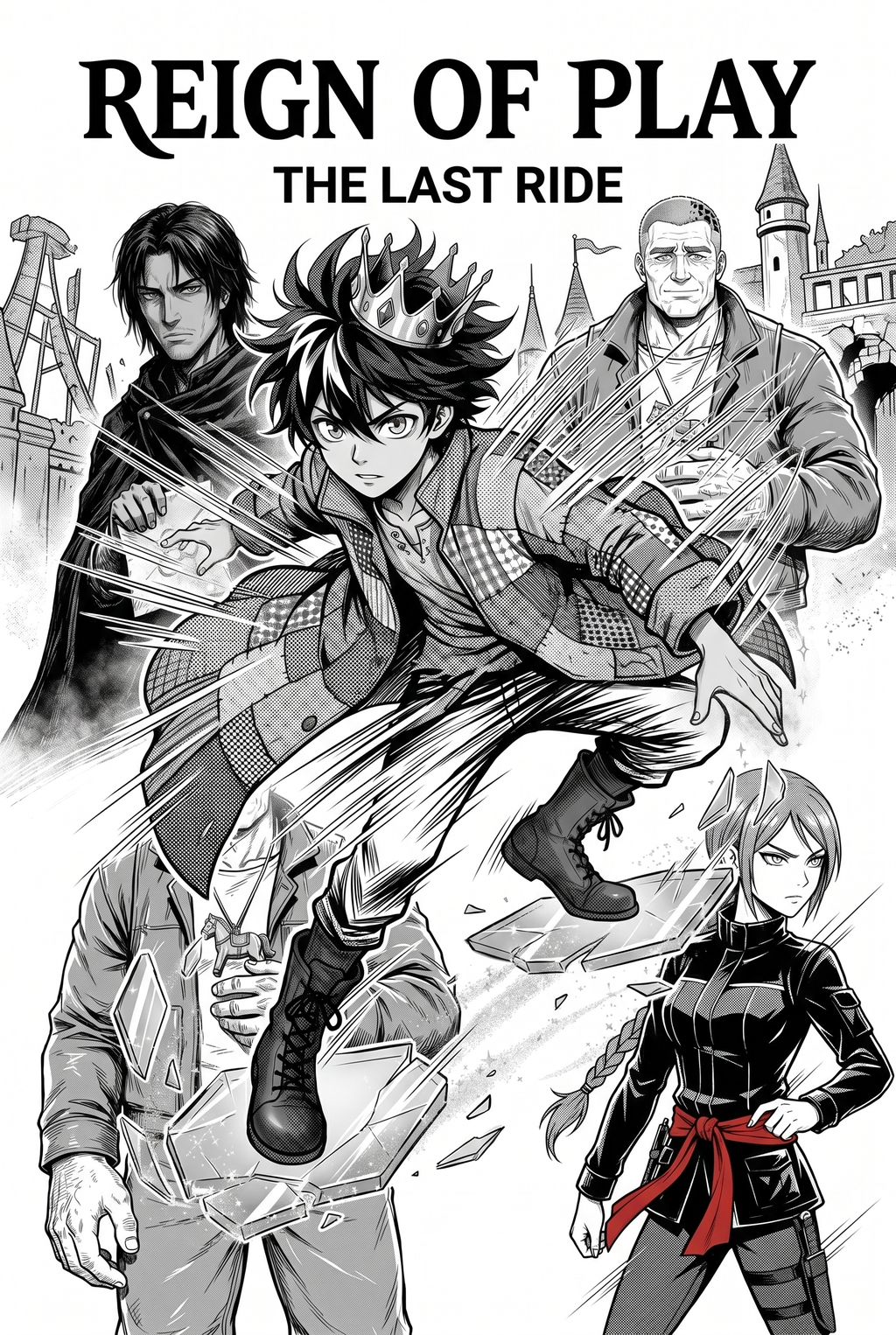
AI Manga Storyboard Builder: What a Survival Board Locks Before Any Art Exists
Your board locks threat order, terrain geography, wound continuity, and resource depletion before a single panel is drawn. Creators who skip that lock discover the errors later, when fixing a moved river means redrawing finished line art. Every panel answers three questions: what threatens the characters, what it costs them, and what new fact the reader learns. Lock shared terminology on the board's first page — beat, threat, setback, payoff — so writer, artist, and letterer share each label's meaning.
Decide the delivery shape up front. An annotated panel grid suits an artist drawing directly from the board, while a numbered beat list suits a writer handing beats to a storyboard tool. A board with fewer than three cost beats per chapter section is a scene list, not a tension plan.
Why Tension Collapses When Geography and Wounds Drift
Tension collapses the moment a wound heals off-page, a spent magazine reloads itself, or a cliff moves to the wrong side of a chase. Readers feel the cheat before they can name it, and the scare stops landing. Keep a wound-continuity ledger as a small table in the board margin, one row per injury. Note where the injury lands, its state — fresh, bound, reopened — and every later panel where the limp or bandage must still show. Nothing heals unless a panel spends time on the healing.
Track gear in the neighboring column. A dropped knife stays dropped, a torn jacket stays torn, and two shells stay two until a panel shows a reload source. Terrain needs the same discipline: sketch the valley, river, and ridge once, pin their positions, and refuse any chase panel that quietly mirrors the map.
How Mangaka Orders Beats into Escalating Pages
You feed Mangaka one-line beats, and it sequences them into panel order, sizing, and pacing while pages are still logic, with no art generated yet. Once approved, the limp, the empty canteen, and the closing tide land on the same panels at every later stage.
Order each page so it ends one notch worse than it opened. Shrink a resource, raise the water, shorten the light, or remove an exit, and let page breaks fall on that worsening beat so the turn delivers the sting.
- Countdown clocks as ordering devices — nightfall, oxygen, or an incoming tide, with the remaining time drawn smaller in-panel each appearance. - Silence panels after near-misses — one wordless panel of isolation lets dread settle before the next threat, and costs no dialogue space. - Wide terrain shots against tight close-ups — a valley-wide panel fixes where danger sits, then a close-up on shaking hands or a fraying rope prices that danger.
Picture twenty beats for a flooded-valley escape pasted into survival action manga storyboard with Mangaka : out comes a 16-page board, knife lost on page 3, ankle sprain slowing pages 6 to 12, tide clock cut from forty minutes to nine. One ordered board replaces a rough list two artists would stage differently, exported as a PDF panel map plus per-page PNG files at 1600 pixels wide.
Where Survival Boards Earn Their Keep
Creators reach for a AI Manga Storyboard Builder workflow when continuity is the story — when injuries, supplies, and ground must agree across weeks. A romance chapter can survive a moved café table; a survival chapter cannot survive a moved river.
Solo indie creators board first so a weekly vertical comic platforms keeps injuries honest between episodes drawn seven days apart. Prose authors board a short story's source context, mapping who knows the bridge is cut and who still trusts it, so the reveal lands on the intended page.
Contest entrants with strict page limits board before scripting dialogue, because a climax discovered on page 26 of a 24-page limit is a rewrite, not an edit. Small teams split chapters across artists, and the review owner signs each batch off against the ledger before inking.
Getting Started Without Losing the Ledger
You start with beats, not drawings, and you finish the first pass in one sitting. Write each beat as one threat, setback, payoff line, with no dialogue yet. This keeps the review focused on story intent, line weight, panel readability, and the export quality behind the final AI Manga Storyboard Builder output.
- One line per beat — name the threat, its loss, and the fact the reader gains. - One review owner per chapter — one person approves wound continuity, geography, and the countdown clock. - One skeptical read-through — scan for healed wounds, refilled gear, and pages ending no worse than they began. - One locked export format — save the approved board as the PDF and PNG set the art stage draws from.
Reshuffle or regenerate only the pages that fail that read-through, then move to character and panel art once the order holds. The expensive decisions were argued while they were still text, so structural redraws later stay rare. Creators should compare the generated line art with the original sketch and confirm that facial expressions, props, speed lines, and speech-bubble space still support the scene. A repeatable review pass should cover character consistency, panel readability, background clarity, and whether the final file is ready for coloring, lettering, or editor feedback.
The Bottom Line
A good survival board makes danger cumulative: the ankle sprained on page 6 still shapes the climb on page 15, and the last shell is spent only once. Lock the ledger and end every page worse. You can start your first board with survival action manga storyboard and approve the escalation before drawing a single panel.
Related articles
Curse Revenge Manga Storyboard: The 2026 Creator Guide
AI Manga Storyboard Builder for Shonen Manga in 2026
Manga Storyboard Guide: Master Narrative Pacing Fast in 2026